
Cloudflare Outage on February 20, 2026: Technical Breakdown, Impact, and Resilience Lessons
When Cloudflare’s routing pipeline falters, critical internet infrastructure feels the shock instantly. On February 20, 2026, a configuration change in Cloudflare’s Bring Your Own IP (BYOIP) pipeline led to a significant BGP route withdrawal, impacting major apps and platforms worldwide. If your production stack uses Cloudflare’s BYOIP, this incident underscores the need to review network dependencies and resilience patterns now.
Key Takeaways:
- The February 20, 2026 Cloudflare outage was caused by an internal BYOIP configuration change—not a cyberattack (Cloudflare Blog).
- Roughly 1,100 BYOIP prefixes—about 25%—were withdrawn, disconnecting high-profile platforms globally.
- Restoration required a combination of Cloudflare’s rollback and manual customer intervention via the dashboard; no CLI was provided for remediation.
- Centralization on Cloudflare offers scale, but also exposes single points of failure—demanding robust multi-provider strategies for production systems.
- Actionable patterns for BGP monitoring, multi-homing, and runbook readiness are essential for SREs and DevOps teams operating in hybrid and cloud environments.
Outage Timeline and Real-World Impact
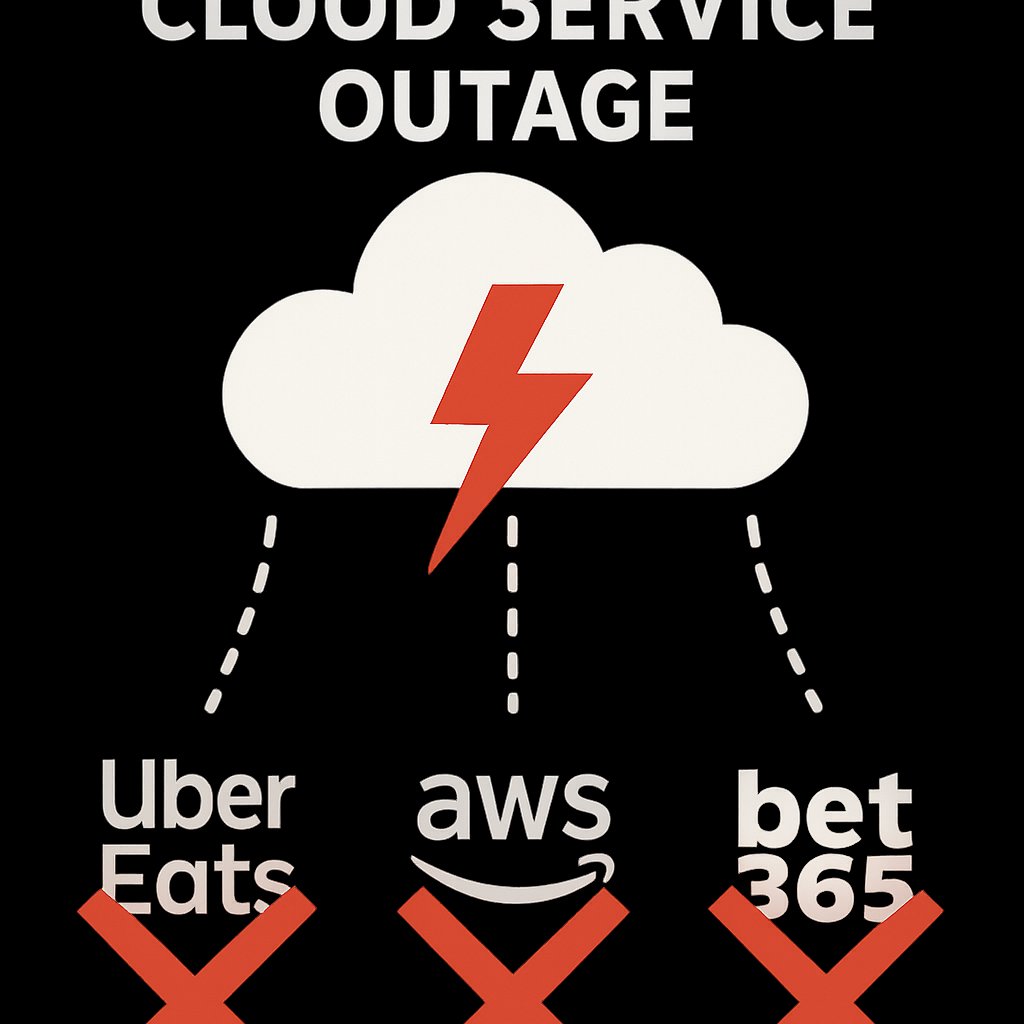
At 17:48 UTC on February 20, 2026, Cloudflare began unintentionally withdrawing BGP prefixes for customers leveraging BYOIP. This immediately led to global connectivity loss for a range of platforms. UberEats saw over 4,000 user complaints, Bet365 experienced more than 5,000, and critical services such as AWS, CounterStrike, Steam, WorkDay, and Airtable were also affected (NY Post).

Cloudflare’s own reporting details that, out of 6,500 prefixes advertised to a BGP peer, 1,100 were withdrawn between 17:56 and 18:46 UTC—representing 25% of all BYOIP prefixes (Cloudflare Blog). This led to wide-scale timeouts and service failures, and even impacted a subset of Cloudflare’s 1.1.1.1 DNS resolver (specifically one.one.one.one).
| Time (UTC) | Event | Impact |
|---|---|---|
| 17:48 | BYOIP BGP prefixes withdrawn | Connectivity loss for major apps (UberEats, Bet365, AWS, etc.) |
| 17:56–18:46 | 1,100 prefixes withdrawn | 25% of BYOIP routes down; global disruptions |
| 19:19 | Customer guidance published | Dashboard self-remediation steps provided |
| 20:20 | 800 prefixes restored | Partial recovery for affected customers |
The incident lasted 6 hours and 7 minutes, with most of the time spent restoring prefix configurations. Crucially, Cloudflare and independent security sources confirmed that no cyberattack was involved—this was a result of internal operational changes (Cloudflare Blog, SecurityWeek).
For teams running high-availability workloads—especially in fintech, gaming, or delivery—this incident demonstrates the real operational blast radius of BGP instability and the risks inherent in relying on centralized network providers.
Root Cause Analysis: What Triggered the BGP Withdrawals?
The outage was triggered by a change to Cloudflare’s network management for IP addresses onboarded through the BYOIP pipeline. This modification unintentionally withdrew customer prefixes from global BGP routing tables, making their applications unreachable (Cloudflare Blog).
- The change altered how BYOIP prefixes were managed and advertised to BGP peers.
- ~1,100 BYOIP prefixes were withdrawn before Cloudflare engineers detected and began to revert the change.
- Some customers could restore service by manually re-advertising their prefixes via the Cloudflare dashboard; others had to wait for Cloudflare’s rollback.
Most of the outage was spent restoring and verifying prefix advertisements. Cloudflare explicitly states the issue was not due to external actors or attacks (Cloudflare Blog).

# Cloudflare’s official remediation guidance:
# Customers were instructed to use the Cloudflare dashboard to manually re-advertise affected prefixes.
# No CLI commands were published for this incident—manual dashboard intervention was required.
# Always consult the official Cloudflare documentation for up-to-date recovery procedures.
This event highlights the risks of tightly coupled automation in BGP workflows and the need for robust rollback and incident detection mechanisms for any network relying on dynamic route advertisements.
Production Readiness: SRE and DevOps Mitigation Strategies
Depending solely on a single CDN or DNS provider is a calculated risk, but this outage shows how quickly that risk can turn into a critical failure. SRE and DevOps teams should adopt pragmatic strategies to boost resilience:
1. BGP Multi-Homing and Route Redundancy
- Announce essential prefixes through multiple providers or upstreams where possible. Multi-homing at the ISP or cloud level can help maintain fallback connectivity.
- Establish a secondary BGP session—even with lower bandwidth—to provide minimal failover when primary advertisements are withdrawn.
2. Automated BGP Health Monitoring and Alerting
- Deploy independent BGP monitoring services to verify reachability of your prefixes from points outside your primary provider’s network.
- Configure alerts to trigger within minutes if a prefix is withdrawn or becomes unreachable from major vantage points.
To implement these patterns, refer directly to the official Cloudflare documentation and BGP monitoring service guides for configuration details.
3. Documented and Tested Recovery Playbooks
- Develop and regularly update runbooks for both dashboard and CLI-based recovery processes with all your providers.
- Schedule quarterly disaster recovery exercises simulating BGP prefix withdrawal and re-advertisement scenarios.
For additional operational risk guidance, review our coverage of modern vulnerability disclosure pitfalls and forensic source integrity workflows.
Alternatives and Context: Cloudflare’s Strengths and Centralization Risks
Cloudflare is recognized for its technical innovation and global reach. Its services include advanced routing, DDoS mitigation, and a global edge network. Cloudflare’s scale and transparency have set industry benchmarks, but centralization introduces systemic risk: when Cloudflare stumbles, thousands of dependent businesses are potentially affected (Cloudflare Blog).
Here’s a summary of providers and their market tradeoffs, based on research data:

| Provider | Features (from research) | Known Incidents | Tradeoffs |
|---|---|---|---|
| Cloudflare | Global CDN; DDoS; BYOIP | 2026 BGP/BYOIP outage, 2019 outage | Centralization risk, rapid response, transparent postmortems |
| Akamai | CDN; Security; Edge compute | Not detailed in current research | Legacy provider, higher cost for SMBs |
| Fastly | Real-time CDN; Programmable edge | Not detailed in current research | Smaller footprint, developer-centric |
Note: Details on Akamai and Fastly’s BYOIP support and incident history are not specified in the research provided. Decentralized or ISP-based approaches offer more control but require intense operational overhead and slower global incident response.
As outlined in our analysis of AI-driven platform risk, over-reliance on a single infrastructure provider can magnify rare but severe outages. Carefully balance these risks against the operational speed and managed services that Cloudflare delivers.
Common Pitfalls and Pro Tips
- Assuming Vendor Infallibility: No provider is immune to operational mistakes. Deploy independent monitoring for all critical prefixes and endpoints.
- Overlooking Recovery Complexity: Many teams only test failover for compute—not for network-level events like BGP or prefix withdrawal. Ensure your disaster recovery plan addresses all network dependencies.
- Missing Dashboard Access: Remediation for BYOIP in this incident required manual dashboard action. Confirm that on-call engineers have current access and training for every provider.
- Weak Incident Communication: Outage comms must cover both internal teams and users. Pre-write messaging templates for major outage scenarios.
- Stale Documentation: Remediation steps may change rapidly during incidents. Update runbooks regularly and subscribe to provider status feeds for the latest guidance.
For hands-on SRE best practices, see our guides on Git source forensics and legal aspects of vulnerability reporting.
Conclusion and Next Steps
The February 2026 Cloudflare outage proves that even the most robust networks are vulnerable to configuration-driven failures. Now is the time to review your BGP, BYOIP, and edge resilience strategies: verify your runbooks, rehearse your incident playbooks, and ensure alternative provider options are mapped and ready.
Follow Cloudflare’s ongoing postmortem process and keep a close eye on your own single-vendor exposures. As operational complexity rises, cross-layer resilience and multi-provider readiness will define which organizations can withstand the next outage. For actionable playbooks and the latest incident analysis, check our recent posts and technical guides.