
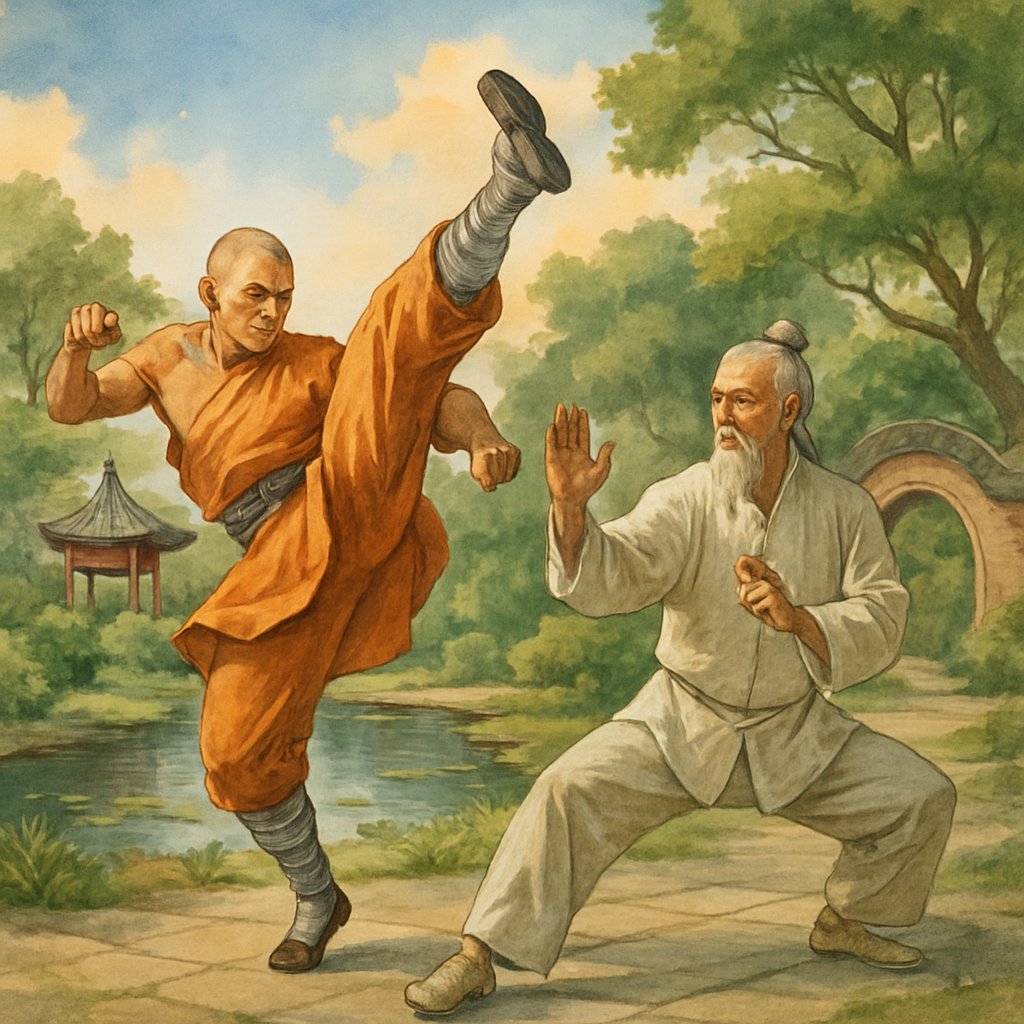
Chinese martial arts are not just a collection of ancient combat techniques—they represent an evolving tradition that has shaped, and been shaped by, Chinese identity, philosophy, and culture for thousands of years. Whether you experience the raw athleticism of Shaolin kung fu, the meditative grace of tai chi, or the dynamic spectacle of modern wushu, you are engaging with a living heritage where discipline, self-cultivation, and the quest for harmony are inseparable from physical training. This guide explores the real historical roots, major styles (as supported by authoritative sources), foundational philosophies, and the enduring cultural significance of martial arts in Chinese life.
Key Takeaways:
- Trace the ancient origins and historical development of Chinese martial arts, from the Xia Dynasty to the present
- Compare core, well-documented styles: Shaolin kung fu, Tai Chi (Taijiquan), and modern Wushu
- Understand foundational philosophies: balance, self-cultivation, and the integration of body, mind, and spirit
- Recognize the role of martial arts in shaping Chinese identity, discipline, and community
- Avoid common pitfalls and learn practical tips for deepening your martial arts practice

Origins and Evolution of Chinese Martial Arts
The story of Chinese martial arts stretches back over four millennia, rooted in the interplay between military necessity and the search for personal cultivation. The earliest written evidence appears in the Xia Dynasty (2070–1600 BCE), where accounts describe Jiao Di (角抵 jiǎodǐ), a grappling and wrestling method used by Huangdi’s army to defeat Chi You in 2697 BCE. Even at this early stage, martial arts encompassed both hand-to-hand skills and weapons training for hunting, warfare, and self-defense (Advantour).
During the Shang Dynasty (1600–1046 BCE), oracle bone inscriptions record the presence of wrestling (dou), providing some of the oldest documentary evidence of organized martial practices in China. The tumultuous Warring States period (475–221 BCE) and the Zhou dynasty (1046–256 BCE) saw martial training shift toward archery and horseback warfare, reflecting changing demands on the battlefield.
With the unification of China under Qin Shi Huang (221–207 BCE), a wrestling style named Jiaoli gained widespread popularity and is considered an ancestor of formal martial arts tournaments and duels. The Han Dynasty (202 BCE–220 CE) marked a significant turning point with the emergence of “animal” styles—monkey, tiger, snake, dragon, and mantis—that blended wrestling, grappling, barehanded fighting, and weapons work. These laid the foundation for the classical tradition of wushu (武术 wǔshù).
A defining chapter unfolded in the 6th century CE with the arrival of Bodhidharma (菩提达摩 Pútídámó) at the Shaolin Monastery. His introduction of Yijin Jing Qigong (易筋经气功 yìjīnjīng qìgōng) brought together Chan Buddhist meditation and physical cultivation, permanently linking the spiritual and martial dimensions of Chinese martial arts.
| Era | Key Development | Notes |
|---|---|---|
| Xia Dynasty (2070–1600 BCE) | Jiao Di wrestling/grappling | Hand-to-hand combat for military use |
| Shang Dynasty (1600–1046 BCE) | Wrestling (dou) | Earliest documentary evidence (oracle bones) |
| Han Dynasty (202 BCE–220 CE) | Animal styles emerge | Tiger, snake, monkey, mantis, dragon |
| 6th century CE | Bodhidharma at Shaolin | Physical/spiritual integration with Chan Buddhism |
| Modern era | Wushu formalized | Standardized for sport and performance |
Through these transformations, martial arts in China have continually adapted—absorbing new philosophies, responding to social change, and balancing physical prowess with inner cultivation (Advantour).
Major Styles: Shaolin, Tai Chi, and Wushu
The diversity of Chinese martial arts is expressed through its most influential styles, each shaped by unique historical contexts and philosophical frameworks. According to authoritative sources, the best-documented systems are Shaolin kung fu, Tai Chi (Taijiquan), and modern Wushu (Advantour).

Shaolin Kung Fu (少林功夫 Shàolín gōngfu)
Originating from the Shaolin Monastery in Henan province, Shaolin kung fu is renowned for its demanding physical regimen, explosive movements, and the integration of Chan (Zen) Buddhist philosophy. Training combines external forms (such as strikes, kicks, and acrobatics) with internal cultivation, meditation, and animal-inspired techniques—tiger, monkey, snake, dragon, and mantis. The Shaolin monks’ martial reputation has made them enduring symbols of the unity between spiritual discipline and physical strength (Advantour).
Tai Chi Chuan (太极拳 tàijíquán)
Tai chi is a soft, internal martial art that emphasizes relaxation, slow and flowing forms, and the harmonization of mind and body. Rooted in Daoist philosophy, it promotes the cultivation of internal energy (qi 气 qì), balance, and mindfulness. While widely practiced for its meditative qualities and health benefits, tai chi is also a martial system with applications in self-defense and partner work. Major styles (Yang, Chen, Wu, Sun) share the core principle of balancing yin and yang within movement (Advantour).
Modern Wushu (武术 wǔshù)
In the modern era, wushu was formalized as a standardized sport to preserve traditional martial techniques while adapting them for performance and competition. Wushu routines (taolu) are evaluated for technical precision, speed, power, and aesthetics. While some traditionalists critique its focus on spectacle, modern wushu remains a vital means of sustaining and sharing Chinese martial arts heritage with new generations (Advantour).
| Style | Philosophy | Focus | Global Influence |
|---|---|---|---|
| Shaolin kung fu | Chan Buddhism, discipline, harmony | Striking, forms, weapons, strength | World-renowned, iconic |
| Tai Chi | Daoism, balance, internal energy | Meditation, health, soft self-defense | Practiced globally for wellness |
| Wushu | Sport, aesthetics, tradition | Performance, competition, flexibility | International competitions, youth engagement |
These styles represent the living diversity of Chinese martial arts, reflecting their roots in both physical training and philosophical inquiry (Advantour).
Philosophy and Practice: Discipline, Meditation, and Health
Chinese martial arts are inseparable from the philosophies that have guided their evolution for centuries. At their core lies the pursuit of balance (平衡 pínghéng), self-cultivation (修身 xiūshēn), and harmony (和谐 héxié)—values rooted in Confucian, Daoist, and Buddhist traditions (Advantour).
Discipline and Character Development
Martial training is a path of self-control, perseverance, and ethical conduct. The traditional values of respect for elders, humility, and loyalty are reflected in rituals such as bowing, lineage acknowledgment, and the etiquette of the training hall. These mirror broader Chinese social customs like face (面子 miànzi) and relationship networks (关系 guānxì), which emphasize proper conduct and mutual respect.
Meditation and Internal Cultivation
Internal practices, including tai chi and qigong (气功 qìgōng), use meditative breathing, visualization, and mindful movement to develop both internal energy (qi 气) and mental clarity. These techniques foster a calm, focused mind and integrate the physical and spiritual aspects of martial arts (Advantour).
Martial Arts and Well-being
While authoritative sources describe the connection between martial arts, health, and meditation, specific claims regarding effects like lowering blood pressure or reducing the risk of falls are not directly documented. Instead, the tradition emphasizes overall vitality, balance, flexibility, and the harmonization of body and mind. Martial arts support physical fitness, mental resilience, and a sense of well-being, especially through practices that cultivate internal energy and promote mindful movement.
- Physical well-being: Improved flexibility, coordination, and strength
- Mental well-being: Stress relief, focus, emotional regulation
- Longevity: Practices like tai chi and qigong are associated with healthy aging and life balance
For a deeper exploration of how these values echo in other Chinese arts, see Chinese Calligraphy: History, Styles, and Modern Practice.
Cultural Significance: Beyond Combat
Chinese martial arts are woven into the broader tapestry of Chinese festivals, education, and national identity. Their influence extends to literature, art, cinema, and even global health and wellness movements. Legendary masters such as Bruce Lee and the Shaolin monks have become icons, shaping contemporary perceptions of Chinese culture around the world (Advantour).
- Festivals and Performances: Martial arts demonstrations are common at traditional celebrations and community events, blending athleticism, music, and storytelling to connect participants with cultural heritage.
- Education and Socialization: Many young people study martial arts to develop discipline, teamwork, and resilience. Schools and community organizations use martial arts to transmit traditional values and foster social bonds.
- Global Influence: Through the efforts of practitioners, performers, and cultural ambassadors, Chinese martial arts have shaped film, sports, and health practices worldwide.
Martial arts also play a vital role in bridging generations and maintaining cultural identity in diaspora communities. Their continued adaptation ensures that the tradition remains vibrant and relevant in modern society.
To learn more about the connection between martial arts and traditional Chinese celebrations, read Explore Traditional Chinese Festivals Beyond New Year.
Common Pitfalls and Pro Tips for Martial Arts Practice
Even with its many rewards, the path of Chinese martial arts presents real-world challenges. Practitioners often encounter common difficulties, especially when starting out or seeking deeper understanding:

- Overemphasis on Routines: Focusing only on memorizing forms (taolu) without internalizing their intent or application can limit progress. Balance routine practice with drills, partner work, and study of foundational principles.
- Neglecting Internal Cultivation: Treating martial arts only as physical exercise may overlook the importance of meditation and the development of internal energy (qi). Integrating both aspects leads to a more complete practice.
- Style-Hopping: Constantly switching styles in search of novelty can hinder mastery. Progress is rooted in consistent, focused study and respect for lineage.
- Physical Risks: Inadequate instruction, poor warm-up, or overexertion can lead to injury. Seek qualified teachers and listen to your body.
- Missing the Cultural Context: Neglecting the philosophical and cultural background can diminish the richness of the martial arts experience. Study the traditions and values that give meaning to the practice.
Pro Tips:
- Choose a reputable school or instructor with a clear lineage and balanced curriculum
- Maintain regular, mindful practice—consistency outweighs intensity
- Deepen your study by exploring the historical and philosophical roots of your chosen art
- Combine solo training with group classes, meditation, and related arts (such as qigong)
Conclusion and Next Steps
Chinese martial arts offer a lifelong path toward health, wisdom, and cultural connection. Whether you are drawn to the dynamic movements of Shaolin kung fu, the meditative flow of tai chi, or the structured athleticism of wushu, you are participating in a tradition that links physical mastery with personal growth. To continue your journey, explore related Chinese arts such as calligraphy or take part in martial arts performances at traditional festivals. Every step deepens your understanding of not just technique, but also character, community, and harmony.
For further reading and authoritative information, see Chinese Martial Arts: Over Two Millennia of Living Tradition.