
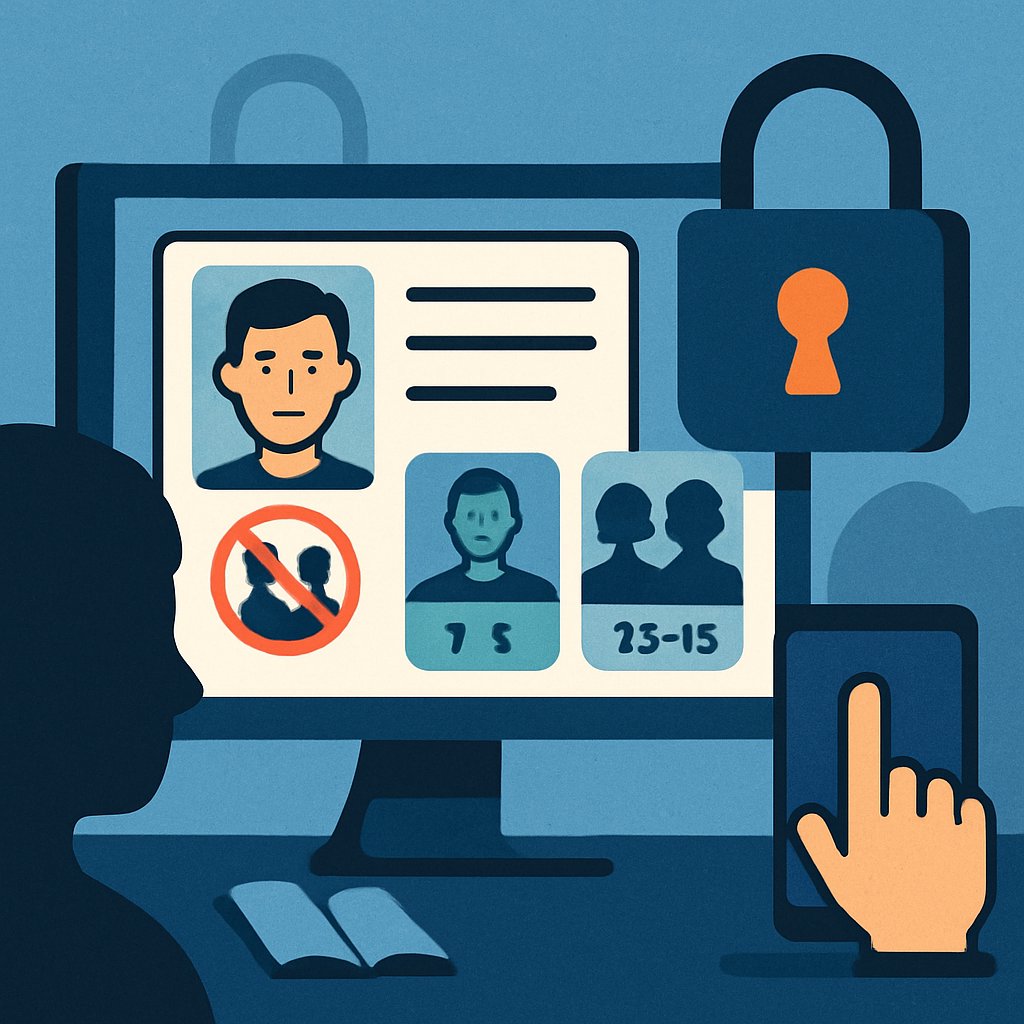
US states are rapidly passing new laws requiring age verification at the operating system (OS) level, placing vendors like System76 at the center of a heated debate over privacy, security, and digital literacy. System76, known for its Linux laptops and Pop!_OS, has publicly criticized these laws but acknowledges that noncompliance carries significant legal and financial risks. If you build, deploy, or support Linux systems—especially for education or consumer use—these requirements will soon impact your workflows, user onboarding, and compliance responsibilities.
Key Takeaways:
- Understand how new state laws mandate age verification at the OS level, affecting Linux distributions like Pop!_OS
- Learn System76’s official stance, compliance strategies, and privacy concerns
- See technical and legal implications for end-user setups and device vendors
- Get a realistic view of trade-offs, limitations, and alternatives for practitioners
- Identify practical steps to stay compliant and protect user privacy under new regulations
Why Age Verification Laws Matter Now
California’s new age verification law is effective January 1, 2027, not 2026, requiring all operating systems—including Linux distributions like Pop!_OS—to verify the age of every user account. Colorado and New York are following with similar or even stricter legislation, and other states like Louisiana, Illinois, Texas, and Utah have parallel bills in various stages (GamingOnLinux).

Colorado and New York are following with similar or even stricter legislation, and other states like Louisiana, Illinois, Texas, and Utah have parallel bills in various stages (GamingOnLinux).
Colorado and New York are following with similar or even stricter legislation, and other states like Louisiana, Illinois, Texas, and Utah have parallel bills in various stages (GamingOnLinux).
The intent is to protect minors online by ensuring their age is known to the OS, so apps and websites can enforce age-appropriate experiences. But the technical, privacy, and legal implications are significant for anyone shipping or deploying Linux systems in the US.
- Scope: Applies to all devices sold or supported in affected states, covering vendors, resellers, and potentially open source maintainers with US users
- Enforcement: Penalties can reach $7,500 per violation per child for noncompliance (per California AB1043, official bill text)
- Technical Reach: Laws may require not just pop-up notifications but robust age assurance mechanisms at the OS installation or account creation phase
For Linux professionals, this is not just a “big tech” problem—anyone distributing, supporting, or integrating Linux could be affected. With the law’s vague language and broad liability, even free and open source distributions are at risk if used by minors in regulated states.

Understanding Age Verification Technologies
Implementing age verification at the OS level can involve various technologies, including third-party services that verify identity through government databases or credit card information. For example, some systems may use biometric data or AI-driven age estimation techniques. However, these methods raise significant privacy concerns and may not be suitable for all users, especially minors. It’s crucial to evaluate the trade-offs between security and user privacy when selecting an age verification solution.
System76’s Response and Analysis
System76, headquartered in Colorado, is directly impacted by these laws. CEO Carl Richell and principal engineer Jeremy Soller have both published statements outlining the company’s position and concerns:
CEO Carl Richell and principal engineer Jeremy Soller have both published statements outlining the company’s position and concerns:
- Compliance with Reluctance: System76 will comply to avoid legal risk but is openly critical of the laws’ effectiveness and privacy impact (Newz9, Level1Techs).
- Privacy Concerns:
- Privacy Concerns: System76 is committed to minimizing data collection: “Pop!_OS, and likely many other open source operating systems, will do everything possible to prevent identification of users. This bill does not require any identifying information about users to be stored, outside of potentially their age fitting into one of four brackets.” (Level1Techs)
- Ineffectiveness: Richell argues that technical controls are easily bypassed—children can create VMs and self-report as adults, similar to circumventing geoblocks with a VPN. He asserts these laws “limit freedom” and do little to protect children online.
- Advocacy for Digital Literacy: System76’s leadership advocates for education and digital literacy rather than regulatory controls, highlighting that 57% of parents worry about their children’s safety online but that education is a more holistic solution (Pew Research Center survey, as cited by Newz9).
System76’s approach is pragmatic: they dislike the laws, but will adapt Pop!_OS and their hardware to remain compliant in regulated markets instead of withdrawing from those states.
| Requirement | System76 Stance | Implementation Plan |
|---|---|---|
| Age verification at OS account setup | Critical but unavoidable | Minimum data collection; age brackets only |
| Exposure of age info to apps/websites | Opposes exposure, prefers strict minimization | Will seek to limit scope to only what law requires |
| Legal compliance in affected states | Will comply to avoid fines/liability | Anticipates further changes if more states/countries follow |
Best Practices for Compliance
When adapting to age verification laws, organizations should consider best practices such as conducting regular audits of compliance measures, training staff on legal requirements, and implementing user-friendly systems that minimize data collection. For instance, using age brackets instead of exact birthdates can reduce privacy risks while still meeting legal obligations. Engaging with legal experts can also help ensure that your compliance strategy is robust and effective.
Technical and Operational Implications
If you’re deploying or supporting Pop!_OS, or any Linux OS, in the US, these laws will change your workflow:
User Account Creation and Age Bracketing
The law requires explicit age verification at the OS level, which may be implemented as follows:
# Hypothetical: Prompt for age bracket at user creation in a shell-based installer
echo "Select your age bracket:"
echo "1. Under 13"
echo "2. 13-15"
echo "3. 16-17"
echo "4. 18+"
read AGE_BRACKET
# Store $AGE_BRACKET in user metadata, accessible to applications as required by law
Consult the official System76 Support documentation and state law text for exact implementation details, as the law’s technical requirements will continue to evolve.
Visibility to Apps and Websites
The laws may require the OS to expose user age or an age bracket to installed applications or possibly web browsers. This raises privacy and data minimization concerns—even if only age brackets are shared, the attack surface for user profiling increases.
Bypassing and Enforcement Weaknesses
System76’s CEO and technical staff point out that children can bypass OS-level restrictions by:
- Creating virtual machines and self-registering as adults
- Booting from external media or live USB environments
- Using alternative operating systems not enforcing age checks
This undermines the effectiveness of age verification as a strict safeguard, shifting the burden back to user education and parental oversight.

Legal Risk for Developers and Integrators
Anyone distributing Linux systems—hardware vendors, IT consultants, school admins—could be held liable for noncompliance if their systems are used by minors in regulated states. This risk extends even to open source projects if they have a commercial presence in the US.
Considerations and Trade-offs
System76’s compliance strategy is not without trade-offs. Here’s what you need to factor into your planning:
- Usability vs. Compliance: Age verification adds friction to onboarding. For organizations deploying large fleets (schools, libraries), this means extra administrative overhead and possible user frustration.
- Privacy Compromises: Even minimal age bracketing can lead to privacy creep. The more states (or countries) mandate metadata collection, the greater the risk of over-collection or data leaks. As digital privacy expert Dr. Laura DeNardis warns, these laws could “lead to increased online surveillance and could infringe on users’ rights” (Newz9).
- Cost and Support Burden: Rolling out compliance features (especially for smaller vendors or upstream open source projects) requires significant engineering resources, ongoing maintenance, and legal review. As noted by Jeremy Soller, “I do not believe most free and open source software is ready to handle the ludicrous amount of legal liability this kind of legislation introduces.”
- Alternatives: Framework, Purism, and Tuxedo are other Linux hardware vendors. Some, like Framework, may offer more modular hardware or different update policies. However, all vendors selling or supporting devices in regulated states will face the same laws.
| Vendor | OS Support | Firmware Update Policy | Price/Performance |
|---|---|---|---|
| System76 | Pop!_OS, Ubuntu | Pop!_OS only, CLI tools | Good balance, but can be pricier than Framework for similar specs |
| Framework | Any Linux distro | Open firmware, easier updates | Often better price/performance for modular builds |
| Purism | PureOS | Focus on privacy, coreboot support | Premium pricing |
Common Pitfalls and Pro Tips
Common Pitfalls
- Assuming Noncommercial OS Distributions Are Exempt: Even free/open source OSes may have liability if used in regulated states, especially if any business (support, preloads, etc.) is involved.
- Storing Unnecessary Data: Avoid storing full birthdates or unnecessary identifying info. California law allows for age brackets rather than exact ages—store only what is required.
- Inadequate Documentation: Failing to document compliance steps can put organizations at risk during audits or enforcement actions.
- Not Testing Bypass Scenarios: Children can and will find ways around technical barriers. Test with VMs, live USBs, and alternate boot methods to understand real-world effectiveness.
Pro Tips
- Review the System76 user account documentation for updates on compliance features as they roll out.
- Engage with upstream distributions (e.g., Ubuntu, Debian) if you rely on them—these laws could force changes across the ecosystem.
- Document your compliance process and keep a log of all updates in response to state laws for legal defensibility.
- Educate users and administrators on both the purpose and limitations of age verification. Technical controls are not a substitute for digital literacy.
Conclusion and Next Steps
System76 and the broader Linux ecosystem face a new compliance reality as state-level age verification laws take hold. While System76 is preparing to adapt, the company’s leaders urge a shift toward education and privacy preservation over technical restriction. If you manage Linux deployments or develop OS-level software, monitor these laws closely, minimize data collection, and push for user-centric solutions. For deeper dives on open source hardware or Linux security, explore System76 Support for compliance updates.