
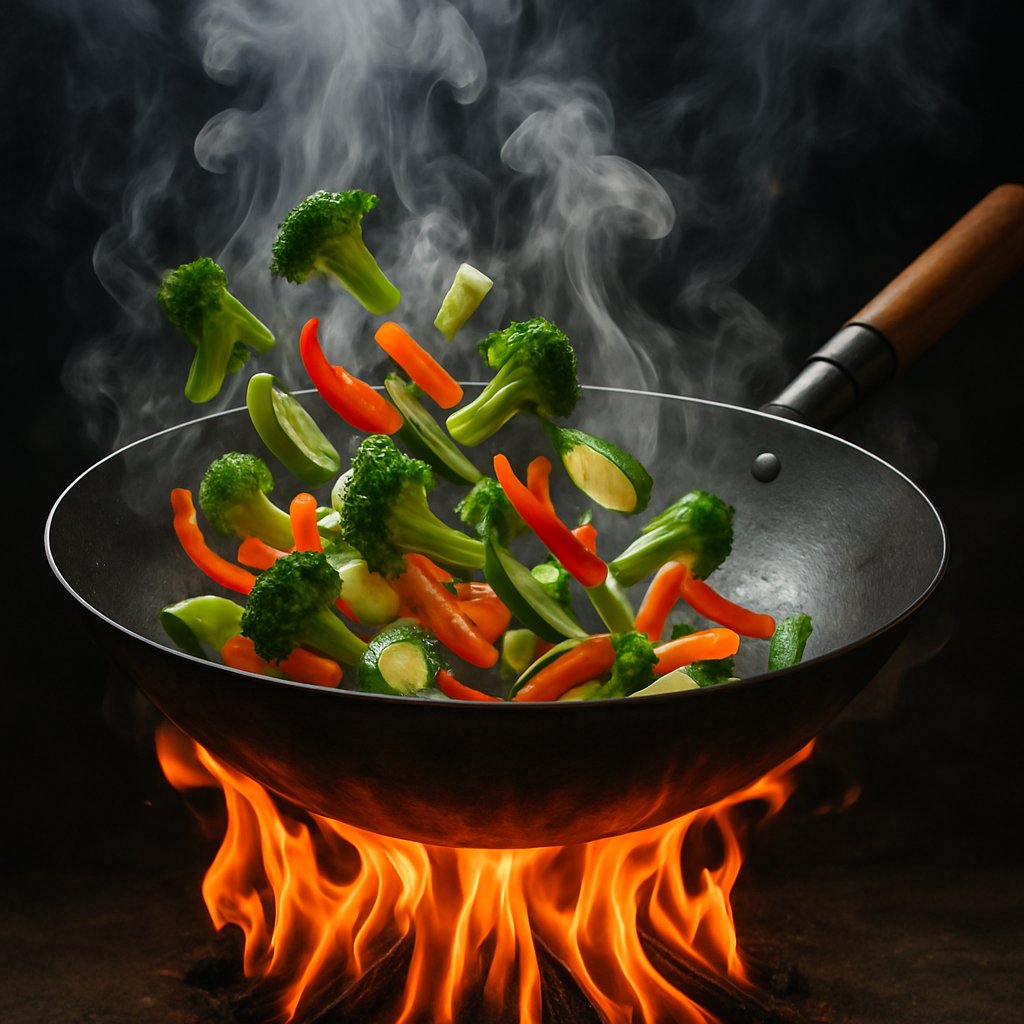
Wok cooking is more than just a technique—it is a living tradition that bridges centuries of Chinese culinary history with modern kitchens around the world. Whether you seek the elusive wok hei (镬气 huò qì), crave the crispness of deep-fried delights, or want to infuse your dishes with aromatic smoke, mastering the wok opens a universe of flavors and textures. This guide demystifies the technical, sensory, and cultural dimensions of wok cooking, from seasoning your pan to controlling heat and oil, and showcases signature recipes you can achieve at home.
Key Takeaways:
- Understand wok types (carbon steel, cast iron, stainless steel, non-stick) and how to season/maintain them
- Learn to control heat, oil temperature, and the elusive wok hei for authentic results
- Master stir-frying, deep-frying, and smoking techniques with detailed, real-world recipes
- Discover common mistakes, practical tips, and how to adapt wok cooking to your kitchen setup
- Evaluate trade-offs with woks vs. alternatives, and when to use flat- or round-bottom pans

Wok Fundamentals: Materials, Seasoning, and Maintenance
Choosing the right wok and caring for it is the foundation of all great wok cookery. Authentic Chinese kitchens traditionally use carbon steel woks (tanggang guo 碳钢锅), prized for their rapid heating, responsiveness, and ability to develop a natural non-stick surface through seasoning. Cast iron (zhutie guo 铸铁锅) excels in heat retention, while stainless steel and non-stick woks offer convenience and easy cleaning, but come with limitations for high-heat applications.
Types of Woks: Comparative Table
| Material | Best For | Seasoning Required | Heat Responsiveness | Drawbacks |
|---|---|---|---|---|
| Carbon Steel | Stir-frying, high-heat cooking | Yes, regular | Excellent | Rusts if neglected; needs maintenance |
| Cast Iron | Searing, braising | Yes, durable | Good (slower to adjust) | Heavy, may crack if dropped |
| Stainless Steel | General cooking, acidic dishes | No | Fair (can develop hot spots) | Sticking, requires more oil |
| Non-Stick | Low-oil cooking, easy cleanup | No | Poor (not for high heat) | Not suitable for traditional wok hei |
Source: Spice Alibaba Wok Guide

Seasoning Your Wok
- Initial Cleaning: Scrub with hot water and mild detergent to remove factory oils. Rinse thoroughly and dry over medium heat.
- Oiling: Apply a thin layer of high-smoke point oil (canola, peanut) to the entire interior.
- Heating: Heat over high until smoking, then reduce to low and rotate to distribute oil. Repeat 2–3 cycles for a robust patina.
- Maintenance: After each use, wash with hot water (no soap for carbon steel), dry over low heat, and rub with a little oil before storing.
Refer to the CKitchen wok seasoning guide for more details.
Mastering Heat Control and Oil Temperatures
The soul of wok cooking is in its heat—the legendary wok hei (镬气 huò qì). This “breath of the wok” is that smoky, slightly charred aroma you taste in the best Cantonese stir-fries. Achieving it at home requires the right equipment, preparation, and awareness of your stove’s capabilities.
- Gas stoves: Deliver intense, direct heat and mimic traditional wok setups best, especially with a round-bottomed wok and wok ring.
- Electric stoves: Require a flat-bottomed wok for good contact; preheat for several minutes and cook in small batches to maintain high temps.
- Induction stoves: Only work with ferromagnetic woks (usually flat-bottomed); traditional wok tossing is limited. See induction cooking limitations for more info.
Oil Selection and Temperature Ranges
- Use oils with high smoke points: peanut, grapeseed, sunflower, or canola oil (smoke point above 220°C/428°F).
- For stir-frying: Preheat wok until a wisp of smoke appears, then add oil. The oil should shimmer and swirl easily.
- For deep-frying: Heat oil to 175–190°C (350–375°F). Use a thermometer or test with a small bread cube—should brown in 30 seconds.
- Avoid olive oil or butter, which burn at proper wok temperatures.
Read more on heat management and oil choices.
Understanding Wok Hei (镬气 huò qì)
- Requires extremely high heat—often only possible with a commercial gas burner, but you can approach it at home with patience.
- Constant tossing and charring of aromatics and proteins against the hottest part of the wok is key.
- Let small amounts of food briefly touch the hottest metal, then toss—repeat rapidly.
- Wok hei is as much about aroma as about taste: it’s a fleeting, magical quality.
For a deep dive, see Serious Eats: Wok Skills 101.
Signature Wok Techniques: Stir-Fry, Deep-Fry, and Smoking
The wok’s versatility shines in its range of techniques, each with its own sensory rewards and cultural context. Here’s how to master the three core methods:
Stir-Frying (chǎo 炒):
- High-heat, fast cooking; ingredients are cut uniformly and cooked in succession—aromatics, proteins, vegetables, then sauces.
- Constant movement prevents sticking and promotes even caramelization.
- Signature dishes: jī dīng chǎo mì cài (鸡丁炒米菜 – chicken and vegetable stir-fry), xiā cài chǎo miàn (虾菜炒面 – shrimp chow mein).
Deep-Frying (zhá 炸):
- The wok’s sloping sides require less oil than a Dutch oven and facilitate easy removal of fried food.
- Oil temperature is critical for crispness—too low and food will be greasy, too high and it burns.
- Signature dishes: xiāng sū dòu fǔ (香酥豆腐 – crispy tofu), guō tiē (锅贴 – potstickers, often pan-fried and steamed in the same vessel).
Smoking (xūn 熏):
- Line wok with foil, add tea leaves, rice, and sugar for classic Chinese tea-smoking, or use wood chips for Western flavors.
- Place a rack over the smoking medium and cover tightly. Heat until smoke emerges, then smoke ingredients for 10–20 minutes.
- Signature dishes: chá yè xiāng yā (茶叶熏鸭 – tea-smoked duck), smoked tofu or fish.
For comprehensive technique tutorials and more recipes, visit All-Clad Wok Guide.

Recipe Demonstrations: Classic Dishes with Step-by-Step Guidance
Each of these recipes demonstrates a different wok technique and highlights regional styles and cultural significance. Measurements are included in both metric and imperial for accessibility.
1. Cantonese Stir-Fried Shrimp and Bok Choy (虾仁炒白菜 xiā rén chǎo bái cài)
- Technique: Stir-fry
- Ingredients:
- 450g (1 lb) large shrimp, cleaned and deveined
- 2 egg whites
- 2 tsp rice vinegar
- 1 tbsp cornstarch
- 1 tbsp soy sauce
- 225g (½ lb) baby bok choy, leaves separated
- 2 tbsp peanut oil
- 2 cloves garlic, minced
- 1 tbsp ginger, minced
- Scallions, sliced
- Salt, white pepper, sesame oil to finish
- Instructions:
- Marinate shrimp with egg white, vinegar, cornstarch, and soy sauce for 20 minutes (“velveting”).
- Preheat wok over high heat until smoking. Add oil, then ginger, garlic, and scallion whites.
- Blanch the shrimp in boiling water for one minute before stir-frying, as per the All-Clad recipe. Add a step after marinating to briefly boil the shrimp, then drain and set aside.
- Stir-fry bok choy until wilted (2 min). Return shrimp to wok, toss with scallion greens, salt, pepper, and a drizzle of sesame oil.
- Why it matters: This dish is often served during Lunar New Year, symbolizing prosperity (shrimp) and harmony (bok choy). The velveting technique keeps shrimp tender and is a hallmark of Cantonese wok mastery.
2. Sichuan-Style Dry-Fried Green Beans (干煸四季豆 gān biān sì jì dòu)
- Technique: Dry stir-fry (a variation on stir-frying)
- Ingredients:
- 450g (1 lb) green beans, trimmed
- 100g (3.5 oz) ground pork (optional)
- 2 tbsp Sichuan preserved vegetables (zha cai 榨菜), minced
- 2 cloves garlic, minced
- 2 dried red chilies
- 1 tbsp light soy sauce
- 1 tsp sugar
- 2 tbsp neutral oil
- Instructions:
- Heat wok dry over medium-high, add oil, and sear green beans until blistered and wrinkled. Remove.
- Stir-fry pork (if using), then add garlic, chilies, and preserved vegetables.
- Return beans, add soy sauce and sugar, toss rapidly until fragrant.
- Why it matters: A staple of Sichuan (川菜 chuān cài) cuisine, this dry-fried method achieves crisp, smoky beans without deep-frying, and the preserved vegetable adds a distinctive regional tang.
3. Shanghai-Style Deep-Fried Crispy Tofu (炸豆腐 zhà dòu fǔ)
- Technique: Deep-fry
- Ingredients:
- 400g (14 oz) firm tofu, cut into 2.5cm (1 in) cubes
- 2 tbsp cornstarch
- 500ml (2 cups) peanut or sunflower oil
- 1 tsp salt
- Chili sauce or soy sauce for dipping
- Instructions:
- Blot tofu dry, dust with cornstarch.
- Heat oil in wok to 180°C (350°F). Fry tofu in batches until golden (3–4 min).
- Drain on paper towels, sprinkle with salt. Serve with chili or soy sauce.
- Why it matters: This dish is a street food classic, beloved for its crisp shell and creamy interior—a testament to the wok’s deep-frying efficiency.
4. Tea-Smoked Chicken (茶熏鸡 chá xūn jī)
- Technique: Smoking
- Ingredients:
- 2 chicken legs, marinated in soy sauce, ginger, and Shaoxing wine
- 2 tbsp black tea leaves
- 2 tbsp uncooked rice
- 1 tbsp brown sugar
- Aluminum foil, wire rack
- Instructions:
- Line wok with foil, add tea, rice, and sugar.
- Place wire rack above, arrange marinated chicken on rack.
- Cover tightly, heat over medium until smoke appears. Smoke 15 min, then finish chicken in oven or by steaming if needed.
- Why it matters: Smoking in a wok brings the spirit of Chinese banquet cuisine home, infusing meat with ethereal fragrance and color. This method is also used for duck and fish in Jiangnan (江南) cooking.
For a broader look at regional wok dishes, see How to Cook Signature Dishes from Chinese Regional Cuisines.
Considerations and Trade-offs: Choosing the Right Wok and Alternatives
While the wok is a cornerstone of Chinese cooking, it’s not always the perfect fit for every cook or kitchen. Here’s what you should weigh before investing:
- Stove Compatibility: Round-bottomed woks excel on gas stoves but are unstable on electric or induction without accessories. Flat-bottomed woks adapt better but sacrifice some heat dynamics (source).
- Material Limitations: Non-stick woks are popular for easy cleaning but cannot handle the high heat needed for wok hei, and their coatings degrade quickly at stir-fry temps (source).
- Alternatives: High-sided sauté pans or cast iron skillets can mimic some wok techniques, but lack the unique shape and heat zones. Some Western cooks prefer heavy-duty fry pans for stability, but these will not produce true wok hei (source).
- Price & Maintenance: High-quality carbon steel or cast iron woks are affordable but require seasoning and vigilance against rust. Stainless steel and non-stick have higher upfront costs and shorter lifespans in high-heat use (source).
For a more detailed comparison and regional considerations, see Chinese Regional Cuisine Techniques.
Common Pitfalls and Pro Tips
Even experienced cooks stumble with wok cooking. Here’s how to avoid classic errors:
- Overcrowding the wok: Too much food at once lowers the temperature, causing steaming instead of searing. Cook in batches of 100–150g protein for best results (source).
- Not preheating: Cold wok, cold oil—food will stick. Always preheat until lightly smoking before adding oil.
- Improper oil selection: Low smoke-point oils burn, impart bitterness, and create unhealthy fumes.
- Skipping mise en place: Wok cooking is fast. Have everything chopped, measured, and within reach before heating your pan.
- Neglecting seasoning: Using soap or abrasive sponges strips the patina from carbon steel. Clean with hot water and a brush only.
For more troubleshooting, see Master Wok Cooking: Essential Techniques.
Conclusion & Next Steps
Wok cooking is a lifelong craft, blending technical skill, cultural wisdom, and sensory joy. Whether you’re after the fleeting magic of wok hei, the crisp crunch of a shatteringly fried tofu, or the fragrance of tea-smoked poultry, now you have the knowledge—and the recipes—to bring these traditions to life in your own kitchen. For anyone looking to further explore Chinese culinary depth, regional specialties, and advanced techniques, check out How to Cook Signature Dishes from Chinese Regional Cuisines. Practice, experiment, and let the breath of the wok transform your meals and your home.
Authoritative sources for further reading: CKitchen: Mastering the Art of Wok Cooking, Spice Alibaba Wok Basics, Amazing Food & Drink: Wok Cooking Guide.
Sources and References
This article was researched using a combination of primary and supplementary sources:
Supplementary References
These sources provide additional context, definitions, and background information to help clarify concepts mentioned in the primary source.
- Mastering the Art of Wok Cooking: A Complete Guide | Blog | CKitchen.com
- Wok Cooking Guide: Techniques and Tips
- Mastering the Wok Recipes and Techniques: Your Guide to Flavorful Asian Cooking
- No Idea How To Use A Wok: 8 Cooking Techniques You Can Do With It – Cooking Finding
- Wok Cooking Guide: Mastering Techniques, Heat, and Top Recipes – Amazing Food & Drink
- Master Wok Cooking: Essential Techniques for Perfect Stir-Fries
- How to Choose a Wok: Expert Buying Guide for 2025
- How to Saute Vegetables Perfectly Cooked Tips
- Shrimp and Bok Choy Stir Fry Recipe
Critical Analysis
Sources providing balanced perspectives, limitations, and alternative viewpoints.