
Top 10 Off-the-Beaten-Path Destinations in China (2026 Edition)
While China’s iconic sites—like the Great Wall and Shanghai’s skyline—draw millions, its true magic often lies far from the crowds. For travelers who crave wild landscapes, authentic culture, and photogenic moments with few other tourists around, China’s lesser-known gems offer an adventure you won’t forget. This guide reveals the most rewarding off-the-beaten-path destinations for 2026, plus the real-world logistics, etiquette, and digital know-how to make your journey smooth. We draw on up-to-date sources, local reports, and the latest traveler experiences to ensure you get practical, honest advice you can trust.

Why Explore Off-the-Beaten-Path China?
With a landmass nearly the size of Europe, China’s diversity is staggering. Beyond the city lights, you’ll find:
- Otherworldly mountains and canyons, many of which inspired Chinese myths and films
- Ethnic minority villages where centuries-old customs are still part of daily life
- Historic towns and sacred sites that showcase China’s rich heritage
- Landscapes ranging from high-altitude salt lakes to endless grasslands
But these rewards come with challenges: language barriers, limited transport, and the need for cultural sensitivity. This guide gives you the tools to overcome them, building on practical strategies covered in our Mandarin basics post and China transportation guide.
Top 10 Hidden Gems in China
- Tianzi Mountains, Hunan
Located in Zhangjiajie National Forest Park, the Tianzi Mountains are famed for their pillar-like peaks and misty vistas—yet attract far fewer crowds than the park’s main Avatar-inspired area. In spring, rhododendrons blanket the cliffs; at sunrise, the peaks glow gold from Helong Park. Trails wind through bamboo forests and sacred Tujia ritual sites.
Getting there: Train or flight to Zhangjiajie city, then local bus/taxi.
Entry: 248 CNY (~37 USD)
Best time: April–May, September–October - Wulingyuan Scenic Area & Yellow Dragon Cave, Hunan
This UNESCO-listed zone includes wild rivers, deep canyons, and the spectacular Yellow Dragon Cave—China’s largest karst cavern, filled with illuminated stalactites. The area is much quieter than the glass bridge hotspot.
Entry: 225 CNY (~34 USD) for Wulingyuan, 90 CNY (~13 USD) for the cave
Tip: Visit outside of Chinese national holidays for tranquility. - Tiger Leaping Gorge, Yunnan
Among the world’s deepest canyons, this trek follows the wild Jinsha River between snow-capped peaks. Stay in Naxi-run guesthouses and taste yak butter tea. The hike is challenging but epic.
Getting there: Fly/train to Lijiang or Shangri-La, then shared van or bus to the trailhead.
Permit: 65 CNY (~10 USD)
Best time: April–June, September–November - Datong’s Hanging Temple & Yungang Grottoes, Shanxi
The Hanging Temple perches 50 meters up a cliff, ingeniously blending Buddhism, Taoism, and Confucianism. Nearby, the Yungang Grottoes feature over 51,000 ancient Buddha carvings—an awe-inspiring sight.
Transport: High-speed train from Beijing (2.5 hours), then local taxi/bus.
Entry: 90 CNY (~13 USD) for the temple, 120 CNY (~18 USD) for the grottoes - Chaka Salt Lake, Qinghai
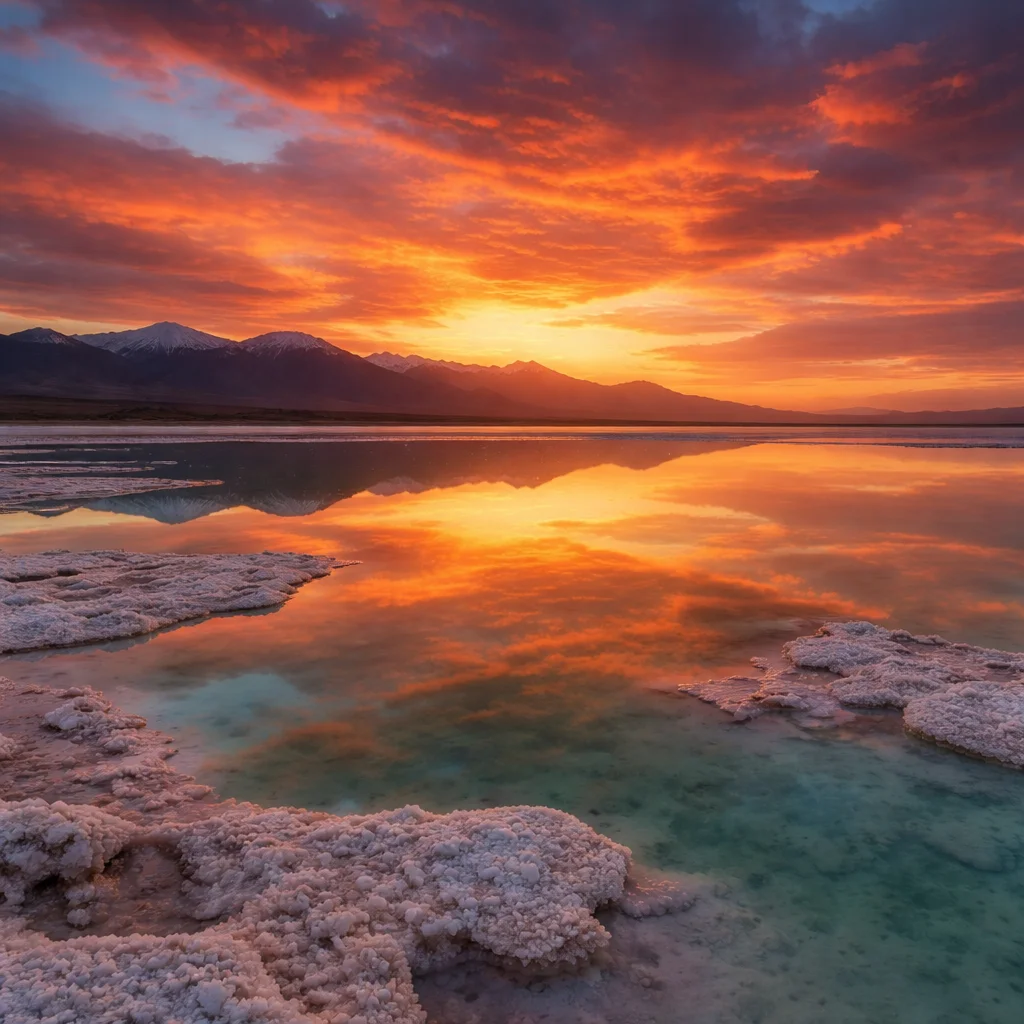
Nicknamed the “Mirror of the Sky,” this high-altitude salt lake creates surreal reflections, especially at dawn. Harvest salt crystals, meet local Tibetans, and take breathtaking photos.
Transport: Train or flight to Xining, then private car or tour.
Entry: 60 CNY (~9 USD)
Best time: Summer and autumn - Tianmen Mountain, Hunan
Known for its natural “Heaven’s Gate” arch and glass skywalks, Tianmen has jaw-dropping views with fewer crowds than the main Zhangjiajie forest park.
Entry: 258 CNY (~39 USD), cable car extra
Best time: Spring and autumn - Kaili and Miao Villages, Guizhou
A patchwork of minority villages famous for embroidery, silver jewelry, and lively festivals. Experience authentic Miao culture and rural hospitality.
Transport: Fly to Guiyang, then bus/private tour.
Costs: Village entry is usually free, but guided tours add value.
Best time: Festival season (late spring) - Deqin & Meili Snow Mountain, Yunnan
In this remote Tibetan region, you’ll trek to sacred peaks like Kawa Karpo and explore prayer-flag-draped monasteries. The landscapes and spirituality are profound.
Transport: Fly/train to Lijiang, transfer to Deqin by road.
Requirements: Some treks require local guides/permits.
Best time: April–October - Langzhong Ancient City, Sichuan
One of China’s best-preserved walled towns with Ming/Qing architecture, cobbled lanes, and historic tea houses.
Transport: Train or bus from Chengdu.
Entry: Free to wander, small fees for some museums/temples
Best time: Spring, autumn - Hulunbuir Grasslands, Inner Mongolia
These endless grasslands are the heartland of Mongolian nomadic culture. Ride horses, stay in yurts, and catch the colorful Naadam festival.
Transport: Fly to Hailar, then local tour or bus.
Costs: Grassland tours vary; budget for accommodation and activities.
Best time: June–September
For more inside perspectives from long-term expats and students, see the local recommendations collected by China Daily.

Getting There, Costs, and When to Go
China’s bullet trains and domestic flights make regional travel easier than ever. However, reaching these hidden gems usually means at least one transfer—sometimes more. Here’s what to expect:
- Trains: Bullet trains connect major cities (e.g., Beijing–Datong in 2.5 hours). For remote areas, expect slower local trains or transfers at regional hubs.
- Flights: Many provincial airports (e.g., Zhangjiajie, Lijiang, Xining, Hailar) have direct flights from major cities. Book ahead for best prices (300–1500 CNY or 45–220 USD one-way depending on distance and season).
- Local transport: Buses, taxis, or private drivers are common for the last leg, especially in mountainous or rural regions.
Best times to visit:
- Spring (March–May): Flowers bloom, weather is mild—perfect for mountains and ancient towns.
- Summer (June–August): High-altitude areas (Qinghai, Inner Mongolia) are lush, but lowland destinations can be hot/rainy.
- Autumn (September–November): Clear skies, colorful foliage, ideal for hiking and outdoor adventures.
- Winter (December–February): Some sites (e.g., Zhangjiajie) offer magical snowy scenes, but access may be limited by weather.
Entry fees and typical costs: See the table below for a quick comparison. Most scenic sites charge modest entry fees; local guesthouses range from 100–400 CNY/night (15–60 USD), with prices higher in peak season or for premium views.
Cultural Etiquette and Travel Tips
Venturing into less-touristed China means closer encounters with local communities and customs—especially in ethnic minority areas. Here are tips to help you avoid faux pas and enrich your experience:
- Greetings: A polite nod or “nǐ hǎo” (你好) is always appropriate. Handshakes are common in cities, less so in rural villages.
- Dining: Wait for your host to begin eating or drinking before you start. Don’t stick chopsticks upright in rice—it’s considered bad luck.
- Gift-giving: Small gifts (local snacks, souvenirs from your home) are appreciated. Avoid clocks or sharp objects, which symbolize bad luck.
- Dress: Modesty is valued, especially in sacred or rural sites. Cover shoulders and knees when visiting temples or minority villages.
- Photography: Always ask permission before photographing people, especially in minority areas or during rituals.
- Language: English is rare outside tourist hotspots. Download offline translation tools (such as those discussed in our Chinese language guide) and learn a few key Mandarin phrases.
For a deeper dive into the art and history found in these regions, our post on Chinese porcelain and ceramics gives context for many artifacts you’ll see along your journey.
Digital Life, Transportation, and Practicalities
China’s digital ecosystem is unique—and sometimes challenging—for international travelers. Here’s how to avoid common pitfalls:
- Payments: WeChat and Alipay dominate, but setup can be tricky for foreigners. See our Digital Life in China guide for the latest step-by-step instructions.
- VPNs: Many Western websites and apps are blocked. Install a VPN before you arrive (providers change frequently; check recent expat forums for up-to-date recommendations).
- Transport apps: DiDi works in most cities for ride-hailing. For trains and flights, Ctrip and Trip.com support English and international payments.
- Connectivity: Rural areas have patchy Wi-Fi and 4G. Consider buying a Chinese SIM card at the airport.
Comparison Table: Hidden Gems in China
| Destination | Entry Fee (CNY/USD) | Main Transport | Best Season | Unique Feature |
|---|---|---|---|---|
| Tianzi Mountains | 248 / 37 | Flight/train to Zhangjiajie + local bus | Spring, Autumn | Misty sandstone peaks, spring flowers |
| Wulingyuan & Yellow Dragon Cave | 225 / 34; 90 / 13 | Same as Tianzi | Spring–Autumn | Karst caves, rivers, canyons |
| Tiger Leaping Gorge | 65 / 10 (permit) | Fly/train to Lijiang + bus | Apr–Jun, Sep–Nov | Deep canyon trek, Naxi hospitality |
| Datong Hanging Temple & Grottoes | 90 / 13; 120 / 18 | Train from Beijing + taxi | Spring, Autumn | Cliff temple, Buddhist carvings |
| Chaka Salt Lake | 60 / 9 | Fly/train to Xining + car | Summer, Autumn | Salt flat reflections, Tibetan culture |
| Tianmen Mountain | 258 / 39 | Same as Zhangjiajie | Spring, Autumn | Heaven’s Gate arch, glass skywalk |
| Kaili & Miao Villages | Free/tour | Fly to Guiyang + bus | Late Spring | Miao festivals, embroidery |
| Deqin & Meili Snow Mountain | Varies (permits) | Fly/train to Lijiang + road | Apr–Oct | Tibetan monasteries, sacred peaks |
| Langzhong Ancient City | Free/small fees | Train/bus from Chengdu | Spring, Autumn | Walled city, tea houses |
| Hulunbuir Grasslands | Varies by tour | Fly to Hailar + local | Jun–Sep | Nomadic culture, horse riding |
All prices are approximate and based on 2025–2026 sources, including Panda Tours Log and expat-travel reports.
Key Takeaways
Key Takeaways:
- China’s hidden gems offer world-class scenery and culture—often without the crowds or high costs of big-ticket sites.
- Expect at least one transfer (flight or train + local transport) to reach most off-the-beaten-path places.
- Respect local customs: learn some Mandarin, understand etiquette, and dress appropriately.
- Prepare for digital differences: set up WeChat/Alipay and a VPN before arrival.
- Plan around seasons: spring and autumn are ideal for most regions, but some sites shine in summer or winter.
Traveling beyond China’s tourist hotspots is a challenge—but one that rewards you with authentic encounters, silent dawn vistas, and stories you’ll never forget. For deeper historical context on China’s world-changing innovations and Silk Road heritage, see our guides to The Four Great Inventions and the Silk Road’s enduring impact.
Ready to craft your own adventure? Use this guide as your launchpad—then start exploring the real China.