

Key Takeaways:
- Only a few Spanish & English-speaking countries offer a clear digital nomad-to-citizenship path: Spain, Portugal, Mexico, Costa Rica, Italy.
- Income requirements and bureaucracy vary widely—always check your consulate’s latest checklist.
- Language proficiency (A2–B1) is required for citizenship in all five countries.
- Tax residency, health insurance, and document apostilles are recurring hurdles.
- Legal fees and cost of living can add thousands to your first-year budget.
- For a practical overview of all digital nomad visa options, see our earlier research post.
Why Citizenship Pathways Matter for Digital Nomads
Many digital nomads start out seeking a one-year lifestyle change, but as remote work becomes mainstream, more are looking for long-term security: permanent residency, family stability, and ultimately a second passport. However, not all digital nomad visas are created equal. Some (like Malta or Barbados) are short-term solutions with no pathway to PR or citizenship. If your goal is to build a new life—buy property, access public healthcare, or even vote—choose a destination with a transparent, achievable naturalization track.

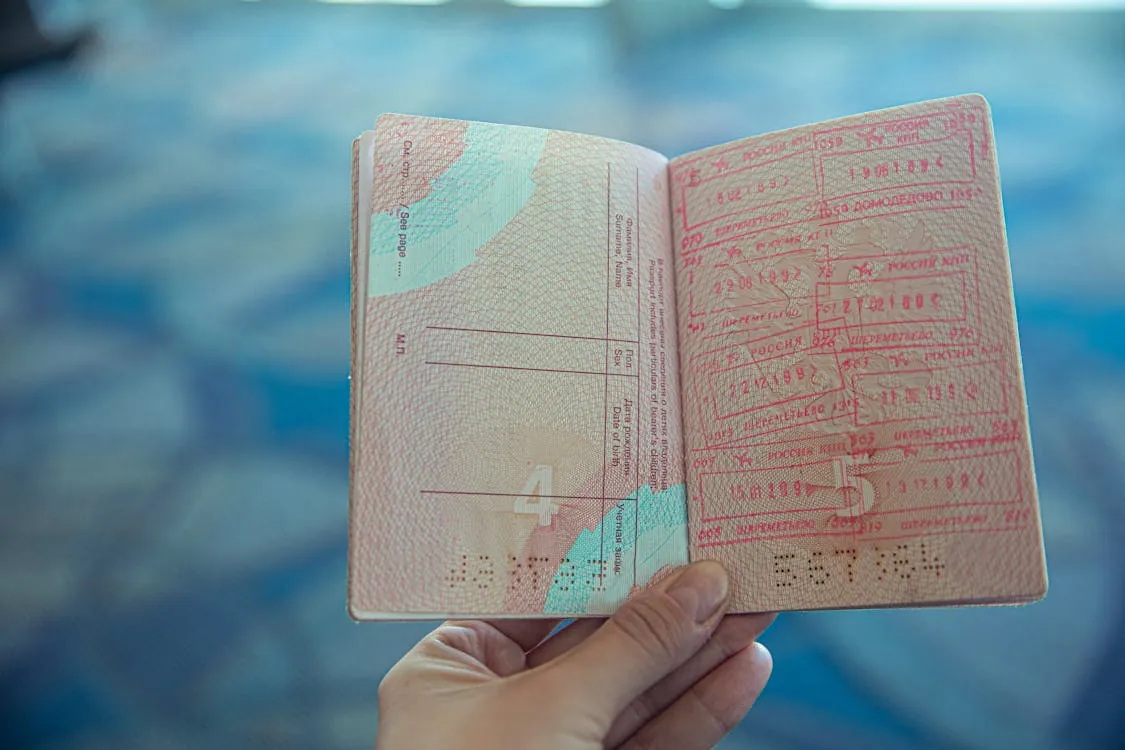
Below, we deep-dive into the five countries (Spain, Portugal, Mexico, Costa Rica, Italy) that, according to multiple research sources, offer a confirmed path from digital nomad visa to permanent residency and then citizenship, with realistic requirements for 2026.
Comparison Table: Digital Nomad Visas with Citizenship Paths
| Country | Visa Name | Min. Income / Month | Initial Duration | Renewal | PR Timeline | Citizenship Timeline | Language Requirement | Source |
|---|---|---|---|---|---|---|---|---|
| Spain | Visado para Teletrabajadores | €2,850 | 1 yr | Yes, up to 5 yrs | 5 yrs | 10 yrs (2 for LatAm) | Spanish A2 | Sesame Disk |
| Portugal | D8 Remote Work Visa | €3,680 | 1–2 yrs | Yes, up to 5 yrs | 5 yrs | 5 yrs | Portuguese A2 | Sesame Disk |
| Mexico | Temporary Resident Visa | $2,600 | 1 yr | Yes, up to 4 yrs | 4–5 yrs | 5 yrs total | Spanish basic | Sesame Disk |
| Costa Rica | Rentista/Remote Worker | $3,000 | 1–2 yrs | Yes, up to 4 yrs | 3 yrs | 7 yrs PR | Spanish basic | Sesame Disk |
| Italy | Visto per Lavoratore da Remoto | €2,500 | 1 yr | Yes, annually | 5 yrs | 10 yrs | Italian B1 | Sesame Disk |
Spain: Digital Nomad Visa to Citizenship
Spain’s digital nomad visa, launched under its Startup Act, is one of the most robust in Europe for non-EU/EEA citizens. It is open to remote employees and freelancers, with a minimum income of €2,850/month. The initial visa is valid for 1 year and renewable up to 5 years, after which you can apply for permanent residency. Spanish citizenship is possible after 10 years (or only 2 years for Latin Americans and a few other groups).
 One cloud drive your whole global team can actually access. Sesame Disk by NiHao Cloud From $4/mo — unlimited on-demand storage, no VPN required, even in China.
Step-by-Step Example: Spain’s Pathway
# Spain Digital Nomad Visa Application (2026)
- Gather: valid passport, remote work proof, private health insurance, criminal record check (apostilled), income proofs (6 months), application form
- Book consulate appointment online
- Submit documents and biometric data
- Wait 1–3 months for approval
- Upon arrival, register with local authorities and exchange for TIE card
- Renew annually, maintain income and insurance
- After 5 years, apply for permanent residency
- After 10 years (or 2 if eligible), apply for citizenship (DELE A2 + CCSE exams required)
Costs: Visa: €60–80, legal fees: €500–900, health insurance: €600–1,200/year, cost of living: €1,000–1,500/month (higher in Madrid/Barcelona). See our prior guide for more tips.
Tax and Integration Tips: Spain offers the “Beckham Law” (24% flat tax for some foreigners), but you’ll be taxed as a resident on worldwide income after PR. Spanish A2 language test and a cultural exam (CCSE) are required for citizenship. Social etiquette—such as formal greetings—matters in government offices and daily life.
Portugal: D8 Remote Work Visa to Citizenship
Portugal’s D8 visa is famous for its simplicity and Schengen freedom. Minimum income is €3,680/month, with a 1–2 year visa renewable up to 5 years. Permanent residency and citizenship are both possible after 5 years (with A2-level Portuguese exam).
Real-World Example: Portugal’s D8 Visa
# Portugal D8 Visa Application Example
- Collect: passport, proof of remote income, work contract, health insurance, accommodation proof, criminal record check
- Submit to Portuguese consulate or SEF in Portugal
- Initial approval: 1–2 months
- After 5 years, apply for permanent residency (and citizenship)
- Must pass A2 Portuguese language exam for citizenship
Costs: Visa: €90, legal: €500–800, health insurance: €600–960/year, living: €900–1,400/month (Lisbon/Porto higher).
Tax and Integration: Non-habitual resident scheme may offer 0% tax on some foreign income for up to 10 years. English is widely spoken in cities, but Portuguese is essential for citizenship and deeper integration.
Mexico: Temporary Resident Visa to Citizenship
Mexico’s Temporary Resident Visa is popular with North Americans. Minimum income: $2,600/month or $43,000 in savings. Initial visa lasts 1 year, renewable up to 4 years. Afterward, you can become a permanent resident. Citizenship is possible after 5 years total residency, with basic Spanish and local integration required.
Sample Visa Process: Mexican Route
# Mexico Temporary Resident Visa
- Gather: passport, income/savings proof, application form, photos, (sometimes) health insurance, address in Mexico
- Apply at Mexican consulate (processing: 1–3 weeks)
- On arrival: exchange for resident card
- Renew up to 4 years
- Apply for PR after 4 years
- Apply for citizenship after 5 years as PR (basic Spanish needed)
Costs: Visa: $36, resident card: $200, legal: $300–700, health insurance: $30–100/month, cost of living: $700–1,200/month.
Tax: Foreign income is not taxed unless you become a tax resident (over 183 days/year). PRs and citizens are taxed on worldwide income. Bureaucracy varies by consulate, so compare locations for easier processing.
Costa Rica: Remote Worker/Rentista Visa to Citizenship
Costa Rica’s “Rentista” or Remote Worker Visa requires $3,000/month income or $60,000 savings. The initial visa is 1–2 years, renewable up to 4 years; PR is available after just 3 years. Citizenship is available after 7 years as a PR (total about 10 years), with basic Spanish required for naturalization.
Cost Breakdown: Visa: $60–150, legal: $500–900, health: $40–100/month, living: $900–1,500/month (beach zones higher).
Tax: Foreign income is not taxed if you are not a tax resident. Spanish is essential for integration—patience with bureaucracy and the “pura vida” pace is key.
Italy: Remote Worker Visa to Citizenship
Italy’s digital nomad visa (Visto per Lavoratore da Remoto) is newer but confirmed as a valid path to PR and citizenship. Income: €2,500/month. Visa: 1 year, renewable annually. PR after 5 years; citizenship after 10 years. B1 Italian proficiency and integration proof required.
Costs: Visa: €116, legal: €400–800, health: €600–1,200/year, living: €1,000–1,600/month (cities higher).
Tax: All residents taxed on worldwide income. Italian B1 exam is mandatory for citizenship. Bureaucracy can be slow; professional legal help is common.
Pathways Diagram: From Nomad Visa to Passport
Below is a visual summary of the digital nomad visa-to-citizenship process in each country:
Pros and Cons: Which Country is Right for You?
| Country | Pros | Cons |
|---|---|---|
| Spain | EU access, world-class healthcare, fast PR for LatAm, rich culture | Strict documentation, slow bureaucracy, language test |
| Portugal | Schengen freedom, friendly admin, 5-yr citizenship, tax perks | Rising costs in cities, Portuguese exam needed |
| Mexico | Low cost, proximity to US/Canada, diverse lifestyle, straightforward PR | Consulate-by-consulate inconsistency, basic Spanish required |
| Costa Rica | Nature, expat support, fast PR (3 yrs) | High beach-area costs, “pura vida” pace, Spanish needed |
| Italy | Culture, EU travel, formal PR/citizenship route | Slow process, higher costs, B1 Italian exam |
Final Tips, Pitfalls, and Resources
- Always double-check the latest government info; consulate rules and tax laws change quickly (see Immigrant Invest for up-to-date details).
- Bring both digital and printed copies of all documents. Many consulates and local offices are still paper-centric.
- Expect language barriers: invest early in language learning apps or classes for integration and exam success.
- Legal and tax advisors are not mandatory but often save money and headaches, especially for PR and citizenship stages.
- For a broader comparison of digital nomad visa requirements, durations, and renewal rules, see our previous analysis.
- For practical living tips—taxes, etiquette, internet, and daily realities—explore the detailed guide here.
Sample Document Structure for Your Application
nomad-visa-files/
  01-passport/
  02-application-form/
  03-bank-statements-last-6-months/
  04-employer-letter-or-client-contracts/
  05-health-insurance/
  06-criminal-record-check/
  07-apostille-or-legalization/
  08-photos/
  09-accommodation-plan/
  10-printed-backups/
# Pro tip: Keep scanned PDFs and originals with you for consulate and immigration visits.
References & Further Reading
- Best Digital Nomad Visas in Spanish & English Countries 2026 (Sesame Disk)
- Comparison of Key Features: Digital Nomad Visas & Citizenship Paths
- Immigrant Invest: Digital Nomad Visa Blog (2026)
Choosing a digital nomad visa is no longer just about the easiest entry or best weather—it is about building a stable, legal, and prosperous future. Plan carefully, and let your next destination become your new home.
Sources and References
This article was researched using a combination of primary and supplementary sources:
Primary Source
This is the main subject of the article. The post analyzes and explains concepts from this source.