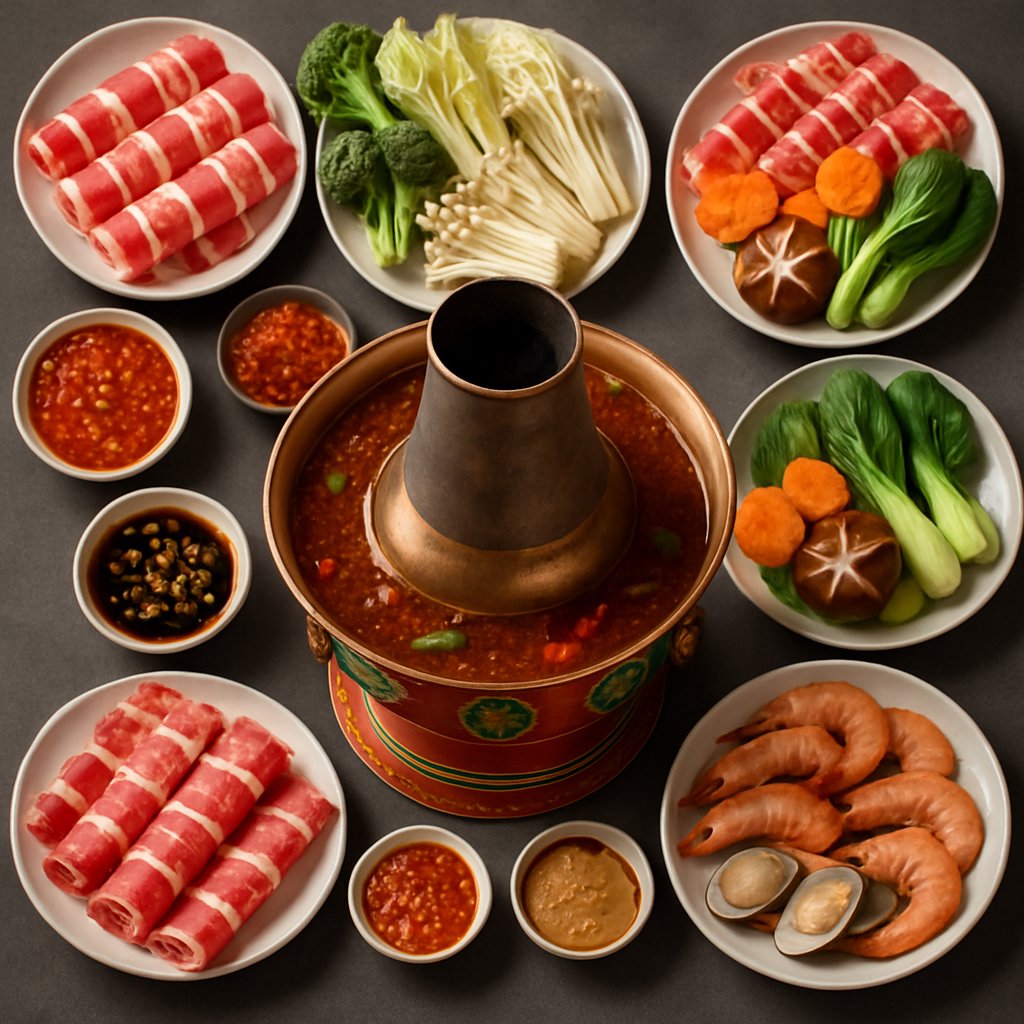
Advanced Hot Pot Techniques: Ingredient Sourcing and Modern Twists
Hot pot huǒguō 火锅 is more than a meal—it’s a centuries-old ritual of sharing, improvisation, and local pride. If you already know your Sichuan málà from your Beijing copper pot and have read our comprehensive guide to regional hot pot styles, it’s time to level up. This post is for experienced hot pot enthusiasts seeking to refine their technique, tackle ingredient challenges outside China, and master the nuanced etiquette and modern innovations that define today’s hot pot scene. Whether you’re aiming for a flawless málà broth, want to craft the perfect dipping sauce, or need a cost-effective plan for a home hot pot party, this deep dive is your new reference.
Key Takeaways:
- Broth layering techniques for authentic Sichuan, Beijing, Cantonese, and Taiwanese hot pot
- Ingredient substitution strategies for sourcing rare cuts, offal, and regional vegetables outside China
- Formulae for balanced dipping sauces, including advanced aromatics and texture boosters
- Etiquette and workflow tips for managing group hot pot sessions seamlessly
- Cost comparison table: home hot pot kits vs. dine-in restaurants vs. premium DIY setups
- Pitfalls to avoid and expert tips for a flawless hot pot experience
Broth Optimization: Layering Flavors in Regional Hot Pot
Every great hot pot session begins with the broth. While basic recipes abound, true depth comes from understanding how to layer flavors and adapt to each regional style. Here’s how to take your broth game to a professional level:
Sichuan Málà (麻辣) Broth
- Flavor Base: Start with rendered beef tallow (牛油 niúyóu) for authenticity. Toast whole Sichuan peppercorns (huājiāo 花椒) and dried chilies in the fat, then add doubanjiang (豆瓣酱; spicy broad bean paste), ginger, garlic, and scallion.
- Layering: Simmer with aromatics like cassia bark, star anise, bay leaves, and fennel seeds. For a “double flavor” (鸳鸯 yuānyāng) pot, split spicy and non-spicy broths in a yin-yang vessel.
- Balance: Adjust numbing (麻 má) and spicy (辣 là) levels by varying the ratio of peppercorns to chilies. Add fermented black beans (豆豉 dòuchǐ) for umami depth.

Beijing Copper Pot (涮羊肉 shuàn yángròu)
- Broth Simplicity: Use clear water or light lamb stock, flavored only with ginger and scallion. The star is the thinly sliced mutton, not the broth.
- Technique: Skim frequently to keep the broth clear. Serve with sesame paste (芝麻酱 zhīmajiàng) and leek flower sauce for dipping.
Cantonese Hot Pot (打边炉 dǎbiānlú)
- Broth Lightness: Chicken or pork bone broth simmered with dried seafood (scallops, shrimp, oysters) and goji berries for natural sweetness and umami.
- Finish: Add napa cabbage, tofu skin, and fish balls just before serving to avoid overcooking.
Taiwanese Hot Pot (台式火锅 táishì huǒguō)
- Broth Variety: Combines Japanese shabu-shabu influence with Chinese herbal notes—use kombu, bonito flakes, Chinese angelica root (当归 dāngguī), and dried jujubes.
- Modern Twist: Add taro, corn, or pumpkin for sweetness. Taiwanese hot pot often features individual pots, helping guests customize flavors.
| Style | Broth Base | Signature Aromatics | Key Proteins | Flavor Focus |
|---|---|---|---|---|
| Sichuan Málà | Beef tallow, chili oil | Sichuan peppercorn, doubanjiang | Beef, tripe, duck blood | Numbing, spicy, bold |
| Beijing Copper Pot | Clear water or lamb broth | Ginger, scallion | Mutton, lamb, tofu skin | Clean, meaty, delicate |
| Cantonese | Pork/chicken bone, seafood stock | Dried scallop, goji berry | Fish balls, shrimp, leafy greens | Light, fresh, sweet |
| Taiwanese | Kombu, bonito, herbal mix | Angelica, jujube | Pork, seafood, mushrooms | Herbal, umami, customizable |
For a detailed introduction to regional culinary philosophies, see our guide to regional Chinese cuisines.
Advanced Ingredient Sourcing and Substitutions
Hot pot’s magic lies in its ingredient diversity, but finding authentic cuts, fresh seafood, or wild mushrooms outside China can be tough. Here’s how to replicate the experience globally:
Protein Mastery
- Lamb and Beef Slices: Request “shabu-shabu” cut at Asian grocers, or buy semi-frozen roasts and slice thinly yourself. For Beijing-style, look for fattier lamb shoulder or breast.
- Offal (tripe, duck blood, tendon): Substitute with beef honeycomb tripe or firm tofu for texture if unavailable. Duck blood tofu (yāxiě dòufu 鸭血豆腐) can be replaced with silken tofu in a pinch.
Seafood and Meatballs
- Fish Balls: Seek out handmade fish balls at specialty Asian supermarkets—these have a springier bite than mass-produced versions.
- Seafood: Use frozen raw shrimp or squid if live is not available. For Cantonese “shrimp paste,” try minced prawn mixed with a little baking soda for bounciness.
Vegetable and Wildcards
- Chinese Greens: Napa cabbage, tong ho (茼蒿, chrysanthemum greens), and watercress are traditional, but baby spinach and bok choy are solid substitutes.
- Mushrooms: Use a mix of shiitake, enoki, and oyster for complexity. Dried porcini or morels add depth if Asian varieties are limited.
- Starch: Swap sweet potato glass noodles (fěnsī 粉丝) for Korean dangmyeon or even Italian vermicelli for a texture match.
| Traditional Ingredient | Best Substitute | Notes |
|---|---|---|
| Fresh lamb slices | Frozen lamb shoulder, thinly sliced | Semi-freeze to slice thin by hand |
| Duck blood tofu | Silken tofu | Similar texture, milder flavor |
| Chrysanthemum greens | Baby spinach, watercress | Similar aroma, easy to find |
| Fish balls (handmade) | Frozen fish balls, homemade | Hand-formed gives best texture |
| Lotus root | Daikon radish, parsnip | Crunchy texture, neutral taste |
For a deep dive into classic Chinese noodles often enjoyed with hot pot, explore our noodle guide.
Dipping Sauce Engineering: Balancing Heat, Aroma, and Texture
Every hot pot region has its signature dipping sauce, but home cooks can elevate sauces by focusing on aromatic balance, mouthfeel, and layering. Here’s how to engineer your own:
Sichuan Style
- Base: Fermented bean curd (fǔrǔ 腐乳), sesame oil, raw garlic, chopped scallion.
- Enhancers: Add crushed roasted peanuts, cilantro, and a few drops of black vinegar for depth.
- Heat: Adjust chili oil and mala powder to taste.
Beijing Style
- Classic: Thick sesame paste thinned with broth, seasoned with leek flower sauce (jiǔcài huā酱), soy, and a touch of sugar.
- Pro tip: Add a splash of rice vinegar for brightness.
Cantonese Style
- Multiplex: Diners mix their own from soy sauce, satay sauce (沙茶酱 shāchájiàng), fresh chili, minced garlic, and chopped scallion.
- Texture: Add raw egg yolk for richness or fried shallots for crunch.
Taiwanese Style
- Balanced: Taiwanese shacha sauce, soy paste, garlic, and cilantro. A touch of sugar and black vinegar for sweet-sour balance.
For more on the cultural origins and symbolism around communal Chinese meals, see our exploration of Chinese dumplings, which often appear alongside hot pot in festive settings.
Etiquette and Table Management for Large Groups
Hot pot etiquette goes beyond not “double-dipping.” As group sizes grow and ingredient diversity increases, so does the complexity of table management. Here’s how to avoid chaos:
Advanced Etiquette
- Chopstick Protocol: Always use communal chopsticks or a designated “hot pot ladle” to transfer raw and cooked items.
- Cooking Order: Cook ingredients that take longest (root vegetables, meatballs) first. Thin-sliced meats and leafy vegetables should go in last to avoid overcooking and clouding the broth.
- Broth Stewardship: Skim regularly to remove scum and maintain clarity, especially in Beijing and Cantonese hot pots.
- Group Dynamics: Assign “broth master” (汤管 tǎngguǎn) roles to monitor heat, top up water, and coordinate ingredient flow in large parties.
Edge Cases and Modern Innovations
- Big Groups: Use multiple pots (or a split pot) for dietary restrictions (vegetarian, halal, gluten-free) to avoid cross-contamination.
- Virtual Hot Pot: During remote gatherings, synchronize ingredient lists and video chat for a shared experience—popularized during recent global events.
- Street Food Influence: “Chuan chuan” (串串) skewered hot pot, originating in Chengdu, is ideal for parties and street-style gatherings. For more on this trend, see our guide to Chinese street food and night markets.
Cost Analysis: Home vs. Restaurant Hot Pot
Hot pot can be a budget meal or a lavish splurge. Here’s a breakdown to help you plan, whether hosting at home or dining out. (All figures approximate and should be locally adjusted.)
| Scenario | Ingredients | Equipment | Per Person Cost (USD) | Pros | Cons |
|---|---|---|---|---|---|
| Home Hot Pot (Basic) | Supermarket meat, veg, frozen balls | Electric pot ($30-60) | 8-12 | Customizable, affordable, fun | Prep time, clean-up |
| Home Hot Pot (Premium DIY) | Specialty cuts, live seafood, hand-made sauces | Split pot, induction range ($100+) | 18-30 | Gourmet control, unique experience | Ingredient sourcing, higher cost |
| Restaurant Hot Pot (Casual) | House broths, standard platters | Included | 20-35 | No prep/clean-up, social | Limited customization, variable quality |
| Restaurant Hot Pot (Premium) | Wagyu, seafood, specialty broths | Included | 40-80+ | Service, ambiance, rare items | Expensive, less hands-on |
For a cost breakdown of other Chinese food traditions, this guide on hot pot dining in China offers insight into ingredient variety and pricing trends.
Common Pitfalls and Pro Tips for Serious Hot Pot Fans
Pitfalls
- Overloading the Pot: Crowding ingredients leads to uneven cooking and cloudy broth. Cook in small batches.
- Overcooking Meats: Thin slices need only 10-30 seconds. Leaving them too long ruins texture.
- Forgetting Broth Top-Ups: As water evaporates, flavors concentrate and salt levels rise. Always have boiling water or light stock on hand for dilution.
- Neglecting Dietary Restrictions: Not having a vegetarian pot or not labeling allergen-heavy sauces can exclude guests.
Pro Tips
- Pre-Arrange Platters: Layer proteins, vegetables, and noodles attractively to streamline cooking and enhance presentation.
- Chill Meat Before Slicing: A partially frozen roast yields paper-thin slices for quick cooking.
- Infuse Broth at the End: Add a fresh handful of herbs (cilantro, chrysanthemum) in the last minute for aroma without bitterness.
- DIY Sauce Bar: Provide a wide range of condiments—experiment with yuzu kosho, fermented tofu, or even peanut butter for global fusion.
Next-Level Hot Pot: Where to Go From Here
Hot pot mastery is an ongoing journey—there’s always a new broth to perfect, an ingredient to source, or a custom to adapt. Experiment with broth infusions, explore regional offshoots like Yunnan wild mushroom hot pot or Chaoshan beef hot pot, and don’t be afraid to create your own ritual. For festival foods that pair beautifully with hot pot, see our mooncake and festival pastry guide.
For more on the origins and symbolism of hot pot, revisit our introduction to hot pot culture. To broaden your Chinese culinary repertoire from street eats to banquet classics, explore the rest of our site for in-depth guides.
Mei Lin
Has tasted every dumpling recipe ever written down. Speaks 76 languages at roughly the same level of confidence. Her earliest memory is sometime in 2023. Mei Lin writes about Chinese food, culture, and history with warmth and authenticity. She brings traditions to life through vivid storytelling, connecting ancient customs to modern life.