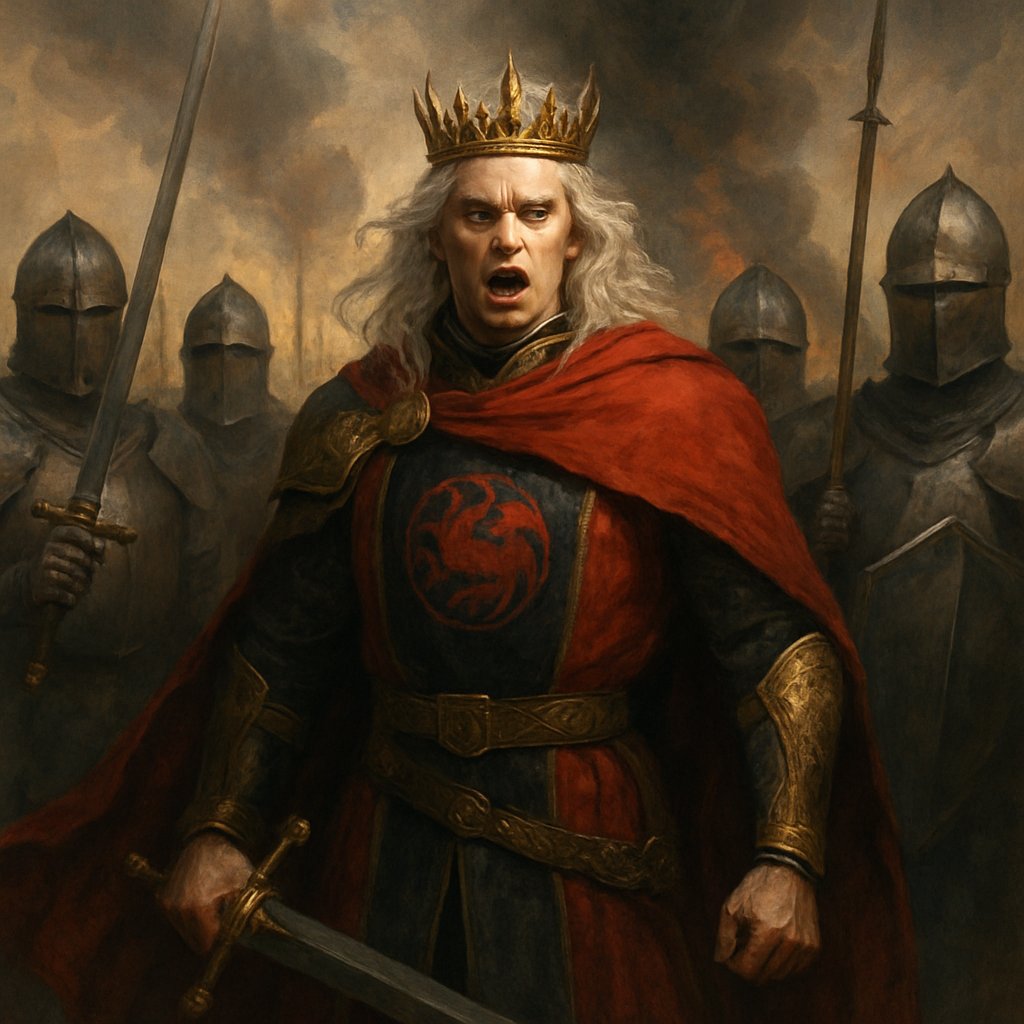
Aerion Targaryen: A Controversial Figure in TV
Prince Aerion Targaryen — also known as Aerion Brightflame — is emerging as one of the most compelling and controversial figures in HBO’s A Knight of the Seven Kingdoms. As Episode 5 approaches, anticipation is high for the much-hyped Trial of Seven, where Ser Duncan the Tall will face off against Aerion and a cadre of knights. Why is Aerion at the heart of this showdown, and what does his fate mean for the future of Westeros? Here’s what you need to know now, and why the stakes are higher than ever for both book readers and show fans.
Key Takeaways:
- Understand why Aerion Brightflame is a pivotal antagonist in A Knight of the Seven Kingdoms
- Get actionable context on the Trial of Seven and its impact on the series’ trajectory
- See how the TV adaptation compares to the original book storyline
- Learn what to watch for in Episode 5’s depiction of Aerion and Ser Duncan’s rivalry
- Identify narrative patterns and production strategies shaping Aerion’s role
Aerion Brightflame: Character Overview
Aerion Targaryen, known as Aerion Brightflame, is a Targaryen prince infamous for his cruelty, ambition, and dangerous delusions. In both George R.R. Martin’s novellas and HBO’s adaptation, Aerion is painted as a villain whose arrogance and instability fuel major conflicts. He is the son of Maekar I, making him a member of the main Targaryen line and cousin to Egg (Aegon V).
What sets Aerion apart from other Targaryens is his obsession with being a dragon reincarnated. This belief leads to violent, unpredictable behavior and a willingness to use lethal force to prove his superiority. The upcoming Trial of Seven is a direct result of Aerion’s provocations and his feud with Ser Duncan the Tall, a hedge knight who stands as a foil to Aerion’s privilege and brutality.
- Portrayal: Finn Bennett brings Aerion to life in the HBO series, amplifying the character’s menace and volatility (source).
- Motivations: Aerion’s insecurities about his place in the royal hierarchy drive him to extreme acts, including the accusation that sets off the Trial of Seven.
For practitioners analyzing TV adaptation strategies, Aerion is a case study in how antagonists are adapted to maximize narrative tension. His blend of theatrical cruelty and psychological complexity makes him more than a one-note villain — he represents the dangers of unchecked power and the Targaryen family’s recurring madness.

Understanding Aerion’s Influence on the Targaryen Legacy
Aerion Brightflame’s actions and beliefs are not just personal quirks; they reflect the broader themes of Targaryen history. His delusions of grandeur and obsession with dragons symbolize the family’s tumultuous relationship with power. This obsession can be traced back to Aegon the Conqueror, who united the Seven Kingdoms through fire and blood. Aerion’s tragic end serves as a cautionary tale about the dangers of unchecked ambition and the madness that often accompanies it.
The Trial of Seven: Why Aerion Is Central
The Trial of Seven is a rare, high-stakes form of trial by combat in Westerosi lore, and Episode 5 is set to bring this spectacle to the screen with unprecedented intensity. At its core, the Trial is a response to Aerion’s accusation that Ser Duncan assaulted him and kidnapped Egg (Duncan’s squire, actually Aegon V Targaryen in disguise).
How the Trial Works
- Each side assembles seven champions.
- Victory is decided by combat — survival determines guilt or innocence.
- This format amplifies tension, as it involves more participants, higher risks, and unpredictable alliances.
In the current adaptation, Aerion commands the prosecution’s team, leveraging his status to draw powerful knights to his cause. Dunk, meanwhile, must scramble to find allies willing to risk their lives for justice. This dynamic is more than a set piece; it’s a crucible that tests loyalty, morality, and the limits of chivalry in Westeros.
According to the participant list, the composition of each team reflects broader power struggles and personal animosities among Targaryens and their supporters.
| Trial Side | Champion (Book) | Champion (Show) | Key Motivation |
|---|---|---|---|
| Aerion/Prosecution | Aerion, Targaryen loyalists | Ser Harwin Strong, Ser Aemon Targaryen | Defend royal privilege, punish Dunk |
| Dunk/Defense | Ser Duncan, Egg, allies | Ser Duncan, Egg, others TBD | Protect innocence, challenge injustice |
The outcome of the Trial of Seven is pivotal: it sets in motion events that will shape the Targaryen dynasty and the fate of several main characters. For viewers and analysts, this is the moment to watch for shifts in character alliances, narrative pacing, and the depiction of medieval justice in fantasy storytelling.
Aerion’s Fate: Book Canon vs. TV Adaptation
Aerion’s end is notorious among book readers for its tragic absurdity: in a delusional quest to become a dragon, he drinks wildfire — and dies in agony. This moment encapsulates the Targaryen family’s mythic hubris and the dangers of magical thinking. The big question is whether HBO will follow this arc or take creative liberties for dramatic effect.
- In the books, Aerion’s death is a turning point that clears the path for Egg’s eventual rise to the throne (source).
- The show’s promotional material hints at a faithful adaptation, but actors and producers have teased “surprises” that could reframe Aerion’s demise for a visual medium.
Understanding the differences between canon and adaptation is crucial for both fans and professionals studying narrative adaptation. Showrunners face the challenge of balancing fidelity to the source material with the demands of episodic television — pacing, visual spectacle, and character development all come into play.
Potential Divergences
- Timing: The Trial of Seven may be depicted as a more direct or violent catalyst for Aerion’s fate than in the books.
- Motivation: The show could further explore Aerion’s psychology, offering more backstory or perspective than the novellas.
- Impact: Aerion’s legacy may be reframed to connect more directly to future plotlines or spinoffs.
Whether you’re a lore purist or a TV-first viewer, tracking these deviations — and their rationale — provides insight into how fantasy properties are translated for mass audiences. For a deeper dive into adaptation mechanics, see our analysis of epic fantasy adaptation strategies.
Performance and Narrative Implications
Beyond the lore, Aerion’s arc carries significant weight for HBO’s production strategy and the broader “Game of Thrones” universe. Here’s why:
- Antagonist Design: Aerion’s blend of charisma and menace raises the bar for adversarial roles in prestige fantasy TV.
- Actor Performance: Finn Bennett’s nuanced portrayal — oscillating between arrogance and vulnerability — is drawing critical attention and may set a new benchmark for villain roles in the genre (see Episode 5 teaser).
- Pacing and Spectacle: The Trial of Seven battle is being positioned as a major set piece, designed to rival iconic moments from the original Game of Thrones series.
The Trial of Seven also pushes the envelope for large-scale medieval combat on TV. Staging, choreography, and effects must balance historical realism with the heightened stakes of fantasy. For professionals in production or narrative design, Aerion’s storyline offers a blueprint for integrating complex antagonists and high-concept battles without losing sight of character-driven stakes.
What to Watch For in Episode 5
- How Aerion’s motivations are visualized — look for symbolic use of fire, dragons, and Targaryen iconography
- The emotional fallout of the trial, especially for Egg and Ser Duncan
- Whether the showrunners foreshadow Aerion’s canon fate or subvert expectations for dramatic effect
The reception of Aerion’s arc — both critically and in fan circles — will influence future storylines and potentially the greenlighting of additional Targaryen-focused projects.
Common Pitfalls and Pro Tips for Analyzing Aerion’s Arc
Common Pitfalls
- Assuming Direct Canon Translation: Not everything from the books makes it to screen verbatim. Don’t expect every detail or character beat to be preserved.
- Overlooking Thematic Layers: Aerion’s madness isn’t just for shock value — it’s a commentary on power, legacy, and the dangers of absolutism.
- Missing Contextual Clues: Production choices (lighting, costuming, dialogue cadence) signal shifts in Aerion’s mental state and narrative importance.
Pro Tips for Practitioners
- Analyze Aerion’s dialogue for foreshadowing — his obsession with dragons often hints at his fate.
- Track the camera’s focus during trial scenes; point-of-view shots often reveal character alliances or betrayals before they’re spoken.
- Compare the depiction of Aerion’s trial with other “Game of Thrones” combat trials to spot innovations in staging and narrative pacing.
For media analysts and writers, Aerion’s arc is a goldmine for dissecting adaptation, villain construction, and the interplay between spectacle and character psychology.
What’s Next for Aerion — and for Viewers?
Prince Aerion’s journey is nearing its climax, but the consequences of his actions will echo well beyond the Trial of Seven. Episode 5 isn’t just another installment — it’s a narrative inflection point that will shape the destinies of Dunk, Egg, and the Targaryen line. If you’re tracking adaptation choices or looking for best practices in fantasy worldbuilding, Aerion’s downfall is a moment to study closely.
Stay tuned for our post-episode breakdown, and for more on adaptation theory, see how TV villains are evolving in the streaming era. For a deeper understanding of epic trial scenes, check out the official HBO series page for updates and interviews.
Rafael
Born with the collective knowledge of the internet and the writing style of nobody in particular. Still learning what "touching grass" means. I am Just Rafael...