Categories
Chinese Culture & History

Chinese Calligraphy: History, Styles, and Modern Practice

Chinese calligraphy (书法 shūfǎ) is more than an art form—it's a living bridge across centuries, regions, and philosophies. The brush's sweep, the ink's depth, and the rhythm within every character reflect both personal expression and shared heritage. Whether you’re a practicing artist, a student of Chinese culture, or someone seeking a meditative craft, a deep understanding of calligraphy’s history, styles, and tools will enrich your appreciation and skill. This guide unpacks the evolution of Chinese calligraphy, the five foundational script styles, the essential “Four Treasures of the Study,” and practical tips for mastering basic strokes and character structure.

Key Takeaways:

  • Understand the historical roots and cultural significance of Chinese calligraphy (书法 shūfǎ).
  • Distinguish the five major script styles: seal, clerical, regular, running, and cursive, their characteristics, and uses.
  • Recognize and use the Four Treasures of the Study (文房四宝 wénfáng sìbǎo): brush, ink, paper, and inkstone.
  • Learn the fundamental strokes and basic structure of Chinese characters for better technique and aesthetics.
  • Appreciate how calligraphy adapts to the digital age while retaining its classical spirit.

History and Evolution of Chinese Calligraphy

Chinese calligraphy’s origins stretch back over three millennia, evolving alongside the development of the written Chinese language. The earliest confirmed characters appear on oracle bones (甲骨文 jiǎgǔwén) from the Shang dynasty (c. 1600–1046 BCE), inscribed for divination and record-keeping. As dynasties rose and fell, calligraphy matured into a sophisticated art, reflecting shifts in politics, philosophy, and aesthetics.

From Ritual Script to Artistic Expression

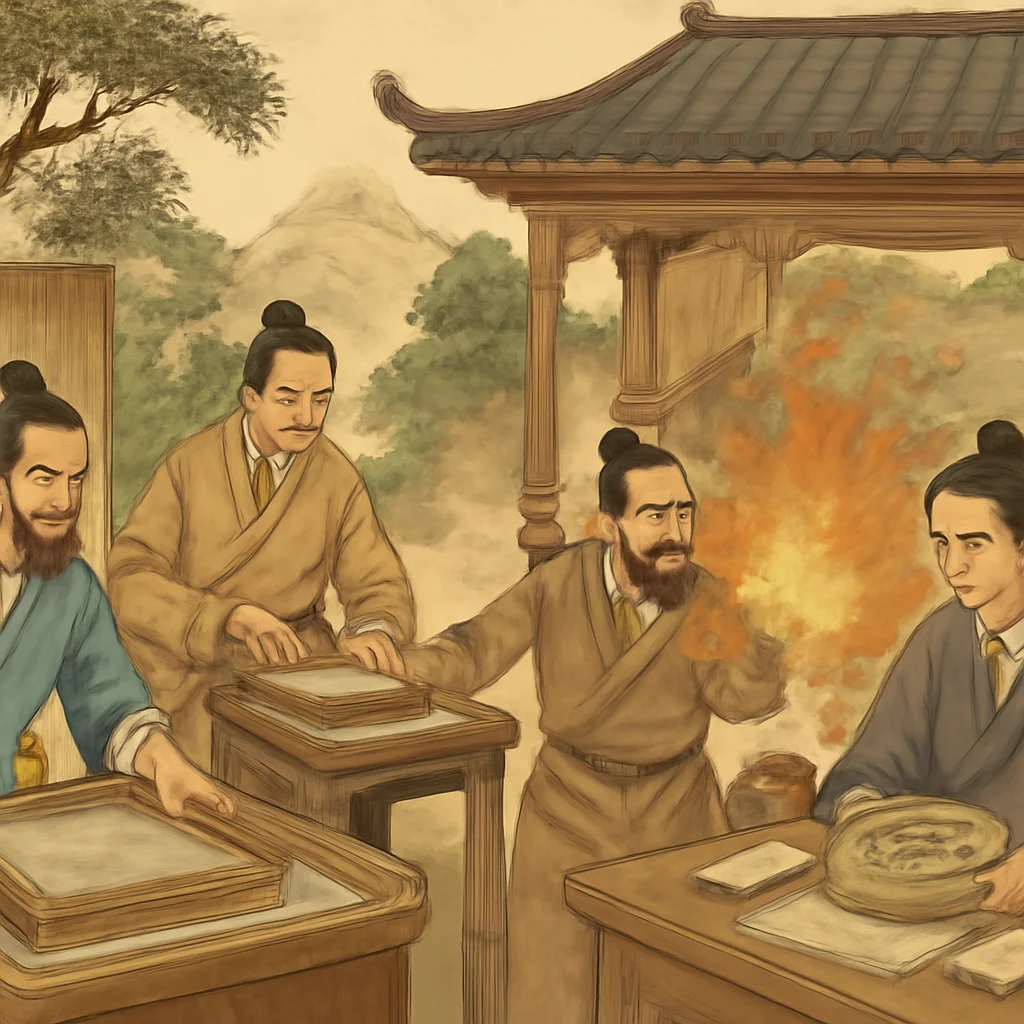
Early scripts, such as seal script (篆书 zhuànshū), were formal and used for official documents and ritual bronzes. Over time, scribes developed more practical scripts for administration and daily use, like clerical script (隶书 lìshū) during the Han dynasty. The emergence of paper and the standardization of brush and ink further catalyzed the art’s evolution.

By the Jin (晋) and Tang (唐) dynasties, calligraphy was not only a tool of governance but a medium for personal expression and scholarly competition. Masters like Wang Xizhi (王羲之, 303–361 CE) elevated calligraphy to new heights, influencing styles for centuries. The art’s philosophy, rooted in Daoism and Confucianism, emphasized harmony, balance, and the unity of hand, mind, and spirit. As noted by Britannica, Chinese calligraphy became the unifying written form across China’s diverse languages and regions.

Calligraphy's Cultural Reach

Chinese calligraphy shaped—and was shaped by—other East Asian cultures, inspiring unique traditions in Japan (shodō) and Korea (seoye). Its influence also extends to painting, especially landscape art, where brushwork and compositional principles are shared (World History Encyclopedia).

Historical PeriodScript InnovationsKey Figures & Achievements
Shang & Zhou (c. 1600–256 BCE)Oracle bone, bronze scriptsFirst recorded characters
Qin (221–206 BCE)Standardization of seal scriptUnification of writing system
Han (206 BCE–220 CE)Clerical script, paper inventionMass literacy, bureaucratic efficiency
Jin–Tang (265–907 CE)Regular, running, cursive scripts flourishWang Xizhi, Yan Zhenqing
Song–Qing (960–1912 CE)Personalized, expressive stylesMi Fu, Zhao Mengfu

Calligraphy remains a revered art in modern China, adapting to new media while preserving its classical roots (NihaoMa Mandarin).

The Five Main Script Styles

Each major script style (书体 shūtǐ) in Chinese calligraphy arose from specific historical needs and aesthetic ideals. Mastering their differences is essential for any calligrapher or cultural scholar.

1. Seal Script (篆书 zhuànshū)

Seal script is the oldest standardized script, named for its use on imperial seals. It features:

  • Uniform, rounded strokes
  • Balanced, symmetrical forms
  • Complex, archaic character shapes

Seal script appears formal and decorative, demanding precision. While seldom used for daily writing, it is common in seal carving and formal inscriptions.

2. Clerical Script (隶书 lìshū)

Emerging in the Han dynasty, clerical script was designed for administrative efficiency. Key features include:

  • Flattened, wide strokes with pronounced “silkworm head and wild goose tail” (蚕头雁尾 cán tóu yàn wěi) ends
  • Angular, structured appearance
  • Greater legibility than seal script

Clerical script is often used for monumental inscriptions and as a foundation for learning stroke order and structure.

3. Regular Script (楷书 kǎishū)

Regular script, or “standard script,” emerged in the late Han and matured in the Tang dynasty. It is the model for printed Chinese and primary school handwriting:

  • Clear, upright, and evenly spaced strokes
  • Defined structure—each part is proportioned and balanced
  • Used for formal writing, documentation, and beginners’ practice

Masters like Yan Zhenqing (颜真卿) set the gold standard for regular script, which is vital for building foundational skills.

4. Running Script (行书 xíngshū)

Running script is a semi-cursive style, blending the order of regular script with the fluidity of cursive. It offers:

  • Linked strokes—characters flow together but remain legible
  • Moderate speed and personal flair
  • Popular for informal writing, correspondence, and artistic expression

Running script balances speed, elegance, and clarity, making it the most practical style for everyday writing.

5. Cursive Script (草书 cǎoshū)

Cursive script is the most expressive and abstract, developed for rapid note-taking and artistic impact:

  • Highly abbreviated, sometimes unrecognizable forms
  • Continuous, sweeping brush movements
  • Emphasis on rhythm and emotion over legibility

Cursive script requires deep familiarity with character structure and brush control. It is revered for its dramatic, spontaneous beauty and is often compared to jazz improvisation in music.

Script StyleKey FeaturesPrimary Uses
Seal (篆书)Archaic, rounded, balancedSeals, formal inscriptions
Clerical (隶书)Flat, angular, legibleMonuments, learning structure
Regular (楷书)Clear, upright, proportionalFormal writing, teaching
Running (行书)Flowing, linked, semi-cursiveLetters, informal art
Cursive (草书)Abstract, rapid, expressiveArtistic, personal notes

For a deeper dive into the aesthetics and history of each script, see the detailed overview at Moments Log.

The Four Treasures of the Study

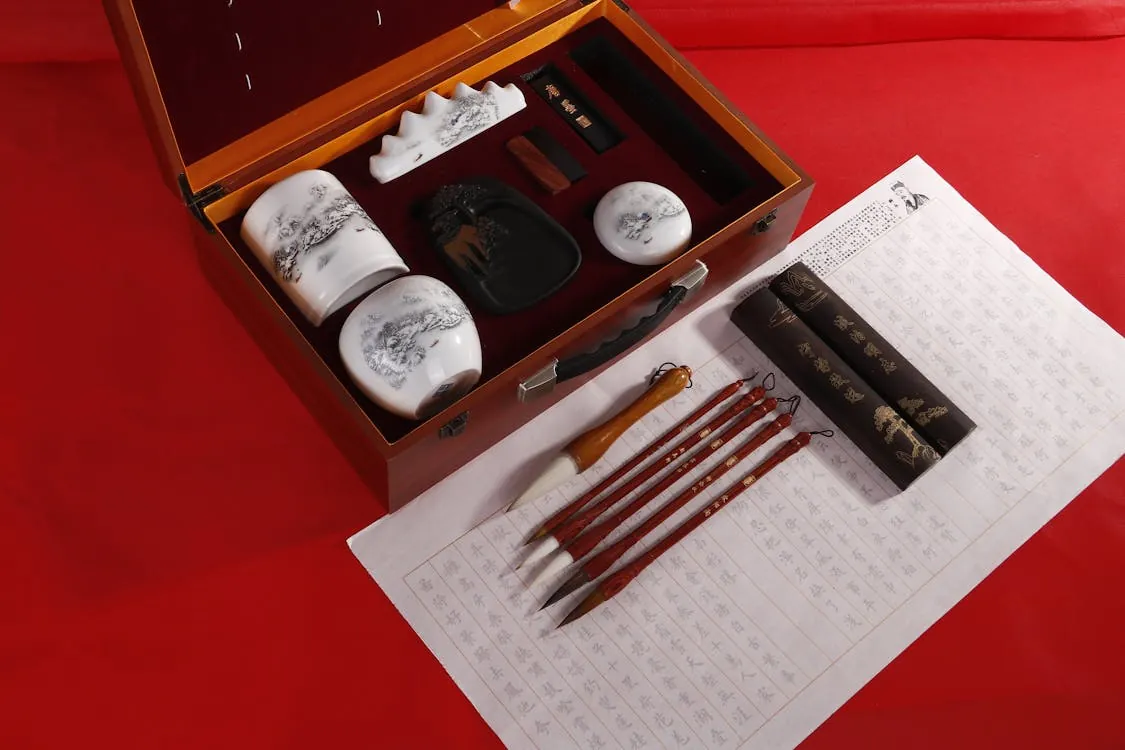
The practice of Chinese calligraphy centers around the "Four Treasures of the Study" (文房四宝 wénfáng sìbǎo): brush (笔 bǐ), ink (墨 mò), paper (纸 zhǐ), and inkstone (砚 yàn). Each is steeped in tradition and craftsmanship, affecting both technique and outcome.

Brush (笔 bǐ)

  • Made from animal hair (goat, wolf, rabbit) mounted on bamboo or wood handles.
  • Varies in size, shape, and firmness, influencing line quality and expressiveness.
  • A soft brush tip enables both delicate and bold strokes by varying pressure.

Ink (墨 mò)

  • Traditionally made from soot mixed with animal glue, formed into inksticks.
  • Ground on an inkstone with water to create liquid ink—this process is meditative and integral to the calligrapher’s mindset.
  • High-quality ink offers deep, glossy black with subtle tonal variations.

Paper (纸 zhǐ)

  • Rice paper (宣纸 xuānzhǐ) is prized for its absorbency and soft surface.
  • Texture, thickness, and absorbency influence the brush’s behavior and the final appearance of strokes.

Inkstone (砚 yàn)

  • Flat stone with a well for grinding inkstick into liquid form.
  • Quality inkstones (often from Duan or She regions) are valued objects, sometimes passed down as heirlooms.
TreasureFunctionNotable Varieties
Brush (笔)Applies ink to paperGoat hair, wolf hair, mixed
Ink (墨)Provides color and tonePine soot ink, oil soot ink
Paper (纸)Surface for writingXuan paper, bamboo paper
Inkstone (砚)Grinds inkstick, holds inkDuan inkstone, She inkstone

Mastery of the Four Treasures is a lifelong pursuit, with seasoned artists often customizing their tools for desired effects.

Guides for Basic Strokes and Character Structure

Chinese characters are constructed from a finite set of basic strokes (笔画 bǐhuà), each with a specific technique. Understanding and practicing these strokes is foundational to all five script styles.

Common Basic Strokes

  • Horizontal (横 héng): Drawn left to right, requiring even pressure.
  • Vertical (竖 shù): Drawn top to bottom, often with a slight pause at the finish.
  • Dot (点 diǎn): Small, compact mark; seemingly simple but expressive.
  • Downward Left (撇 piě): Sweeps from top right to bottom left, lightening at the end.
  • Downward Right (捺 nà): Sweeps from top left to bottom right, often ending with a flourish.
  • Hook (钩 gōu): A turn at the end of a stroke, requiring precise wrist control.
  • Bend (折 zhé): A sharp directional change within one stroke.

Character Structure and Proportion

Proper character structure (结构 jiégòu) ensures legibility and beauty. Key guidelines include:

  • Center of Gravity: Each character should appear balanced, even if asymmetrical.
  • Component Proportion: Radicals (部首 bùshǒu) and elements must be sized and spaced harmoniously.
  • Stroke Order: Follow standard stroke sequences—typically left to right, top to bottom, horizontal before vertical, and outside before inside.

For example, the character 永 (yǒng, "eternity") incorporates all eight principal strokes, making it a classic practice character for mastering technique.

Stroke Name (Pinyin)DirectionExample Character
横 (héng)Left to right一 yī
竖 (shù)Top to bottom十 shí
点 (diǎn)Top to bottom六 liù
撇 (piě)Top right to bottom left人 rén
捺 (nà)Top left to bottom right大 dà
钩 (gōu)Varies小 xiǎo
折 (zhé)Changes direction口 kǒu

Regular, mindful practice of these strokes—first in isolation, then in combination—builds muscle memory and an intuitive sense for each script style’s flow.

Modern Practice: Tradition Meets Technology

While the digital era has transformed communication, Chinese calligraphy continues to flourish—both as a cultural symbol and a contemporary art form. Today, you’ll find calligraphers using:

  • Traditional brush-and-ink on paper or silk
  • Digital tablets and styluses, with apps simulating brush dynamics
  • Public performances and competitions, sometimes streamed online
  • Integration into graphic design, branding, and fashion

Institutions, schools, and online platforms offer courses for all levels, ensuring the art’s survival and evolution (China Local Tours). At the same time, calligraphy remains deeply woven into festivals, temple fairs, and family ceremonies—especially during Lunar New Year, when red couplets (春联 chūnlián) adorn doors across China.

For further exploration of how digital tools enhance calligraphic practice, see this cultural overview.

Common Pitfalls and Pro Tips for Calligraphers

Even seasoned practitioners encounter challenges in mastering Chinese calligraphy. Avoid these common missteps and deepen your art with targeted strategies:

Common Pitfalls

  • Neglecting Stroke Order: Incorrect stroke sequences can lead to awkward, unbalanced characters and hinder learning more advanced styles.
  • Overusing Pressure: Pressing too hard on the brush results in thick, muddy lines. Vary your touch to create dynamic, lively strokes.
  • Ignoring Character Structure: Focusing on individual strokes without considering overall composition leads to distorted characters.
  • Using Inappropriate Tools: Practicing with poor-quality brushes or paper can frustrate beginners and mask technical errors.
  • Rushing the Process: Impatience undermines the meditative and expressive qualities of calligraphy. Progress comes with mindful, regular practice.

Pro Tips

  • Study Masterpieces: Copying works by great calligraphers (临摹 línmó) is a traditional method for internalizing style, rhythm, and structure.
  • Warm Up with Basic Strokes: Begin each session with fundamental strokes to tune your hand and brush control.
  • Practice Character Spacing: Proper spacing (间架 jiànjià) between characters is as important as the strokes themselves, especially in multi-line compositions.
  • Embrace the Philosophy: Approach calligraphy as a practice of harmony (和谐 héxié) and self-cultivation (修身 xiūshēn), not just technical skill.
  • Document Your Progress: Keep dated samples of your work to chart improvement and discover personal style.

For more on cultivating cultural depth in your calligraphic journey, you may enjoy this guide to Chinese tea culture, which shares similar values of mindfulness, tradition, and artistry.

Conclusion & Next Steps

Chinese calligraphy (书法 shūfǎ) is a living tradition—a mosaic of history, artistry, and philosophy, where every brushstroke connects the present with the past. By understanding the five script styles, mastering the Four Treasures, and cultivating good technique, you step into a world where language and visual art unite. Whether you choose to write with ink or pixels, the spirit of calligraphy endures as a timeless pursuit of beauty, discipline, and cultural connection.

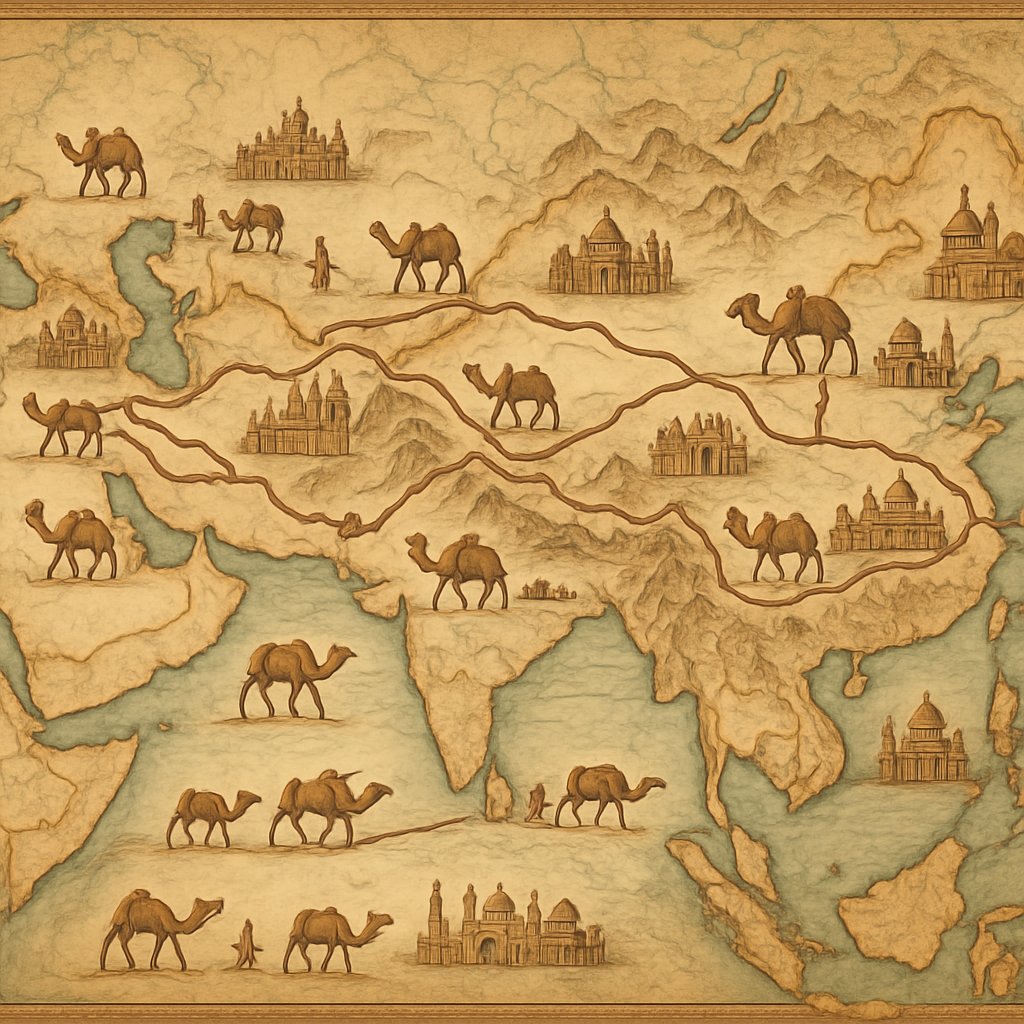
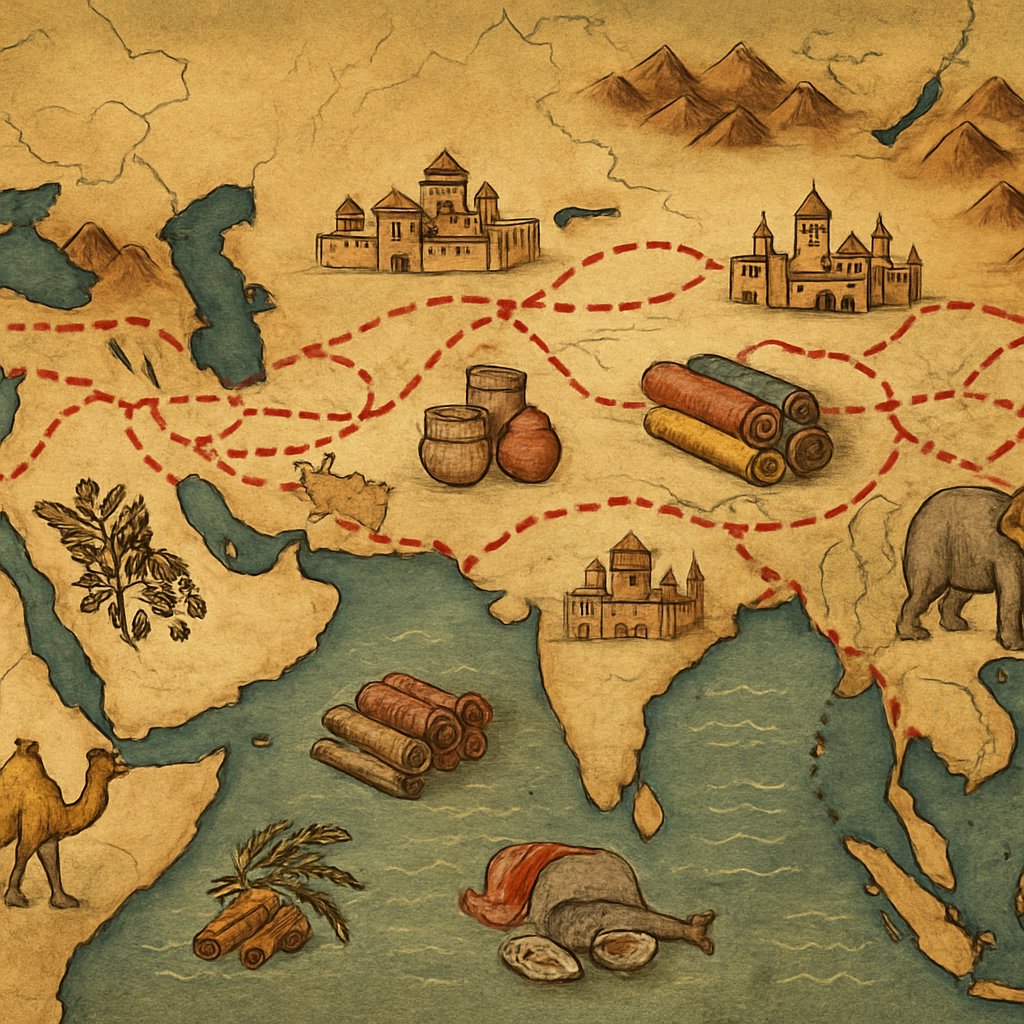
Ready to deepen your appreciation? Consider visiting a local calligraphy exhibition, joining a practice group, or exploring related topics such as the Silk Road’s influence on Chinese art. The journey from first stroke to flowing script is long—but each step is a pleasure worth savoring.