Categories
Chinese Cuisine Chinese Food & Cuisine Regional Foods

Exploring Regional Chinese Cuisines: Sichuan to Jiangsu

China’s culinary landscape is a vibrant mosaic shaped by geography, climate, and centuries of cultural exchange. The nation’s “Four Major Cuisines” (四大菜系 sì dà càixì) — Sichuan (四川菜 Sìchuān cài), Cantonese (粤菜 Yuè cài), Shandong (鲁菜 Lǔ cài), and Jiangsu (苏菜 Sū cài) — form the foundation of Chinese gastronomy. Each region offers a distinct flavor profile, signature ingredients, and iconic dishes that reflect its local environment and history. Understanding what sets these cuisines apart isn’t just about taste — it’s about experiencing the soul of China through its food.

Key Takeaways:

  • Understand how geography and climate shape regional Chinese cuisines
  • Identify the flavor profiles, key ingredients, and iconic dishes of Sichuan, Cantonese, Shandong, and Jiangsu traditions
  • Compare the four cuisines side by side for practical reference
  • Gain insight into cultural and historical factors influencing Chinese food
  • Discover tips for recreating authentic flavors at home

Geographic and Climate Factors Shaping the Four Major Cuisines

China’s vast territory encompasses a range of environments, each giving rise to unique food traditions. The “Four Major Cuisines” developed distinctive characteristics based on geography, access to natural resources, and historical trade routes:

  • Sichuan (Sìchuān): Located in China’s southwest, Sichuan is a basin surrounded by mountains, with a humid, subtropical climate. Frequent rainfall and fertile soil support lush agriculture and a bounty of spices and vegetables. The damp climate is believed to drive the local craving for spicy, numbing flavors — an antidote to humidity and a way to prevent spoilage.
  • Cantonese (Yuè): Centered in Guangdong province on the southern coast, Cantonese cuisine benefits from a subtropical maritime climate. Mild winters, hot summers, and abundant rainfall yield diverse produce and year-round seafood. Proximity to trade ports historically exposed Cantonese chefs to global influences and ingredients.
  • Shandong (Lǔ): Situated on the northern coast, the Shandong Peninsula faces the Yellow Sea. The region’s cold winters and hot summers favor wheat over rice, and its extensive coastline provides abundant seafood. Shandong’s cuisine emphasizes freshness, purity, and techniques that highlight the original flavors of high-quality ingredients.
  • Jiangsu (Sū): Along the Yangtze River delta, Jiangsu features fertile plains, lakes, rivers, and a temperate, humid climate. This environment supports rice paddies, freshwater fish, and a range of vegetables. The region’s prosperity and historic role as an imperial center encouraged refined cooking styles with elaborate knife work and attention to texture.

These geographic and climatic factors are the bedrock of the regional differences in Chinese cooking. For a broader perspective on how regional environments shape food traditions, see this guide to the Eight Great Chinese Cuisines.

Sichuan Cuisine (四川菜 Sìchuān cài)

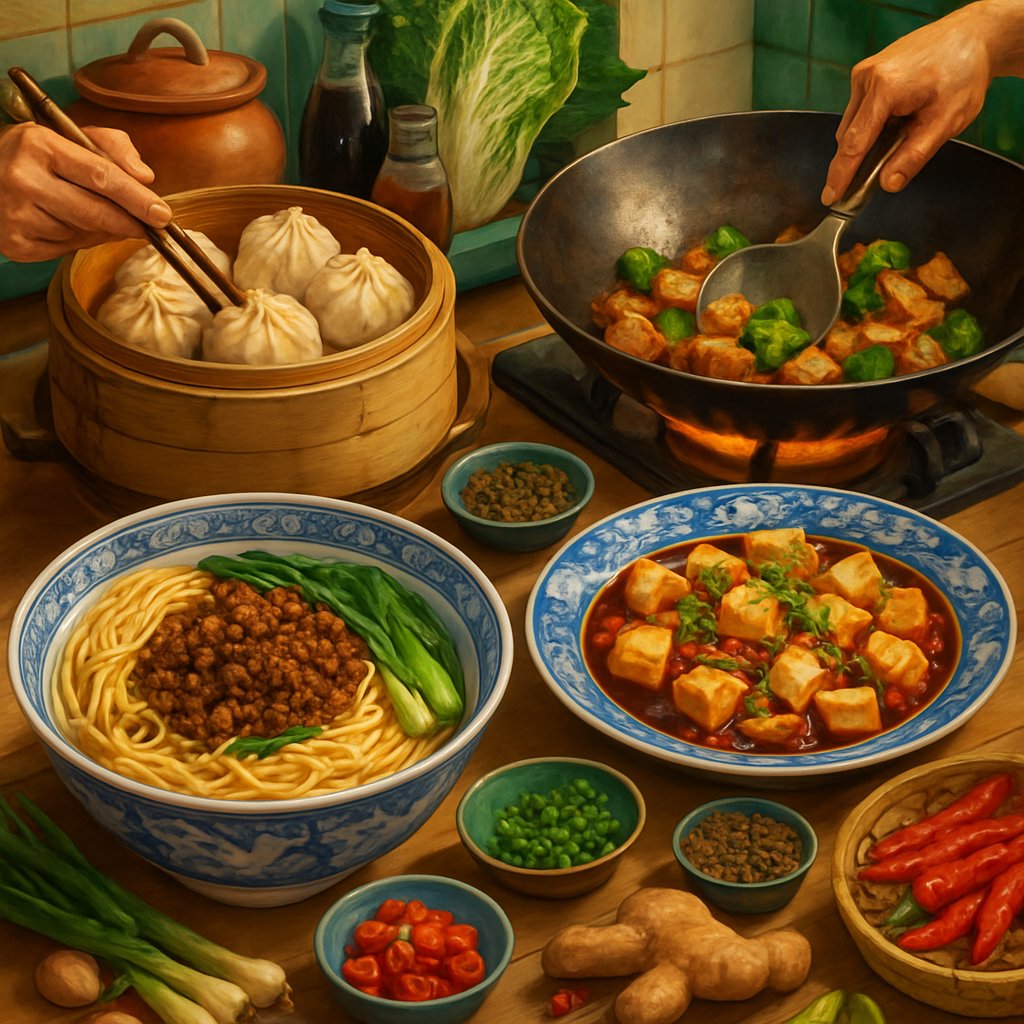
Sichuan cuisine is world-renowned for its bold, complex flavors and liberal use of chili peppers and Sichuan peppercorns (花椒 huājiāo). The defining sensation is “mala” (麻辣) — a combination of numbing (from peppercorns) and spicy (from chilies). But Sichuan food is far more nuanced than pure heat, balancing salty, sour, sweet, and savory notes with masterful use of aromatics and fermented ingredients.

Signature Dishes

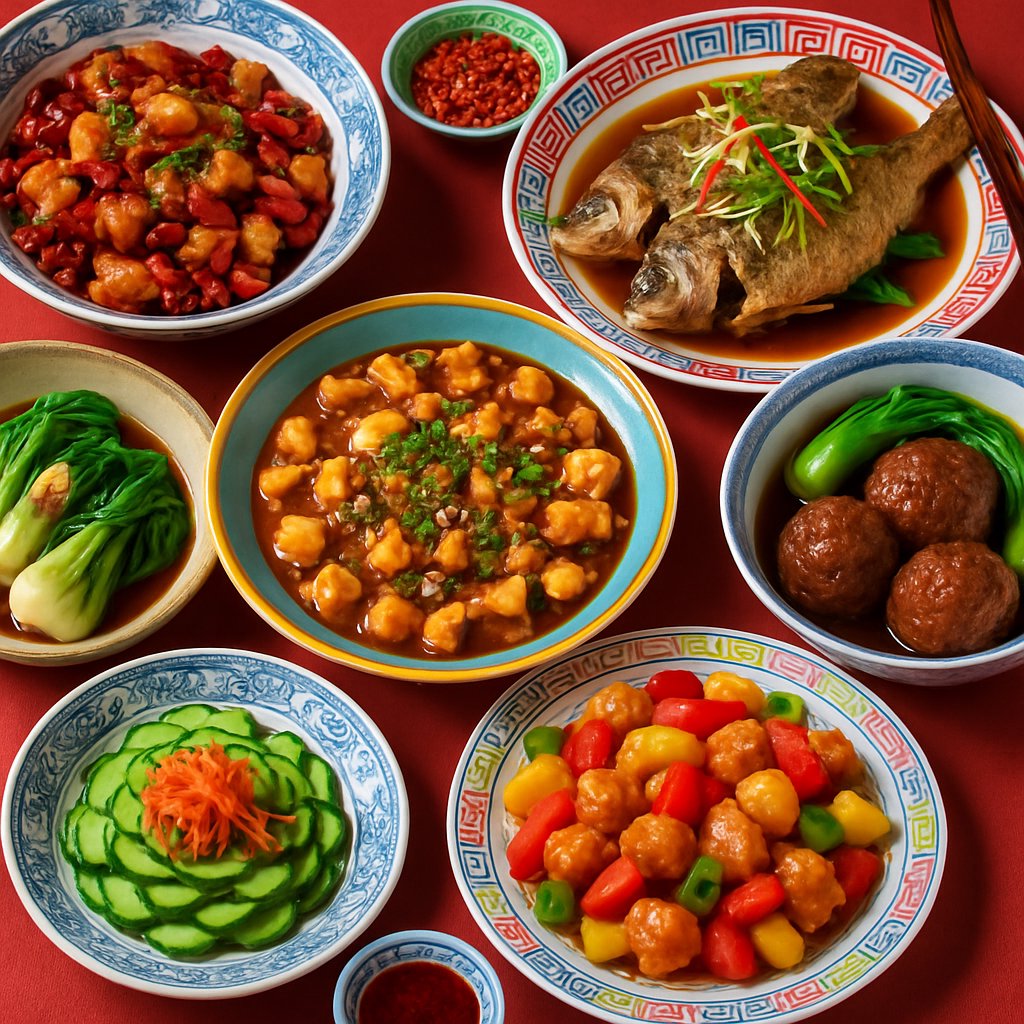
  • Mapo Tofu (麻婆豆腐 mápó dòufu): Silky tofu in a fiery, numbing sauce with minced pork, doubanjiang (fermented chili bean paste), and scallions
  • Kou Shui Ji (口水鸡 kǒushuǐ jī, “Saliva Chicken”): Poached chicken drenched in chili oil, black vinegar, peanuts, and sesame
  • Twice-Cooked Pork (回锅肉 huíguō ròu): Slices of pork belly boiled, then stir-fried with leeks, bell peppers, and fermented bean pastes
  • Fish-Fragrant Eggplant (鱼香茄子 yúxiāng qiézi): Braised eggplant in a sweet, sour, spicy sauce — no fish, but a flavor profile originally meant for fish

Key Ingredients and Techniques

  • Sichuan peppercorns, dried red chilies, doubanjiang, broad bean paste, garlic, ginger, scallion
  • Pickled vegetables (e.g., ya cai 芽菜), black vinegar, soy sauce, sesame oil
  • Techniques: stir-frying, dry-frying (干煸 gānbiān), braising, steaming, smoking

Flavor Profile and Cultural Significance

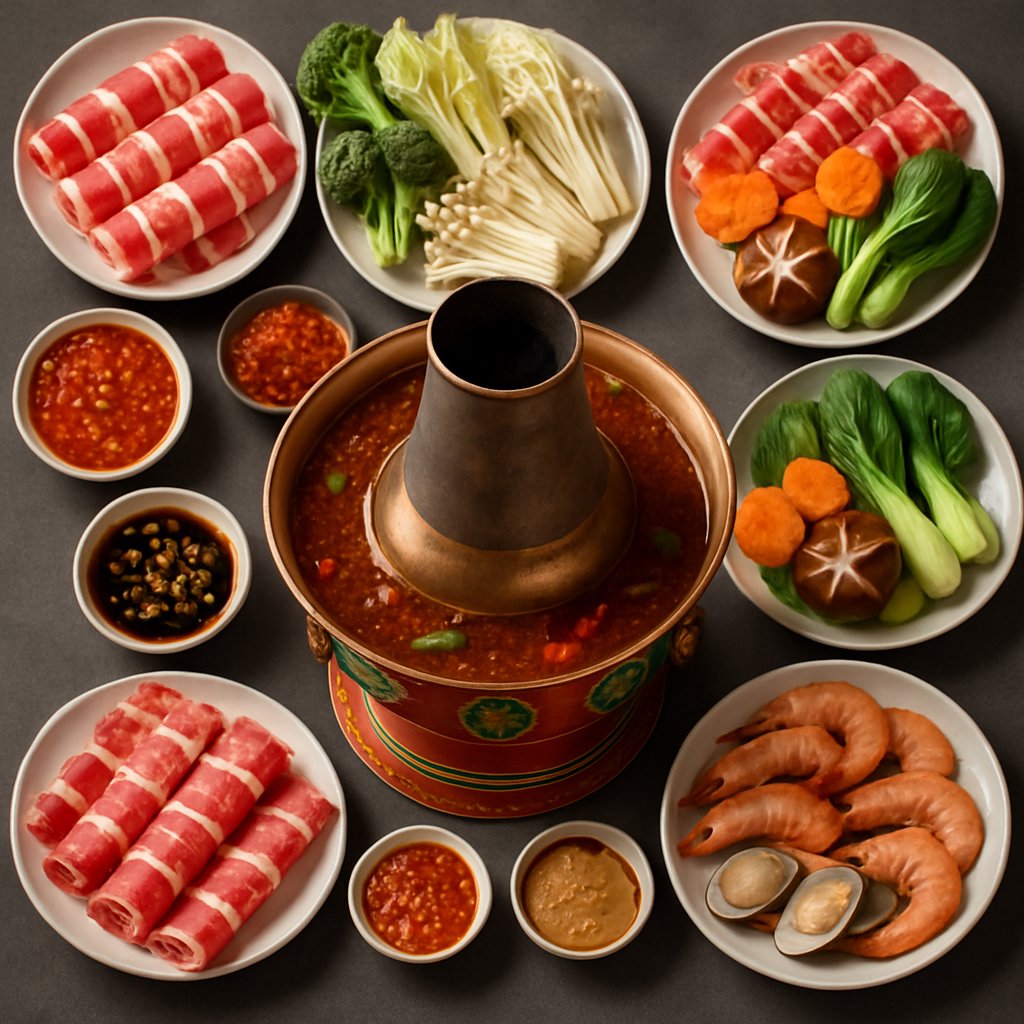
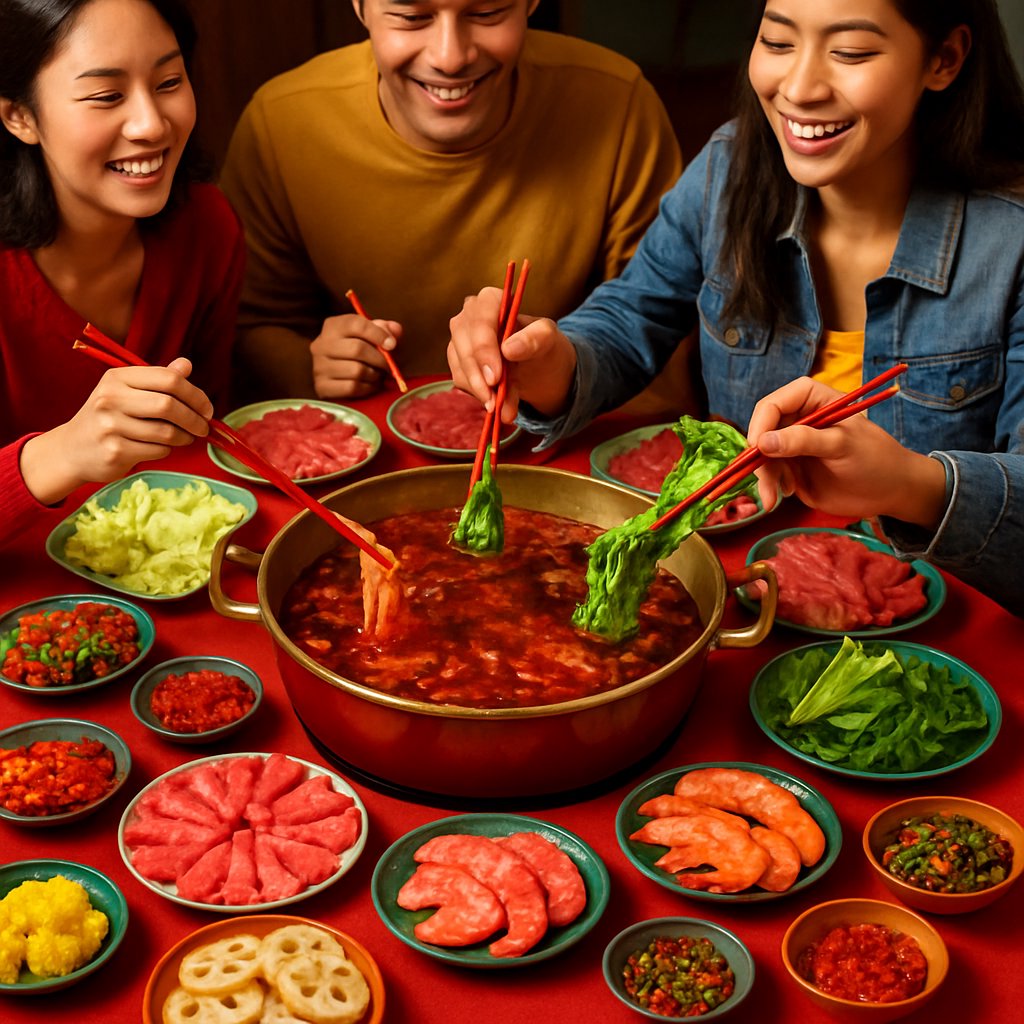
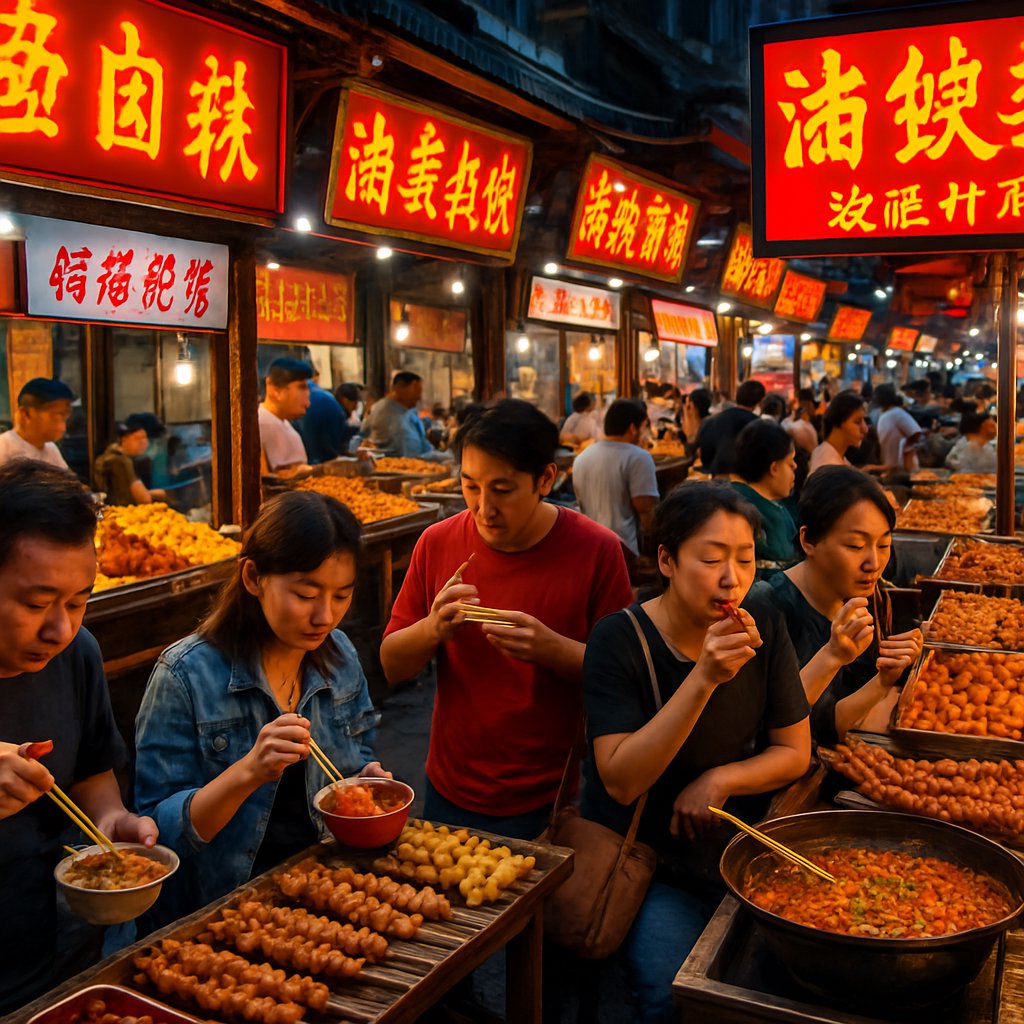
Mala flavor is central, but Sichuan chefs are famous for “one dish, one style” (一菜一格, yī cài yī gé) — meaning each dish has a unique flavor structure. The cuisine is deeply social; hot pot (火锅 huǒguō) brings friends and family together around bubbling pots. The abundance of preserved foods reflects historic needs to store food through damp seasons and adds layers of umami and complexity. Sichuan’s culinary creativity is also on display in its street food culture and banquets, where balance and variety are prized.

For more on how noodles play a role in Sichuan and other Chinese culinary traditions, see Chinese Noodles: From Hand-Pulled Lamian to Rice Vermicelli.

Cantonese Cuisine (粤菜 Yuè cài)

Cantonese cuisine from Guangdong (Canton) is internationally recognized, especially through dim sum (点心 diǎnxīn) and Chinese restaurant fare. The cooking philosophy centers on bringing out the natural flavors of fresh ingredients with minimal intervention. Dishes are delicately seasoned, rarely spicy, and often lightly cooked to preserve texture and color.

Signature Dishes

  • Char Siu (叉烧 chāshāo): Barbecued pork marinated with honey, hoisin, and five-spice
  • Steamed Grouper (清蒸石斑鱼 qīngzhēng shíbān yú): Whole fish steamed with ginger, scallion, and a splash of soy sauce
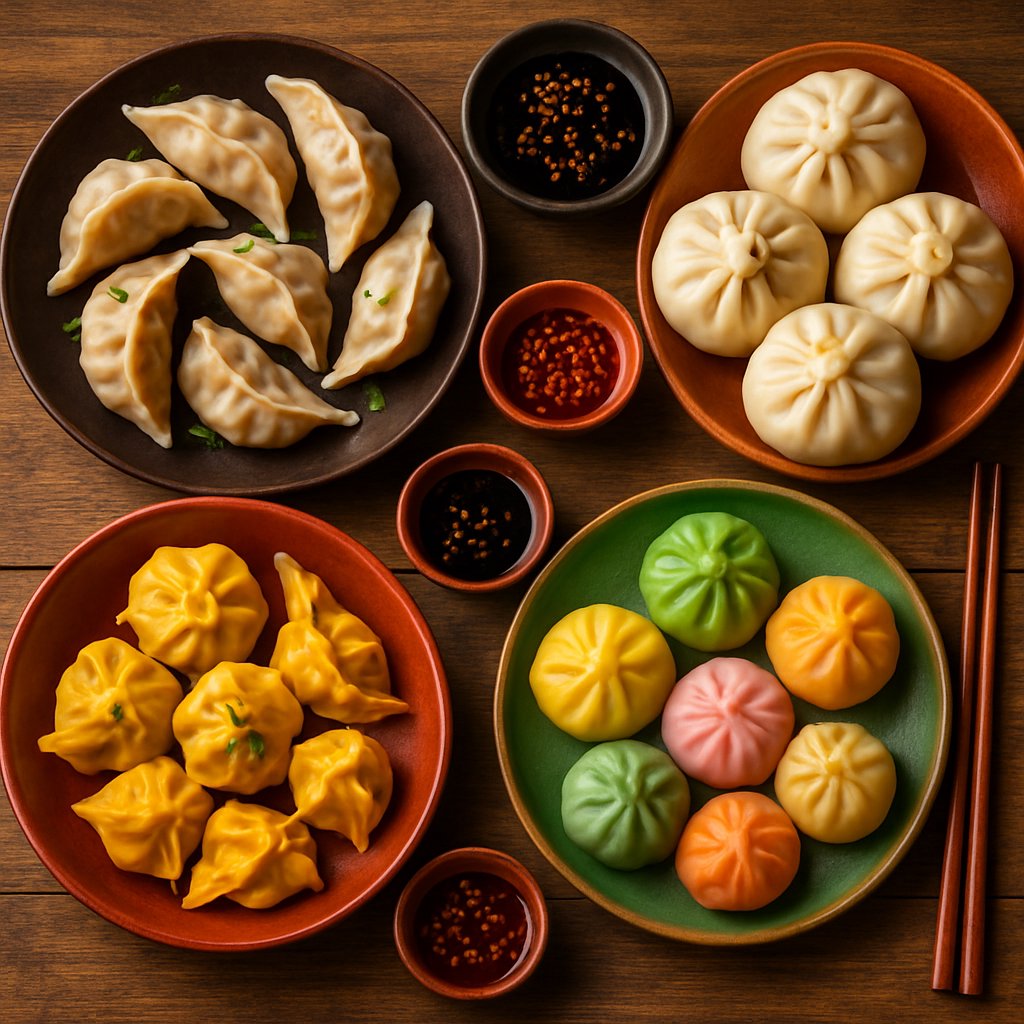
  • Dim Sum (点心 diǎnxīn): Bite-sized morsels like har gow (shrimp dumplings 虾饺 xiājiǎo), siu mai (烧卖 shāomài), and cheung fun (肠粉 chángfěn, rice noodle rolls)
  • Cantonese Roast Duck (烧鸭 shāoyā): Marinated, air-dried, and roasted to glossy, aromatic perfection

Key Ingredients and Techniques

  • Fresh seafood, pork, chicken, oyster sauce, dried mushrooms, ginger, scallion, soy sauce, Shaoxing wine
  • Techniques: steaming, stir-frying, roasting, braising, double-boiling (炖 dùn), deep frying

Flavor Profile and Cultural Significance

Cantonese food is known for its light, clean flavors, gentle sweetness, and a subtle umami derived from dried seafood and slow-simmered broths. The region’s long history as a trade hub introduced diverse ingredients and inspired culinary innovation. Dim sum culture, with its bamboo steamers and endless teapots, is a cherished ritual symbolizing community and leisure. Banquet dishes and seafood feasts mark special occasions, reflecting the region’s prosperity and openness to the world. Dishes often celebrate seasonality and freshness; what’s on the table changes to match the time of year.

Shandong Cuisine (鲁菜 Lǔ cài)

Shandong, on China’s northeastern coast, is the birthplace of many classic northern Chinese dishes and cooking techniques. The cuisine is robust and hearty, focusing on wheat-based foods, seafood, and simple, bold seasoning. Shandong chefs are revered for their mastery of soups, stocks, and knife skills, forming the backbone of many imperial and modern northern dishes.

Signature Dishes

  • Dezhou Braised Chicken (德州扒鸡 Dézhōu pájī): Whole chicken slow-braised with soy, spices, and aromatics until tender
  • Sweet and Sour Carp (糖醋鲤鱼 tángcù lǐyú): Whole carp scored, fried, and coated in a glossy sweet-sour sauce
  • Ji Mo Roast Duck (即墨烤鸭 Jímò kǎoyā): Local take on roast duck with crisp skin and succulent meat
  • Eight Immortals Soup (八仙汤 bāxiān tāng): A banquet soup brimming with seafood, meats, mushrooms, and vegetables

Key Ingredients and Techniques

  • Wheat (noodles, steamed buns), seafood (prawns, clams, sea cucumber), chicken, pork, garlic, scallion, vinegar, soy sauce
  • Techniques: braising, stewing, deep-frying, roasting, quick stir-frying, and extensive stock preparation

Flavor Profile and Cultural Significance

Shandong cuisine is savory, sometimes slightly salty, with a signature freshness that comes from using top-quality seafood and vegetables. Vinegar is used to brighten and balance flavors, while soups and broths are esteemed for their clarity and depth. The cuisine is rooted in Confucian traditions of hospitality and formality, often seen at banquets and family gatherings. Wheat-based foods like mantou (steamed buns) and jianbing (savory crepes) are daily staples, reflecting the region’s climate and agricultural history.

Jiangsu Cuisine (苏菜 Sū cài)

Jiangsu cuisine, especially the Huaiyang style (淮扬菜 Huáiyáng cài), is celebrated for its elegance, technical finesse, and mellow, slightly sweet flavors. The region’s rivers, lakes, and fertile plains produce abundant freshwater fish, shellfish, and vegetables, inspiring dishes that emphasize harmony of taste and texture. Jiangsu chefs are known for their precise knife work and artful presentation.

Signature Dishes

  • Squirrel Fish (松鼠桂鱼 sōngshǔ guìyú): Whole freshwater fish expertly scored, deep-fried, and served with a sweet-sour sauce resembling a squirrel’s tail
  • Drunken Chicken (醉鸡 zuì jī): Chicken marinated in Shaoxing wine and aromatics, served cold
  • Lion’s Head Meatballs (狮子头 shīzitóu): Large, tender pork meatballs braised with greens in a rich, clear broth
  • Yangzhou Fried Rice (扬州炒饭 Yángzhōu chǎofàn): Delicate fried rice dotted with shrimp, ham, eggs, and seasonal vegetables

Key Ingredients and Techniques

  • Freshwater fish, crab, shrimp, pork, bamboo shoots, lotus root, Shaoxing rice wine, soy sauce, sugar
  • Techniques: braising, stewing, stewing in clear broth, quick stir-frying, careful knife work, elaborate plating

Flavor Profile and Cultural Significance

Jiangsu dishes are characterized by lightness, subtle sweetness, and a focus on tenderness and mouthfeel. The cuisine values balance — flavors should never overwhelm the palate. Many dishes are associated with imperial banquets, reflecting the region’s history as a seat of culture and governance. Seasonal ingredients are prized, and meals often feature an array of colors and textures. The aesthetic extends to pastries and snacks, including delicacies enjoyed during the Mid-Autumn Festival, like mooncakes (see our post on mooncakes).

Comparison Table: Signature Dishes, Ingredients, and Flavors

CuisineSignature DishesKey IngredientsFlavor ProfileClimate/Geography Influence
Sichuan (四川)Mapo Tofu, Twice-Cooked Pork, Saliva Chicken, Fish-Fragrant EggplantSichuan peppercorns, chili, doubanjiang, garlic, pickled vegetablesSpicy, numbing, complex, aromatic, balanced sweet/sour/savoryHumid basin, rich agriculture, preserves and spices combat dampness
Cantonese (粤)Dim Sum, Char Siu, Steamed Grouper, Roast DuckSeafood, pork, ginger, soy, oyster sauce, Shaoxing wineLight, fresh, delicate, natural sweetness, umamiSubtropical coast, abundant seafood, exposure to global trade
Shandong (鲁)Braised Chicken, Sweet & Sour Carp, Ji Mo Duck, Eight Immortals SoupWheat, seafood, chicken, vinegar, garlic, scallionSavory, slightly salty, pure, crisp, robustNorthern coast, cold winters, wheat fields, extensive coastline
Jiangsu (苏)Squirrel Fish, Drunken Chicken, Lion’s Head, Yangzhou Fried RiceFreshwater fish, pork, bamboo, rice wine, lotus rootMellow, subtly sweet, tender, harmonious, artful presentationYangtze delta, rivers/lakes, humid, fertile plains

For a comprehensive overview of all eight major Chinese cuisines and their characteristics, see Chinese regional cuisine on Wikipedia.

Common Pitfalls and Pro Tips

Common Mistakes When Exploring Regional Chinese Cooking

  • Oversimplifying “Chinese Food”: Treating China’s cuisine as a monolith overlooks the diversity and depth between regions. Each cuisine has its own ingredients, techniques, and flavor logic — learn them individually for authenticity.
  • Using Generic Soy Sauce: Not all soy sauce is created equal. For example, Jiangsu dishes may prefer light soy for color and salt, while Cantonese chefs use premium aged soy for depth. Use regionally appropriate condiments to match the dish’s heritage.
  • Over-seasoning Cantonese Dishes: Cantonese cooking emphasizes restraint. Heavy-handed use of salt, MSG, or spices can obscure the delicate flavors. Let fresh ingredients shine.
  • Confusing Heat with Flavor in Sichuan Cooking: True Sichuan cuisine balances spicy, numbing, sour, and savory — not just heat. Take time to layer flavors with doubanjiang, black vinegar, and aromatics.
  • Neglecting Texture in Jiangsu Cuisine: Dishes like Lion’s Head Meatballs are prized for their fluffy, tender mouthfeel. Over-mixing or improper braising can result in dense, chewy textures, missing the hallmark of this style.

Pro Tips for Home Cooks

  • Regional Shopping: Source ingredients from Asian grocers if possible. For Sichuan, look for authentic doubanjiang and whole Sichuan peppercorns. For Cantonese, seek out dried scallops and premium oyster sauce.
  • Knife Skills Matter: Especially in Shandong and Jiangsu cooking, cutting ingredients to the correct shape and size affects both texture and presentation.
  • Respect Seasonality: All four cuisines value seasonal produce. Adjust dishes to highlight what’s fresh — spring bamboo in Jiangsu, summer greens in Sichuan, autumn seafood in Shandong.
  • Presentation Counts: In Jiangsu and Cantonese banquets, plating and color contrast are almost as important as taste. Use garnishes and arrange components thoughtfully.
  • Balance the Meal: Traditional Chinese dining is about harmony — not just in dishes, but across the entire table. Pair rich, braised dishes with lighter, steamed ones to create a satisfying spread.

Conclusion and Next Steps

Exploring Sichuan, Cantonese, Shandong, and Jiangsu cuisines is a journey through the flavors, landscapes, and history of China itself. Whether you crave the numbing heat of Sichuan, the subtlety of Cantonese dim sum, the clarity of Shandong broths, or the refined harmony of Jiangsu banquets, you’ll discover new depths in every bite. For further inspiration, try creating regional pastries like mooncakes or experiment with hand-pulled noodles from different provinces. Delve deeper into China’s “Eight Great Cuisines” to appreciate the full spectrum of this culinary heritage.

Curious cooks and seasoned food lovers alike will find endless discovery in the kitchens of China’s great regions. Respect the traditions, savor the diversity, and let each meal tell the story of its land.