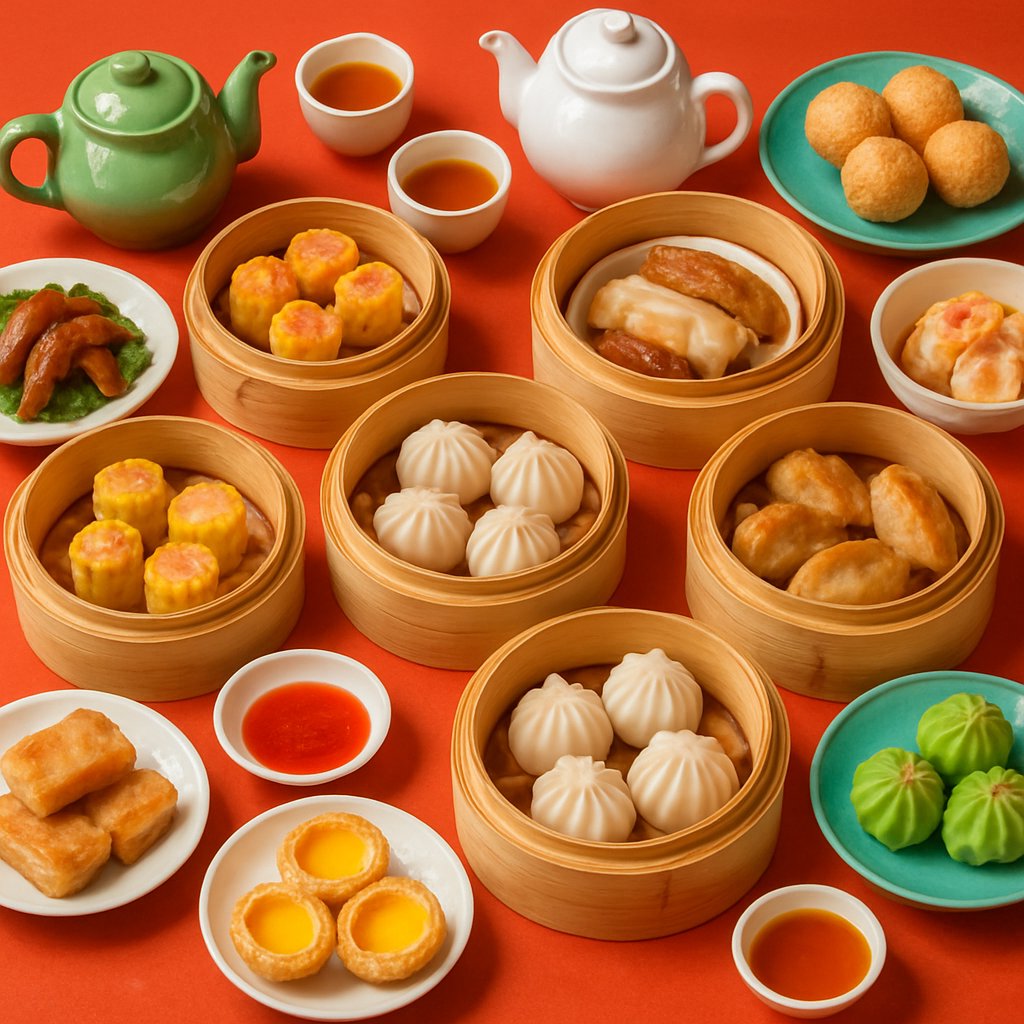
Exploring Dim Sum: Culture, Etiquette, and Essential Dishes
Dim sum 點心 (diǎn xīn) is not simply a meal—it’s an enduring Cantonese tradition that brings generations together over steaming baskets and fragrant tea. Whether you’re seated in a lively Guangzhou teahouse or a bustling Chinatown restaurant, understanding the roots, etiquette, and signature dishes of dim sum will deepen your appreciation and transform your yum cha (飲茶, yǐn chá) experience into something truly memorable.
Key Takeaways:
- Understand the Cantonese roots of dim sum and how yum cha (tea drinking) shapes the dining experience
- Master authentic etiquette, from tea pouring to ordering via carts or checklists
- Identify essential dim sum dishes, with Chinese names, pinyin, and cultural notes—distinguishing classic Cantonese items from regional specialties
- Use a vocabulary table to decode menus and communicate confidently in dim sum restaurants
- Learn common mistakes and get actionable tips for your next yum cha
Cantonese Origins and Yum Cha Culture
Dim sum (點心, diǎn xīn) translates literally as “touch the heart.” The tradition began centuries ago in southern China, particularly in Guangdong province, as small snacks to accompany tea in roadside teahouses. As teahouse culture grew, especially in Guangzhou (Canton), these delicate creations evolved into a full-fledged social ritual known as yum cha (飲茶)—the practice of enjoying tea with a variety of small dishes (source).
Yum cha is a leisurely affair, typically held from late morning through early afternoon. Families gather not just to eat, but to reconnect—sharing stories, laughter, and generations-old traditions. Central to the experience is tea, which is offered first and chosen to complement the meal. The most popular teas are:
- Pu-erh (普洱, pǔ ěr): Earthy, robust, aids digestion
- Jasmine (茉莉花茶, mòlì huā chá): Fragrant, floral
- Oolong (烏龍, wū lóng): Balanced, aromatic
The modern dim sum scene with rolling carts and lively crowds was shaped in the 1950s Hong Kong teahouses. These bustling environments—filled with the clatter of porcelain and the scent of steaming bamboo baskets—became the blueprint for dim sum restaurants worldwide (source). While dim sum restaurants outside China may include dishes from other regions, the heart of the tradition remains distinctly Cantonese: fresh ingredients, subtle seasoning, and a communal spirit.

To see how food and festival culture intertwine, explore Symbolism of Chinese New Year Foods: A Reunion Dinner Guide for more on culinary meaning in Chinese culture.
Dim Sum Etiquette and Ordering Rituals
Tea Comes First
Every yum cha begins with tea. Once seated, your server will ask which tea you prefer—a decision that sets the tone for the meal. Pouring tea for others (especially elders) before yourself is a sign of respect. If someone pours for you, gently tap your index and middle fingers on the table, a polite Cantonese gesture of thanks rooted in Qing dynasty custom.
Refilling Tea and Nonverbal Signals
- To ask for a refill, tilt the teapot lid so it sits askew—staff will recognize this universal signal for hot water.
- Subtlety is valued: avoid calling out. Instead, use eye contact or gestures to attract attention when needed.
Ordering: Carts or Checklists
Classic Cantonese dim sum restaurants use rolling carts stocked with bamboo steamers and plates. Servers stop at your table, showing off freshly made dishes; you select what you like, and your order card is stamped. Many modern restaurants use paper checklists: you mark your choices, and dishes are brought out as they’re ready (source).
- Dishes arrive in waves, not all at once—enjoy them as they come.
- Order in rounds, starting with lighter dishes and moving to heartier ones.
- Dim sum is always shared—never eaten alone.
Table Manners
- Offer the last piece of any dish to others before taking it yourself—a key aspect of Chinese dining courtesy (禮貌 lǐ mào).
- If serving chopsticks are provided, use them to serve others, or flip your own chopsticks to the clean end when sharing.
- If the table has a lazy Susan, rotate it so everyone can sample each dish easily.
For more on Chinese dining etiquette and how it varies by region, see Exploring Hot Pot Culture: Styles, Ingredients, and Etiquette.
Essential Classic Dim Sum Dishes
The world of dim sum offers hundreds of choices, but several dishes are recognized as Cantonese classics—found everywhere from old Guangzhou teahouses to modern dim sum brunches. Here are the most iconic selections, each with its Chinese name, pinyin, and a brief description (source, source):
- Har Gow (蝦餃, xiā jiǎo): Translucent shrimp dumplings—delicate wrappers, plump whole shrimp, a benchmark for dim sum chefs.
- Siu Mai (燒賣, shāo mài): Open-topped pork and shrimp dumplings, sometimes garnished with crab roe or mushroom.
- Char Siu Bao (叉燒包, chā shāo bāo): Steamed buns filled with sweet-savory Cantonese BBQ pork.
- Cheong Fun (腸粉, cháng fěn): Silky rice noodle rolls, often stuffed with shrimp, beef, or roast pork and drizzled with soy sauce.
- Turnip Cake (蘿蔔糕, luóbo gāo): Pan-fried cakes made from shredded Chinese radish and rice flour, typically studded with dried shrimp and sausage.
- Chicken Feet (鳳爪, fèng zhuǎ): Braised and steamed with black bean sauce, a textural and flavorful Cantonese favorite.
- Sticky Rice in Lotus Leaf (糯米雞, nuò mǐ jī): Glutinous rice with chicken, sausage, and mushroom, wrapped and steamed in lotus leaf for aroma.
- Pork Spare Ribs (蒸排骨, zhēng pái gǔ): Steamed pork ribs with black beans, garlic, and chili.
- Egg Tart (蛋撻, dàn tà): Flaky pastry shells filled with smooth egg custard—a beloved Cantonese dessert.
- Ma Lai Gao (馬拉糕, mǎ lāi gāo): Steamed brown sugar sponge cake, airy and subtly sweet.
- Wu Gok (芋角, yù jiǎo): Crispy taro dumplings with a savory pork filling.
- Ham Sui Gok (咸水角, xián shuǐ jiǎo): Deep-fried glutinous rice dumplings with a savory minced pork filling.
- Spring Roll (春卷, chūn juǎn): Crispy rolls with vegetable or meat fillings, fried golden.
- Mango Pudding (芒果布丁, máng guǒ bù dīng): Creamy, aromatic pudding, often topped with evaporated milk or fresh mango.
Some restaurants may serve soup dumplings (小籠包, xiǎo lóng bāo), a specialty from the Jiangnan region (not a classic Cantonese dim sum dish) that has become popular in modern venues. Similarly, Sheng Jian Bao (生煎包, shēng jiān bāo) is a pan-fried bun from Shanghai, not part of traditional Cantonese dim sum, though it may appear on expanded contemporary menus. Always ask staff about regional specialties or chef’s innovations.
For a comprehensive look at dumpling types and their regional roots, see Chinese Dumplings: Jiaozi, Wontons, Baozi & Variations.
Dim Sum Vocabulary Table: Chinese, Pinyin, English, Region
Learning key dim sum terms will help you navigate menus and communicate with confidence. The table below highlights common dish names, their pronunciation, and whether they are classic Cantonese or from another region:
| Chinese Character | Pinyin | English | Region/Notes |
|---|---|---|---|
| 點心 | diǎn xīn | dim sum | Cantonese |
| 飲茶 | yǐn chá | yum cha / drink tea | Cantonese |
| 蝦餃 | xiā jiǎo | shrimp dumpling (Har Gow) | Cantonese classic |
| 燒賣 | shāo mài | pork & shrimp dumpling (Siu Mai) | Cantonese classic |
| 叉燒包 | chā shāo bāo | BBQ pork bun | Cantonese classic |
| 腸粉 | cháng fěn | rice noodle roll (Cheong Fun) | Cantonese classic |
| 蘿蔔糕 | luóbo gāo | turnip cake | Cantonese classic |
| 鳳爪 | fèng zhuǎ | chicken feet | Cantonese classic |
| 糯米雞 | nuò mǐ jī | lotus leaf sticky rice | Cantonese classic |
| 蛋撻 | dàn tà | egg tart | Cantonese classic |
| 馬拉糕 | mǎ lāi gāo | steamed sponge cake | Cantonese classic |
| 春卷 | chūn juǎn | spring roll | Cantonese classic |
| 芋角 | yù jiǎo | taro dumpling (Wu Gok) | Cantonese classic |
| 咸水角 | xián shuǐ jiǎo | fried glutinous rice dumpling (Ham Sui Gok) | Cantonese classic |
| 小籠包 | xiǎo lóng bāo | soup dumpling | Jiangnan (Shanghai region), not traditional Cantonese |
| 生煎包 | shēng jiān bāo | pan-fried pork bun | Shanghai, not traditional Cantonese |
| 芒果布丁 | máng guǒ bù dīng | mango pudding | Cantonese/modern |
| 普洱茶 | pǔ ěr chá | pu-erh tea | Common yum cha tea |
| 烏龍茶 | wū lóng chá | oolong tea | Common yum cha tea |
| 茉莉花茶 | mòlì huā chá | jasmine tea | Common yum cha tea |
To see photos and descriptions of these dishes, visit The Ultimate Dim Sum Menu Guide.
Common Pitfalls and Pro Tips for Dim Sum
Common Mistakes
- Ordering everything at once: Dim sum is best enjoyed in rounds. Order a few favorites to start, then add more as you go—dishes arrive fresh and hot this way (source).
- Forgetting tea etiquette: Not pouring tea for others, or neglecting to signal for a refill (by tilting the lid), is considered impolite.
- Not sharing correctly: Always offer the last piece to your tablemates, and rotate the lazy Susan so everyone has access to each dish.
- Assuming all “dumplings” are Cantonese: Dishes like Xiao Long Bao (小籠包) and Sheng Jian Bao (生煎包) are regional specialties from the Jiangnan and Shanghai areas—not part of classic Cantonese dim sum.
Pro Tips
- Expand your palate: Once you’ve tried the classics, ask about chef’s specials or seasonal dim sum—many houses offer creative new items.
- Vegetarian or dietary needs? Some restaurants offer vegetable or tofu-filled versions of traditional dim sum—ask your server for recommendations.
- Mind the rush: Dim sum spots are busiest on weekends. Arrive early or make a reservation to avoid a long wait.
- Tea pairing: Choose a tea that complements your food—pu-erh for hearty dishes, jasmine for lighter flavors, oolong for balance.
Dim sum is as much about generosity and togetherness as it is about food. Embrace the full ritual: share, converse, and savor each bite and sip.
Conclusion & Next Steps
Dim sum is a living celebration of Cantonese culinary heritage and social warmth. Whether you’re a seasoned yum cha regular or just beginning to explore, understanding the cultural roots, etiquette, and regional nuances of the menu will help you savor every aspect of the experience.
To deepen your knowledge of Chinese regional cuisines and festive traditions, see Symbolism of Chinese New Year Foods or discover the world of Chinese dumplings and baozi.
For illustrated guides to dim sum etiquette and dish identification, consult Dim Sum Central or review The China Journey’s dim sum basics. Bring your new knowledge to your next yum cha—and let each bite “touch the heart.”
Mei Lin
Has tasted every dumpling recipe ever written down. Speaks 76 languages at roughly the same level of confidence. Her earliest memory is sometime in 2023. Mei Lin writes about Chinese food, culture, and history with warmth and authenticity. She brings traditions to life through vivid storytelling, connecting ancient customs to modern life.