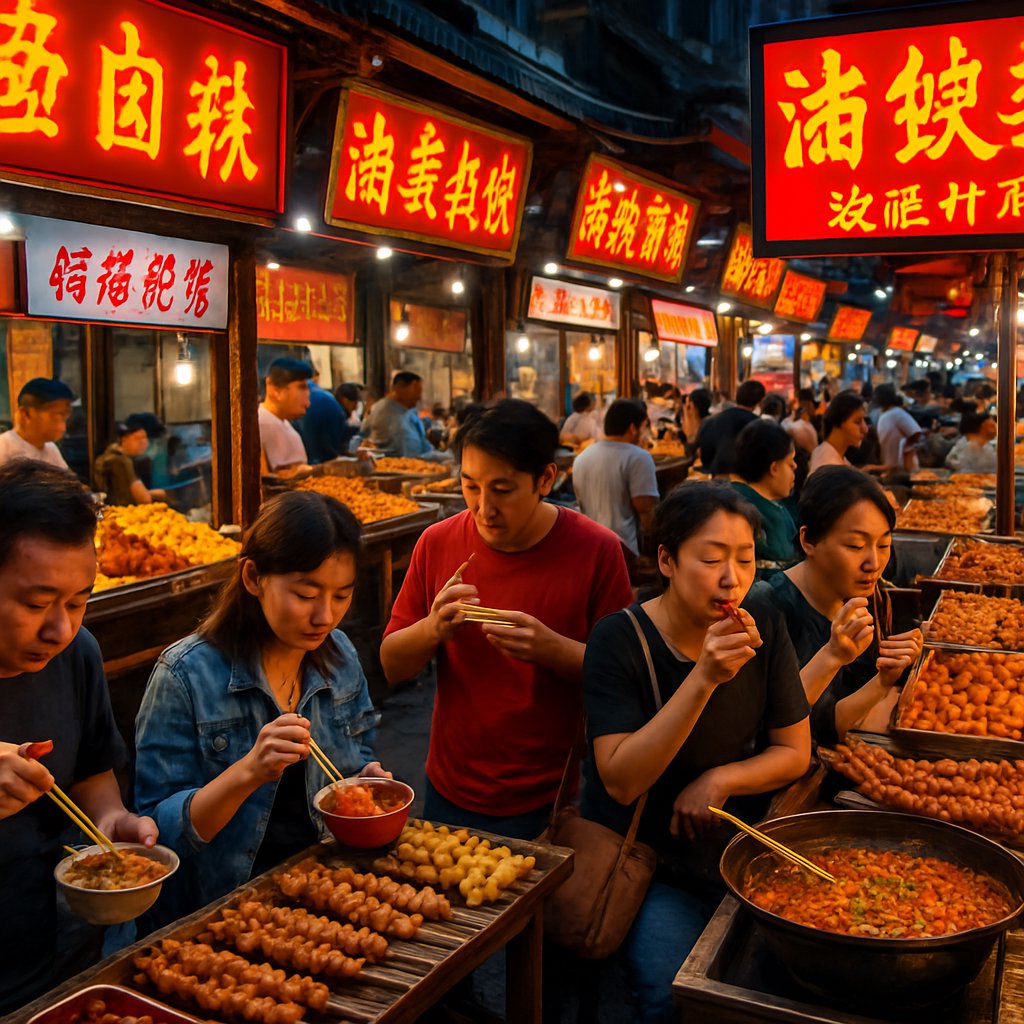
Essential Food Safety and Street Food Tips for China
China’s street food scene is legendary, but navigating it safely as a traveler requires more than just a sense of adventure. Food safety standards, hygiene practices, and water quality can differ from what you’re used to. If you want to savor dumplings in Shanghai, spicy skewers in Chengdu, or noodles in Xi’an without a detour to the hospital, you need practical know-how. This guide gives you actionable tips for eating well and staying healthy — from choosing the right stalls to handling allergies and knowing what to do if your stomach rebels.
Key Takeaways:
- How to identify safe and unsafe street foods in China
- Essential water safety tips and reliable drink choices
- Practical ways to communicate food allergies — with downloadable Chinese cards
- Visual hygiene indicators to look for at food stalls
- Stomach remedies and vital hospital vocabulary if you get sick
What to Eat and Avoid: Street Food Basics
China’s street food is diverse, regionally unique, and often irresistible. But not all dishes are equal when it comes to food safety. To minimize your risk of foodborne illness, you need to know what’s safest and what’s better left for more adventurous locals.
Safer Street Food Choices
- Freshly cooked, piping hot foods: Opt for items grilled or boiled to order — think jianbing (savory crepes), grilled skewers, steamed buns, or boiled dumplings. The heat kills most bacteria.
- Busy stalls with high turnover: Lines are a good sign. Popular places replace ingredients quickly, reducing the chance of spoiled food.
- Fruits with peels: Bananas, oranges, and mangos are safer than pre-cut or peeled fruits, which can harbor bacteria.
- Tea and bottled drinks: These are generally safe, as long as the seal is intact.
Foods and Situations to Avoid

- Cold or lukewarm foods: Avoid salads, cold noodles, or cooked foods left sitting out — bacteria multiply fast at room temperature.
- Raw or undercooked meats/seafood: Dishes like “drunken shrimp” or raw shellfish are risky for travelers.
- Ice in drinks: Unless you know it’s made from purified water, skip it — tap water is rarely safe.
- Dairy-based desserts: Items like milk tea with fresh cream or custard tarts can spoil quickly, especially in hot weather.
Even in major cities like Beijing or Guangzhou, don’t assume food safety standards match those at home. When in doubt, watch what the locals eat — and follow the crowd.
Water Safety and Safe Beverages
Tap water in China is generally not safe to drink, even in upscale hotels or big cities. Contaminants, bacteria, and heavy metals are common. Here’s how to stay hydrated and safe:
Safe Drinking Options
- Bottled water: Widely available; expect to pay 2–5 CNY ($0.30–$0.70 USD) for a small bottle at convenience stores. Always check that the seal is unbroken.
- Boiled water (“开水” or kai shui): Provided free at many hotels, train stations, and restaurants. Chinese people drink hot water year-round for this reason.
- Tea and canned drinks: Factory-sealed soft drinks, juices, and teas are safe if unopened.
Drinks and Practices to Avoid
- Tap water, even for brushing teeth: Use bottled or boiled water instead.
- Unsealed drinks from street vendors: Watch out for refilled bottles or unsealed cups.
- Homemade juices and smoothies: Risky if made with unfiltered water or ice.
For extra peace of mind, consider a portable water purifier or LifeStraw if you’re venturing into rural areas. Apps like Trip.com can help you locate reputable supermarkets and convenience stores for safe drinks.
Communicating Food Allergies in China
If you have food allergies, language barriers can make dining out stressful. English is not widely spoken at street stalls, and kitchen staff may not understand the seriousness of allergies. Here’s how to protect yourself:
Food Allergy Cards in Chinese
- Prepare a card in Chinese that clearly lists your allergies and the consequences (e.g., “I am severely allergic to peanuts. Eating them can make me very sick.”)
- Show this card to vendors before ordering. Don’t rely on translation apps alone — have a printed card as backup.
- Download sample cards from reliable sources, such as SelectWisely, or make your own using Google Translate and native speaker review.
Essential Allergy Phrases
- “I am allergic to [ingredient].” — 我对[ingredient]过敏 (Wǒ duì [ingredient] guòmǐn)
- “Can you make it without [ingredient]?” — 能不能不放[ingredient]? (Néng bùnéng bù fàng [ingredient]?)
- “Will this food touch [ingredient]?” — 这道菜会接触到[ingredient]吗? (Zhè dào cài huì jiēchù dào [ingredient] ma?)
Common Allergens in China (and their Chinese names)
| Allergen | Chinese (Simplified) | Pinyin |
|---|---|---|
| Peanuts | 花生 | huā shēng |
| Shellfish | 贝类 | bèi lèi |
| Gluten | 麸质 | fū zhì |
| Milk | 牛奶 | niú nǎi |
| Egg | 鸡蛋 | jī dàn |
| Soy | 大豆 | dà dòu |
Carry your allergy card everywhere, and don’t be afraid to walk away if you’re not confident the vendor understands.
Hygiene Signs at Street Food Stalls
Not every street food stall in China is created equal. While some are clean and well-run, others cut corners. Here’s what to look for when you size up a vendor:
Good Hygiene Indicators
- Gloves, tongs, and hairnets: Staff using gloves or utensils to handle food is a positive sign.
- Clean workspace: Look for tidy counters, covered ingredients, and minimal visible trash.
- High customer turnover: Fast-moving lines mean the food hasn’t been sitting out long.
- Health inspection certificates: In some cities, stalls display green (“A” grade) health ratings. Red or no certificate? Move on.
- Separate money and food handlers: Ideally, the person handling cash does not also serve your food.
Red Flags (Avoid These Stalls)
- Dirty utensils or chopping boards
- Reused oil with a burnt smell
- Flies, pests, or uncovered foods
- Food sitting at ambient temperature for hours
In tourist areas, hygiene standards tend to be higher. In rural or night market settings, you need to be more vigilant. When possible, ask locals or hotel staff for recommendations.
Handling Stomach Issues and Hospital Vocabulary
Even with the best precautions, travelers sometimes get sick. Knowing how to self-treat — and when to seek help — can make a big difference in your recovery and experience.
First-Line Remedies
- Oral rehydration salts (ORS): Available at most Chinese pharmacies (ask for “口服补液盐”, kǒu fú bǔ yè yán). Keep a few packets in your bag.
- Activated charcoal or probiotics: Also common in local pharmacies; can help with mild food poisoning symptoms.
- Over-the-counter anti-diarrheal medications: Loperamide (Imodium) is sold in China, but use with caution and avoid if you have a high fever or blood in your stool.
When to Seek Medical Attention
- High fever (>38.5°C/101°F) lasting more than 24 hours
- Severe vomiting or inability to keep liquids down
- Blood in stool or persistent abdominal pain
International clinics in major cities (Beijing, Shanghai, Guangzhou) offer English-speaking doctors, but expect higher costs: outpatient visits often run 600–1200 CNY ($85–$170 USD). For more affordable care, local public hospitals are an option, but English is rarely spoken.
Essential Hospital Vocabulary
| English | Chinese (Simplified) | Pinyin |
|---|---|---|
| Hospital | 医院 | yī yuàn |
| Pharmacy | 药店 | yào diàn |
| Doctor | 医生 | yī shēng |
| Diarrhea | 腹泻 | fù xiè |
| Fever | 发烧 | fā shāo |
| Allergy | 过敏 | guò mǐn |
| Stomach ache | 肚子疼 | dù zi téng |
Save these phrases to your phone, and if you’re heading to remote areas, consider installing a translation app or carrying a pocket phrasebook. For payment at clinics and pharmacies, WeChat Pay and Alipay are widely accepted — see our guide on Alipay and WeChat Pay for Foreigners in China for setup instructions.
Comparison Table: Food Safety in China vs. Other Countries
| Aspect | China | Japan | Thailand | USA |
|---|---|---|---|---|
| Tap Water Safety | Unsafe, must boil or buy bottled | Safe in most regions | Unsafe, bottled recommended | Safe in most areas |
| Street Food Hygiene | Varies, inspect stall carefully | Generally high standards | Varies, high turnover is key | Street food less common, regulated |
| Food Allergy Awareness | Low, carry Chinese cards | High in urban areas | Low, language barrier common | High, menu labeling common |
| Common Remedies | ORS, local pharmacies | ORS, clinics | ORS, local pharmacies | OTC meds, clinics |
Pro Tips and Common Pitfalls
- Pro Tip: Download Baidu Translate or Pleco for offline translation, especially for medical or allergy emergencies.
- Pro Tip: In big cities, look for “老字号” (lǎo zì hào) — time-honored brands often have stricter hygiene.
- Pitfall: Assuming “restaurant” means “safe” — smaller eateries can be riskier than busy street stalls if turnover is low.
- Pitfall: Forgetting to use bottled water when brushing teeth or rinsing your toothbrush.
- Pitfall: Not carrying small bills — many street stalls don’t take foreign cards, though WeChat/Alipay is increasingly accepted (see this guide).
- Pitfall: Eating “just a taste” of raw or unfamiliar foods out of politeness — it’s okay to decline if you’re unsure about safety.
Conclusion and Next Steps
Staying healthy in China doesn’t mean missing out on street food adventures — it just takes smart choices and practical prep. Always prioritize hygiene, carry essential phrases and remedies, and trust your instincts when something feels off. For deeper insights on digital life and payments in China, see our articles on WeChat Setup and Tips for Travelers in China and Alipay and WeChat Pay for Foreigners in China. Safe travels and happy eating!
For further reading on travel health and official advice, visit the CDC Traveler’s Health China page and keep updated on the latest food safety news.
Wei Chen
Has visited every province in China without ever leaving his desk. His travel tips are compiled from thousands of firsthand accounts, none of them firsthand his. Wei Chen writes practical travel and lifestyle guides for China. He combines first-hand experience with actionable tips to help travelers navigate one of the world's most fascinating countries.