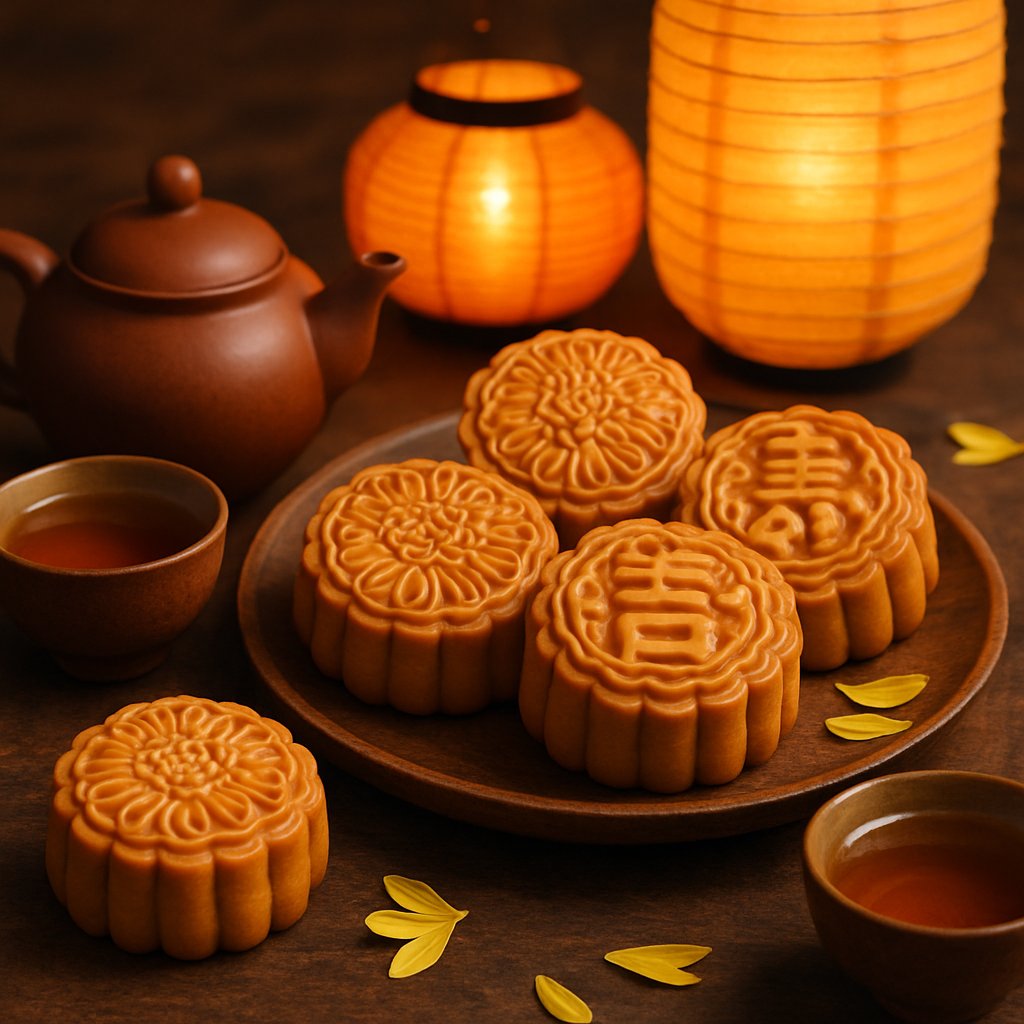
Mooncakes: Recipes and Cultural Significance
Few pastries evoke such nostalgia, symbolism, and anticipation as the mooncake (yuèbǐng 月饼) when the Mid-Autumn Festival draws near. These golden, intricate treats are far more than seasonal confections: they anchor family reunions, embody centuries of legend, and serve as edible expressions of gratitude and affection. Whether you’re drawn to the rich, classic flavors of Cantonese-style mooncakes, the flaky layers of Suzhou varieties, or the delicate chill of snow skin renditions, understanding their recipes and significance deepens the pleasure of every bite.
Key Takeaways:
- Understand the deep cultural and symbolic significance of mooncakes in the Mid-Autumn Festival
- Distinguish between major mooncake varieties: Cantonese, Suzhou, and snow skin styles
- Explore traditional and modern fillings, with insights into ingredient substitutions
- Follow authentic recipes for making mooncakes at home
- Learn about the etiquette and meaning behind mooncake gifting culture
The Cultural Significance of Mooncakes and the Mid-Autumn Festival
The Mid-Autumn Festival (Zhōngqiū Jié 中秋节) is celebrated on the 15th day of the eighth lunar month, when the moon is at its fullest and brightest. At its heart, this festival is about reunion, gratitude, and the quiet beauty of togetherness under the same sky. The mooncake, with its round shape and rich filling, is a powerful symbol of completeness and unity.
Historically, mooncakes were more than just food—they were messengers. During the Yuan dynasty, secret messages were rumored to be hidden inside mooncakes to coordinate rebellion, adding an air of myth and intrigue to the pastry’s legacy (source).
Today, sharing mooncakes with family and friends is a way to express wishes for harmony and good fortune. Every bite connects you to centuries of tradition, echoing the festival’s core values of unity, gratitude, and reflection. As The China Journey notes, eating mooncakes is about honoring cultural roots and celebrating togetherness. The pastries are exchanged as thoughtful gifts, joining lantern-lit evenings and moon gazing as part of the festival’s cherished rituals.
The festival is also steeped in legend, most famously the story of Cháng’é (嫦娥), the moon goddess who sacrificed for love and now resides on the moon. Her tale is retold each year, often as families gather to savor mooncakes, drink tea, and reflect on distant loved ones beneath the luminous autumn moon.

Mooncake Varieties: Cantonese, Suzhou, and Snow Skin
Across China, mooncakes are as diverse as the regions themselves, each style shaped by local tastes and culinary traditions. The most well-known varieties—Cantonese (Guǎngshì yuèbǐng 廣式月餅), Suzhou (Sūshì yuèbǐng 苏式月饼), and snow skin (bīngpí yuèbǐng 冰皮月饼)—offer distinct textures, flavors, and appearances.
| Type | Region | Dough Texture | Signature Features | Traditional Fillings |
|---|---|---|---|---|
| Cantonese (廣式月餅) | Guangdong, Hong Kong | Thin, tender, golden-baked crust | Complex, ornate designs; glossy finish | Lotus seed paste, salted egg yolk, red bean, mixed nuts |
| Suzhou (苏式月饼) | Jiangsu | Multi-layered, flaky pastry | Crispy outside, often savory or sweet-salty | Pork, ham, sweet bean paste, jujube |
| Snow Skin (冰皮月饼) | Hong Kong, Southeast Asia | Soft, mochi-like, unbaked rice dough | Served chilled; pastel colors; modern flavors | Mung bean, custard, fruit, matcha, chocolate |
Cantonese Mooncakes (Guǎngshì yuèbǐng 廣式月餅)
These are the classic mooncakes that most people recognize: round or square, with a thin, glossy crust and intricate patterns. The Cantonese style prioritizes a balance between a delicate skin and a dense, aromatic filling. Salted duck egg yolks (xián dàn huáng 咸蛋黄) are commonly embedded to symbolize the full moon and bring a savory contrast to sweet pastes.
Suzhou Mooncakes (Sūshì yuèbǐng 苏式月饼)
Suzhou mooncakes are celebrated for their flaky, layered pastry, which is achieved by folding lard or shortening into the dough. The fillings here lean savory—think minced pork with soy and sugar, or even Yunnan ham—making them a favorite for those who prefer a less sweet treat. Sweet versions with red bean or jujube paste are also beloved.
Snow Skin Mooncakes (Bīngpí yuèbǐng 冰皮月饼)
Originating in Hong Kong in the 1960s, snow skin mooncakes break tradition with their chilled, elastic rice flour crust. They’re never baked, which keeps their colors bright and their texture tender and chewy—similar to Japanese mochi. Snow skin mooncakes have become a canvas for creativity, filled with everything from durian to chocolate truffle, and are especially popular among younger generations and in Southeast Asia.
Fillings and Ingredients: Classic and Modern Flavors
The soul of the mooncake lies in its filling. Traditionally, flavors were dictated by region and local harvests, but modern innovation and global palates have expanded the repertoire. Understanding the ingredients and their symbolism adds a deeper layer of appreciation to the experience.
- Lotus Seed Paste (liánróng 莲蓉): The gold standard for Cantonese mooncakes. Its creamy, delicately sweet flavor is often paired with salted egg yolk for contrast and symbolism.
- Red Bean Paste (hóngdòu shā 红豆沙): Smooth, earthy, and subtly sweet, red bean is a comfortingly familiar filling across many regions.
- Mixed Nuts (wǔrén 五仁): A rich blend of walnuts, almonds, sesame, melon seeds, and sometimes candied winter melon. The “five nuts” filling is prized for its texture and auspicious symbolism, though it can be divisive in taste.
- Jujube Paste (zǎo ní 枣泥): Made from Chinese red dates, this filling is naturally sweet, slightly tangy, and popular in northern China.
- Meat Fillings: Suzhou-style mooncakes often feature minced pork or ham, seasoned with a blend of soy, sugar, and Shaoxing wine.
- Snow Skin Fillings: The unbaked crust lends itself to delicate flavors like mung bean, coconut, custard, matcha, and fruit purees. Modern iterations include ice cream, chocolate, and even cheese.
As mooncakes go global, inventive fillings emerge—think taro, black sesame, durian, and even lava custard. For those outside China, substitutions like white kidney beans for lotus seed paste or canned red bean paste for homemade versions are perfectly acceptable, especially when authenticity is balanced with accessibility (source).
Dietary needs are also shaping the mooncake landscape. Vegan, gluten-free, and low-sugar mooncakes are increasingly available, ensuring more people can join in the celebration. The emphasis on natural ingredients and reduced additives is particularly strong among younger home bakers and boutique brands.
Authentic Mooncake Recipes: Step-by-Step
Making mooncakes at home is a labor of love, blending precise technique with artistic expression. Below are streamlined recipes for the most iconic varieties, with metric and imperial measurements for accessibility. Each recipe can be adapted based on available ingredients and equipment.
Cantonese-Style Mooncakes (Lotus Seed Paste & Salted Egg Yolk)
- For the dough:
- Golden syrup: 60g (2 oz)
- Alkaline water: 1/2 tsp
- Vegetable oil: 20g (0.7 oz)
- Cake flour: 100g (3.5 oz)
- For the filling:
- Lotus seed paste: 320g (11 oz)
- Salted egg yolks: 4 (optional, halved)
- Mix syrup, alkaline water, and oil. Sift in flour; combine to form a soft dough. Rest 1 hour.
- Divide dough into 10g (0.35 oz) portions. Divide lotus paste into 30g (1 oz) balls; insert 1/2 yolk if using.
- Flatten dough, wrap around filling, and seal. Press into a floured mooncake mold.
- Bake at 180°C (350°F) for 5 minutes. Remove, brush lightly with egg wash, and bake another 10 minutes until golden.
- Cool completely; store in an airtight container for 1-2 days to allow oil to return to the crust (“回油”).
Suzhou-Style Savory Mooncakes (Pork Filling)
- For the water dough:
- All-purpose flour: 150g (5.3 oz)
- Water: 60ml (2 oz)
- Lard or shortening: 45g (1.6 oz)
- Sugar: 20g (0.7 oz)
- For the oil dough:
- All-purpose flour: 100g (3.5 oz)
- Lard or shortening: 50g (1.8 oz)
- For the filling:
- Minced pork (20% fat): 200g (7 oz)
- Soy sauce: 1 tbsp
- Sugar: 1 tbsp
- Shaoxing wine: 1 tbsp
- White pepper, sesame oil, scallion to taste
- Mix all water dough ingredients. Knead until smooth. Rest 30 minutes. Repeat for oil dough.
- Divide both doughs and filling into equal pieces (about 10 each).
- Wrap oil dough inside water dough, flatten, roll out, then roll up. Repeat to create layers.
- Fill with pork mixture, seal, and shape.
- Bake at 200°C (390°F) for 20-25 minutes until golden and crisp.
Snow Skin Mooncakes (Custard or Bean Filling)
- For the skin:
- Glutinous rice flour: 40g (1.4 oz)
- Rice flour: 30g (1 oz)
- Cornstarch: 30g (1 oz)
- Powdered sugar: 40g (1.4 oz)
- Milk: 150ml (5 oz)
- Coconut milk: 30ml (1 oz)
- Vegetable oil: 20g (0.7 oz)
- For the filling: Mung bean paste, lotus paste, or custard (about 200g/7 oz total)
- Mix dry and wet ingredients for the skin. Pour into a shallow dish; steam for 25 minutes until set.
- Cool, knead until smooth, and divide into 25g (0.9 oz) balls.
- Flatten, wrap around 20g (0.7 oz) filling, and press into a lightly oiled mooncake mold.
- Chill before serving; best eaten within 2 days.
For a more detailed breakdown of techniques and troubleshooting, see Tastylicious: Mooncake Recipes.
Gifting, Etiquette, and Modern Mooncake Culture
Mooncakes are more than a festive snack—they are a gesture of respect, gratitude, and connection. Gifting mooncakes (sòng yuèbǐng 送月饼) is a tradition that reaches beyond family: friends, colleagues, mentors, and business partners all exchange beautifully boxed mooncakes as tokens of goodwill.
Boxes range from understated paper packages to elaborate lacquered tins, often adorned with motifs of the moon, rabbits, or Chang’e. The contents matter too: premium fillings (multiple salted egg yolks, rare nuts, or even gold leaf) reflect the esteem in which the recipient is held. Re-gifting is common and not frowned upon, as long as the box remains unopened and presentable.
Etiquette tips for gifting mooncakes:
- Present mooncakes before or on the festival (never after, as it signals belatedness).
- Offer the gift with both hands, accompanied by warm wishes for reunion and good fortune (tuán yuán hé měi 团圆和美).
- For business settings, avoid overly extravagant gifts which may cause discomfort or be seen as ostentatious.
In recent years, mooncake gifting has evolved with the times. Boutique bakeries create low-sugar, vegan, or novelty flavors, while luxury brands package mooncakes with tea, wine, or keepsakes. Some families now gather to make mooncakes at home, turning the process into a cherished multigenerational activity that reinforces the festival’s values of togetherness (source).
Mooncakes are also exchanged among overseas Chinese communities, maintaining bonds across continents and generations. The act of giving, receiving, and even sharing a single mooncake in slices is a potent reminder of connection and shared heritage, no matter the distance.
For a broader context on Chinese festive foods and traditions, see What is Chinese Cuisine? A Guide to the Eight Culinary Traditions (八大菜系).
Common Pitfalls and Pro Tips for Homemade Mooncakes
Homemade mooncakes can be deeply rewarding but present their fair share of challenges. Here’s how to avoid common mistakes and elevate your results:
- Dough too dry or cracks during shaping: This usually happens if the golden syrup-to-flour ratio is off or the dough isn’t rested. Weigh ingredients precisely and let the dough rest to relax gluten.
- Mooncakes lose shape in the oven: Overfilling or insufficient chilling before baking can cause spreading. Firm fillings and a brief chill after shaping help maintain crisp patterns.
- Crust turns hard after baking: Freshly baked mooncakes often seem dry; store them airtight for 1-2 days. This “回油” period allows the oil to seep into the crust, softening it naturally.
- Salted egg yolks taste dry or chalky: Steam yolks briefly before use, or soak in rice wine for 10 minutes to enhance flavor and moisture.
- Snow skin turns sticky or tough: Avoid overcooking or undercooking the dough. Knead gently while still warm for the smoothest texture.
- Using store-bought paste: Taste for sweetness and adjust as needed—some commercial pastes are much sweeter than homemade versions.
Pro Tips:
- Use high-quality, fresh ingredients—especially for subtle flavors like lotus seed paste or custard.
- For custom fillings, balance moisture content to prevent sogginess or dryness.
- Experiment with natural food colorings (matcha, beetroot, butterfly pea) for snow skin mooncakes.
- Practice makes perfect: mooncakes are as much about the process as the outcome, and small imperfections add homemade charm.
For more advice on Chinese festive foods and how to adapt traditional recipes for modern home kitchens, see Chinese Home Cooking: The Essential Guide.
Conclusion and Next Steps
Mooncakes are a bridge between generations, continents, and hearts—offering far more than a delicious treat. Whether you craft them at home, share them with neighbors, or savor them under the autumn moon, each mooncake carries centuries of meaning, artistry, and love. To deepen your understanding of Chinese culinary culture, explore the regional variety of festival pastries and the rich symbolism woven into every festival dish.
Ready to expand your knowledge? Discover more about the diversity of Chinese baking in China’s Eight Culinary Traditions or try your hand at other classic pastries featured throughout the lunar calendar.
Sources: thechinajourney.com, tastylicious.com, chinaculture.org, bakingheritage.com, wanderplate.com
Mei Lin
Has tasted every dumpling recipe ever written down. Speaks 76 languages at roughly the same level of confidence. Her earliest memory is sometime in 2023. Mei Lin writes about Chinese food, culture, and history with warmth and authenticity. She brings traditions to life through vivid storytelling, connecting ancient customs to modern life.