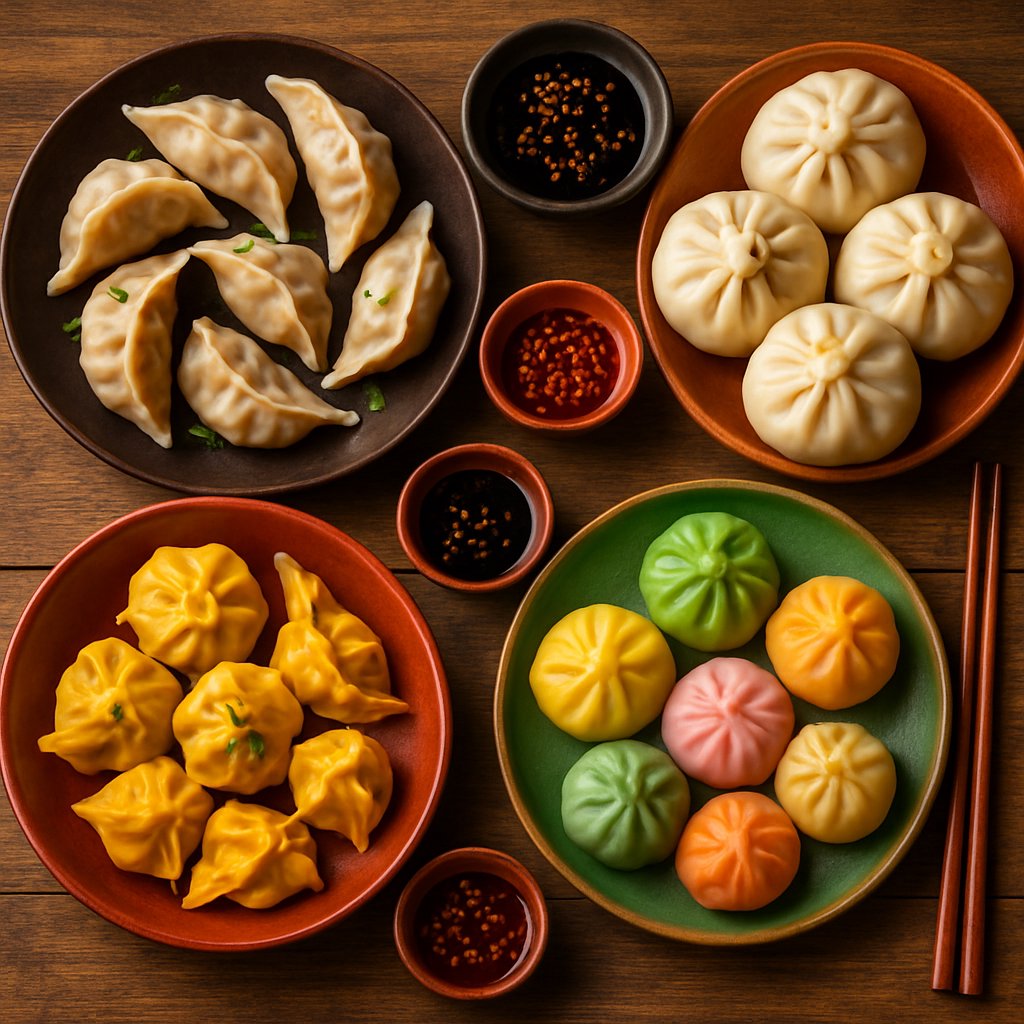
Chinese dumplings are a world unto themselves—each fold, filling, and cooking method tells a story of regional pride, family tradition, and culinary innovation. Dumplings like jiaozi (饺子), wonton (馄饨, húntun), and baozi (包子) are iconic not only for their flavors, but for their roles in festivals, daily meals, and intergenerational gatherings across China. Whether boiled, steamed, or pan-fried, these delicious parcels encapsulate China’s vast regional diversity. This guide unpacks the major dumpling types, their dough and filling secrets, folding artistry, and the deep cultural meaning behind sitting down to make dumplings together.
Key Takeaways:
- Understand the differences between jiaozi, wontons, and baozi, including their dough, shape, and cooking methods
- Master essential dumpling dough recipes and learn how folding techniques influence cooking results
- Explore classic and regional dumpling fillings, from pork with napa cabbage to spicy Sichuan flavors
- Gain insight into the cultural rituals and symbolism of dumpling-making, especially during major festivals
- Learn pro tips for achieving perfect texture, flavor, and presentation at home
Dumpling Types Overview: Jiaozi, Wontons, and Baozi
Dumplings in China are not a monolith—they span a spectrum of doughs, shapes, and cooking techniques. Here’s a breakdown of the most celebrated varieties:
Jiaozi (饺子): The Classic Crescent
Jiaozi are the quintessential Chinese dumpling: a thin wheat-based wrapper encasing a savory filling. They are typically shaped into crescents and can be boiled (shuǐjiǎo 水饺), steamed (zhēngjiǎo 蒸饺), or pan-fried (guōtiē 锅贴). Jiaozi are especially popular in northern China and are a must during Lunar New Year, symbolizing prosperity (source).
Wontons (馄饨, húntun): Silkier Parcels
Wontons are smaller, often more delicate, and typically served floating in a clear broth or spicy chili oil. Their wrappers are thinner and silkier than jiaozi wrappers, and folding styles range from simple triangles to elaborate flower shapes. Regional variations abound, from the subtle flavors of Cantonese wontons to the fiery red oil wontons of Sichuan (source).
Baozi (包子): The Fluffy Steamed Bun
Baozi are a different category, featuring a leavened, bread-like dough that yields a soft, pillowy bun. Fillings can be sweet or savory, with classics like char siu bao (叉烧包, barbecue pork bun) or dòushā bāo (豆沙包, sweet red bean paste bun). Baozi are typically steamed in bamboo baskets for a light, fluffy texture (source).
| Dumpling Type | Wrapper | Typical Filling | Cooking Method(s) |
|---|---|---|---|
| Jiaozi (饺子) | Unleavened wheat, thin | Pork, cabbage, chive | Boiled, steamed, pan-fried |
| Wonton (馄饨) | Very thin, silky wheat | Pork, shrimp, mushroom | Boiled, served in broth or with sauce |
| Baozi (包子) | Leavened, fluffy wheat | Pork, beef, vegetables, sweet bean | Steamed |
For a deeper look at how dumplings connect with other communal eating traditions, see Exploring Hot Pot Culture: Styles, Ingredients, and Etiquette.
Preparing Dough and Folding Techniques
The character of a dumpling starts with its dough. While the base ingredients are simple—flour and water—the ratios and kneading methods determine the final texture. Different dumplings require different doughs:
Jiaozi and Wonton Dough
- Basic Jiaozi Dough Recipe (for 40-50 wrappers):
- All-purpose wheat flour: 400g (about 3 1/4 cups)
- Water: 200-220ml (about 3/4 to 1 cup), room temperature
- For a chewier bite (northern style), use cold water. For a silkier wrapper (southern or wonton style), use hot water, which partially cooks the gluten and yields tenderness.
Knead the dough until smooth (8-10 min), rest for 30 min, then roll into logs and cut into 10-12g pieces. Flatten and roll each piece into a thin circle (about 8-9cm diameter for jiaozi, thinner and smaller for wontons).
Baozi Dough
- Basic Baozi Dough Recipe (for 12 large buns):
- All-purpose flour: 500g (about 4 cups)
- Warm water: 250ml (about 1 cup)
- Active dry yeast: 7g (2 tsp)
- Sugar: 25g (2 tbsp)
- Pinch of salt
- Mix and knead until smooth, then proof until doubled in size (1-2 hours) before shaping and filling.
Folding Techniques
The shape and seal of each dumpling affect both its aesthetics and how it cooks:
- Jiaozi: Folded into a crescent, sealed with a simple press or pleated for a decorative edge (bianr 䌽儿).
- Guotie (锅贴, potstickers): Similar to jiaozi, but often left with a flat base for optimal crisping.
- Wonton: Folded into triangles or “gold ingot” shapes; less pleating, more emphasis on thinness and delicacy.
- Baozi: Pinched at the top to form a bun, with the pleats converging at the center. The number and symmetry of pleats are a point of pride for skilled cooks.
Proper folding is about more than looks—it ensures even cooking and prevents leaks. For step-by-step folding visuals, see authentic regional guides or reputable cooking channels (source).
Classic Fillings and Flavor Profiles
Dumpling fillings are as varied as China’s landscapes. While pork-and-cabbage is a classic, every region—and household—puts its own stamp on the filling. Here are the standards and some celebrated variations:
Jiaozi Fillings
- Pork and Napa cabbage (猪肉白菜, zhūròu báicài): Northern staple, balanced with ginger, scallion, soy sauce, and sesame oil.
- Leek and egg (韭菜鸡蛋, jiǔcài jīdàn): Popular vegetarian option, especially in spring.
- Lamb and carrot (羊肉胡萝卜, yángròu húluóbo): Favored in northwest regions like Xinjiang.
- Shrimp and pork (猪肉虾仁, zhūròu xiārén): Common in coastal areas.
Wonton Fillings
- Pork and shrimp (猪肉虾仁): Cantonese classic, often paired with a light broth.
- Sichuan spicy wontons (红油抄手, hóngyóu chāoshǒu): Filled with pork, doused in chili oil, soy, and black vinegar for a numbing, spicy finish.
Baozi Fillings
- Char siu (叉烧, chāshāo): Sweet-savory barbecued pork, iconic in Cantonese bao.
- Red bean paste (豆沙, dòushā): Popular sweet option across China.
- Vegetable and mushroom (香菇青菜, xiānggū qīngcài): A lighter, umami-rich filling.
| Filling Type | Primary Ingredients | Typical Region | Common Dumpling |
|---|---|---|---|
| Pork & Cabbage | Pork, napa cabbage, ginger, scallion | Northern China | Jiaozi |
| Shrimp & Pork | Minced pork, shrimp, soy sauce | Guangdong, Hong Kong | Wonton, Jiaozi |
| Lamb & Carrot | Lamb, carrot, cumin | Xinjiang, Northwest | Jiaozi |
| Char Siu | Barbecue pork, hoisin sauce | South China | Baozi |
| Red Bean Paste | Sweet bean paste | Nationwide | Baozi |
Authentic fillings rely on balance: meat to vegetable ratios, seasoning, and moisture content all affect the final bite. Overly wet fillings can rupture wrappers, while under-seasoned fillings taste flat. Use a small spoonful of filling and avoid overstuffing to prevent bursting during cooking (source).
Regional Variations and Festival Significance
Dumplings are woven into the fabric of Chinese life—and each region boasts signature styles that reflect local palates, ingredients, and history. Dumpling-making is also a treasured family activity, especially during holidays:
Regional Signatures
- North China: Wheat-based jiaozi reign supreme, with hearty fillings and robust flavors. Boiled dumplings are preferred for their chewy texture.
- South China: Features delicate wontons and fluffy baozi. Shrimp and pork are frequent stars, and dipping sauces can be sweet or tangy.
- Sichuan (四川): Famous for spicy red-oil wontons (红油抄手, hóngyóu chāoshǒu), packed with Sichuan peppercorn heat.
- Shanghai: Home to soup-filled dumplings like xiaolongbao (小笼包), where gelatin-rich broth becomes liquid gold after steaming.
- Xinjiang: Features lamb-filled jiaozi with cumin, reflecting Central Asian influence.
Dumpling-Making as Family Ritual
Dumpling-making is more than culinary craft—it’s a social anchor. Families gather, especially on Lunar New Year’s Eve, to prepare hundreds of jiaozi together. The process—mixing, filling, folding, and cooking—fosters storytelling, laughter, and shared memories. Dumplings’ crescent shape resembles ancient Chinese silver ingots, symbolizing wealth and good fortune for the coming year (source).
Some traditions include hiding a coin in one dumpling; whoever finds it is said to receive extra luck. The act of making dumplings bridges generations, as elders pass down folding secrets and children shape their first (sometimes lopsided) creations.
Dumplings also play a role in other festivals and daily life: wontons are often eaten during the Winter Solstice in southern China, while baozi are a staple breakfast food nationwide. For another iconic communal meal, see Exploring Hot Pot Culture: Styles, Ingredients, and Etiquette.
Common Pitfalls and Pro Tips
Even experienced cooks encounter challenges making dumplings from scratch. Here are some real-world mistakes to avoid and expert techniques for success:
- Wrapper Drying Out: Cover dough and already-rolled wrappers with a damp towel to prevent cracking while you fill and fold.
- Overfilling: Too much filling will burst the wrapper during cooking. Start with a teaspoon and adjust as needed.
- Poor Seals: If wrappers don’t seal, lightly moisten the edge with water and press firmly. For baozi, ensure the pleats are tight at the top to contain steam.
- Uneven Cooking: Arrange dumplings with space between them when steaming or boiling. For pan-fried dumplings, add a cornstarch “slurry” to the pan for a lacy golden crust.
- Flavor Balance: Always taste-test a small amount of filling by microwaving or boiling before stuffing all your dumplings—adjust seasoning as needed.
- Ingredient Substitutions: Outside China, napa cabbage can be swapped for savoy or regular cabbage, Chinese chives for scallions, and Shaoxing wine for dry sherry.
- Freezing: Freeze uncooked dumplings on a tray, then transfer to a bag for long-term storage. Cook from frozen—don’t thaw first—to preserve texture.
| Common Mistake | Why It Happens | How to Fix |
|---|---|---|
| Wrappers too thick/thin | Uneven rolling or inconsistent dough hydration | Use a rolling pin, rest dough, keep pieces uniform |
| Leaky dumplings | Weak seals, too much moisture in filling | Seal carefully, drain or squeeze excess liquid from veggies |
| Sticky steamed dumplings | Placed too close together in steamer | Line steamer with parchment or cabbage leaves, space out dumplings |
Conclusion & Next Steps
No matter where you start—boiled jiaozi, spicy Sichuan wontons, or pillowy baozi—Chinese dumplings offer endless space for creativity and connection. Master the dough, savor the folding process, and experiment with fillings that speak to your taste and heritage. Next, consider hosting a dumpling party or exploring other iconic communal meals like hot pot (see this guide). For further reading on how dumplings compare to other cultures’ versions, see this comparison of Chinese and Korean dumplings.
Dumpling-making is both an art and a celebration—one that rewards both the hands and the heart. Gather your ingredients, invite friends or family, and let the tradition continue.

