
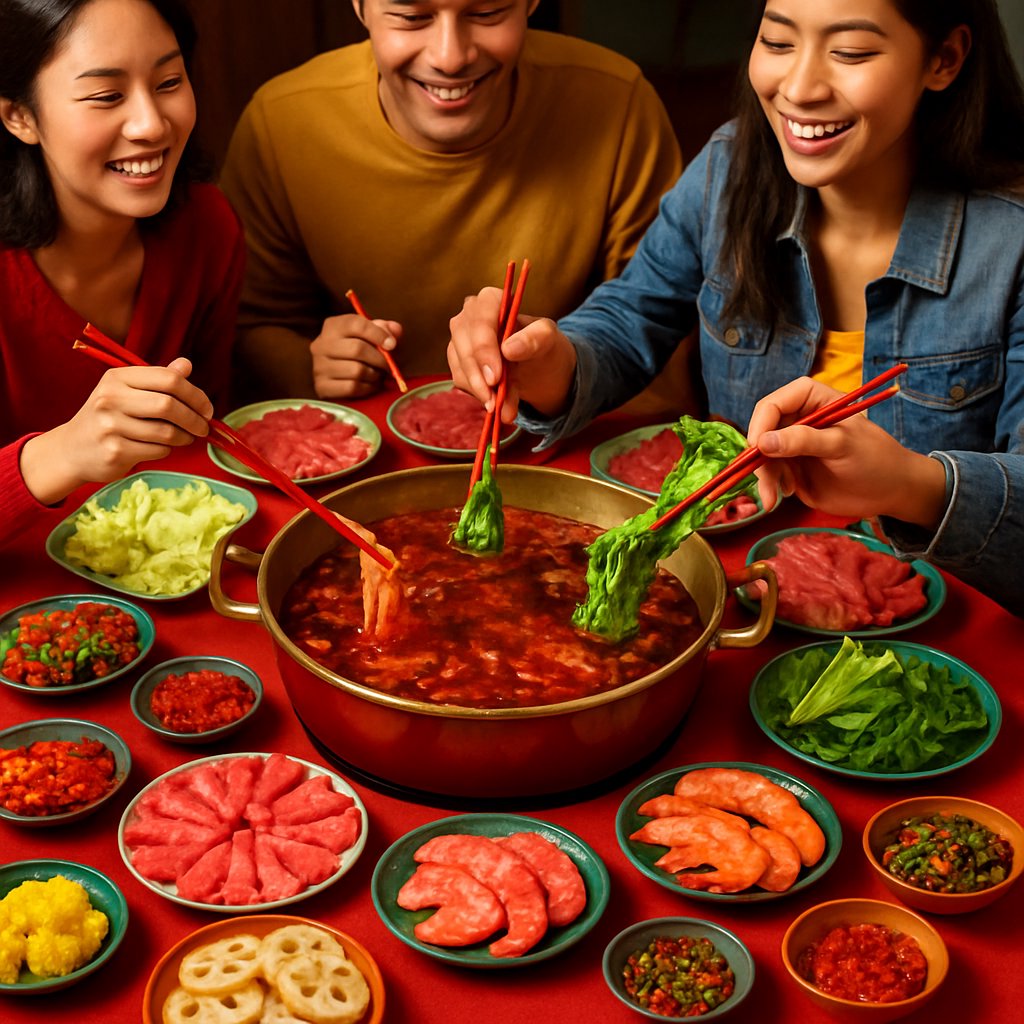
When you gather around a steaming pot, chopsticks in hand and laughter bubbling as much as the broth, you're partaking in a tradition that spans centuries and borders. Hot pot (火锅, huǒguō) is more than just a meal — it's a celebration of togetherness, local flavors, and culinary artistry. Whether you're craving the numbing spice of Sichuan, the elegance of Beijing’s copper pots, the lightness of Cantonese broths, or the playful creativity of Taiwanese tables, understanding regional hot pot styles deepens both your palate and your appreciation for Chinese culture.
Key Takeaways:
- Understand how hot pot reflects regional culinary traditions across China and Taiwan
- Compare Sichuan mala, Beijing copper pot, Cantonese, and Taiwanese hot pot styles
- Identify essential ingredients, broths, and authentic dipping sauces for each tradition
- Master hot pot etiquette for a respectful and enjoyable dining experience
- Estimate costs for home and restaurant hot pot, with tips for budgeting
Origins and Cultural Significance of Hot Pot
Hot pot, or huǒguō (火锅), has ancient roots, dating back over a thousand years. The earliest forms — known as "gudong soup" (咕咚汤) — were communal cauldrons used by Mongolian horsemen and northern tribes to boil meat and warm themselves during harsh winters (source). Over successive dynasties, hot pot spread southward, evolving with local tastes and ingredients. By the Qing Dynasty, it graced both imperial banquets and humble family tables.
Today, hot pot is a symbol of unity and conviviality. The act of cooking together at the table represents equality — everyone chooses their own ingredients and flavors, sharing stories as well as food. Hot pot is especially popular during the winter, family reunions, and festivals such as Chinese New Year (春节, Chūn Jié). It welcomes all ages and backgrounds, making it a universal comfort food across Greater China and beyond (source).
The core concept is simple: a simmering pot of broth, a spread of raw ingredients, and a lively group ready to dip, cook, and savor each bite. Yet, the details — broth, ingredients, sauces, and rituals — vary dramatically by region, reflecting the rich diversity of Chinese culture.
Regional Hot Pot Styles: Sichuan, Beijing, Cantonese, Taiwanese
China’s vast geography and culinary heritage have given rise to distinctive hot pot traditions. Here’s a comparison of four iconic styles:
| Style | Key Features | Signature Broth | Typical Ingredients | Notable Sauce |
|---|---|---|---|---|
| Sichuan (四川, Sìchuān) Mala | Fiery, numbing, communal | Spicy mala (麻辣, málà) with chilis & Sichuan peppercorns | Beef, tripe, duck blood, lotus root, tofu, wide range of vegetables | Sesame oil with garlic, cilantro, and chili |
| Beijing (北京, Běijīng) Copper Pot | Elegant, lamb-focused, historic | Light mutton broth, sometimes with goji berries or jujubes | Paper-thin lamb, napa cabbage, tofu, vermicelli | Fermented tofu (fǔrǔ, 腐乳), sesame paste, leek flower sauce |
| Cantonese (广东, Guǎngdōng) | Light, fresh, seafood-centric | Clear fish or chicken broth | Prawns, fish balls, sliced beef, mushrooms, leafy greens | Shacha (沙茶) sauce, soy, fresh chili |
| Taiwanese (台湾, Táiwān) | Creative, individual pots, fusion ingredients | Varied: miso, medicinal, tomato, spicy | Seafood, pork, taro, tofu skin, corn, pumpkin | Sha cha sauce, raw egg, garlic, green onion |
Sichuan Mala Hot Pot (四川麻辣火锅, Sìchuān málà huǒguō)
Sichuan’s contribution is legendary for its "mala" (麻辣) flavor — a heady mix of chili heat and the tongue-tingling buzz of Sichuan peppercorns (花椒, huājiāo). The broth is a complex blend of beef tallow, dried chilies, peppercorns, garlic, ginger, and a dozen spices. Hot pot restaurants in Chongqing and Chengdu often offer "yuan yang" (鸳鸯) dual pots: one spicy, one mild. Essential ingredients include beef slices, tripe (毛肚, máodǔ), duck blood, and a medley of crunchy vegetables.
Beijing Copper Pot Hot Pot (北京铜锅涮羊肉, Běijīng tóngguō shuàn yángròu)
Beijing hot pot is rooted in Manchu and Mongolian traditions. The iconic copper pot, heated by charcoal, is filled with a delicate lamb broth. The focus is on ultra-thin mutton or lamb, quickly swished ("shuàn," 涮) in the broth. Accompaniments are simple: napa cabbage, tofu, mung bean vermicelli (粉丝, fěnsī), and dipping sauces based on sesame paste (芝麻酱, zhīmajiàng) and fermented tofu (腐乳, fǔrǔ).
Cantonese Hot Pot (广东火锅, Guǎngdōng huǒguō)
Cantonese hot pot, or "da bian lu" (打边炉), is all about freshness and subtlety. The broth is usually a clear fish or chicken stock. Seafood is king: prawns, fish fillets, squid, and an array of fish balls. Sliced beef, mushrooms, and crisp greens complete the spread. Dipping sauces are lighter, often featuring shacha sauce (a savory, umami-rich blend of peanuts, garlic, and dried shrimp).
Taiwanese Hot Pot (台湾火锅, Táiwān huǒguō)
Taiwanese hot pot draws on Chinese, Japanese, and local influences. Individual pots are common, allowing each diner to pick their preferred broth and ingredients. Popular bases include medicinal herb broths, tomato, miso, and spicy mala. The ingredient list is playful: taro, corn, pumpkin, tofu skin, pork, and a dazzling array of seafood. Dipping sauces are customized, often combining sha cha, raw egg, green onion, and garlic for a creamy finish.
Broth Types and Flavor Profiles
The broth sets the tone for every hot pot experience. Each region’s base reflects local tastes and available ingredients:
- Sichuan: Spicy mala broth, intensely aromatic from beef tallow, doubanjiang (fermented chili bean paste), whole garlic, and anise. Non-spicy "clear broths" are also common for balance.
- Beijing: Clear, subtle lamb or mutton broth, sometimes enhanced with goji berries (枸杞, gǒuqǐ) and Chinese dates (红枣, hóngzǎo) for gentle sweetness.
- Cantonese: Transparent chicken, pork, or seafood stock. Emphasizes natural umami and sweetness of fresh ingredients — no overpowering seasonings.
- Taiwanese: Wide range: miso, tomato, medicinal herbs, spicy, or even milk-based broths. Flavors can be light or bold, often inviting creative combinations.
The right broth is crucial — it not only cooks the ingredients but also infuses them with layered flavors. Many restaurants let you customize heat levels or choose multiple broths in a split pot.
Essential Ingredients by Region
While hot pot is endlessly adaptable, certain ingredients define each style and are best enjoyed fresh and thinly sliced for quick cooking. Here’s a summary:
| Region | Proteins | Vegetables | Carbs & Others |
|---|---|---|---|
| Sichuan | Beef, tripe, duck blood curd, luncheon meat, fish fillets | Lotus root, potato, enoki mushrooms, winter melon | Tofu, glass noodles, fried dough sticks (油条, yóutiáo) |
| Beijing | Lamb, beef, meatballs | Napa cabbage, spinach, sliced radish | Tofu, mung bean vermicelli, wheat noodles |
| Cantonese | Prawns, fish, beef, chicken, cuttlefish balls | Bok choy, Chinese lettuce, shiitake mushrooms | Rice noodles, tofu skin (腐皮, fǔpí) |
| Taiwanese | Pork belly, seafood, beef, fish balls | Taro, pumpkin, sweet corn, tomato | Tofu skin, yam noodles, sticky rice cakes |
Ingredient quality is paramount: fresh meat sliced paper-thin, crisp vegetables, and handmade balls or tofu are marks of an excellent hot pot meal. For home cooking outside China, substitute with the freshest local produce and thinly slice proteins for quick cooking.
Dipping Sauces and Condiments
Dipping sauces are a personalized art, often as important as the broth itself. Each region has signature bases, and diners are encouraged to mix and match. Here’s what you’ll encounter:
- Sichuan: Sesame oil with copious garlic, cilantro (香菜, xiāngcài), chopped chilis, and sometimes oyster or soy sauce. For cooling the heat, add vinegar or a spoonful of sugar.
- Beijing: Rich sesame paste (芝麻酱, zhīmajiàng), often thinned with broth and mixed with fermented tofu (腐乳, fǔrǔ), leek flower sauce (韭花酱, jiǔhuājiàng), and chili oil.
- Cantonese: Shacha sauce (沙茶酱, shāchájiàng), soy sauce, fresh chili, minced garlic, and sometimes chopped scallion.
- Taiwanese: Sha cha, raw egg (for dipping cooked meat), green onion, garlic, and a touch of sugar for a creamy, sweet-savory blend.
Many restaurants provide a sauce bar (蘸料台, zhànliào tái) with dozens of options, from classic chili oil to chopped peanuts and fermented tofu. Try different combinations to find your perfect pairing.
Hot Pot Etiquette and Dining Tips
Hot pot is as much about social ritual as flavors. Observing proper etiquette ensures a harmonious and enjoyable meal:
- Chopstick rules: Use communal chopsticks or serving tools to pick up raw ingredients. Never dip your personal chopsticks into the communal pot.
- Cooking order: Start with lighter ingredients (greens, tofu), then move to meats and seafood. This preserves the broth’s clarity and flavor.
- No ingredient hoarding: Avoid fishing out all the best pieces for yourself. Share evenly and cook in batches.
- Mind the doneness: Thin meats cook in seconds; overcooking leads to toughness. Use a wire strainer basket or hot pot scoop for easy retrieval.
- Personal bowls: When eating spicy hot pot, keep a small bowl of sesame oil or broth for dipping to cool and balance flavors.
- Conversation: Hot pot is slow food — relish the process, chat between bites, and don’t rush the meal.
In formal settings or banquets, elders and guests are often served first. When eating with locals, observe their habits and follow their lead for a respectful experience. For more on Chinese dining etiquette, see Chinese Banquet Etiquette: Dos and Don’ts.
Cost Guide for Hot Pot
Hot pot can be a luxurious splurge or a budget-friendly feast, depending on location, ingredient choice, and group size. Here’s a breakdown for both home and restaurant experiences:
| Setting | Per Person Cost (USD) | Typical Inclusions | Notes |
|---|---|---|---|
| Home Hot Pot (China or US) | $7–$15 | Broth base, 2–3 meats, 3–5 veggies, noodles, basic sauces | Cheaper with larger groups; specialty ingredients raise costs |
| Mid-range Restaurant | $15–$30 | All-you-can-eat or à la carte, sauce bar | Popular chains: Haidilao (海底捞), Little Sheep (小肥羊) |
| Premium Restaurant | $40–$70+ | Wagyu beef, seafood platters, premium broths | Private rooms, table service, imported ingredients |
For home hot pot, a basic electric pot or induction cooker is sufficient. Specialty broths and imported meats add to the cost, but seasonal vegetables and local proteins keep it affordable. In large cities abroad, expect restaurant hot pot prices to be 10–30% higher than in China. For a guide to budgeting and planning shared meals, see How to Plan a Chinese Family-Style Dinner.
Common Mistakes and Pro Tips
Even seasoned diners can stumble at hot pot. Here are real-world pitfalls — and tips for a better experience:
- Overcrowding the pot: Cooking too many items at once drops the temperature, leading to uneven cooking and cloudy broth. Cook in small batches.
- Neglecting ingredient order: Add delicate greens last to keep them crisp; cook root vegetables and seafood first so they flavor the broth without overcooking.
- Overcooking proteins: Thinly sliced meats take only 10–30 seconds. Remove promptly or risk chewiness.
- Ignoring cross-contamination: Always use separate chopsticks or tongs for raw and cooked items to avoid foodborne illness.
- Monotonous sauces: Don’t limit yourself to one sauce. Experiment with different bases and condiments for variety throughout the meal.
- Not tasting the broth: As the meal progresses, the broth becomes richer. Ladle some into your bowl as a warming soup between rounds.
For a deeper dive into regional Chinese cuisine and ingredient sourcing, explore Chinese Ingredients Guide for Home Cooks.
Conclusion and Next Steps
Hot pot is a living tradition — adaptable, endlessly varied, and deeply rooted in the places and people who gather to share it. Whether you’re exploring the fiery depths of Sichuan mala, savoring Beijing’s elegant lamb, enjoying the fresh bounty of Cantonese seafood, or customizing a Taiwanese feast, you’re participating in a joyful ritual of connection and flavor. Try recreating a regional style at home, visit a new hot pot restaurant, or host a multicultural hot pot night. For more on Chinese dining culture, etiquette, and culinary traditions, see the related guides above and continue your exploration of this beloved communal meal.