Categories
Cloud & Business Technology Storage

NAND Shortages Could Shut Down Electronics Firms by 2026

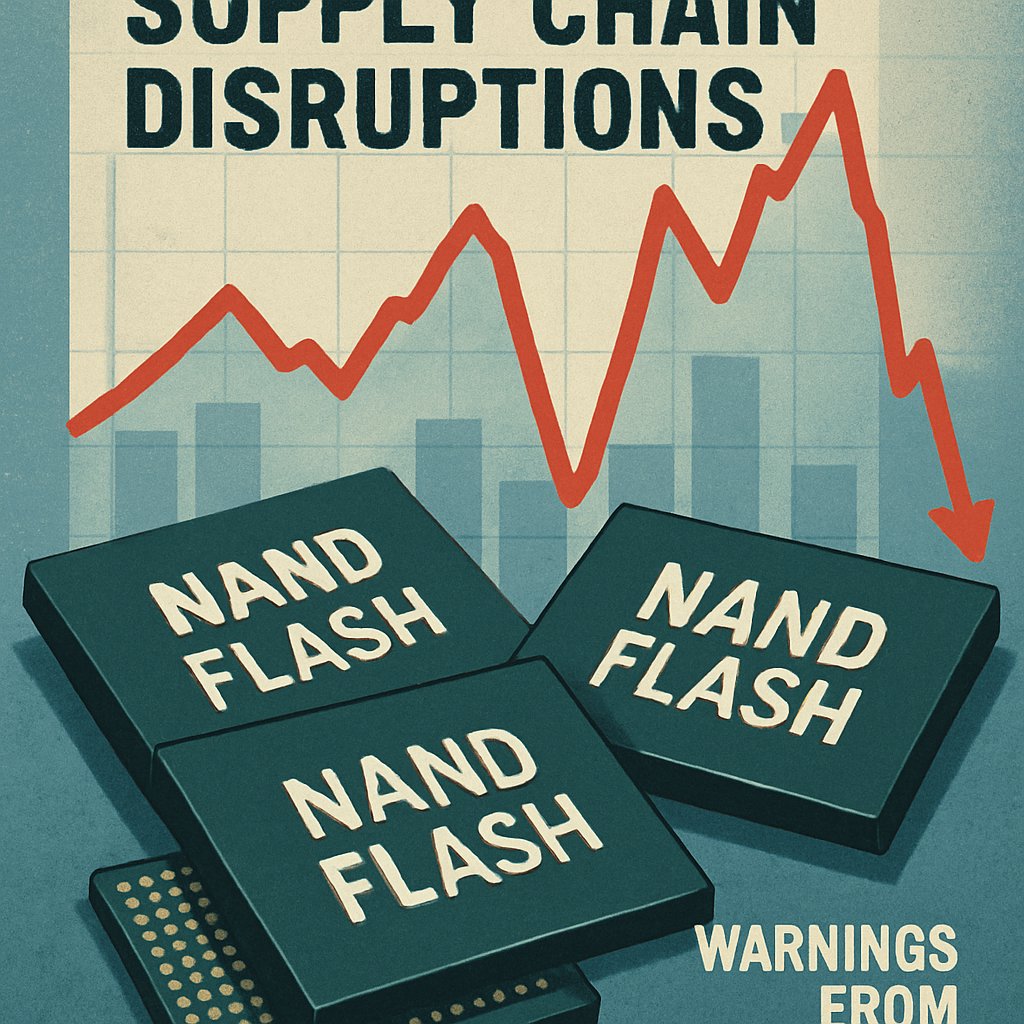
Major disruptions to the consumer electronics industry could arrive as soon as 2026, according to Phison CEO Pua Khein-Seng. He warns that unprecedented NAND flash shortages, compounded by aggressive cash demands from foundries, may force entire electronics companies to shut down. This isn't just a supply chain headache—it's a looming existential threat for system builders, device OEMs, and anyone reliant on flash memory.

Key Takeaways:

  • NAND flash shortages could last up to 10 years, with severe disruption forecast for 2026
  • At least one major foundry is demanding three years of cash payments upfront from buyers
  • Small and mid-size electronics manufacturers are at high risk of bankruptcy or exiting product lines
  • OEMs must act now to secure NAND supply, diversify vendors, and prepare for higher costs
  • This crisis is driven by surging AI/data center demand, not just cyclical market forces

Why NAND Shortages Are Getting Worse

The NAND flash market is facing pressures unlike anything seen in the past decade. Pua Khein-Seng, CEO of Phison Electronics, told Tom's Hardware that a "memory supercycle" is imminent, driven by:

  • Massive AI data center buildouts consuming unprecedented NAND/DRAM volumes
  • Limited foundry expansion due to high capex and slow construction timelines
  • Persistent supply chain disruptions from geopolitical instability and pandemic aftershocks

Unlike past shortages, this one is not expected to resolve in a typical 6-18 month cycle. According to Pua, "severe" shortages could begin in 2026 and persist for up to a decade (Tom's Hardware).

According to Pua, "severe" shortages could begin in 2026 and persist for up to a decade (Tom's Hardware).

Data Center and AI Demand Is the Primary Driver

While consumer electronics like smartphones and laptops still use huge quantities of NAND, the growth of AI and cloud infrastructure is outpacing these segments. Hyperscalers are pre-purchasing vast amounts of memory, locking up capacity years in advance.

This means less supply is available for smaller OEMs, and even major brands like Apple are finding it difficult to secure what they need (ExtremeTech).

How 2026 Will Be Different

The 2026 tipping point is not just about high prices. The Phison CEO predicts actual production halts and bankruptcies for companies unable to secure NAND flash (LevelUpTalk).

Foundry Payment Shock: Three-Year Cash Upfront

Pua Khein-Seng’s most alarming claim is that at least one of the world’s three major NAND foundries is now demanding three years’ worth of cash prepayments upfront from buyers (Yahoo Finance). This is a radical departure from historical industry practices, where:

  • Orders were typically secured with purchase agreements, not huge cash deposits
  • Payment terms ranged from net-30 to net-90, not multi-year cash advances

For smaller system builders and even mid-size OEMs, this cash flow requirement is often impossible to meet. The consequence? Only the largest, most cash-rich brands can guarantee supply.

Traditional NAND Procurement2026+ Foundry Policy (as reported)
Purchase order, net-30/60 terms3-year cash payment upfront
Suppliers compete for contractsFoundries pick largest/cash-rich buyers
Room for negotiationTake-it-or-leave-it terms

Why Are Foundries Doing This?

With demand far outstripping supply, foundries have unprecedented leverage. They want to:

  • Lock in revenue for years (reducing financial risk)
  • Pare down the number of customers they need to support
  • Prioritize partners who can guarantee large, stable orders

This is a classic example of supply chain power shifting upstream. For most consumer electronics firms, it’s an existential threat—not just a cost issue.

Industry Impact: Who Is at Risk?

The Phison CEO’s warnings are not speculative—they’re based on current foundry behavior. According to VideoCardz, Pua predicts a “massive die off” among system-building companies if the situation continues. Here’s how the risk profile breaks down:

Company TypeRisk LevelWhy?
Large OEMs (Apple, Samsung, Dell)MediumCan prepay, but face supply stress and higher costs
Consumer Electronics StartupsCriticalCannot meet prepayment terms; at risk of exit
Mid-size System IntegratorsHighLimited leverage, squeezed by both ends
Cloud/AI HyperscalersLowPriority customers for foundries; locking up supply

Real-World Impact: Example Scenarios

  • Smartphone production could fall by up to 250 million units in 2026 (according to ExtremeTech).
  • Entire product lines (e.g., SSDs, tablets, embedded devices) may be discontinued by companies unable to secure NAND
  • Expect price hikes, product delays, or outright cancellations across consumer electronics

Compliance and Business Continuity

For IT managers, this kind of disruption creates compliance headaches (especially for regulated industries) and major business continuity risks. Vendor lock-in, lack of supply diversity, and unpredictable pricing are all red flags for risk management frameworks.

If you are evaluating collaboration or cloud migration solutions, see our related coverage: Collaboration Tools Compared: SharePoint vs Confluence vs Notion and Digital Transformation: Migrating from On-Premises to Cloud.

What to Do Now: Strategies for OEMs and IT Leaders

With a multi-year NAND shortage looming, IT decision-makers must act now to mitigate risk and prepare for volatility:

  1. Lock in Supply Contracts Early: If possible, negotiate multi-year supply agreements before terms get even tougher. Consider aggregating volume with industry partners.
  2. Diversify Suppliers: Don’t rely on a single foundry or distributor. Seek secondary sources, even if unit costs are higher.
  3. Rebalance Product Portfolios: Prioritize high-margin or essential products. Consider dropping low-volume SKUs that risk being stranded by supply gaps.
  4. Scenario Planning: Model out scenarios for severe allocation cuts, price spikes, or extended lead times. Prepare customer communications in advance.
  5. Cash Flow Reserves: If you must prepay for supply, ensure your capital structure can handle these demands—or seek financing partners who understand the urgency.
  6. Track Compliance and Data Portability: If you migrate workloads or storage platforms, ensure you still meet compliance requirements (SOC 2, ISO 27001, HIPAA, etc.) and have exit strategies in case your vendor faces supply shocks.

For guidance on deploying new storage clients in volatile environments, see: How to Set Up and Use the Nihao Cloud Drive Client.

Hidden Costs and Vendor Lock-In

As foundries tighten terms, beware of hidden costs—especially “take or pay” minimums, expedited shipping fees, and higher-than-expected deposit requirements. Once locked into a prepayment regime, it’s extremely difficult to switch suppliers without major financial penalties or lost inventory.

Common Pitfalls and Pro Tips for NAND Supply Chain Management

Based on real-world production environments, here are the most common mistakes and how to avoid them:

  • Underestimating Lead Times: NAND lead times can balloon from 8 weeks to 12+ months during shortages. Always build in extra buffer.
  • Single-Sourcing: Relying on one preferred vendor leaves you exposed. Even Tier 1 suppliers may not fulfill all orders.
  • Ignoring Cash Flow Impact: Multi-year prepayments can cripple working capital. Model out the impact before committing.
  • Assuming Price Will Normalize Quickly: This shortage is not a typical cycle. Prepare for sustained high prices and limited availability.

Pro Tips

  • Work with supply chain finance partners who understand component volatility
  • Join industry consortia to access pooled buying power
  • Regularly review contract language for force majeure and allocation clauses
  • Keep a close eye on regulatory changes affecting exports/imports of semiconductors

For legacy hardware users, see Advanced Techniques for Connecting 27-Year-Old Apple iBooks to Wi-Fi for tips on managing obsolescence in constrained markets.

Conclusion: Next Steps for Technology Leaders

NAND flash shortages are set to reshape the electronics industry, with a likely wave of bankruptcies and supply failures by 2026. If you manage sourcing or product strategy, act now: secure your supply, diversify your partners, and build in financial and operational buffers. Watch foundry terms closely—three-year cash prepayments are no longer theoretical but a present reality for some buyers. For further context on navigating hardware and platform transitions, check out our Apple iBooks vs. Vintage Windows Laptops Comparison.

For ongoing updates and deeper analysis, monitor authoritative sources like Tom’s Hardware and Yahoo Finance.