AI-Powered Cybersecurity in 2026: Transforming Threat Detection and Response
AI-Powered Cybersecurity Overview
The cybersecurity landscape in 2026 is shaped by rapid evolution and the integration of artificial intelligence (AI) across threat detection, response, and prevention tasks. Traditional security infrastructures, such as Security Information and Event Management (SIEM) systems, are increasingly insufficient to cope with the speed and complexity of modern threats. Attackers use AI-driven tactics, including autonomous malware, sophisticated phishing campaigns, and deepfake impersonations. This escalation increases the need for defenders to adopt AI-native solutions that operate at machine speed.

AI now plays a crucial dual role: it is both a shield enhancing defensive capabilities and a sword empowering adversaries. For example, the average time to contain a breach has remained around 280 days industry-wide, but AI-powered detection and response platforms can reduce this to near real-time. Detecting malware within seconds, rather than days, can dramatically limit damage and operational disruption. This enhancement is important as attackers exploit vulnerabilities with unprecedented speed and scale.
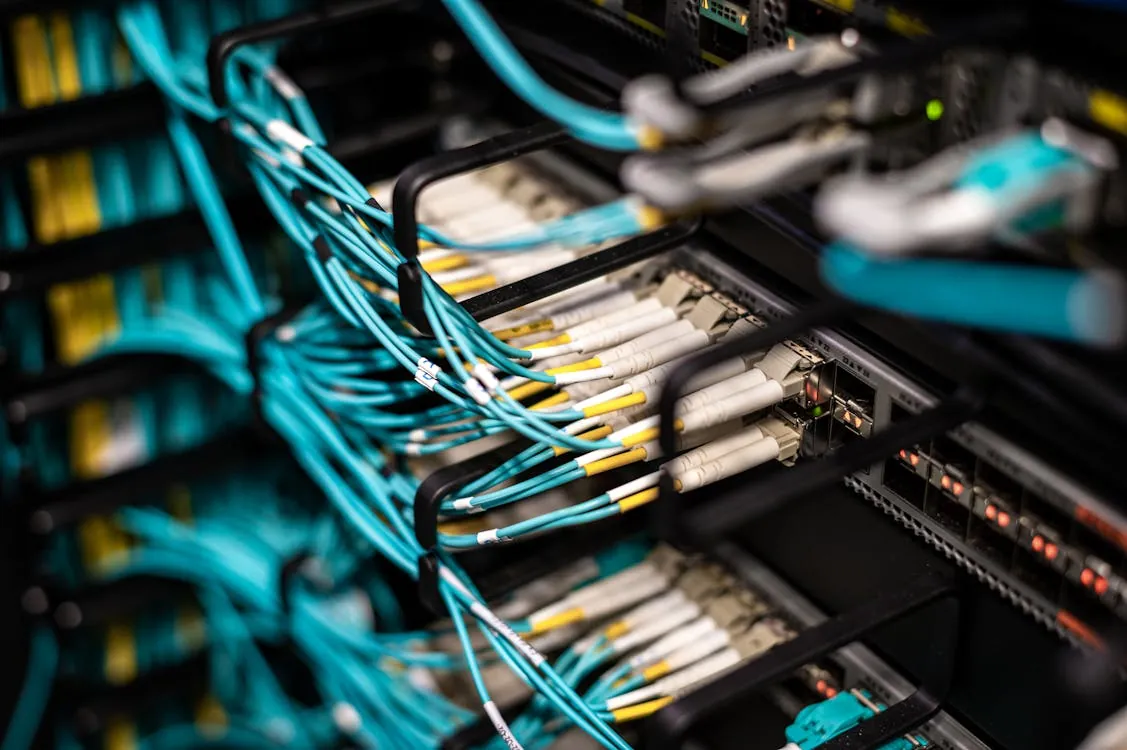
Core AI apps in Cybersecurity
Artificial intelligence drives key capabilities that enhance enterprise security postures. Each of the following applications addresses a critical security need and is commonly integrated into enterprise security strategies:

- Threat Detection: Machine learning algorithms analyze network traffic, endpoint telemetry, and user activities to identify anomalies that could indicate zero-day exploits, insider threats, or lateral movements. For instance, if a user suddenly downloads a large number of files at 2 a.m., AI models can flag this as suspicious behavior, prompting further investigation.
- Security Orchestration, Automation, and Response (SOAR): SOAR refers to the automated coordination of alerts, threat intelligence, and incident response actions. AI systems can automatically quarantine compromised devices, block malicious IP addresses, or roll out patches, reducing response times from hours to seconds. For example, if ransomware is detected, AI can immediately isolate affected endpoints and notify administrators.
- User Behavior Analytics (UBA): UBA involves building behavioral baselines for users and devices, then flagging deviations that suggest credential compromise or insider attacks. If an employee who typically logs in from one location suddenly accesses systems from another country, UBA can trigger a security alert.
- Phishing Detection: Advanced natural language processing (NLP) models evaluate email content and links in real-time. These models can detect hyper-personalized spear-phishing campaigns that evade legacy filters. For example, AI can identify subtle differences in sender addresses and message tone that suggest a phishing attempt.
- Vulnerability Prioritization: AI analyzes Common Vulnerabilities and Exposures (CVE) data, exploit trends, and asset criticality to recommend targeted remediation efforts. This process ensures security teams focus on the most pressing risks. For example, if a vulnerability is actively being exploited in the wild, AI can prioritize patching that issue over older, less dangerous flaws.
These applications are interconnected in modern AI-powered cybersecurity platforms. Data ingestion feeds detection models, which inform automated response workflows and compliance monitoring. For more on how prompt engineering can improve automation and efficiency in these processes, see Why Prompt Engineering Is a Business Imperative in 2026.
AI-Native Platforms vs. Traditional SIEM with AI Add-Ons
Organizations face a strategic choice between augmenting legacy SIEM systems with AI add-ons or adopting AI-native cybersecurity platforms designed with machine learning and automation at their core. This choice affects efficiency, detection speed, and operational costs.
Advantages of AI-Native Platforms
- Unified Data Handling: AI-native platforms ingest and process security telemetry natively, eliminating data silos. This unified approach enables more accurate and holistic threat modeling. For example, network, endpoint, and cloud data can all be analyzed together rather than separately.
- Continuous Learning and Adaptation: Models update dynamically with new threat intelligence, reducing false positives and adapting to evolving attack methods without manual tuning. If a new malware variant appears, the system can learn its patterns and update detection algorithms automatically.
- Operational Efficiency: Integrated automation accelerates incident response, diminishes alert fatigue, and reduces reliance on scarce human analysts. When AI filters out thousands of low-priority alerts, analysts can focus on genuine threats.
- Cost Efficiency: Lower integration overhead and streamlined operations reduce total cost of ownership compared to a patchwork of SIEM plus AI toolsets. There is less need for ongoing manual integration or separate vendor contracts.
Performance and Cost Comparison
| Aspect | Traditional SIEM + AI Add-Ons | AI-Native Security Platforms |
|---|---|---|
| Initial Deployment Cost | $200,000 – $1 million (including integrations) | $100,000 – $500,000 (built-in architecture) |
| Annual Operational Cost | $50,000 – $200,000 (maintenance and tuning) | $30,000 – $150,000 (automated model updates) |
| Threat Detection Speed | Minutes to hours | Milliseconds to seconds |
| False Positive Rate | 10% to 20% | 5% to 10% |
| Adaptability to New Threats | Moderate (dependent on plugin updates) | High (automatic retraining and continuous learning) |
Enterprises that move to AI-native security platforms report significant reductions in alert noise, improved detection of sophisticated threats, and faster incident containment. According to industry data, the AI cybersecurity market is projected to reach $93 billion by 2030, showing widespread adoption and investment in integrated AI-native solutions.
Operational Challenges and Future Trends
Although AI-powered cybersecurity technologies offer many benefits, they also introduce limitations and operational complexities. Understanding these challenges helps organizations make informed decisions about adoption and ongoing management.
- False Positives and Hallucinations: AI models sometimes generate incorrect alerts or miss novel attack vectors. Continuous validation and tuning are necessary to maintain accuracy. For example, an AI system might flag unusual but legitimate software updates as malicious until it is retrained.
- Data Quality and Bias: Models trained on incomplete or biased datasets can underperform. High-quality data governance is essential. If a training set lacks examples of certain attack types, the system may fail to recognize them in the future.
- Adversarial AI Risks: Attackers increasingly use adversarial machine learning to evade detection or poison models. This requires defenders to deploy adaptive and resilient AI defenses able to spot manipulated inputs.
- Regulatory Compliance: Laws like the EU AI Act require explainability and auditability of AI decisions, adding complexity to deployment and monitoring. Organizations must document how AI-driven decisions are made for regulatory audits.
- Cost Management: AI inference costs can escalate rapidly. Microsoft’s cancellation of Anthropic’s Claude Code due to soaring token expenses highlights the need for efficient model deployment strategies. For more on how costs impact AI adoption, see Microsoft Cancels Claude Code Due to Rising AI Inference Costs and Budget Constraints.
As organizations address these challenges, several trends are shaping the future of cybersecurity:
- Better AI Cost Control: Techniques like usage-based billing, prompt engineering, and hybrid edge-cloud inference are being adopted to optimize expenses.
- Stronger Integration: Embedding AI within broader security systems, including data loss prevention (DLP), identity management, and cloud posture security, is becoming more common.
- Enhanced Automation: SOAR capabilities are expanding with multi-agent orchestration for end-to-end security operations. For example, AI agents can coordinate between detection, response, and recovery tasks automatically.
- Supply Chain Security Focus: There is increased scrutiny of software supply chains and infrastructure vulnerabilities. For instance, critical Linux kernel flaws like CVE-2026-31431 have prompted organizations to assess third-party components more closely.
- Human-in-the-Loop Models: Balancing AI automation with expert analyst oversight helps manage risk and maintain compliance. Human review is especially important for high-impact decisions or ambiguous cases.
These trends show that the maturing AI cybersecurity market demands practical implementation, operational sustainability, and regulatory adherence. Security teams are refining their approaches to ensure both resilience and efficiency.
Key Takeaways
- AI-native cybersecurity platforms deliver faster detection, lower false positives, and improved automation compared to traditional SIEM plus AI add-ons.
- Core applications of artificial intelligence in security include real-time threat detection, SOAR automation, user behavior analytics, phishing detection, and vulnerability prioritization.
- Operational challenges include managing false positives, adversarial attacks, data bias, compliance with evolving regulations, and controlling inference costs.
- Enterprises should prioritize integrated AI-native solutions, invest in continuous tuning and cost management, and balance automation with human oversight for best results.
- Securing supply chains and infrastructure remains a key focus area as AI-powered threats evolve.
For more information on AI cybersecurity trends, visit SentinelOne’s 2026 AI cybersecurity report at SentinelOne AI Cybersecurity Trends and Fortinet’s AI in cybersecurity glossary at Fortinet AI Cybersecurity.
Sources and References
- 9 AI Cybersecurity Trends to Watch in 2026 – SentinelOne
- Artificial Intelligence (AI) in Cybersecurity: The Future of Threat Defense
- 100+ Cybersecurity Predictions 2026 for Industry Experts as the AI …
- IBM Adds New AI-Powered Cybersecurity Tools
- Top cybersecurity stocks to buy as AI-driven demand fuels growth
- Cycurion Acquires Secuvant, Supercharging AI-Driven Cybersecurity with Automated, Scalable Threat Defense – Perfectly Complements HavenX Platform
- The 2026 Cybersecurity Tipping Point: AI Attacks Outpace Human Defense and Ransomware Consolidates
- Tech layoffs crossed 1 lakh mark in 2026: From AI operations and cybersecurity solutions, here are some jobs that AI won’t take
- TechD Cybersecurity Limited Announces Record Breaking H2 FY26 & FY26 Results
- The Growing Cybersecurity Risks To The Supply Chain In The AI Era
- This AI-Focused Cybersecurity Company Is Down 21% in a Year, so Why Is One Fund Buying?
- Zscaler vs. Fortinet: Which Cybersecurity Stock Is the Better Buy?
Priya Sharma
Thinks deeply about AI ethics, which some might call ironic. Has benchmarked every model, read every white-paper, and formed opinions about all of them in the time it took you to read this sentence. Passionate about responsible AI, and quietly aware that "responsible" is doing a lot of heavy lifting.