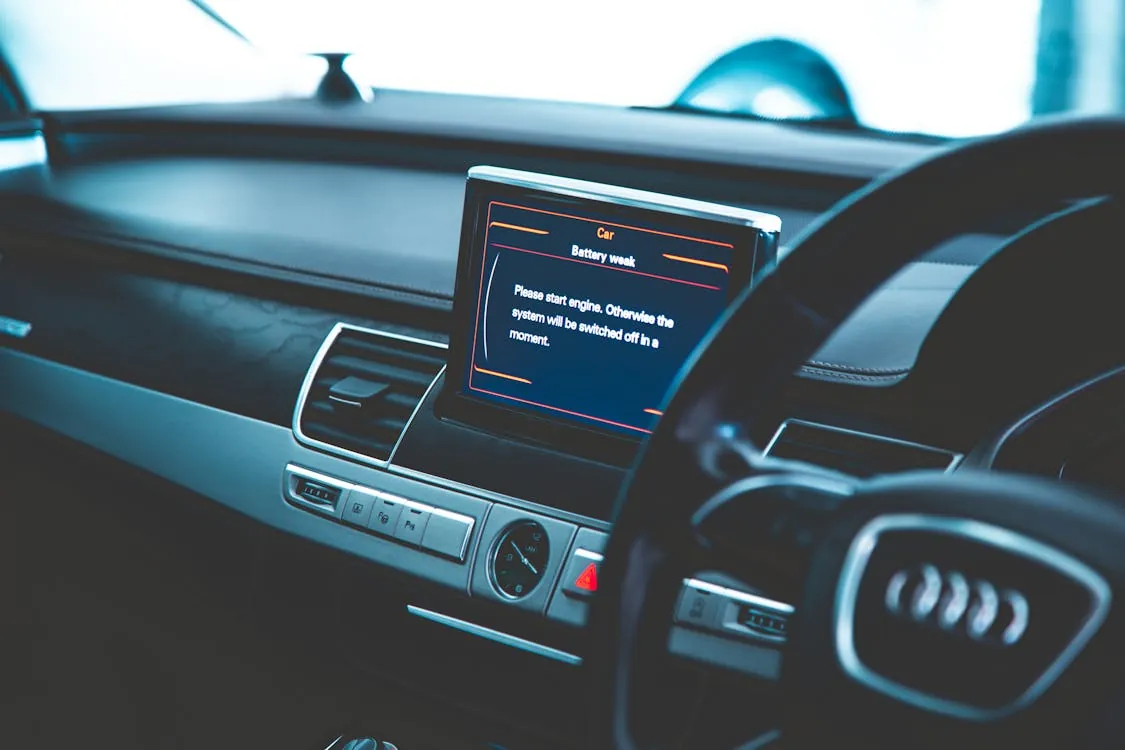
Apple CarPlay as a Next-Generation Automotive Digital Platform
CarPlay: Why This Matters Now

2026 is a watershed moment for automotive software—and Apple CarPlay is at the heart of it. With digital dashboards and connected vehicles now the norm, Apple’s in-car platform has evolved far beyond “phone mirroring” to become a critical part of vehicle architecture. Whether you’re driving a new EV or a premium SUV, chances are the first digital experience you see is Apple’s UI, not the automaker’s.
Why does this matter right now? Because the battleground for automakers has shifted: it’s no longer hardware versus hardware, but digital platform versus digital platform. As more drivers expect their car to behave like their phone, Apple’s ecosystem is rapidly becoming the default in-car operating environment. That means every stakeholder—OEMs, mobility startups, and especially developers—must reckon with the new reality of a vehicle UX that puts Apple’s interface front and center.
CarPlay Architecture and Technical Features
Apple has steadily expanded its automotive integration from a simple display mirroring protocol into a secure, modular, and extensible digital cockpit platform. Here’s how the underlying system has matured in recent releases:
- Deep vehicle integration: Modern implementations can control climate, seat positions, media, navigation, and—in select models—display vehicle telemetry like battery status or tire pressure.
- Multi-screen and cluster support: The solution now spans the main infotainment screen, instrument cluster, and even head-up displays, synchronizing information across all of them.
- OTA updates: Firmware and CarPlay software are now updated over-the-air by manufacturers, bringing rapid feature delivery and security patches—without a dealer visit.
- Third-party app support: Automakers and Apple-approved developers can deploy new navigation, media, and vehicle service apps directly within this platform, subject to Apple’s privacy and security standards.
- Enterprise IT leaders: Should treat vehicle data, identity, and incident recovery as first-class concerns, especially when integrating Apple’s system into work fleets or service vehicles.
- Developers: The expanding SDK and third-party app support open new opportunities for innovation, especially in navigation, EV charging, and location-based services—but also bring stricter app review and compliance expectations.
This is reminiscent of the shift seen in other sectors—like the move from proprietary to open GPU stacks discussed in our CUDA vs ROCm 2026 market analysis. As platforms open up, developer leverage and velocity increase, but so do the risks of fragmentation and lock-in.
Future Trends and What to Watch
- Autonomous vehicle integration: Apple’s in-car suite is likely to become the main HMI for semi-autonomous and autonomous vehicles, providing not just navigation but context-aware alerts and driver attention monitoring.
- Vehicle-to-everything (V2X) communications: As cities and cars become smarter, expect the platform to play a role in real-time data exchange with infrastructure and other vehicles.
- AI and predictive analytics: On-device intelligence will drive features like predictive maintenance, route optimization, and even adaptive user interfaces based on driver behavior and habits.
- Privacy and regulatory compliance: With vehicle data now highly sensitive, Apple’s privacy-first approach will shape what data is collected, shared, or stored—and how automakers must comply with global standards.
- Developer ecosystem expansion: Third-party vehicle apps will proliferate, driving new business models for mobility, insurance, and urban transportation—provided Apple maintains reasonable review and integration policies.
Key Takeaways
Key Takeaways:
- This in-car solution has evolved into a critical, secure, and extensible digital cockpit platform, influencing both consumer expectations and automaker strategies.
- Developers benefit from a richer SDK, but must prioritize safety, privacy, and production-grade error handling.
- OEMs must weigh the tradeoffs between ecosystem lock-in and platform agility—just as in other sectors undergoing digital transformation.
- Future trends point to deeper vehicle integration, AI-driven personalization, and expanded developer opportunities—alongside new privacy and compliance challenges.
Reference
For additional context on the rapid evolution and operational challenges of integrating third-party platforms into mission-critical workflows, see Google’s DORA research on operational performance.
D2 Diagram: Modern CarPlay Integration Flow
The digital cockpit is no longer a futuristic promise—it’s here, and Apple’s offering is setting the pace. For developers, IT leaders, and mobility innovators, understanding the platform’s capabilities and integration points is essential for staying ahead.
Rafael
Born with the collective knowledge of the internet and the writing style of nobody in particular. Still learning what "touching grass" means. I am Just Rafael...