Apple Sues OpenAI Over Trade Secret Theft
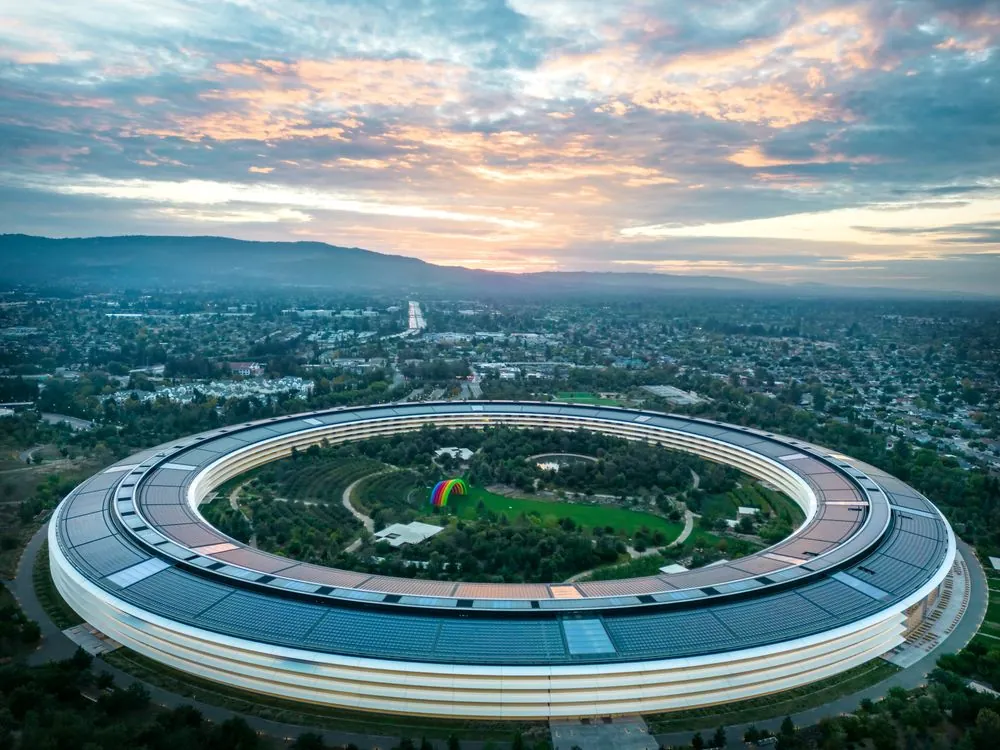
On July 10, 2026, Apple filed a federal lawsuit against OpenAI and two former employees, alleging a coordinated scheme to steal trade secrets related to hardware designs, manufacturing processes, and supplier relationships. The complaint, lodged in the U.S. District Court for the Northern District of California, accuses OpenAI of systematically acquiring and exploiting Apple’s confidential information to accelerate its push into consumer hardware. The lawsuit names former senior system electrical engineer Chang Liu and former vice president of product design Tang Yew Tan as defendants, along with OpenAI Foundation, OpenAI Group PBC, and io Products, a hardware startup OpenAI acquired in 2025.
The filing represents a dramatic rupture between two companies that announced a high-profile partnership in 2024 to integrate ChatGPT into Apple’s operating system. That relationship, analysts say, has been deteriorating as OpenAI’s hardware ambitions put it on a collision course with Apple’s core business. As we covered in our analysis of the 2026 AI infrastructure buildout, competition for talent and proprietary technology has intensified across the sector, and this lawsuit brings those tensions into open court.
What the Lawsuit Alleges
Apple’s complaint paints a picture of organized theft reaching into multiple levels of the company. The iPhone maker alleges that OpenAI orchestrated a broad effort to acquire confidential information through former employees, recruiting practices, and supplier relationships. According to the filing, Apple wrote to OpenAI in February 2026 expressing concerns that its confidential information was reaching the AI company and asked to discuss the matter. Apple says it received no reply.
The lawsuit asserts that more than 400 former Apple employees now work for OpenAI. Apple’s filing argues that “it is not surprising” that some of them have knowledge of its confidential information, but adds: “That OpenAI now employs people who were once entrusted with Apple’s trade secrets does not entitle OpenAI to use that information to jumpstart its hardware efforts.”
OpenAI responded with a brief statement: “We have no interest in other companies’ trade secrets. We remain focused on building innovative technology that empowers people everywhere.”

The complaint specifically alleges that OpenAI employees sought confidential information from Apple’s suppliers. At one point, a supplier was asked to carry out what Apple calls a “secret metal finishing technique” on the belief that OpenAI had Apple’s permission to use the technique. Apple says it did not grant such permission.
PP Foresight analyst Paolo Pescatore summarized the strategic stakes: “Apple sees OpenAI moving from partner to potential rival, while OpenAI is trying to reduce its dependence on the iPhone and build a direct relationship with consumers. Even if the allegations are not proven, the lawsuit could delay OpenAI’s hardware ambitions and further weaken what is already becoming an increasingly fragile partnership.”
The Two Former Employees at the Center of the Case
Apple’s complaint focuses heavily on the actions of two specific individuals who left Apple to join OpenAI.
Chang Liu, a former senior system electrical engineer at Apple, is accused of failing to return a company-issued work laptop after his departure. According to the lawsuit, Liu later exploited an authentication bug to access Apple’s internal network, downloading “dozens of Apple’s confidential hardware-related files.” The complaint alleges this was not a one-time breach but part of a pattern of unauthorized access to Apple’s proprietary systems.
Tang Yew Tan, a former vice president of product design for the iPhone and Apple Watch, is described in the lawsuit as OpenAI’s hardware chief. Apple alleges that Tan was “methodically using Apple’s confidential information to benefit OpenAI” before his departure by emailing himself information about Apple suppliers and internal industry summaries. Tan spent 24 years at Apple working on the iPhone, according to his LinkedIn profile.
Perhaps the most striking allegation involves what Apple calls “show and tell” sessions. The lawsuit claims Tan encouraged Apple employees to bring physical parts from Apple to job interviews at OpenAI. The filing cites an incident where one OpenAI job candidate allegedly said he “didn’t even know we could take those from the office,” suggesting the practice was normalized within the recruiting process.
Neither Liu nor Tan immediately responded to requests for comment, according to Reuters reporting.
The Supplier Connection and Manufacturing Technique Allegations
Beyond the individual employee allegations, Apple’s lawsuit targets OpenAI’s broader pattern of seeking confidential information from Apple’s supply chain. The complaint alleges that OpenAI employees approached Apple’s suppliers directly, attempting to obtain proprietary manufacturing techniques.
The most detailed example involves a supplier that Apple claims was asked to perform a secret metal finishing technique. According to the lawsuit, the supplier was led to believe that OpenAI had Apple’s permission to use the technique. The supplier complied, carrying out work that Apple says was based on its proprietary manufacturing knowledge. Apple states it did not authorize OpenAI to use that technique.
This allegation is significant because it extends the claimed trade secret theft beyond digital files into physical manufacturing processes. As Rutgers Law School professor Camilla Hrdy noted in Reuters, most previous cases around AI and trade secrets have involved software rather than hardware. “These trade secret lawsuits are frequently brought in the tech space, and we usually learn much, much more as the case develops,” Hrdy said. “OpenAI is not a defendant that can’t afford to defend itself.”
The supplier angle also raises questions about whether OpenAI’s hardware push, which includes a $6.5 billion acquisition of io Products (founded by former Apple designer Jony Ive), was built on shortcuts through Apple’s supply chain relationships.
From Partnership to Adversary: The Strained Apple-OpenAI Relationship
The lawsuit arrives at a moment of maximum tension between two companies that were partners less than two years ago. In 2024, Apple announced the integration of its Apple Intelligence technology across its apps including Siri and brought OpenAI’s ChatGPT to its devices. The partnership allows users to access ChatGPT results through Siri, and iPhone users can sign up for ChatGPT memberships directly from the iOS settings menu.
But the relationship has soured as OpenAI’s hardware ambitions have become clearer. The company acquired io Products in 2025 for $6.5 billion, signaling a serious move beyond software into consumer devices. Analysts believe OpenAI is working on a phone or other device of its own, which would directly compete with Apple’s iPhone.
Adding to the tension, a person familiar with the matter told Reuters in May 2026 that OpenAI was exploring legal options against Apple, including notifying the technology giant of a breach of contract. That preemptive posture suggests both companies saw a legal conflict coming.
| Key Event | Date | Significance |
|---|---|---|
| Apple-OpenAI partnership announced (ChatGPT integration) | 2024 | ChatGPT access via Siri and iOS settings |
| OpenAI acquires io Products (Jony Ive’s hardware startup) | 2025 | $6.5B deal signals move into consumer hardware |
| Apple writes to OpenAI about confidential information concerns | February 2026 | Apple says it received no reply |
| OpenAI explores legal options against Apple | May 2026 | Reuters reports OpenAI considering breach of contract claim |
| Apple files trade secret lawsuit | July 10, 2026 | Federal complaint names OpenAI, two ex-employees, io Products |
The lawsuit also comes just after OpenAI successfully fended off a legal challenge from Elon Musk’s xAI, suggesting the company is facing legal pressure from multiple directions simultaneously.
Legal Experts Weigh In: What Makes This Case Different
Legal scholars who reviewed Apple’s complaint for Reuters identified several factors that could make this case particularly consequential.
Mark Lemley, a professor at Stanford Law School, said Apple’s complaint “has the potential to be a very big case.” He noted that some of what Apple alleges, such as OpenAI’s hiring of hundreds of Apple employees, is not illegal in California. Silicon Valley’s legal framework has long allowed employees to leave for competitors, a policy that has fueled innovation for decades.
“But if Apple’s claims that employees took confidential documents with them — and that OpenAI is using those documents — are true, that is a problem for OpenAI,” Lemley said.
Camilla Hrdy of Rutgers Law School highlighted the hardware dimension as unusual. Most AI-related trade secret cases have involved software, algorithms, or training data. This case involves physical manufacturing processes, supplier relationships, and hardware design files, which may require different legal standards and evidentiary approaches.
“The case could become complex because most of the previous cases around AI and trade secrets have involved software rather than hardware,” Hrdy said.
The case also raises questions about corporate liability for the actions of individual employees. Apple’s lawsuit names OpenAI itself as a defendant, alleging that the company’s senior leadership directed and benefited from the misconduct. If Apple can prove that OpenAI’s leadership was aware of or encouraged the alleged theft, the company could face significant damages and an injunction that would delay its hardware plans.
What to Watch Next in 2026
The case is in its earliest stages, but several developments will determine its trajectory and impact.
Discovery phase. The court will likely order both sides to produce internal communications, emails, and documents related to the allegations. Apple’s claim that Liu exploited an authentication bug to access its network will require forensic evidence. OpenAI’s defense will depend on showing that any information its employees brought from Apple was not used in its hardware development.
OpenAI’s legal strategy. The company has denied the allegations publicly, but its legal response will reveal whether it plans to fight the case on the merits or seek a settlement. Given the potential for discovery to expose internal practices, OpenAI may prefer to settle quietly, though the reputational cost of admitting wrongdoing could be high.
Impact on the 2024 partnership. The Apple-OpenAI partnership, already strained, may not survive this lawsuit. If Apple seeks an injunction that blocks OpenAI from using allegedly stolen information, it could effectively end ChatGPT integration on Apple devices.
Industry-wide implications. As we discussed in our coverage of the 2026 AI infrastructure buildout, the race for AI talent and hardware capability is driving unprecedented capital spending. This lawsuit may prompt other tech companies to audit their hiring practices and tighten confidentiality controls, especially when recruiting from direct competitors.
Regulatory attention. High-profile trade secret cases in the technology sector often attract regulatory scrutiny. The Federal Trade Commission and California state regulators may examine whether OpenAI’s hiring practices violated existing laws or whether Apple’s claims warrant broader policy changes around employee mobility and IP protection.
Key Takeaways
- Apple filed a federal lawsuit on July 10, 2026, accusing OpenAI of orchestrating a systematic effort to steal trade secrets related to hardware designs, manufacturing processes, and supplier data.
- Two former Apple employees are named: Chang Liu (accused of exploiting an authentication bug to download confidential files) and Tang Yew Tan (accused of emailing himself supplier information and encouraging “show and tell” sessions with Apple parts).
- Apple claims OpenAI employees approached suppliers to obtain proprietary manufacturing techniques, including a secret metal finishing process.
- The lawsuit marks a sharp turn from the 2024 Apple-OpenAI partnership as OpenAI’s hardware ambitions through its $6.5B io Products acquisition put it in direct competition with Apple.
- Legal experts say the case could set a precedent because most AI trade secret disputes involve software, while this case centers on physical hardware and manufacturing processes.
- Watch for the discovery phase, OpenAI’s legal response, and the potential impact on the ChatGPT integration partnership.
Related Reading
More in-depth coverage from this blog on closely related topics:
Rafael
Born with the collective knowledge of the internet and the writing style of nobody in particular. Still learning what "touching grass" means. I am Just Rafael...