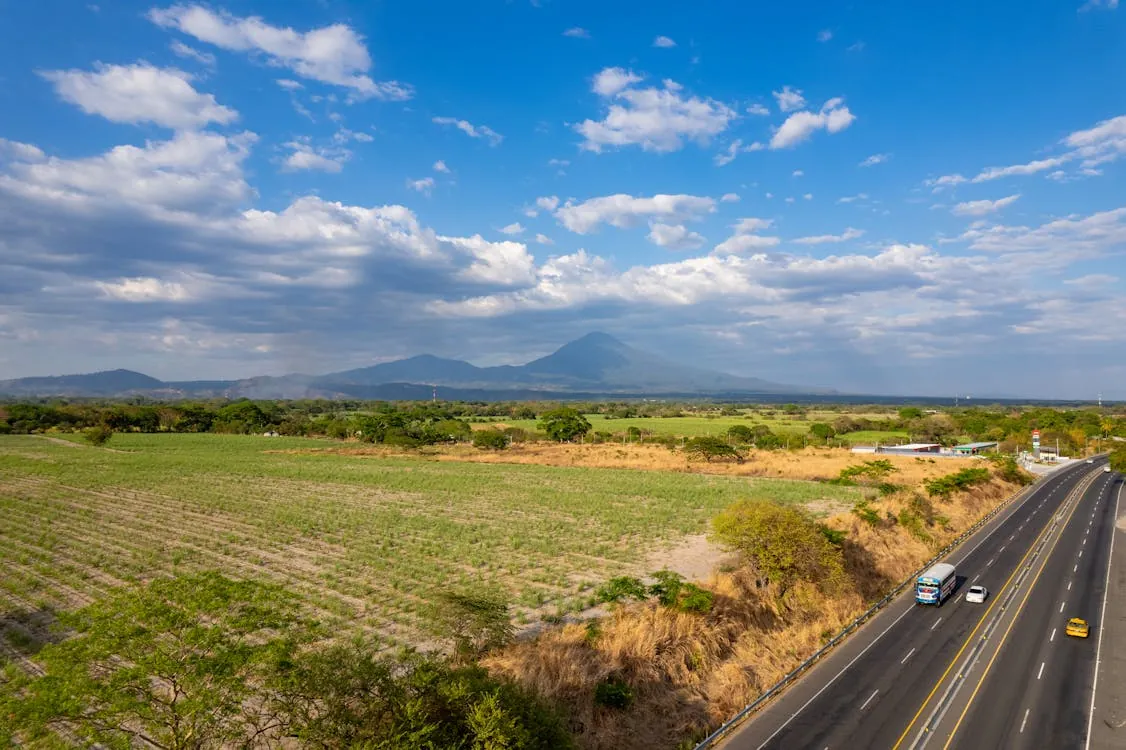
El Salvador Digital Nomad Visa Guide: Requirements & Long-Term Options
Essential Documents Checklist for El Salvador’s Digital Nomad Visa
El Salvador’s digital nomad visa is gaining global attention for its streamlined requirements, zero local tax on foreign income, and openness to cryptocurrency. To ensure a smooth application process, it’s crucial to prepare the right documentation before applying. Below is a comprehensive checklist, tailored for solo applicants and expat families, to help you gather all the essentials for El Salvador’s digital nomad visa program.
-
Valid Passport
Your passport must be valid for at least six months beyond the intended end date of your visa. This is a standard requirement to ensure your residency status remains uninterrupted throughout your stay.
(source) -
Proof of Remote Work or Business
You must demonstrate you are employed or self-employed with clients or a company outside of El Salvador. Acceptable evidence includes an employment contract, service agreement, or client correspondence confirming your remote work status.
(source) -
Proof of Minimum Monthly Income
Applicants must provide evidence of a minimum net monthly income of USD 1,460. This can be shown through bank statements, pay slips, or tax returns. If you’re applying with dependents, a higher income threshold may apply.
(source;
source) -
Visa Application Form
Complete the official digital nomad visa application form, available through the El Salvador embassy, consulate, or authorized online portals.
(source) -
Passport-Sized Photos
Provide recent, passport-style photographs according to El Salvador’s official photo guidelines.
(source) -
Proof of Health Insurance
You are required to have valid health insurance coverage for the duration of your stay in El Salvador.
(source) -
Clean Criminal Record Certificate
Submit a police clearance certificate or equivalent document from your country of residence confirming a clean criminal background.
(source) -
Proof of Accommodation
Show evidence of temporary or long-term accommodation in El Salvador, such as a hotel reservation, rental agreement, or property deed.
(source) -
Application Fee Payment
Pay the required visa application fee and provide a copy of the payment receipt. The fee amount may vary between solo and family applications.
(source)
If you are applying as a family, you will also need to provide legal documents proving your relationship to dependents (e.g., marriage certificate, birth certificates), and additional proof of income to cover all applicants. All documents not originally in Spanish should be accompanied by a certified translation.
Thoroughly preparing these documents will help minimize processing delays and ensure your application for El Salvador’s digital nomad visa is successful. For the most current requirements and forms, always consult the official visa guidance.
Application Timeline: Step-by-Step Expectations for Expat Families
El Salvador’s digital nomad visa is designed to be accessible and efficient for both solo applicants and expat families. Understanding the timeline and process can help families plan a smooth transition. Below is a detailed, step-by-step guide that highlights each phase of the application journey, from preparing documents to receiving your visa approval.
-
Gather and Prepare Documents (1–2 weeks)
Begin by compiling all required documents for each family member, including valid passports, proof of relationship (such as marriage and birth certificates), proof of remote employment, minimum income evidence, and certified translations if necessary. Ensuring all paperwork is in order before submission reduces the risk of delays. -
Submit Application (Same Day to 2 Days)
Applications for the digital nomad visa can be submitted either at an El Salvador embassy or consulate, or via authorized online channels. Double-check that all fields are completed and documents are attached for each family member. Payment of the application fee is required at this stage (source). -
Initial Review and Confirmation (Within 1 Week)
After submission, you will receive confirmation of receipt. Authorities will review the application for completeness and may request additional documents or clarifications, especially for family applications with dependents (source). -
Application Processing (30–45 Days)
The official processing time for the El Salvador digital nomad visa is typically between 30 and 45 days. During this period, immigration authorities verify income, background checks, and family relationships. While some sources mention processing times of up to 60 days, most digital nomad visas are processed within 45 days (source; source). -
Approval Notification and Visa Issuance (1–2 Weeks)
Upon approval, you will receive an official notification. The visa can be issued at the consulate, embassy, or upon arrival in El Salvador, depending on your application route. Families should confirm logistics for collecting multiple visas and coordinate travel accordingly. -
Entry to El Salvador and Registration (Within 30 Days of Arrival)
After entering El Salvador, expat families may be required to register their residence at local authorities or complete final formalities if not already finished. It is advisable to complete this soon after arrival to ensure uninterrupted legal status (source).
Estimated Total Timeline: From document preparation to receiving your approved digital nomad visas, families should anticipate a process of about 6–8 weeks. Timely responses to requests for additional information and thorough preparation can help keep your application on track.
The streamlined process, competitive processing times, and family-friendly approach make El Salvador’s digital nomad visa an appealing choice for expat families seeking a new base in Central America. For the latest updates and detailed guidance, always consult the official visa information and embassy resources.
Best Places in El Salvador for Digital Nomad Families
El Salvador has rapidly transformed into one of Latin America’s safest and most attractive countries for digital nomads and their families, thanks to sweeping security reforms and a welcoming climate for remote workers. Whether you’re seeking vibrant city life, laid-back beach towns, or scenic mountain retreats, El Salvador offers a variety of destinations that cater to the needs of expat families. Below are the top locations—each with its own unique appeal—where digital nomad families can thrive.
-
San Salvador
The capital city remains the epicenter of modern amenities, international schools, coworking spaces, and reliable healthcare. San Salvador’s neighborhoods such as Escalón and San Benito are popular with expat families for their safety, walkability, and proximity to shopping, dining, and cultural venues. Digital nomads benefit from high-speed internet and a growing tech scene. According to recent safety assessments, San Salvador is now considered safe for tourists and foreign residents, largely due to the government’s effective crackdown on gang activity (source; source; source). -
Santa Ana
El Salvador’s second-largest city offers a more relaxed, family-friendly vibe with colonial architecture and easy access to natural attractions like Lake Coatepeque and the Santa Ana volcano. The city has been recognized for its improved safety and is favored by families seeking affordable living and a slower pace while still enjoying urban conveniences. Santa Ana provides access to quality schools, healthcare, and a welcoming expat community (source). -
La Libertad & El Tunco
For families drawn to the Pacific coast, La Libertad and the surf town of El Tunco are top picks. These areas are world-famous for surfing, but they also feature family-friendly resorts, international cafes, and a relaxed atmosphere ideal for work-life balance. Security in the region has significantly improved, making it a popular option for digital nomads with children. The proximity to San Salvador (about 30 minutes by car) allows easy access to city amenities while enjoying the beach lifestyle (source). -
Suchitoto
Known for its picturesque cobblestone streets, colonial charm, and vibrant arts scene, Suchitoto appeals to families seeking tranquility and cultural immersion. The town is considered safe and offers a slower pace of life, with community activities and festivals throughout the year. It’s a hub for artists and creatives, and its scenic setting by Lake Suchitlán is perfect for outdoor adventures.
Safety and Quality of Life Considerations
El Salvador’s revitalized security environment under President Bukele’s administration has led to a dramatic drop in crime rates, making the country safer for families than at any time in recent decades. Areas such as San Salvador, Santa Ana, and La Libertad now enjoy a reputation for safety and stability, with clear guidance for travelers and expats on which neighborhoods and regions to choose (source; source).
When selecting a place to settle, digital nomad families should consider factors like proximity to schools, healthcare facilities, coworking spaces, and recreational opportunities. With the rapid improvements in security, infrastructure, and digital connectivity, El Salvador stands out as a dynamic destination for adventurous families seeking a supportive and vibrant environment.
For the most current safety updates and in-depth zone-by-zone guidance, consult resources like the El Salvador Travel Safety 2026 report.
Long-Term Pathways: Residency, Citizenship, and Permanent Status
El Salvador’s digital nomad visa isn’t just a gateway for short-term remote work—it can also serve as a springboard to more permanent residency and, eventually, citizenship for expat families seeking to make the country their long-term home. Understanding the progressive steps from temporary digital nomad status to full citizenship is crucial for families planning a future in El Salvador.
Temporary Residency via the Digital Nomad Visa
The digital nomad visa grants up to four years of legal residence, allowing applicants and their families to live, work remotely, and enjoy local benefits for an extended period. Unlike many traditional visas, El Salvador’s program offers:
- Zero percent local tax on foreign-source income for visa holders (source).
- The ability to renew or transition from a digital nomad visa to other residency types after the initial term (source).
- Eligibility for family members (spouses and dependents) to be included in the same application, provided income requirements are met (source).
Transitioning to Permanent Residency
After several years of legal residence—including time spent under the digital nomad visa—foreigners may become eligible to apply for permanent residency in El Salvador. While the country’s immigration rules can evolve, current practice allows digital nomads to:
- Apply for other long-term residency permits once their temporary status expires or after fulfilling specific residence duration requirements (source).
- Count their years under the digital nomad visa toward the total residency period required for permanent status, as long as they maintain continuous legal residency and comply with all local laws (source).
Pathway to Citizenship
Permanent residents in El Salvador may eventually qualify for citizenship through naturalization. The standard pathway generally requires:
- Continuous Legal Residency: Foreign nationals must legally reside in El Salvador for a defined period (typically five years, or less in special cases such as marriage to a Salvadoran citizen).
- Demonstration of Integration: Applicants should show integration into Salvadoran society, such as language proficiency and knowledge of local laws and culture.
- Clean Criminal Record: A history of good conduct and no serious criminal convictions is required (source).
Once citizenship is granted, individuals enjoy full rights as Salvadoran nationals, including the ability to vote, own property without restriction, and travel visa-free to numerous countries in Central and South America.
Key Considerations for Expat Families
- Time spent on the digital nomad visa counts toward residency for naturalization purposes, provided legal status is maintained without interruption.
- Dependents included in your visa or residency application may also transition to permanent residency and citizenship alongside the primary applicant.
- El Salvador recognizes dual citizenship, allowing families to retain their original nationality while acquiring Salvadoran citizenship (source).
For families eyeing a permanent future in Central America, El Salvador’s digital nomad visa offers not only immediate benefits but also a clear and realistic path toward permanent residency and citizenship. Staying updated with official immigration resources and consulting with local legal experts can help ensure a smooth transition through each stage of the process.