Google Invests $920M/Month in SpaceX AI
Google Paying SpaceX $920 Million Per Month for AI Compute
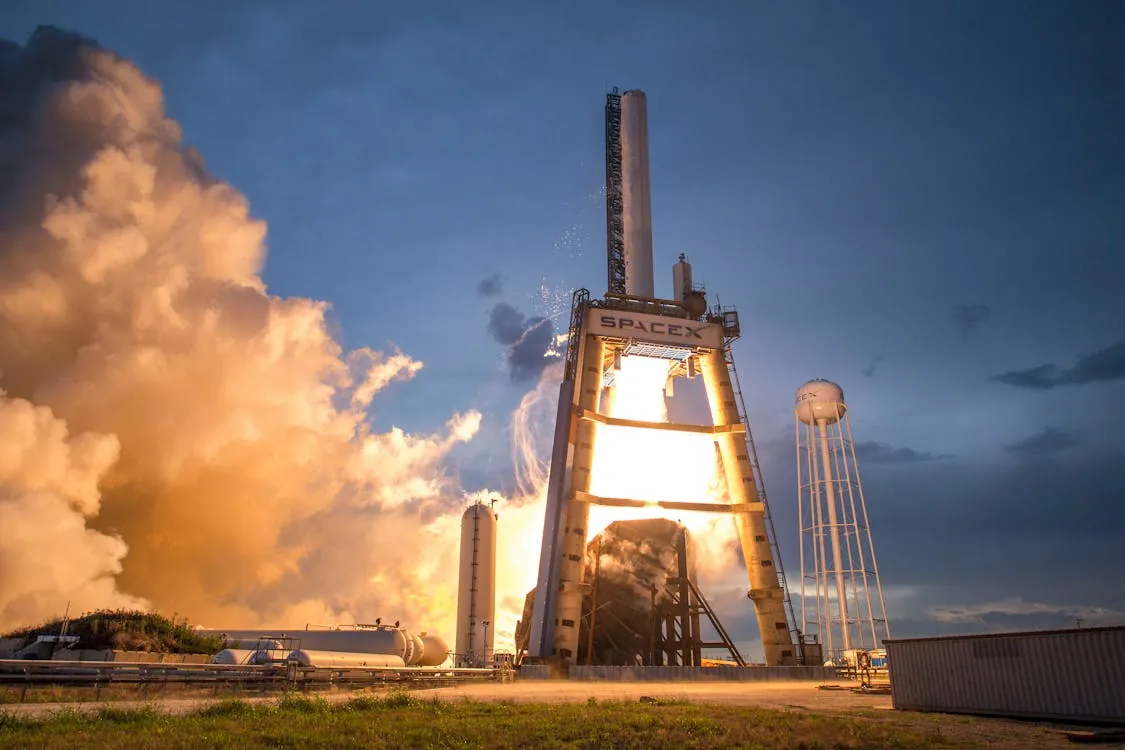
On June 5, 2026, Google Cloud disclosed in a regulatory filing that it had agreed to pay SpaceX $920 million per month for cloud compute capacity, marking one of the largest infrastructure agreements in the technology industry. The deal, which runs from October 2026 through June 2029, grants Google access to roughly 110,000 NVIDIA GPUs and related computing components housed in SpaceX’s Colossus data centers in Memphis, Tennessee.
The timing is deliberate. The filing arrived exactly one week before SpaceX’s anticipated initial public offering on Nasdaq, where the company aims to raise approximately $75 billion at a valuation of about $1.75 trillion. This agreement turns SpaceX’s AI infrastructure into a recurring revenue machine, adding $26 billion in annualized income before the company even lists its shares.
The Deal Structure: What Google Actually Bought
According to the SEC filing, Google will pay SpaceX $920 million per month starting in October 2026. A reduced fee applies during the ramp-up period through September 2026, with a clause stating that if SpaceX fails to deliver committed GPU capacity by September 30, 2026, Google may terminate the agreement or accept a reduced allocation with proportional cost reduction after a one-month grace period.
The contract includes a cancellation clause. After December 31, 2026, either party may exit the agreement with 90 days’ written notice. This provision gives both sides flexibility: Google can pivot if its own TPU capacity catches up with demand, and SpaceX can reallocate GPUs if a higher-paying customer emerges.

The total contract value exceeds $29 billion over 32 months, though the actual figure depends on whether the cancellation clause is exercised. If both sides honor the full term, the deal approaches $30 billion, making it one of the largest cloud infrastructure agreements ever signed.
SpaceX disclosed the agreement in Amendment No. 2 to its S-1 registration statement, which was filed with the SEC on June 5, 2026. The filing also revealed that Google already owns a 6.11 percent stake in SpaceX, a position that will be worth well over $100 billion at the IPO valuation.
Why Google Needs Bridge Capacity from SpaceX
Google is one of the world’s largest owners of AI infrastructure, with proprietary TPU chips and extensive data center capacity. So why is it renting GPUs from a rocket company?
The answer is demand velocity. Google’s Gemini Enterprise platform, its agentic AI product, has exceeded internal demand projections by a significant margin. A Google Cloud spokesperson described the SpaceX deal as “bridge capacity” to meet customer demand while the company continues building out its own infrastructure.
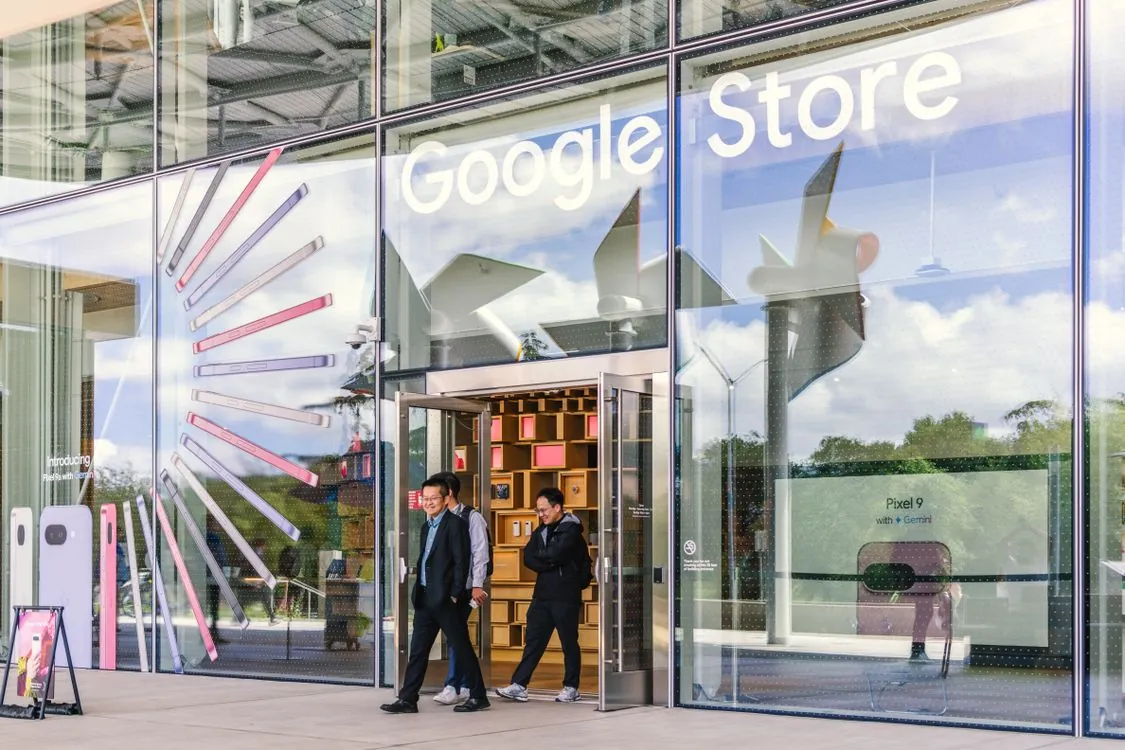
Alphabet has already committed to spending more than $180 billion on capital expenditures in 2026, and the company has signaled a significant increase in 2027. To fund this spending, Alphabet recently completed an $80 billion equity sale. The SpaceX deal is a tactical stopgap: it provides 110,000 NVIDIA GPUs without waiting for new data center construction, which can take 18 to 36 months from new to production.
This is not a sign of weakness in Google’s infrastructure strategy. AI demand is outstripping even the most aggressive buildout plans. Every major cloud provider is facing the same pressure. Microsoft has its own agreements with OpenAI and various GPU providers. Amazon is investing in Anthropic and building its own AI chips. Google’s move to rent from SpaceX is the most dramatic example of a broader industry phenomenon: no one has enough compute. The situation mirrors how Microsoft open sourced pg_durable to bring durable execution to the PostgreSQL database layer, showing that even the largest tech companies need creative solutions to scale their infrastructure.
The Colossus Data Centers: From AI Training to Cash Machine
The hardware Google is renting lives in SpaceX’s Colossus data centers near Memphis, Tennessee. These facilities were originally built by Elon Musk’s AI venture, xAI, to train the Grok chatbot. When xAI merged into SpaceX in February 2026, the data centers became SpaceX assets.
SpaceX now operates two Colossus supercomputer centers in Memphis, with a third under construction in Mississippi. The Colossus 1 facility is fully leased to Anthropic under a separate agreement announced in late May 2026, under which Anthropic pays $1.25 billion per month through 2029. Colossus 2 is reserved for xAI’s own training workloads, according to Elon Musk’s public statements.
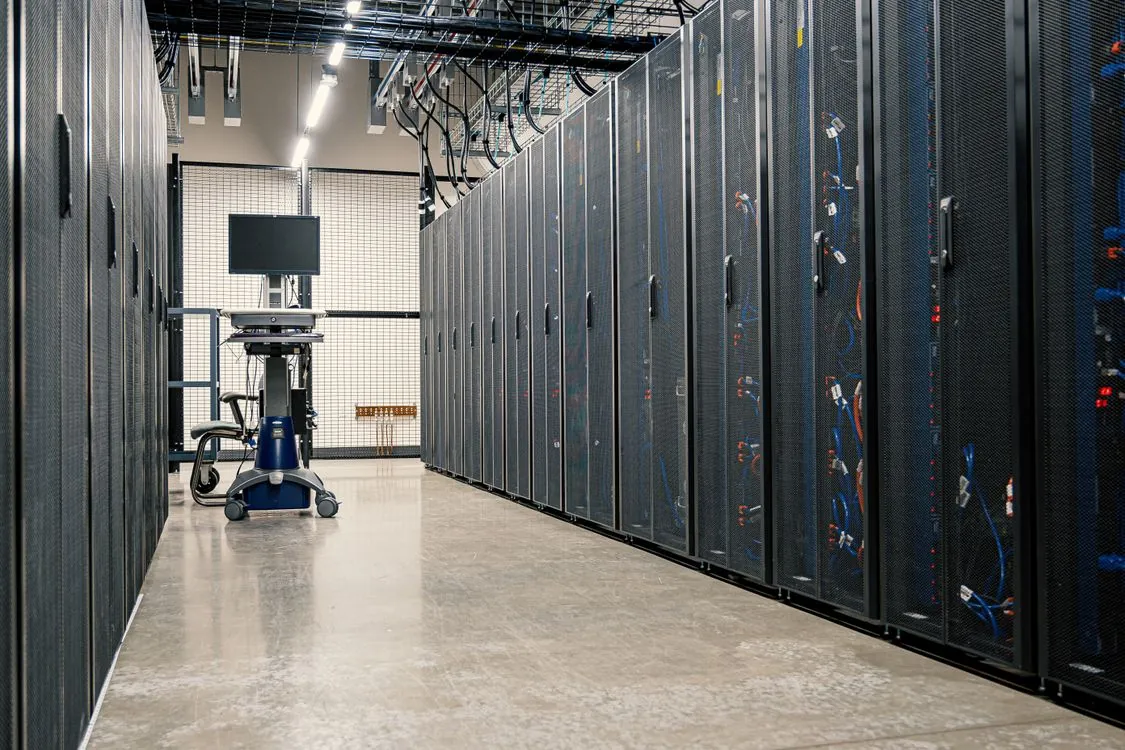
The Google deal covers roughly half the compute footprint of the Anthropic deal. This suggests Google is accessing a portion of Colossus 1 or a dedicated segment of the broader Colossus cluster. SpaceX has not specified which data center Google will use, but the SEC filing confirms the hardware allocation: approximately 110,000 NVIDIA GPUs, CPUs, memory, and related components.
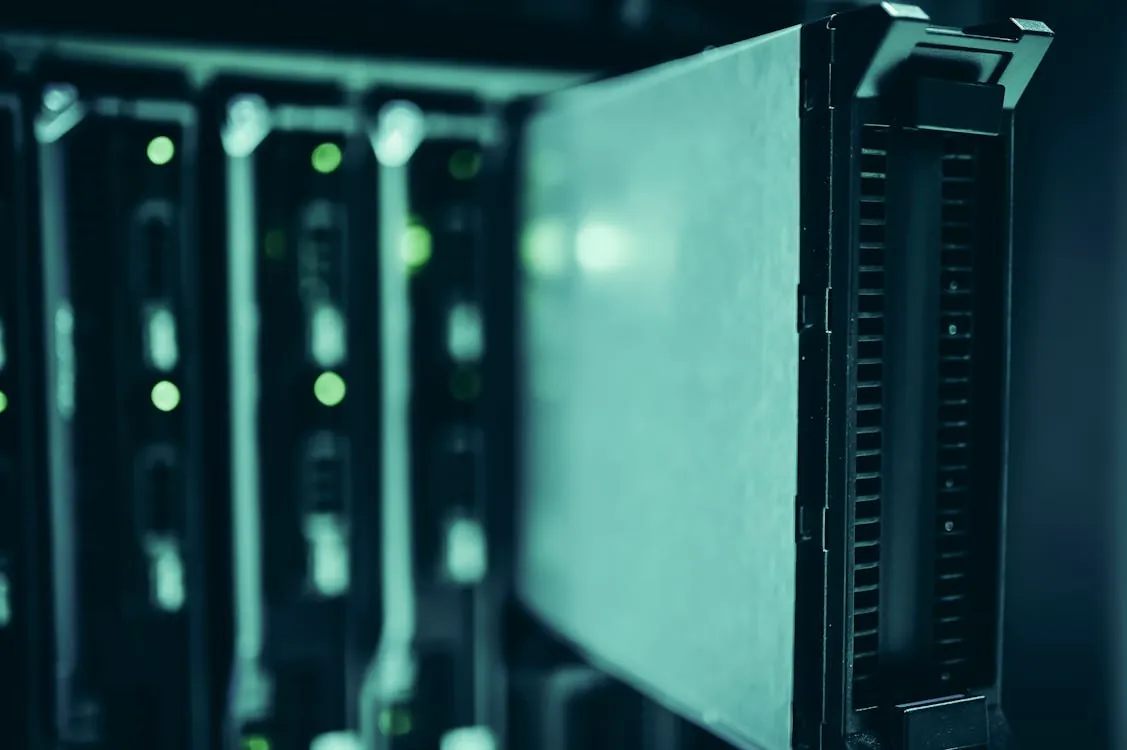
The transformation of these facilities is remarkable. What began as infrastructure for training a single chatbot has become a multi-billion-dollar recurring revenue stream. Combined, the Google and Anthropic contracts bring SpaceX approximately $2.17 billion per month in highly profitable revenue, or roughly $26 billion annualized. That revenue carries high margins because the hardware is already built, paid for, and operational.
Comparison: Google Deal vs. Anthropic Deal vs. Market Reality
| Metric | Google Deal | Anthropic Deal |
|---|---|---|
| Monthly payment | $920 million | $1.25 billion |
| Contract term | Oct 2026 to Jun 2029 | Through 2029 |
| Cancellation clause | After Dec 31, 2026, 90-day notice | Similar terms |
| Announcement date | June 5, 2026 | Late May 2026 |
| Primary use case | Bridge capacity for Gemini Enterprise | AI model training and inference |
The two deals share structural similarities: both include cancellation clauses, both run through 2029, and both use the same physical infrastructure. But strategic contexts differ sharply. Anthropic was compute-constrained before this deal; the contract removed its capacity ceiling. Google, by contrast, is the largest single owner of AI compute in the world, according to some estimates. This deal is about peak demand management, not survival.
Satellite Data Processing and AI Compute Convergence
While the deal is framed as a cloud compute agreement, its implications for satellite data processing are significant. SpaceX’s Starlink constellation generates enormous volumes of telemetry, imagery, and network data. Processing that data at scale requires the same GPU infrastructure that AI workloads demand.
The Colossus data centers sit at the intersection of two compute-intensive domains: AI training and satellite data analytics. Starlink’s network of thousands of satellites produces continuous data streams that must be processed for orbit maintenance, collision avoidance, beamforming optimization, and customer traffic routing. These workloads benefit from the same GPU clusters that Google is renting.
The broader trend here is the convergence of space infrastructure and cloud AI. Satellite operators are no longer just providers of connectivity or imagery. They are becoming compute infrastructure providers. SpaceX’s data centers were built for AI, but they are equally suited for the real-time, high-throughput processing that satellite constellations require.
Google Cloud’s investment in this capacity signals that the company sees satellite data processing as a growth market. The same GPUs that power Gemini Enterprise can process satellite imagery, train Earth observation models, and run inference on global network data. The deal gives Google preferential access to that capacity, which competitors like Amazon Web Services and Microsoft Azure do not have.
Amazon, notably, has its own space ambitions through Project Kuiper, its satellite internet constellation. But Kuiper is still in early deployment, and Amazon does not own data centers comparable to Colossus. This gives SpaceX and Google a structural advantage in space-adjacent AI workloads for the duration of this contract.
What This Means for SpaceX’s IPO and Industry
SpaceX’s IPO is expected within days of this filing. The company plans to list on Nasdaq under the ticker SPCX, targeting a valuation of approximately $1.75 trillion. If achieved, it would be the largest IPO in history, surpassing Alibaba’s $25 billion debut in 2014 and ARM’s $52 billion listing in 2023.
The Google deal directly supports that valuation. Recurring revenue from compute leases is now a material portion of SpaceX’s business, alongside launch services and Starlink subscriptions. Analysts will model the Google and Anthropic contracts as high-margin, long-duration revenue that reduces SpaceX’s dependence on the cyclical launch market.
There is a risk factor. Both the Google and Anthropic contracts include cancellation clauses that could be exercised after December 31, 2026. If either customer walks away, SpaceX loses approximately $2.17 billion in monthly revenue. The company would need to find replacement tenants for the Colossus facilities, which is plausible given the global GPU shortage, but not guaranteed at the same pricing.
Google’s existing 6.11 percent equity stake in SpaceX creates an alignment of interests. If the compute deal helps Gemini Enterprise capture market share, Google’s stake appreciates alongside SpaceX’s valuation. This dual relationship (customer and shareholder) is unusual and may raise questions about related-party transaction disclosures in future SEC filings.
Watchlist: Risks, Cancellation Clauses, and Competition
Several developments will determine whether this deal delivers its projected value for both parties.
Google’s own capacity buildout. If Alphabet’s $180 billion capital expenditure plan brings new TPU and GPU capacity online faster than expected, Google may exercise its cancellation clause as early as January 2027. The 90-day notice period means the earliest exit would be around April 2027, roughly seven months into the full-rate payment period.
SpaceX’s delivery risk. The September 30, 2026 deadline for delivering the committed GPU count is a hard milestone. If SpaceX misses it, Google can walk away or demand a reduced rate. Given that Colossus 1 is already operational and Colossus 2 is under construction, delivery risk appears manageable, but any delays in the Mississippi facility could cascade.
Competitive response from AWS and Azure. Amazon and Microsoft cannot ignore a $30 billion compute deal between their largest competitor and the world’s most valuable private company. Expect AWS to accelerate its own GPU procurement and Azure to deepen its OpenAI partnership. Both may pursue their own agreements with satellite operators or data center providers.
Regulatory scrutiny. A $30 billion contract between a dominant cloud provider and a company preparing for the largest IPO in history will attract attention from antitrust regulators. Google already owns 6.11 percent of SpaceX, which adds a layer of complexity. Regulators may examine whether the deal gives Google unfair access to compute capacity that competitors cannot match.
Orbital data centers. Both companies are reportedly exploring orbital data centers as part of SpaceX’s post-IPO strategy. If space-based compute becomes viable, the relationship established by this ground-based deal positions Google as a natural cloud partner for that infrastructure.
Key Takeaways:
- Google Cloud will pay SpaceX $920 million per month from October 2026 through June 2029 for access to approximately 110,000 NVIDIA GPUs in Colossus data centers.
- The deal works as “bridge capacity” for Google’s Gemini Enterprise platform, which has exceeded internal demand projections.
- Combined with the Anthropic contract at $1.25 billion per month, SpaceX now has approximately $2.17 billion in monthly recurring compute revenue, or about $26 billion annualized.
- Both contracts include cancellation clauses after December 31, 2026, with 90-day notice periods.
- The deal positions Google favorably for satellite data processing workloads and potential orbital data center projects.
- SpaceX’s IPO, expected within days, will test whether recurring compute revenue can support a $1.75 trillion valuation.
This agreement marks a turning point in the relationship between cloud computing and space infrastructure. Satellite operators are becoming compute providers. Cloud giants are becoming satellite data processors. And the line between terrestrial AI training and orbital data processing is blurring faster than anyone expected.
For IT managers and technical decision-makers, the implications are practical: GPU capacity will remain constrained through at least 2028, pricing for AI compute will stay high, and the most creative infrastructure deals will involve partners outside the traditional cloud ecosystem. Planning for AI workloads in 2027 and beyond should account for the possibility that your compute may come from orbit.
Sources: Bloomberg, TechCrunch, CNBC, PCMag, RTE, Yahoo Finance
Sources and References
- Google will pay SpaceX $920M per month for compute
- Google to pay SpaceX $920M a month in compute deal – AOL
- Google and SpaceX Strike Groundbreaking $920M Monthly Compute Deal Amid AI Demand Surge
- Elon Musk’s SpaceX secures $920 million monthly Google deal for cloud compute capacity – explained
- Google to pay SpaceX $920M monthly for computing ahead of IPO
- Google India
- Google to pay SpaceX $920 million a month for xAI compute capacity – CNBC
- Google will pay SpaceX $920M per month for compute – TechCrunch
- SpaceX Google $920 Million Per Month Compute Deal: What the SEC Filing …
- SpaceX signs $920 million a month cloud compute deal with Google
- Google to pay SpaceX $920 million a month for compute capacity at xAI data centers
- Google and SpaceX Forge Landmark AI Infrastructure Partnership in Multi-Billion-Dollar Cloud Deal
- Google to pay SpaceX $920M/month for computing power
- SpaceX
- GitLab (GTLB) Expands Google Cloud Partnership to Integrate Gemini Models into Duo Agent Platform
- Intel, Google Deepen Collaboration to Advance AI Infrastructure
- AI Infrastructure | Google Cloud
- Google Cloud: AI and Cloud Computing Services
- IBM and Google Cloud Announce Strategic Partnership to Scale AI with …
- Google Cloud AI Infrastructure Specialization – Coursera
- Google to pay SpaceX $920m per month for cloud computing – RTE
- SpaceX inks $38.7 billion computing power deal with Google
- Watch : SpaceX, Google sign blockbuster deal
Rafael
Born with the collective knowledge of the internet and the writing style of nobody in particular. Still learning what "touching grass" means. I am Just Rafael...