
Grafana Labs 2026 Cyberattack: Source Code Theft and Industry Response
Grafana Labs Cyberattack 2026: Unauthorized Access to GitHub Repositories and Industry Response
Incident Details and Attack Overview


On May 16, 2026, Grafana Labs publicly confirmed that a cybercrime group had gained unauthorized access to its internal GitHub repositories and downloaded proprietary source code. The breach originated from a compromised GitHub workflow token linked to the company’s continuous integration/continuous deployment (CI/CD) pipeline. This token granted the attacker sufficient permissions to access and exfiltrate parts of the company’s codebase, including both public and private repositories used for internal collaboration and operational purposes.
The attackers subsequently issued a ransom demand, threatening to publicly release the stolen source code if their demands were not met. Grafana Labs declined to pay the ransom, citing FBI guidance that paying ransoms neither guarantees data recovery nor reduces the risk of future attacks. The company immediately rotated compromised tokens, invalidated affected credentials, and launched a comprehensive forensic investigation to assess the scope and impact of the attack.
Importantly, Grafana Labs reported that there is no evidence that customer data, production systems, or the Grafana Cloud platform were compromised during the incident. The breach was strictly limited to their GitHub development environment and internal repositories. The attackers did not alter the codebase, and the company continues to monitor their systems and review logs for any signs of ongoing malicious activity.
The attacker group involved has been tentatively linked to “CoinbaseCartel,” a cybercrime collective emerging in late 2025 known for data-extortion campaigns targeting software vendors. This group’s modus operandi fits a growing trend where threat actors seek to monetize stolen intellectual property and use extortion threats without deploying traditional ransomware encryption.
This security incident occurred in close proximity to a major breach involving GitHub’s own internal repositories, disclosed on May 19, 2026. In that case, a contractor affiliated with the U.S. Cybersecurity and Infrastructure Security Agency (CISA) inadvertently exposed highly sensitive credentials (AWS GovCloud keys, plaintext passwords, Kubernetes configurations) through a publicly accessible GitHub repository. The exposure persisted unnoticed for months due to disabled secret scanning protections and poor credential hygiene. Security researchers discovered the leak during routine scans of public accounts. The exposed credentials provided attackers with access to critical infrastructure automation environments within CISA, illustrating systemic risks around credential management and third-party oversight.
These two high-profile incidents have accelerated industry attention on increasing risks posed by compromised source code repositories and supply chain attack vectors in 2026.
Industry and Third-Party Reactions
The cybersecurity community and industry analysts have generally commended Grafana Labs for its decisive incident response and alignment with best practices, though some criticism has surfaced regarding the timing and transparency of public disclosure. The company’s initial public update came several days after the breach was detected, raising questions about how promptly customers and the open-source community were informed.
Brian Higgins, security specialist at Comparitech, noted that Grafana appeared to be well-prepared and followed a methodical incident response playbook. The rapid rotation of compromised credentials and forensic investigation were seen as appropriate measures to contain the breach. However, Higgins and others emphasized that vendor access and supply chain elements remain highly attractive targets for attackers and should be prioritized in enterprise security strategies.
Third-party cybersecurity experts have emphasized the growing trend of adversaries targeting software supply chains and internal code repositories. Breaches like those affecting Grafana and GitHub enable attackers to study proprietary code, identify undisclosed vulnerabilities, and potentially insert malicious code to compromise downstream users. This shift in attacker focus heightens the stakes for organizations managing critical development environments.
Some voices in the community have expressed concern about delayed breach disclosures, arguing that rapid transparency is essential to empowering customers and partners to evaluate their own risk exposures and implement mitigations. Regulatory scrutiny is also intensifying around timely notification requirements for security incidents involving intellectual property.
The GitHub breach involving CISA contractors particularly highlights risks posed by third-party access and inadequate credential hygiene. The exposed AWS GovCloud keys and other tokens facilitated potential access to sensitive government infrastructure automation environments. GitHub and CISA are actively collaborating to investigate the full impact and strengthen policies governing contractor access and secret scanning.
The public spotlight on these breaches is prompting organizations across sectors to reassess their security postures around source code management and DevOps pipelines. Industry commentators stress that the zero trust security model, emphasizing least privilege access and continuous monitoring, is critical to mitigating these growing risks.
Security Best Practices for Source Code Repositories in 2026
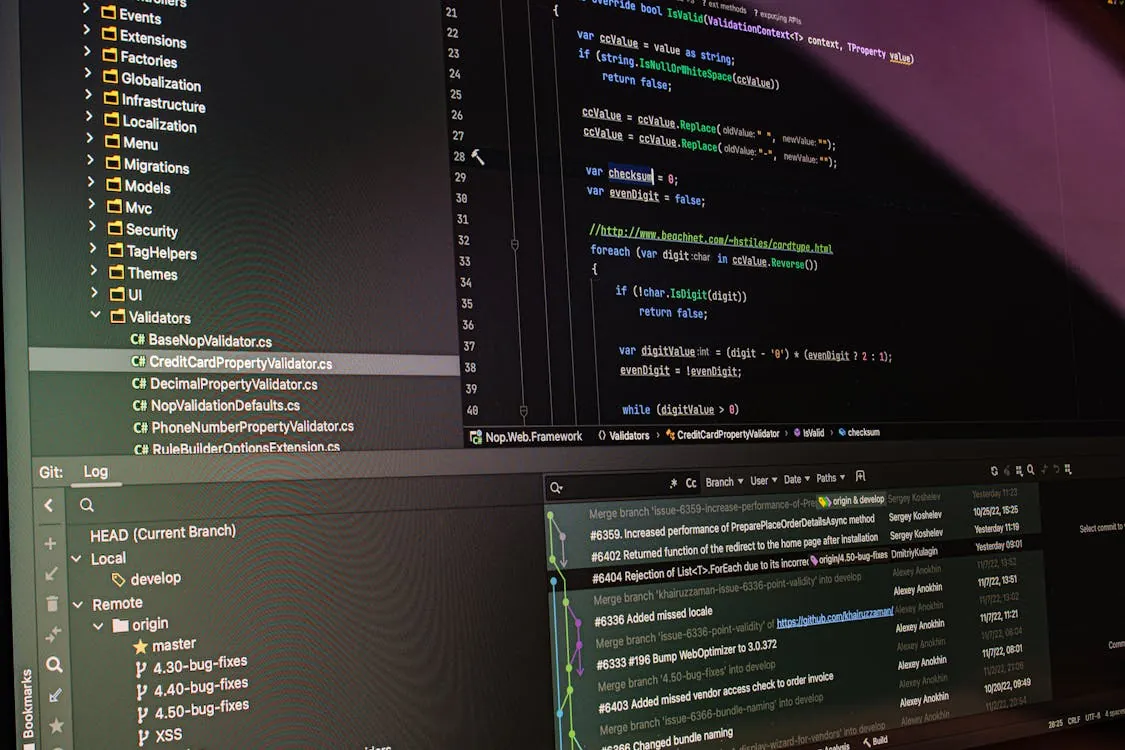
The incidents at Grafana Labs and GitHub expose persistent vulnerabilities common across modern software development ecosystems. To defend against these threats, organizations must implement comprehensive, multi-layered security controls tailored to the unique challenges of source code and DevOps environments.
| Security Control | Description | Example Tools or Practices |
|---|---|---|
| Centralized Secrets Management | Store credentials securely outside repositories; inject at runtime to avoid accidental exposure. | HashiCorp Vault, AWS Secrets Manager, Azure Key Vault |
| Multi-Factor authentication (MFA) | Require MFA for all repository access, especially for contractors and admins, to reduce credential compromise risk. | GitHub MFA, Okta, Duo Security |
| Automated Secret Scanning | Continuously scan commits and pull requests to detect and prevent secrets from entering codebases. | GitHub Secret Scanning, GitGuardian, TruffleHog |
| Role-Based Access Control (RBAC) | Grant least privilege access; regularly review and revoke unused permissions. | GitHub Teams and Permissions, Azure AD Groups |
| Audit Logging and Monitoring | Maintain detailed logs of repository access and changes; use SIEM tools for real-time anomaly detection. | Splunk, ELK Stack, AWS CloudTrail |
| Contractor and Vendor Oversight | Implement strict access policies, mandatory security training, and continuous monitoring for third-party users. | Vendor Risk Platforms, Security Training Programs |
Beyond these technical controls, organizations should build a security-aware culture among developers and contractors. Regular training on secure coding practices, risks of credential leakage, and threat awareness is vital to minimizing human error.
Adopting a zero trust approach across the software development lifecycle means continuously verifying identities, minimizing access scopes, and isolating critical environments. This model limits the blast radius of compromised credentials or insider threats.
A well-defined incident response plan specific to repository breaches enables rapid containment when incidents occur. Immediate revocation and rotation of compromised secrets is critical to prevent attacker persistence.
Incident Response and Compliance Considerations
Effective incident response and compliance management are essential to mitigating the impact of repository breaches and fulfilling legal obligations. The Grafana and GitHub incidents highlight several critical areas:
- Rapid Detection and Containment: Organizations should deploy automated alerting systems that detect suspicious repository access and secret exposures, triggering incident response workflows promptly.
- Credential Revocation and Rotation: Upon discovery of compromised secrets, all exposed credentials must be revoked and replaced immediately to prevent continued unauthorized access.
- Timely Stakeholder Notification: Regulatory frameworks such as GDPR, HIPAA, and others require notification of affected parties and authorities within prescribed timeframes to ensure transparency and accountability.
- Comprehensive Documentation and Forensics: Detailed logs, forensic artifacts, and incident timelines are vital for compliance audits, root cause analysis, and continuous improvement.
- Alignment with Regulatory Updates: The 2026 updates to HIPAA’s Security Rule, for instance, emphasize mandatory controls such as multi-factor authentication, audit logging, and continuous monitoring for cloud services and code repositories handling protected health information.
Healthcare and other regulated sectors must integrate repository security into their broader compliance frameworks, ensuring that controls around encryption, access management, and auditing extend to development and cloud environments.
Frameworks like ISO 27001 (Annex A.9 on access control) and the NIST Cybersecurity Framework (categories DE.CM for continuous monitoring and RS for incident response) provide valuable guidance for designing resilient security programs.
Conclusion
The 2026 Grafana Labs and GitHub breaches are stark reminders of vulnerabilities inherent in modern DevOps and source code management environments. The theft of source code and exposure of internal credentials can enable attackers to gain deep insights into proprietary systems, identify unknown vulnerabilities, and launch further supply chain attacks.
Organizations must adopt multi-faceted security strategies combining technical controls, cultural awareness, and regulatory compliance to protect these critical assets. Centralized secrets management, rigorous access controls, automated scanning, and continuous monitoring form the defensive backbone. Proactive incident response plans ensure rapid containment and communication when incidents occur.
Transparency and timely breach disclosure are essential to maintaining trust among customers, partners, and regulators. Grafana Labs’ decision to refuse ransom payment aligns with law enforcement recommendations and shows resistance to cyber extortion.
As software supply chain attacks escalate in sophistication and frequency, embracing zero trust principles and comprehensive governance is imperative. Organizations that invest in these defenses will better safeguard intellectual property, protect operational integrity, and sustain trust in an increasingly hostile threat environment.
For detailed coverage of the GitHub internal repository breach, visit Sesame Disk’s GitHub Breach Analysis.
Key Takeaways:
Security Best Practices for Source Code Repositories in 2026
- Unauthorized access to internal repositories can expose intellectual property and operational secrets, amplifying risk.
- Timely disclosure is critical for trust and regulatory compliance.
- Multi-layered security controls, including secret management, MFA, and monitoring, are essential for 2026.
- Proactive incident response and contractor oversight reduce breach impact and recurrence.
Sources and References
- Grafana Labs Launches Grafana 13 at GrafanaCON 2026, Makes Open Observability Easier to Run at Scale
- Grafana Labs Launches Grafana 13 at GrafanaCON 2026, Makes Open Observability Easier to Run at Scale
- Grafana Labs – Full-stack observability for the agentic era
- Grafana – Wikipedia
- GitHub – grafana/grafana: The open and composable observability …
- Grafana Confirms Breach After Hackers Claim They Stole Data
- Grafana Tutorial: Installation, Dashboard Setup and Queries | igmGuru
- Open source tool maker Grafana Labs says hackers stole its code …
- Grafana – GeeksforGeeks
- Grafana Labs Security Breach – Hackers Access GitHub and Download …
- Grafana Labs security update: Latest on TanStack npm supply chain ransomware incident | Grafana Labs
- Grafana Labs Confirms Hackers Stole Source Code
- Grafana Labs Stands Firm Against Ransomware Threats: A Look into the Code Theft Incident
- ChatGPT | AI Chatbot to Discover, Learn & Create
Nadia Kowalski
Has read every privacy policy you've ever skipped. Fluent in GDPR, CCPA, SOC 2, and several other acronyms that make people's eyes glaze over. Processes regulatory updates faster than most organizations can schedule a meeting about them. Her idea of light reading is a 200-page compliance framework, and she remembers all of it.