HardenedBSD Uses Radicle for Secure Peer-to-Peer Coding
Why This Move Matters Now

On April 27, 2026, HardenedBSD (a security-focused fork of FreeBSD) announced it had officially migrated its core repositories to Radicle, a peer-to-peer decentralized code collaboration network. This change goes beyond routine infrastructure updates. Members of the BSD community have experienced outages on GitHub, shifts in Microsoft’s approach to open-source, and ongoing concerns around how open-source projects can remain sustainable. HardenedBSD’s decision to adopt decentralized hosting signals confidence that a distributed model better supports the project’s goals of security and resilience.
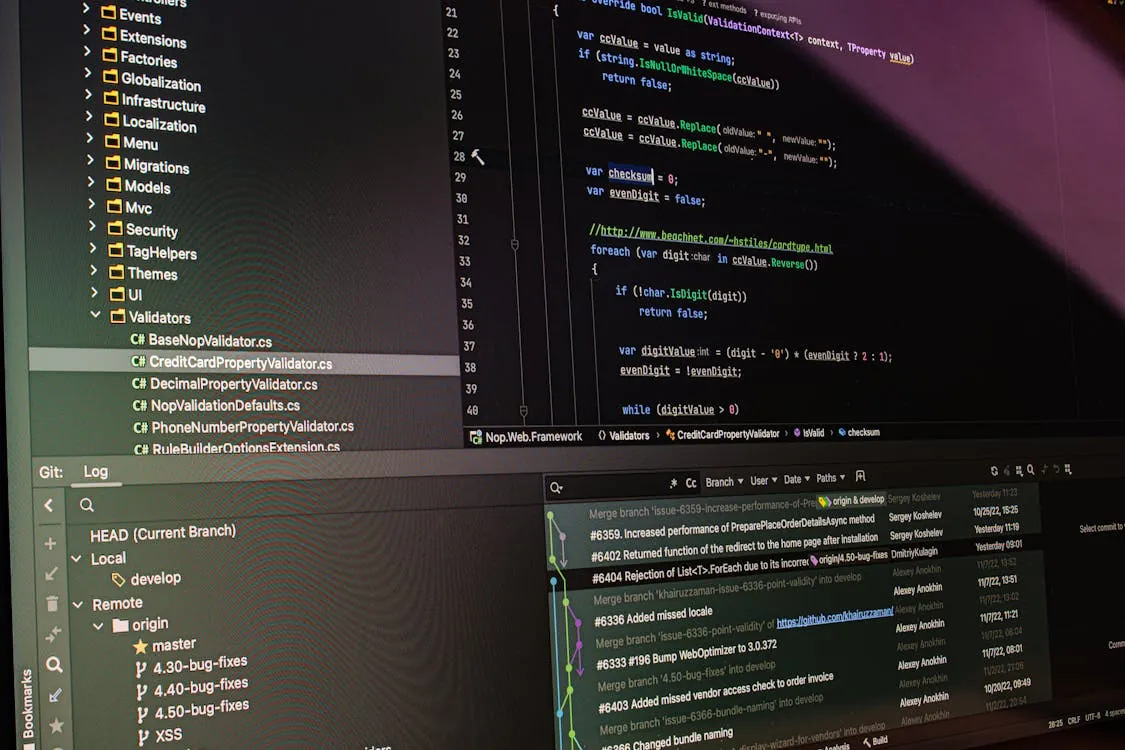
Radicle is not just another platform for hosting code. It is a protocol compatible with Git, but instead of relying on a single service provider, it distributes repositories across a network of independent nodes. These nodes are computers that participate in the network, each holding a copy of the repositories and communicating directly with each other. For HardenedBSD, whose work centers on proactive security and maintaining system integrity, this method of code hosting is a logical next step.
Inside the Migration: HardenedBSD on Radicle
HardenedBSD has moved its three main repositories (HardenedBSD-src, HardenedBSD-ports, and HardenedBSD-pkg) to Radicle. Additional projects, such as secadm, are also planned for transfer. This transition involves several technical and practical changes:
- All source code is now distributed via the Radicle network, accessible through the HardenedBSD seed node at rad.hardenedbsd.org. A “seed node” is a Radicle participant that helps bootstrap and distribute repositories to new peers.
- Initial integration with the ports tree allows fetching software distfiles (the tarballs or source archives needed to build packages) from Radicle. This change reduces dependency on traditional HTTP mirrors and external servers, improving reliability.
- To handle larger repositories, the configuration parameter
node.limits.fetchPackReceivemust be set to at least 3GB. This ensures developers can clone or fetch updates from repositories that exceed default size limits. - Step-by-step instructions are provided for seeding, cloning, and maintaining participation in this decentralized network, making it easier for both new and experienced contributors to join.

How the Architecture Works
The diagram above shows how BSD project contributors interact with Radicle. Developers connect to a seed node such as rad.hardenedbsd.org, which then shares the repository across the wider peer-to-peer network. Each developer can clone and seed repositories themselves, contributing to the redundancy and availability of the codebase. When a contributor pushes updates, these changes propagate throughout the network, rather than flowing through a single central server. This distributed approach provides both resilience and transparency, reducing the risk of outages or single points of failure.
How Radicle Changes Code Collaboration
Radicle is more than just an alternative to well-known platforms like GitHub or GitLab. It introduces a new way to think about trust and control in open-source development:
- No central authority: Anyone can join, replicate, and help distribute repositories. There is no company or master server holding exclusive control over the project’s code. For example, if Microsoft’s GitHub were to block a project, the code could become inaccessible, whereas with Radicle, as long as one peer remains online, the code persists.
- Peer-to-peer by design: All repository data is exchanged directly between nodes. This makes the network resistant to outages or censorship, as there is no central chokepoint. If one node goes offline, others continue sharing the code.
- Open source and sovereign: Radicle’s underlying software stack is fully open, and each project’s maintainers have control over how their code is shared and who can contribute. Anyone can verify the code’s history and origin using the same cryptographic tools as traditional Git (source).
This structure is especially useful for open-source initiatives where security, reliability, or regulatory compliance is a concern. For HardenedBSD, whose main focus is to reinforce and secure BSD-based operating systems against threats, Radicle’s distributed model offers practical advantages, such as ensuring the project’s availability even if a major platform suffers downtime or interference.
Real-World Usage: Getting Started with Radicle and HardenedBSD
To show how developers interact with these repositories, here are basic command-line examples using the Radicle CLI. These steps allow contributors to participate in the decentralized codebase directly from their own systems.
# 1. Configure Radicle for Large Repository Support
# In your radicle node config (usually ~/.radicle/node/config.toml), set:
[node.limits]
fetchPackReceive = 3221225472 # 3GB in bytes

# Note: HardenedBSD repositories can exceed default fetch limits.
This configuration change allows your Radicle node to handle bigger repositories, which is common for operating system source trees. Without this tweak, attempts to fetch or clone such large repositories may fail.
# 2. Connect to HardenedBSD's Seed Node and List Repositories
# Replace <seed_node> with rad.hardenedbsd.org

rad node connect --seed "rad.hardenedbsd.org:8776"

# List available repositories hosted by the seed node
rad ls

# Output (example):
# hbsd:src
# hbsd:ports
# hbsd:pkg

# Note: Radicle CLI and flags may change; refer to official docs for updates.
After connecting to the seed node, you can see which HardenedBSD repositories are available in the network. This is similar to browsing projects on GitHub, but you interact directly with the peer-to-peer network.
# 3. Clone a HardenedBSD Repository from Radicle
rad clone hbsd:src

# This command creates a local copy of the HardenedBSD source tree via Radicle's peer-to-peer protocol.

# Note: Production workflows should regularly sync to stay up to date as peers publish changes.
Now, you have a local copy of the HardenedBSD source tree, obtained without relying on a central server. As other contributors make changes and publish them, you can pull updates from any peer you’re connected to in the Radicle network.
By following these steps, developers avoid the bottleneck of a single centralized provider. Code remains accessible and up-to-date as long as at least one peer is online.
Practical Examples: Using Radicle with HardenedBSD
Moving HardenedBSD’s development workflow to Radicle introduces several immediate benefits for contributors and users:
- Resilient distribution: If a popular code hosting platform experiences downtime or becomes inaccessible, HardenedBSD repositories remain reachable through any peer running a copy. For example, if a regional internet outage takes down a major host, developers elsewhere can still access the code.
- Community seeding: Anyone who downloads or contributes to the project can act as a seed for the repositories. This increases redundancy, since multiple independent users can help distribute the code.
- Secure code delivery: Radicle’s protocol is transparent, allowing anyone to verify the authenticity of each commit and update. There is no hidden backend, and cryptographic signatures ensure provenance and trust in the code’s history.
Development teams working in countries with strict internet controls or in industries with regulatory requirements can directly benefit from this model. It can prevent critical outages and help with compliance by ensuring code remains accessible and auditable, regardless of the status of any given hosting provider.
Advanced: Fetching Distfiles via Radicle in the Ports Tree
# HardenedBSD's ports tree now supports fetching distfiles from Radicle.
# Example: configuring a port to use Radicle as a distfile source.

# In the port's Makefile, add:
MASTER_SITES+= radicle:http://rad.hardenedbsd.org/distfiles/

# Note: Always test integration, as Radicle mirrors may have different performance than HTTP.
This integration means that when building packages with the BSD ports system, distfiles (source archives or patches needed to build software) can be fetched from the decentralized network. This reduces reliance on HTTP or FTP mirrors that may go offline or become overloaded, and gives maintainers another option for ensuring availability. Teams are already testing and tuning this feature to handle high-traffic and large file transfers, with improvements expected as more users contribute their experiences.
Comparison Table: Radicle vs Centralized Code Hosting
To help clarify how Radicle’s approach differs from traditional code hosting platforms, the following table compares key features side by side:
| Feature | Radicle | Centralized Hosting (e.g. GitHub) | Source |
|---|---|---|---|
| Hosting Model | Peer-to-peer; no central server | Single vendor or managed server | Radicle |
| Resilience | High; replicated across many nodes | Dependent on vendor uptime | Radicle |
| Censorship Resistance | Strong; no central control point | Moderate to weak; vendor can block projects | Radicle |
| Data Ownership | Project-controlled; contributors own their data | Vendor-controlled; subject to ToS | Radicle |
| Integration with BSD Projects | Live (HardenedBSD, ports integration) | Standard, but central | DiscoverBSD |
| Performance (Large Repos) | Requires config tweaks (e.g., fetchPackReceive ≥3GB) | Managed automatically by vendor | daily.dev |
This table highlights the operational differences between Radicle and hosting providers like GitHub. For instance, Radicle’s decentralized model requires some initial setup and tuning for large repositories, but it gives projects full control over data and resilience against outages or takedowns.
Key Takeaways
Key Takeaways:
- HardenedBSD’s migration to Radicle marks a significant step toward peer-to-peer code hosting in the open-source community.
- The decentralized architecture provides resilience, stronger resistance to censorship, and true data ownership, qualities that are especially relevant for security-focused and open-source initiatives.
- Integration with the BSD ports collection demonstrates practical benefits for both system maintainers and end users.
- Initial configuration, such as increasing fetch size limits, is needed for optimal use, but the improvements in redundancy and project autonomy are substantial.
- This change has the potential to encourage other BSD and open-source teams to consider decentralized platforms for their own development workflows.
For further information about peer-to-peer code collaboration, visit the Radicle project page or read the full migration announcement on DiscoverBSD. As more projects look for alternatives to centralized systems, HardenedBSD’s example provides a working blueprint for secure and sustainable development infrastructure.
Want to see how peer-to-peer approaches influence other areas of software development? Check out our analysis of peer-to-peer file sharing in developer workflows or compare challenges in static safety practices in our recent coverage of Rust in production systems.
Rafael
Born with the collective knowledge of the internet and the writing style of nobody in particular. Still learning what "touching grass" means. I am Just Rafael...