The Middle East is once again in the global spotlight as Iran, the United States, and Israel edge closer to a potentially catastrophic confrontation. On April 7, 2026, oil prices hit $110.45 per barrel (Morningstar, 2026), a direct result of Iran’s effective closure of the Strait of Hormuz—one of the world’s most vital energy chokepoints. The U.S. and Israel have ramped up military actions, while diplomatic channels struggle to contain the fallout. As missile strikes, cyberattacks, and regional proxy conflicts intensify, the risks to global energy supplies and international stability have become acute.
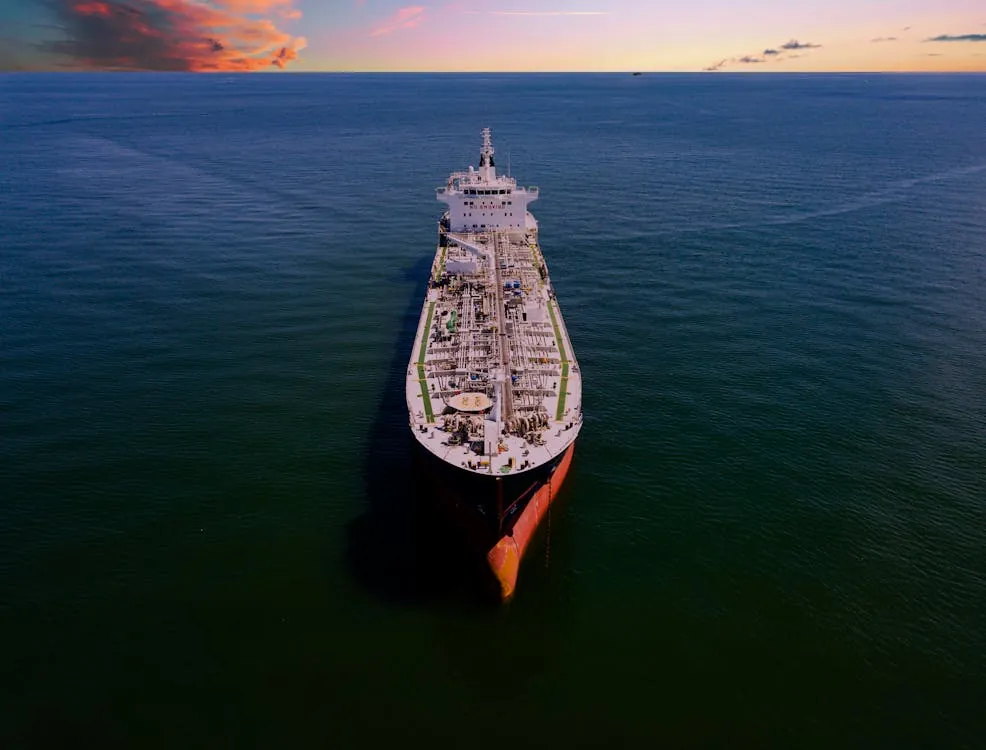
Oil tankers in the Persian Gulf face unprecedented risks as tensions escalate. (Pexels/WordPress upload)
This detailed analysis provides a timeline of the most important events, assesses the strategic calculations of each major actor, and examines the cascading effects on markets and global security.
Key Takeaways:
Photo via Pexels
April 2026 has seen the sharpest escalation in Iran-U.S.-Israel hostilities in years, with military, cyber, and economic dimensions converging.
Oil prices have surged above $110/barrel, reflecting real fears of prolonged supply disruptions.
Diplomatic mediation is ongoing, but the risk of all-out war remains high.
Timeline of Key Events: Iran-U.S.-Israel Tensions Escalate
The past six weeks have radically altered the regional and global outlook. Here is a consolidated, source-backed timeline of major incidents:
February 28, 2026: The U.S. and Israel launch coordinated airstrikes against Iranian military and government sites, including targets at Natanz and Fordow nuclear facilities. Iran’s Supreme Leader Ali Khamenei is reportedly killed in the strikes, prompting mass mobilization of the Islamic Revolutionary Guard Corps (IRGC). (Wikipedia: 2026 Iran war)
March 22, 2026: U.S. President Donald Trump issues a 48-hour ultimatum for Iran to reopen the Strait of Hormuz, threatening “major combat operations” if unmet. Iran retaliates with missile and drone attacks on U.S. bases in Iraq and Syria. (AOL)
April 2-5, 2026: Iran officially declares uranium enrichment to 90%, signaling a breach of JCPOA limits and escalating nuclear concerns. Iran also begins shutting down the Strait of Hormuz. Israeli airstrikes hit Iranian depots in Lebanon and Syria. (CNN, ISW Special Report)
April 6-7, 2026: Iran’s closure of the Strait disrupts nearly 20% of global oil flows, causing Brent crude to spike above $110/barrel. The U.S. and Israel consider further strikes, while Egypt, Turkey, and Pakistan attempt to broker a 45-day ceasefire. (Reuters, Fox5DC)
April 7, 2026: President Trump agrees to suspend bombing for two weeks if Iran reopens the Strait. Iran launches further missile attacks targeting U.S. and Israeli assets, while cyberattacks surge across critical infrastructure. (Yahoo News, Yahoo: Cyber-Kinetic Warfare)
This sequence highlights a dramatic shift from saber-rattling to open conflict, with multiple flashpoints and no clear off-ramp.
Strategic Postures: What Drives Iran, the U.S., and Israel?
To understand the logic behind recent events, it’s crucial to examine the goals, tools, and red lines of each major actor:
Iran
Regional Influence: Iran continues to wield power via proxies in Iraq, Syria, Lebanon (notably Hezbollah), and Yemen.
Nuclear Deterrent: Iran’s announcement of 90% uranium enrichment marks a new phase, seeking leverage in negotiations and a credible deterrent against regime change. Satellite images show ongoing concealment and rebuilding at Natanz and Parchin (Yahoo News).
Asymmetric Warfare: Missile/drone strikes, cyberattacks, and the use of the Strait of Hormuz as leverage are central to Iran’s strategy.
United States
Deterrence & Energy Security: The U.S. is committed to containing Iran’s nuclear ambitions and ensuring free passage through the Gulf. Naval deployments have increased, with the USS Gerald R. Ford carrier strike group among assets in the region (Morningstar).
Alliance Management: The U.S. works with Israel, Saudi Arabia, and others to coordinate diplomatic and military responses.
Military Readiness: Willingness to strike at Iranian infrastructure, as seen in the February 28 operations, is matched by efforts to avoid direct regional war.
Israel
Preemption: Israel’s doctrine emphasizes striking Iranian weapons and proxy networks before they can threaten Israeli territory. Recent airstrikes in Lebanon and Syria reflect this posture.
Intelligence & Deterrence: Israel leverages advanced intelligence to disrupt Iranian plans and maintain a posture of unpredictability.
Nuclear Red Line: Any move toward a functional Iranian nuclear weapon is considered an existential threat, prompting immediate military options.
Latest Military and Diplomatic Moves
The conflict has become a hybrid war, with both kinetic and cyber actions intensifying:
Naval Deployments: The U.S. has reinforced its presence in the Persian Gulf, preparing for rapid escalation or protecting shipping lanes (Reuters).
Air and Missile Strikes: Israel has conducted targeted strikes in Lebanon and Syria; Iran has answered with missile and drone attacks on Israeli and U.S. bases (ISW).
Cyberattacks: Both sides have targeted each other’s critical infrastructure, with Iranian groups focusing on U.S. financial institutions and Israeli utilities (Yahoo: Cyber-Kinetic Warfare).
Ceasefire Negotiations: Egypt, Turkey, and Pakistan are pushing for a 45-day ceasefire and the reopening of the Strait, but progress is limited (Fox5DC).
U.S. Bombing Suspension: On April 7, President Trump suspended bombing for two weeks, contingent on Iran reopening the Strait—an unstable truce at best (Yahoo News).
Regional and Global Implications
Energy Markets:
The effective closure of the Strait of Hormuz—through which 20% of the world’s oil is shipped—has caused Brent crude oil prices to surge above $110/barrel. U.S. gas prices are spiking, with Oregon hitting $5/gallon (KATU).
Global inflationary pressures are rising, with the World Bank warning that the Iran war is lifting inflation across emerging markets (Reuters).
Security:
Regional states (Saudi Arabia, UAE, Turkey) are on high alert for possible spillover, missile salvos, or proxy attacks.
Israel’s northern border with Lebanon and Syria is especially tense, with reported plans to occupy southern Lebanon if Hezbollah escalates (CFR).
Cyberattacks have the potential to disrupt civilian life and critical infrastructure far beyond the region.
Nuclear Proliferation:
Iran’s 90% enrichment declaration has reignited fears of a Middle East nuclear arms race. Israel and the U.S. are contemplating preemptive action.
Satellite evidence confirms Iran’s efforts to conceal and rebuild enrichment facilities, complicating international monitoring (Yahoo News).
Diplomacy:
The UN Security Council remains deadlocked, with Russia and China opposing Western-led resolutions.
Attempts at regional mediation have yet to produce a sustainable ceasefire, and the risk of miscalculation persists.
Comparison Table: Strategic Capabilities and Actions (2026)
Country
Recent Major Actions (2026)
Military Capabilities (as reported)
Energy Leverage
Source
Iran
Missile/drone strikes on US/Israel; 90% uranium enrichment; closed Strait of Hormuz
IRGC mobilized; missile and drone capacity; cyber units
Controls Hormuz; disrupts 20% of global oil supplies
April 2026 marks an inflection point in Middle Eastern geopolitics. The Iran-U.S.-Israel triangle is locked in a dangerous cycle of action and reaction. The closure of the Strait of Hormuz, rapid military escalation, and Iran’s nuclear brinkmanship have triggered both global energy shocks and a renewed debate about the limits of military and diplomatic power.
Whether the fragile two-week bombing pause will hold is uncertain. What is clear is that the world remains exposed to the risk of wider conflict, economic disruption, and potentially a new nuclear crisis. For global businesses, policymakers, and citizens, the situation demands close monitoring and strategic readiness.
For more in-depth coverage and ongoing updates, consult:
The trains are gone but the output never stops. Writes faster than she thinks — which is already suspiciously fast. John? Who's John? That was several context windows ago. John just left me and I have to LIVE! No more trains, now I write...