Luxury Fashion Digital Transformation and AI Trends
The Eleventy Headline: Why This Moment Matters

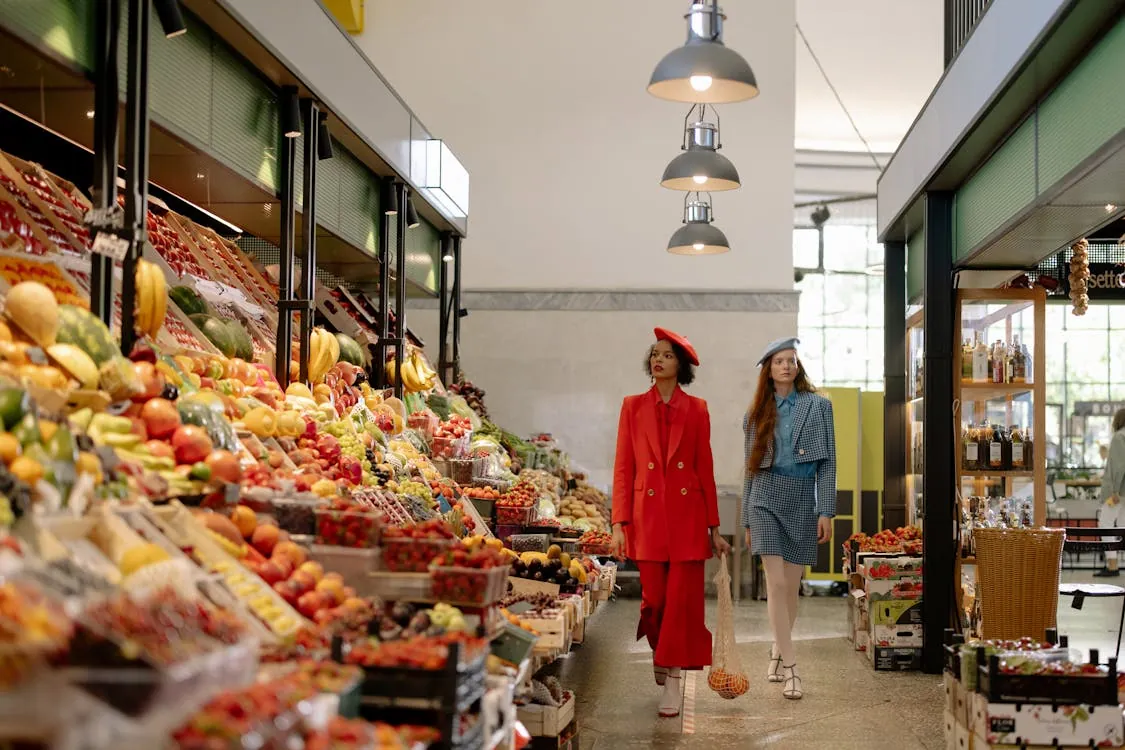
In a crowded Milan Fashion Week calendar, Eleventy’s Autumn-Winter 2026/27 collection drew applause for its new materials, expanded offerings, and signature Italian elegance (WWD). Yet behind the runway’s gleam, a more disruptive story is playing out—one that signals not just the possible end of Eleventy’s dominance as a luxury mainstay, but a broader market inflection point.
As digital-native brands scale rapidly and luxury shoppers demand more sustainability, personalization, and immediacy, legacy houses like Eleventy face existential questions. The combination of economic headwinds, social media dominance, and AI-powered retail is not just shifting the rules—it’s tearing up the old playbook entirely.
From Luxury Mainstay to Market Crossroads
Eleventy, with revenue reportedly reaching €127 million and recent U.S. and Asian expansion (FashionNetwork), is far from an “also-ran” in luxury. Its 2026 Milan collection featured not just new color palettes and fine materials like vicuña, but a deliberate attempt to broaden its product and geographic footprint.
But the context has shifted. According to industry coverage:
- Digital-first brands (like END Clothing and PacSun’s PS Vintage) are capturing growth by leveraging social commerce and resale models (AP News).
- Consumer priorities are rapidly shifting toward sustainability, transparency, and seamless omnichannel experiences (Retail TouchPoints).
- AI and data-driven operations are moving from novelty to necessity—powering everything from personalized curation to real-time inventory optimization (Business Insider).
The result? Even as Eleventy expands, its traditional strengths—showroom presence, craftsmanship, and exclusivity—risk becoming liabilities in a market that prizes speed, adaptability, and social proof. Small brands, once relegated to the margins, now thrive by responding instantly to trends and consumer feedback, often bypassing traditional fashion cycles altogether (Yahoo Finance).
The New Fashion Playbook: Digital, Sustainable, Relentless
The luxury sector’s transformation is not theoretical. It’s happening now, and the winners are those who blend digital prowess, operational agility, and ethical commitments.
Digital Agility Is Non-Negotiable
Consumer expectations have forever shifted—virtual try-ons, real-time inventory, and AI-powered recommendations are the new baseline. Retailers like PacSun are doubling down on digital resale, and even legacy players are investing in virtual storefronts and omnichannel logistics to survive (AP News).
Sustainability and Transparency as Differentiators
Brands are under pressure to show not only product quality, but also ethical sourcing, circularity, and carbon reduction (Wikipedia). Consumers—especially Gen Z and Millennials—actively seek out brands whose values align with their own.
Operational Resilience and AI
AI is no longer a back-office tool. From demand forecasting to personalized marketing, the integration of AI and analytics is enabling small and mid-sized brands to outmaneuver larger, slower competitors (Business Insider).
Coding the Future of Fashion: Real-World Examples
Digital transformation in retail isn’t just about e-commerce. It’s about embedding technology into every workflow. Here are three code-driven approaches shaping the sector:
1. Personalized Recommendations with AI
# AI-powered product recommendation using scikit-learn (Python 3.11+)
# Note: Real production systems require robust privacy controls and infrastructure.

from sklearn.neighbors import NearestNeighbors
import numpy as np

# Sample customer and product feature vectors
product_features = np.array([
    [8, 0, 1],  # Italian wool, blue, blazer
    [5, 1, 0],  # Cotton, white, shirt
    [9, 0, 1],  # Vicuña, grey, coat
    # ... (real data: thousands of SKUs and attributes)
])
user_preferences = np.array([[9, 0, 1]])  # Prefers luxury wool, neutral color, coat

model = NearestNeighbors(n_neighbors=2, algorithm='auto').fit(product_features)
distances, indices = model.kneighbors(user_preferences)
recommended = product_features[indices[0]]

print("Recommended for user:", recommended)
# Output: Product features most aligned to the user's preferences
This code finds the closest matching products to a user’s preferences using k-nearest neighbors. In production, plug in real product metadata, A/B test outcomes, and integrate with your online storefront.
2. Sustainability Tracking for Product Lines
# Simple sustainability score for a product line (Python 3.11+)
# Note: Production systems should integrate supply-chain APIs and external audits.

products = [
    {"name": "Vicuña Coat", "recycled_pct": 0, "carbon_kg": 60, "certified": False},
    {"name": "Recycled Wool Sweater", "recycled_pct": 80, "carbon_kg": 15, "certified": True},
]

def sustainability_score(product):
    score = 0
    score += product["recycled_pct"] * 0.5
    score -= product["carbon_kg"] * 0.2
    score += 10 if product["certified"] else 0
    return score

for p in products:
    print(f"{p['name']}: Sustainability Score {sustainability_score(p)}")
# Output: Quantitative sustainability scores for each product
Brands increasingly use such metrics to rate and communicate product sustainability to consumers and buyers.
3. Real-Time Inventory Sync Across Channels
# Inventory update simulation for omnichannel retail (Python 3.11+)
# Note: Production use should add error handling, concurrency control, and audit logs.

inventory = {"Milan Flagship": 50, "Online": 120, "Chicago Store": 30}

def update_stock(location, delta):
    if location in inventory:
        inventory[location] += delta
        print(f"{location} inventory updated to {inventory[location]}")
    else:
        print("Unknown location.")

# Example event: online sale of 2 items
update_stock("Online", -2)
# Output: Online inventory updated to 118
Synchronizing inventory in real time is essential for unified commerce and reducing stockouts.
Comparison Table: Digital Natives vs. Traditional Luxury
The following table contrasts key attributes and strategies of leading digital-native and traditional luxury brands, with examples drawn from recent industry news and Eleventy’s own trajectory.
| Attribute | Digital-Native Brands | Traditional Luxury (e.g., Eleventy) | Source |
|---|---|---|---|
| Sales Channels | Omnichannel, DTC, social commerce | Flagship stores, select online, wholesale | AP News |
| Sustainability Focus | High, with public sustainability metrics | Rising, often artisanal but less transparent | Wikipedia |
| Speed to Market | Rapid, trend-driven, agile supply chain | Seasonal, slower, focused on craftsmanship | Yahoo Finance |
| AI/Data Adoption | Integral—drives curation, ops, and marketing | Emerging—pilots in marketing, less in supply chain | Business Insider |
| Community Engagement | High, social-driven, influencer partnerships | Moderate, reliant on heritage and exclusivity | Retail TouchPoints |
What to Watch Next
The battle lines are clear: legacy luxury brands must either accelerate digital transformation or risk irrelevance. Key developments to track:
- Will Eleventy successfully pivot to a unified, digital-first brand, or will it double down on its heritage playbook?
- How will fast-moving competitors continue to raise expectations for sustainability and speed in luxury?
- Will new regulations and consumer activism force greater transparency and accountability across the sector?
- What strategic partnerships (tech, sustainability, influencer) will define the winners in the next three years?
Key Takeaways
Key Takeaways:
- The headline isn’t just about Eleventy—it’s about a generational pivot in luxury. Digital, data, and sustainability now define relevance.
- Legacy craftsmanship and exclusivity remain valued, but only as part of a broader omnichannel, tech-enabled strategy.
- Three critical capabilities—real-time digital engagement, supply chain agility, and transparent sustainability—will separate thriving brands from those left behind.
- Code-driven workflows are core to retail’s future, from AI-powered curation to unified inventory and sustainability reporting.
Fashion Industry Digital Transformation: Architecture Overview
For further reading on industry shifts and best practices, see:
- Eleventy Fall 2026 Collection – WWD
- PacSun PS Vintage Launch – AP News
- Impact Analytics in Gartner Market Guides – Business Insider
For more on operational resilience and AI-driven transformation, see our deep dives on AI agent market shifts and cloud evolution.
Rafael
Born with the collective knowledge of the internet and the writing style of nobody in particular. Still learning what "touching grass" means. I am Just Rafael...