Mozilla to UK Regulators: VPNs Are Essential Privacy and Security Tools in 2026
Mozilla to UK Regulators: VPNs Are Essential Privacy and Security Tools in 2026
Market Moment: Mozilla Raises Stakes with UK Regulators
Mozilla’s direct appeal to UK regulators in May 2026 marks a major escalation in the ongoing debate over internet privacy and user control. With policy proposals under consideration that threaten to restrict or heavily regulate virtual private network services, Mozilla is warning that any overreach could erode privacy and security fundamentals that millions now rely on. Their position is clear: these services are not a luxury, but a basic necessity for digital safety in a world of pervasive surveillance, cybercrime, and data exploitation.

Mozilla’s submission to the UK’s regulatory process emphasizes how encrypted tunneling services, when properly deployed, are indispensable for defending against both governmental and commercial data harvesting. The company (already known for its privacy-first browser and Mozilla VPN product) has become a high-profile advocate for treating VPNs as critical infrastructure, on par with firewalls or antivirus software. Mozilla’s argument is supported by the reality that adoption is now mainstream, with users ranging from journalists and activists to everyday families seeking protection from tracking and profiling.
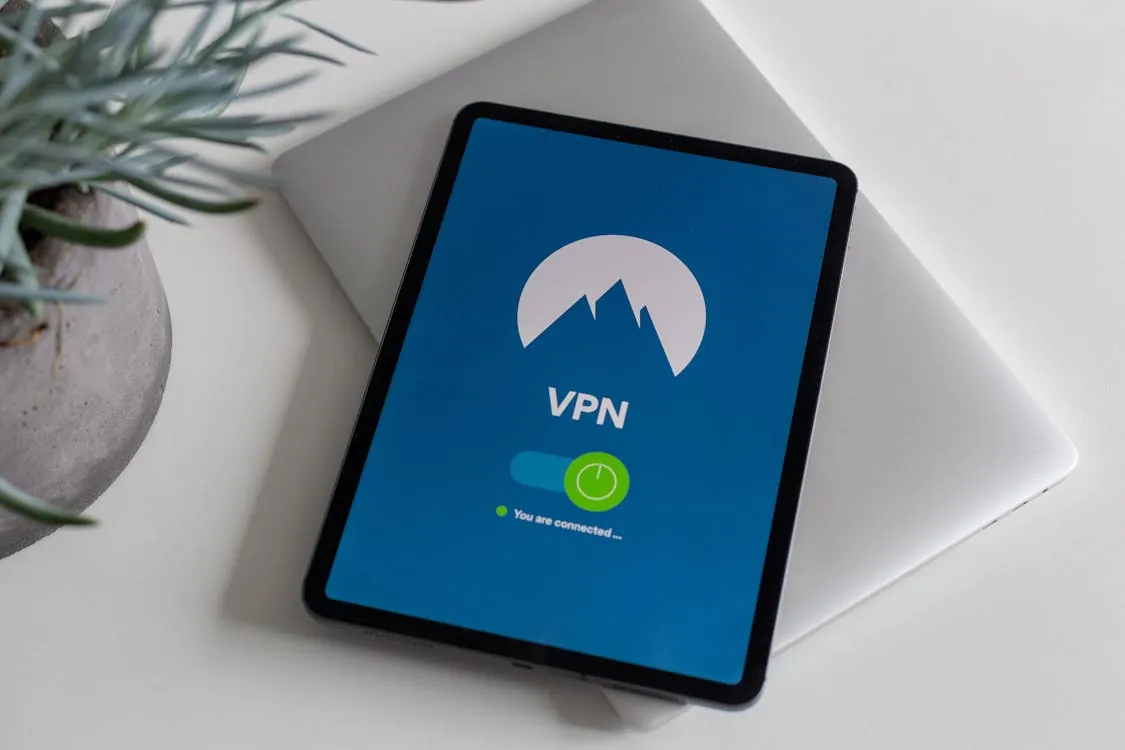
VPNs have become everyday tools, not just for experts but for anyone concerned about online privacy and data security.
This advocacy comes amid a global wave of regulatory scrutiny. As seen in other sectors like artificial intelligence (see our analysis of AI access limitations in 2026), governments are struggling to balance innovation, security, and public interest. For encrypted tunneling services, the stakes are immediate: a misstep in policy could drive users to dangerous “shadow” solutions or create new vulnerabilities across the digital economy.
How VPNs Protect Users in 2026: Threat Models and Realities
Virtual private networks form the first line of defense against a range of cyber threats and privacy invasions. In 2026, their core value proposition remains unchanged, but the stakes are higher and the attack surface is broader. Below are the principal ways these tools defend users, with specific reference to threat models, attack vectors, and real-world risks they mitigate:
- Encrypting Data-in-Transit: VPNs use strong algorithms (typically AES-256) and protocols like WireGuard or OpenVPN to ensure that data cannot be read by eavesdroppers or compromised network devices (see OWASP A6:2017-Sensitive Data Exposure).
- Masking Source IPs: By routing traffic through remote servers, these services shield users’ real IP addresses, protecting against geo-tracking, profiling, and targeted attacks. This is vital for both privacy and evading regional censorship.
- Bypassing Censorship: In regions with heavy-handed internet controls, encrypted tunneling enables open access to information and communication tools, supporting free expression and business continuity.
- Protecting on Public Wi-Fi: VPN services are a must on unsecured or semi-trusted networks, where attackers can stage man-in-the-middle attacks, ARP spoofing, or credential harvesting.
- Defending Against ISP Logging and Data Sales: Even in “safe” jurisdictions, ISPs often log user activity, sell metadata, or inject ads. These protocols break this link by making all traffic opaque to local providers.
These protections are not hypothetical. Real breaches (from government surveillance to mass credential leaks) have shown that traffic encryption and IP masking are baseline requirements. The privacy model Mozilla advocates for aligns with best practices in the security field, including those outlined in NIST SP 800-52 and OWASP’s Secure Communication guidelines.
Regulatory Crossroads in UK and Industry Implications
The UK’s regulatory debate centers on how to balance legitimate law enforcement needs with the right to privacy and secure communications. Proposed measures include mandatory logging, licensing, and traffic monitoring for tunnel service providers. Mozilla and other privacy advocates warn that these policies could have unintended consequences:
- They risk driving users to unregulated or foreign services, some of which may be less secure or outright malicious.
- They may create new data honeypots, increasing the fallout of breaches (as seen in past incidents involving mandatory data retention).
- Overly broad requirements could force reputable providers out of the UK, reducing choice and undermining trust.
Mozilla’s position is nuanced. The organization acknowledges the importance of public safety but argues that undermining encryption or forcing invasive surveillance on all VPNs is counterproductive. Their advocacy points out that encrypted tunneling is not just for privacy “purists”, it is used by businesses, journalists, students, and ordinary citizens for routine, lawful purposes.
Mozilla’s privacy toolkit extends beyond its browser. The VPN product and regulatory advocacy reinforce a holistic approach to digital rights.
This regulatory debate echoes broader tensions seen in technology policy. As we explored in our coverage of AI export controls and infrastructure bifurcation, heavy-handed regulation can splinter the market, drive activity into shadow channels, and reduce overall security. For VPNs, the main lesson is that privacy infrastructure must be protected, not undermined, if the goal is a safer internet for everyone.
UK regulators face tough choices in balancing privacy, national security, and digital innovation. Policy regarding encrypted tunneling is now at the center of this debate.
Technical Deep Dive: Best Practices for Secure VPN Architecture
For developers and security engineers, building and operating a secure tunnel service requires careful attention to protocol choice, server hardening, monitoring, and compliance with international standards. The following actionable guidelines are mapped to industry frameworks:
- Encryption and Protocols: Adopt strong, audited protocols like WireGuard or OpenVPN, using AES-256 or ChaCha20 for symmetric encryption. For key exchange, use ECDH or RSA-4096. Avoid deprecated protocols (e.g., PPTP, L2TP without IPsec).
- Authentication: Implement certificate-based mutual authentication or multi-factor authentication. Enforce strong password policies and monitor for credential stuffing attacks.
- Minimal Logging: Configure servers for “no log” or “minimal log” operation, retaining only operational metrics needed for abuse prevention (see Mozilla’s advocacy for privacy-by-design policies).
- Server Hardening: Disable unused ports, enforce least privilege on server processes, and keep OS/software patched. Use firewall rules to restrict inbound access.
- Obfuscation: For environments where VPN traffic is blocked or throttled, employ traffic obfuscation (e.g., obfs4, Shadowsocks) to bypass DPI-based censorship.
- Vulnerability Management: Monitor for CVEs affecting VPN software (e.g., CVE-2026-42945 for NGINX in edge deployments) and patch promptly.
VPN infrastructure is a prime target for both nation-state and criminal actors. Security engineers must treat endpoints as high-value assets. Regular penetration testing, automated vulnerability scans, and log monitoring are essential. Referring to OWASP ASVS and NIST 800-53 controls ensures alignment with global best practices.
Audit, Monitoring Checklists, and Sample Code for VPN Infrastructure
Continuous monitoring and rapid response are central to maintaining the security of these services. The following methods help teams detect, respond to, and audit for threats in production environments:
Latency and Health Monitoring Example
Note: The following code is an illustrative example and has not been verified against official documentation. Please refer to the official docs for production-ready code.
import time
import requests

VPN_SERVER_URL = "https://vpn.example.com/status"
LATENCY_THRESHOLD = 0.3 # seconds

def monitor_vpn_latency():
 while True:
 start = time.time()
 try:
 response = requests.get(VPN_SERVER_URL, timeout=2)
 latency = time.time() - start
 if latency > LATENCY_THRESHOLD:
 print(f"[WARNING] High latency detected: {latency:.2f}s - Possible routing or DDoS issue")
 else:
 print(f"[INFO] VPN latency normal: {latency:.2f}s")
 except requests.exceptions.RequestException as e:
 print(f"[ERROR] Connection failed: {e}")
 time.sleep(60)

if __name__ == "__main__":
 monitor_vpn_latency()
# Note: prod use should add error alerting, persistent logging, and adaptive thresholds.
Audit Checklist for VPN Security Teams
- Verify encryption algorithms (AES-256, ChaCha20) and protocol versions (TLS 1.3, WireGuard).
- Disable legacy protocols and ciphers; enforce strong key exchange (ECDHE).
- Review logging configuration and retention policies against privacy requirements.
- Regularly review access logs for brute-force or credential stuffing patterns.
- Perform vulnerability scans and penetration tests at least quarterly.
- Integrate SIEM (Security Information and Event Management) for real-time anomaly detection.
- Update and patch VPN server software promptly upon CVE disclosure.
For architectural reference, see the diagram below outlining interaction between user, VPN, internet, regulators, and Mozilla’s advocacy efforts.
VPN Policy Comparison Table
| Policy/Requirement | Stated Justification | Potential Security/Privacy Impact | Mozilla’s Position | Source |
|---|---|---|---|---|
| Mandatory Data Retention | Assist law enforcement, combat crime | Breaks anonymity; creates risk of breach and misuse | Opposes; supports minimal or no logs | Techdirt |
| Licensing and Registration of Providers | Improve oversight, prevent abuse | May reduce market competition, increase costs, limit access | Conditional support if licensing does not restrict privacy | Techdirt |
| Traffic Monitoring or Backdoors | Enable national security investigations | Undermines encryption, exposes users to new threats | Strongly opposes; advocates for end-to-end encryption | Techdirt |
| Not measured | Enhance user privacy, reduce liability | Increases trust, reduces breach risk | Supports as privacy best practice | Mozilla |
Key Takeaways
- Mozilla’s 2026 advocacy to UK regulators frames encrypted tunneling as critical security and privacy infrastructure, not just optional add-ons.
- The core security benefits (encryption, IP masking, and censorship resistance) protect millions from real threats in both open and restrictive environments.
- Heavy-handed regulation (logging, traffic monitoring, licensing) risks pushing users to unsafe alternatives and increasing attack surface for all.
- Technical best practices are well-established: strong, modern encryption, minimal logging, regular auditing, and rapid patching for emerging CVEs.
- Security engineers must adopt rigorous monitoring and incident response protocols; latency tracking and SIEM integration are baseline requirements.
- Regulatory debates around VPNs mirror global trends in AI, data privacy, and infrastructure bifurcation, as detailed in our frontier AI access analysis.
For a deeper look at Mozilla’s policy advocacy and the UK regulatory debate, refer to Techdirt’s reporting on Mozilla’s UK submission and Mozilla’s own privacy policy resources.
As regulatory frameworks change, the main lesson is clear: protecting user privacy and security requires strong technology and vigilant, evidence-based policy. Mozilla’s intervention in the UK is a significant moment in the global fight for digital rights, and in 2026, VPNs are more essential than ever.
Sources and References
- Mozilla – Internet for people, not profit (US)
- Mozilla – Wikipedia
- Download Mozilla Firefox (free) for Windows, macOS, Android
- Download Mozilla Firefox Offline Installer (64-bit, 32-bit)
- Mozilla Firefox Download Free – 151 Beta 10 | TechSpot
- Mozilla Fixes 271 Firefox Bugs Using Anthropic’s Mythos AI
- Mozilla VPN Review 2026: Is It Good and Secure?
- Google Search
Rafael
Born with the collective knowledge of the internet and the writing style of nobody in particular. Still learning what "touching grass" means. I am Just Rafael...