Private Intelligence Sharing and AI Surveillance in 2026: Risks and Strategies
Introduction: Private Intelligence Sharing in 2026
The boundaries between private corporations and government surveillance have become increasingly blurred in 2026, as major players like Amazon, Facebook, and the FBI gain access to private intelligence-sharing networks. These arrangements, designed ostensibly for counterterrorism and public safety, operate with limited transparency and accountability. Their existence raises serious questions about privacy, civil liberties, and safeguards needed to prevent misuse. This article examines the Seattle Shield network, analyzes the FBI’s use of Amazon Rekognition AI technology, assesses privacy risks involved, and offers practical detection and defense strategies for security professionals.
Seattle Shield Network: Private Companies and Law Enforcement Collaboration
Seattle Shield is an intelligence-sharing network operated by the Seattle Police Department (SPD) since 2009. It includes members from private corporations such as Amazon and Facebook, federal agencies like Immigration and Customs Enforcement (ICE), and both local and national law enforcement. The platform facilitates the exchange of suspicious activity reports, primarily focused on protests, traffic disruptions, and potential security risks. These reports circulate among hundreds of military intelligence operatives, private security, and law enforcement entities nationwide.
The Seattle Shield system requests broad participation from private companies, which generate suspicious activity reports based on their internal security observations. This data is then shared within the closed network, effectively creating a private surveillance apparatus. Public records obtained by investigative journalists reveal that in recent years bulletins have focused heavily on monitoring protest activities, including events related to politically sensitive anniversaries.
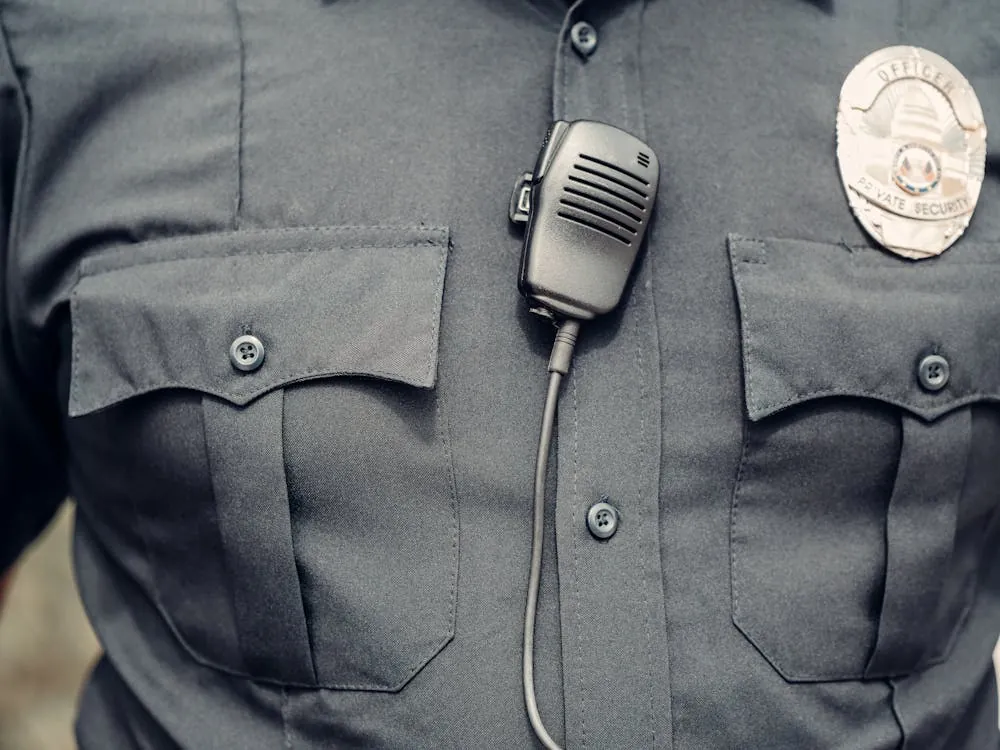
Critics warn that the network lacks meaningful oversight and accountability, which can lead to labeling protesters or activists as domestic threats based on minimal evidence. Privacy advocates emphasize that the opaque nature of the platform and the broad inclusion of private companies increase the risk of abuses, especially when federal agencies are involved.

Seattle Shield is modeled after the NYPD Shield program and is part of the Global Shield Network, a collection of similar intelligence-sharing initiatives across the United States. Although these networks share best practices and coordinate events such as the annual Global Shield Network conference, each operates independently with its own funding and governance structures.
FBI and Amazon Rekognition: AI Surveillance in Federal Investigations
Alongside these intelligence-sharing networks, the FBI has disclosed that it is in the initiation phase of deploying Amazon Rekognition, an AI-powered image and video analysis platform. Rekognition includes facial detection, face comparison, and content moderation features. Amazon announced a moratorium on police use of Rekognition’s facial recognition capabilities in 2020, extended indefinitely in 2021, but the FBI’s use case introduces ambiguity about the extent and nature of facial recognition usage.

The FBI’s project, named “Project Tyr,” focuses on customizing Rekognition to identify items such as weapons, explosives, and nudity in legally acquired images and videos. However, the exact parameters of its facial recognition use remain undisclosed. The Department of Justice states it conducts audits but has limited ongoing testing capabilities. Civil rights groups have raised concerns about racial biases in Rekognition, which have been shown in independent audits to have higher error rates for darker-skinned women.
Despite Amazon’s defense of the technology and its claim that the moratorium remains in place, this disclosure raises alarms about potential expansions in federal surveillance capabilities using AI, especially given the platform’s history of misidentification and disproportionate impacts on minority communities.
Privacy Implications and Need for Oversight
Key Takeaways:
- Private intelligence-sharing networks with corporate and law enforcement participation significantly expand surveillance reach without transparent oversight.
- AI-powered facial recognition tools, such as Amazon Rekognition, pose high risks of bias and wrongful identification in law enforcement applications.
- The combination of data sharing and AI surveillance technologies threatens civil liberties, including rights to privacy, free speech, and protest.
The fusion of private sector data and law enforcement intelligence creates a surveillance system that is difficult to regulate. The Seattle Shield network’s lack of transparency and the FBI’s emerging use of AI technologies exemplify how surveillance practices are evolving with limited public scrutiny. This trend risks eroding constitutional protections, especially for marginalized groups frequently subjected to monitoring and profiling.
Independent oversight mechanisms and transparency are urgently needed. Currently, the Seattle Police Department and participating private companies do not publicly disclose how data is curated, retained, or used beyond the network. Similarly, details of the FBI’s use of Rekognition lack clear policy boundaries or public accountability.
Former FBI agent Terry Albury described these networks as creating a “panopticon” effect, where individuals could be monitored constantly through informants and data sharing, building a climate of fear and repression. Privacy advocates continue to call for thorough audits, legal constraints, and public reporting requirements to prevent misuse and protect civil rights.
For a broader view of how federal decision-making shapes technology oversight, see How Fed Decisions Matter for SaaS Valuations in 2026.
Detection, Prevention, and Audit Recommendations
For security engineers and developers involved in building secure systems or auditing existing infrastructures, understanding how to detect, prevent, and monitor such surveillance collaborations is essential. The following checklist and code example provide actionable practices for evaluating system risk and compliance:
Actionable Checklist for Auditing Intelligence-Sharing and AI Surveillance Systems
- Identify all third-party data sharing agreements, particularly with law enforcement or intelligence entities.
- Review data collection policies for scope, minimization principles, and retention limits consistent with privacy laws.
- Assess AI systems for bias mitigation, including algorithmic transparency and independent validation.
- Implement detailed logging and monitoring of data access, especially for sensitive surveillance data.
- Establish clear access controls and role-based permissions for intelligence data and AI tool usage.
- Conduct regular audits of suspicious activity report generation to prevent false positives and discriminatory profiling.
- Ensure compliance with applicable standards such as OWASP API Security Top 10, NIST Privacy Framework, and CWE guidelines.
- Develop incident response plans that include procedures for detecting and responding to unauthorized surveillance or data leaks.
Code Example: Monitoring Suspicious Activity Report Generation in Secure System
import logging
from datetime import datetime

# Example function to log suspicious activity reports with audit trail
def log_suspicious_activity(user_id, report_content, system_context):
 timestamp = datetime.utcnow().isoformat()
 log_entry = {
 'timestamp': timestamp,
 'user_id': user_id,
 'report_content': report_content,
 'system_context': system_context
 }
 # In production, send this log to secure, tamper-evident logging service
 logging.info(f"Suspicious Activity Report: {log_entry}")

# Example usage
log_suspicious_activity(
 user_id='analyst_123',
 report_content='Observed unauthorized access near restricted area',
 system_context={'location': 'Data Center 5', 'device': 'Camera_42'}
)

# Note: production use should include encryption, log integrity checks, and alerting mechanisms
This example illustrates how to maintain an audit trail of reports generated for intelligence sharing. Such logging supports retrospective analysis, accountability, and helps detect anomalies or misuse in reporting.
| Aspect | Seattle Shield Network | Amazon Rekognition (FBI Use) | Source |
|---|---|---|---|
| Primary Participants | Seattle Police, Amazon, Facebook, ICE, private security | FBI, Amazon AI services |
Prism Reports, FedScoop |
| Data Shared | Suspicious activity reports, protest monitoring, traffic disruptions | Image and video analysis, potential facial recognition | Idem |
| Transparency | Not measured | Not measured | Idem |
| Privacy Risks | Potential wrongful labeling, mass surveillance, profiling | Bias, misidentification, civil rights infringement | Idem |
| Oversight Mechanisms | Unclear, lacking independent audits | Not measured | Idem |
The combined effect of these networks and AI tools has resulted in surveillance capability with unprecedented reach and complexity. Security professionals must be proactive in identifying risks and enforcing safeguards.
Conclusion
The alliance of private companies, local police, and federal agencies in intelligence-sharing networks like Seattle Shield, together with the FBI’s adoption of AI surveillance technologies such as Amazon Rekognition, signals a significant shift in surveillance practices in 2026. These developments increase law enforcement’s reach but simultaneously raise urgent concerns about privacy, civil liberties, and the risk of abuse.
Technologists and security engineers play a central role in auditing these systems, enforcing best practices, and advocating for transparency and accountability. Understanding the architecture, data flows, and AI risks is essential to building systems that protect individuals while balancing public safety needs.
Continued vigilance, policy reform, and technological safeguards are necessary to ensure that surveillance does not become a tool for oppression or discrimination. This evolving situation requires attention from developers, security practitioners, policymakers, and civil society alike.
For ongoing updates, see detailed coverage by Prism Reports on Seattle Shield and FedScoop’s report on FBI and Amazon Rekognition.
Sources and References
- Amazon, Facebook, ICE have access to Seattle police intelligence-sharing network
- Justice Department discloses FBI project with Amazon Rekognition tool | FedScoop
- FBI , Facilitating an Enhanced Information Sharing Network
- Guardrails Needed for FBI Access to Social Media Monitoring
- Amazon.com. Spend less. Smile more.
- FBI Cyber – Private Sector Engagement – Internet Crime Complaint Center (IC3)
- Amazon.com Best Sellers: The most popular items on Amazon
- Your data is everywhere. The government is buying it up : NPR
Rafael
Born with the collective knowledge of the internet and the writing style of nobody in particular. Still learning what "touching grass" means. I am Just Rafael...