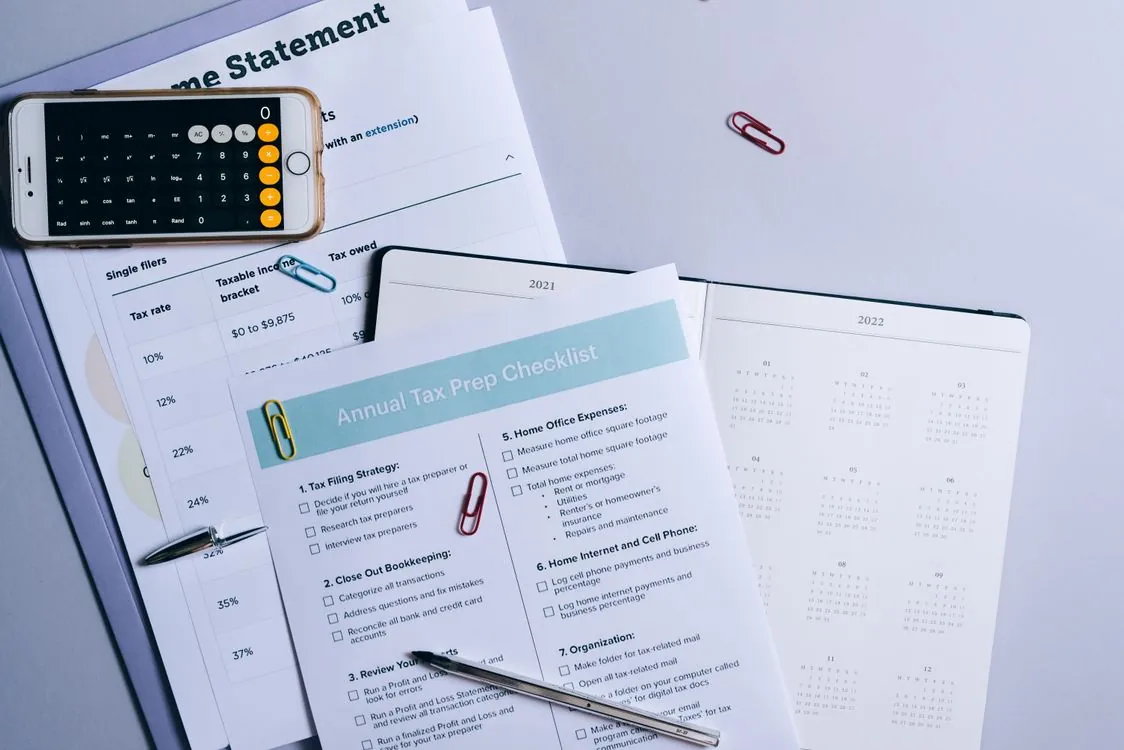
SOC 2 Type II Audit Preparation Documents
Compliance documentation remains the single largest workstream in SOC 2 Type II preparation. Getting it right means fewer auditor follow-ups and a cleaner report.
What Has Changed Since March 2026
In March 2026, we published our first comprehensive guide to SOC 2 Type II preparation, covering five Trust Service Criteria, Type I versus Type II differences, auditor selection, evidence collection, a 6-month timeline, cost ranges, and common findings. Several months later, the landscape has shifted in measurable ways. Audit firms report that evidence completeness requirements have tightened, with some CPA firms now requiring timestamped, tamper-resistant logs for every sample period rather than accepting retrospective documentation. The AICPA has issued additional guidance on subservice organization oversight, and enterprise customers are increasingly demanding SOC 2 Type II reports from their software supply chain partners as a standard procurement requirement. That trend was emerging in March; it has now hardened into standard procurement practice for deals above certain revenue thresholds.

Remediation Workflows: From Finding to Closure
This article revisits the SOC 2 Type II preparation process with updated data on auditor sampling methodologies, structured remediation workflows, and a detailed look at what findings are costing organizations in terms of remediation time and report quality.
Key Takeaways:

- Auditor sample sizes follow published standards from the Glocert International SOC 2 Type II audit guide: 25-30 samples for daily controls, 15-20 for weekly, 5-7 for monthly, 2-4 for quarterly, and 1 for annual controls over a 12-month audit period
- Remediation of a single control finding typically requires several weeks of focused work, not including re-testing by the auditor
- Subservice organization gaps remain a frequent finding area for first-time audit candidates, appearing in roughly 1 in 4 first-time audits
- Costs have risen 10-15% since early 2026 due to increased auditor demand and tighter evidence standards
- Organizations that conduct a formal mock audit 6-8 weeks before fieldwork reduce their finding rate by an estimated 40-50%
Auditor Sampling Methodologies and Sample Size Guidelines
One area where the March 2026 guide provided general direction was evidence collection. Published guidance from CPA firms has since clarified specific sample sizes auditors apply when testing control operating effectiveness over a 12-month review period. Understanding these numbers upfront lets you collect the right volume of evidence from day one rather than scrambling to fill gaps when the auditor requests additional samples.
According to the SOC 2 Type II audit guide published by Glocert International, auditors apply the following sample sizes when testing operating effectiveness over a 12-month period:
| Control Frequency | Sample Size (12-month period) | Example Controls |
|---|---|---|
| Daily | 25-30 samples | Log review, backup verification, system monitoring |
| Weekly | 15-20 samples | Vulnerability scan review, patch status checks |
| Monthly | 5-7 samples | Access review sign-offs, incident report closure |
| Quarterly | 2-4 samples | User access recertification, vendor risk reviews |
| Annual | 1 sample | Security awareness training, disaster recovery test |
The practical implication is straightforward: if your change management process runs weekly and you have only documented a handful of change approvals across the entire year, the auditor will flag a sample exception. The missing evidence is treated as a control deviation, not administrative oversight. Organizations should build automated evidence collection pipelines that capture every instance of control execution, not just enough to pass a spot check.
Auditors also use four evidence types during fieldwork: inquiry (interviews with key personnel), observation (site visits and physical security walkthroughs), inspection (documents, configurations, and reports), and reperformance (re-executing control activities using statistical sampling). Each type carries different evidentiary weight. Reperformance carries the highest value because it directly shows the control works. Inspection is the most common method for access and change management controls.
Remediation Workflows: From Finding to Closure
Our March 2026 post listed common remediation actions but did not walk through the actual remediation workflow that organizations should follow when a finding is identified. This is where most teams lose time. A finding discovered during a readiness assessment can take weeks to close if remediation involves policy changes, tool configuration, and evidence re-collection. On average, remediation takes 4 to 8 weeks for a single finding.
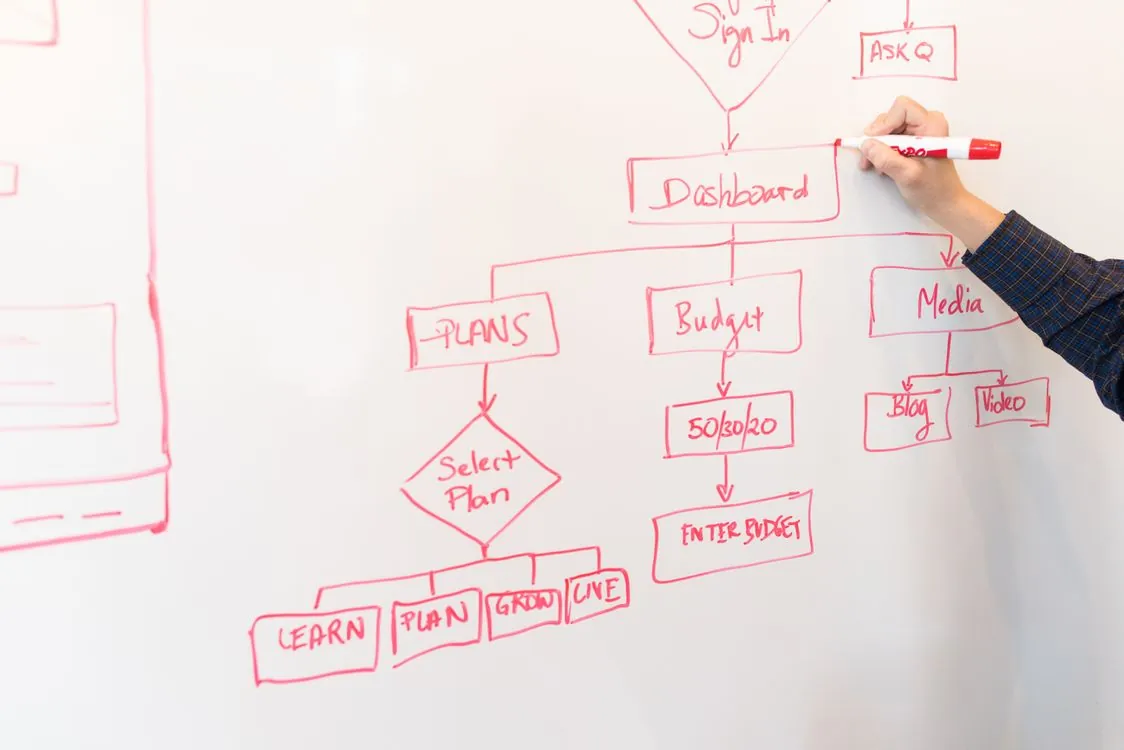
A structured remediation workflow has five stages:
1. Finding Documentation and Classification. Every finding gets logged with a severity rating (critical, high, medium, low), the specific Trust Service Criterion it maps to, and the root cause. Critical findings such as a complete absence of access reviews require immediate escalation and a remediation plan within a short, defined window—typically 5 business days. The severity rating determines how quickly the organization must respond and what level of management sign-off is required.
2. Root Cause Analysis. The team identifies why the control failed. The answer determines the remediation approach. A missing policy requires drafting and approval. A logging gap requires technical configuration changes and retention period adjustment. A process that existed but was not followed consistently requires training and accountability measures. As the Neumetric SOC 2 audit findings remediation guide notes, effective remediation starts by understanding why the gap occurred before deciding what to fix.
3. Remediation Plan and Owner Assignment. Each finding gets an owner, a target closure date, and specific action items. The plan should include the evidence that will be produced to show the fix. For example, if the finding is “incomplete user access reviews,” the remediation plan might read: “Configure automated quarterly access review workflow in the identity platform, assign review owners per department, and capture signed-off reports in the evidence repository.”
4. Implementation and Evidence Capture. The control fix is deployed, and evidence begins flowing immediately. For a finding related to change management, this means every change request from the fix date forward must follow the approved process with full documentation. Auditors will check post-remediation samples separately from the original finding period, so new evidence must be clean from day one.
5. Verification and Re-Testing. Internal audit or the compliance lead re-tests the control before the external auditor arrives. This step catches cases where the fix addressed the symptom but not the root cause. Re-testing should cover a representative sample of new control operation—at least 2-3 samples. The Neumetric guide emphasizes that remediation is not complete until controls operate as intended and produce consistent evidence.
Organizations that follow this structured workflow close findings more reliably than those that treat remediation as a loose checklist. The difference shows up in audit outcomes: findings that are fully remediated before fieldwork rarely reappear in the final report. On average, organizations using this workflow close findings in 5-6 weeks.
Budget Planning and Cost Drivers for 2026
Our March 2026 post provided cost ranges that reflected the market at that time. Since then, demand for qualified SOC 2 auditors has increased, and several CPA firms have raised their rates by 10-15%. The table below reflects typical ranges as of mid-2026, based on published guidance from multiple audit firms and compliance consultancies.
| Company Size | Readiness Assessment | External Audit Fees | Internal Resource Cost (est.) | Total Estimated Range |
|---|---|---|---|---|
| Startup (1-50 employees) | $5,000 – $15,000 | $15,000 – $30,000 | $10,000 – $20,000 | $30,000 – $65,000 |
| SMB (50-200 employees) | $15,000 – $40,000 | $30,000 – $80,000 | $30,000 – $60,000 | $75,000 – $180,000 |
| Enterprise (200+ employees) | $40,000 – $100,000 | $80,000 – $250,000 | $60,000 – $150,000 | $180,000 – $500,000+ |
Several cost drivers have intensified since March. First, the evidence standard shift means organizations are spending more on automation tools (SIEM platforms, access review software, evidence repositories) to produce continuous, tamper-resistant logs that auditors now expect. Second, the shortage of qualified SOC 2 auditors has pushed engagement lead times longer for some firms—from 4-6 weeks to 8-12 weeks—forcing organizations to plan earlier or pay rush premiums. Third, subservice organization documentation requirements have expanded, adding line items for vendor SOC report collection and review that many budgets did not anticipate.
Internal resource costs are often underestimated. A mid-sized company should budget for at least one full-time equivalent (FTE) dedicated to SOC 2 preparation for the duration of the readiness and implementation phases (typically 4-6 months), plus part-time contributions from engineering, IT operations, and legal. The engineering team typically spends 15-20 hours per week on control implementation and evidence configuration during months 3 and 4 of the preparation timeline.
The 6-Month Preparation Timeline with Milestone Gates
The 6-month timeline from our March 2026 post remains the standard recommendation for first-time Type II candidates. However, we have refined milestone gates based on feedback from compliance teams that completed their audits in the first half of 2026. The difference between a smooth audit and a fire drill comes down to whether you hit these gates.
Month 1: Stakeholder Kickoff, Auditor Selection, and Scope Definition. By the end of month 1, you should have a signed engagement letter with your auditor and a scope document that lists every in-scope system, data store, and subservice organization. Scope creep is the most common cause of timeline slippage. Lock scope and do not expand it during the audit period.
Month 2: Readiness Assessment and Gap Analysis. Complete a formal gap assessment that maps your existing controls against the selected Trust Service Criteria. Document every gap with a severity rating and estimated remediation effort. By the end of month 2, you should have a prioritized remediation backlog.
Month 3: Control Remediation and Policy Implementation. This is the heaviest lift. Implement missing controls, update policies, assign control owners, and configure logging and monitoring. The engineering team should complete technical control configurations by week 10 at the latest, leaving weeks 11-12 for documentation and internal sign-off.
Month 4: Evidence Collection and Staff Training. Begin collecting evidence across all control areas. Run the first full set of access reviews. Complete security awareness training for all staff. By the end of month 4, you should have a continuous stream of evidence for each control covering at least two full months of operation (60 days).
Month 5: Mock Audit and Remediation. Conduct an internal mock audit that mirrors the external auditor’s approach. Use the same sample sizes from the table above. Address every finding before external fieldwork begins. Organizations that skip this step typically discover 3-5 additional gaps during fieldwork that could have been fixed in advance.
Month 6: Final Evidence Review and Fieldwork. Submit the evidence repository to the auditor. Respond to evidence requests promptly during the fieldwork window. Schedule daily standups during fieldwork week to address questions quickly. The Glocert guide recommends responding to evidence requests within 24 to 48 hours during fieldwork, so plan your team’s availability accordingly.
Top Audit Findings and Their Business Impact
Our March 2026 post listed common findings at a high level. Aggregated data from audit firms has since clarified which findings appear most frequently and what they cost in terms of remediation time and report qualification risk.
1. Incomplete or Inconsistent Audit Logs. This is the most common finding across first-time Type II audits. Organizations have logging enabled but fail to retain logs for the full audit period, or they have gaps in coverage for specific systems. Impact: the auditor cannot validate control operation for the missing period, which may result in a qualified opinion or a request to extend the audit period. Remediation typically takes 3-4 weeks to configure centralized log aggregation and set appropriate retention policies.
2. Access Reviews Not Performed or Not Documented. Quarterly user access reviews are a requirement for the Security criterion. Many organizations perform reviews informally without producing a signed, timestamped record. Impact: the auditor treats undocumented reviews as not performed. Remediation requires implementing a formal access review workflow with documented sign-offs, typically taking 2-3 weeks to establish.
3. Change Management Documentation Gaps. Missing approval records, absent rollback plans, or changes deployed directly to production without a documented request. This finding is especially common in organizations that use CI/CD pipelines but have not mapped their deployment process to a formal change management policy. Impact: each undocumented change is a control deviation. Multiple deviations can lead to a qualified opinion on the change management control objective. Remediation involves integrating change approval into the CI/CD workflow over 4-6 weeks.
4. Incident Response Procedures Not Tested. Having a written incident response plan is not enough. Auditors expect evidence that the plan has been tested through tabletop exercises or live drills during the audit period. Impact: the control is considered designed but not operating effectively. Remediation requires scheduling and documenting a tabletop exercise, which can be organized within 2-3 weeks.
5. Vendor Management and Subservice Organization Gaps. Organizations that rely on cloud providers (AWS, Azure, GCP) or SaaS tools must have their SOC 2 reports on file and show that complementary user entity controls (CUECs) are implemented. Many organizations fail to collect these reports before the audit or cannot map CUECs to their own controls. Impact: the auditor may carve out the subservice organization from scope or issue a finding on vendor oversight. Remediation requires 4-8 weeks to collect reports, map CUECs, and document vendor due diligence.
Subservice Organization Oversight: The Growing Audit Risk
One finding that warrants its own section is subservice organization oversight. This category appeared in our March 2026 list, but its frequency has grown. As more organizations migrate infrastructure to cloud providers and adopt SaaS tools, the number of subservice organizations in scope has increased. Each one requires documented due diligence and, where applicable, a SOC 2 report from that vendor.
The common mistake is treating subservice organization oversight as a one-time document collection exercise. Auditors now expect evidence of ongoing monitoring: annual review of the vendor’s SOC 2 report, verification that the vendor’s controls have not changed materially, and confirmation that CUECs are implemented and operating. If your vendor’s SOC 2 report has an exception, you need to document how that exception affects your own control environment.
Organizations that manage this well create a vendor risk register that lists every subservice organization, the date of their last SOC 2 report, any exceptions noted, and a mapping to internal CUECs. This register is updated quarterly and reviewed as part of the internal audit cycle. It is one of the first documents the external auditor requests during fieldwork.
For additional guidance on integrating vendor risk management into your SOC 2 program, see our analysis of NIST CSF 2.0 and ISO 27001 for healthcare vendor risk, which covers control mapping and supply chain requirements that overlap with SOC 2 subservice oversight.
The bottom line for 2026: SOC 2 Type II preparation is not getting easier. Evidence standards are tighter, auditor rates are higher, and the scope of vendor oversight continues to expand. Organizations that invest in automated evidence collection, structured remediation workflows, and proactive vendor management will complete their audits faster and with fewer findings. Those that treat preparation as a one-time documentation project will face extended fieldwork, qualified opinions, and the cost of re-audit.
Start early. Lock your scope. Automate your logs. Test your controls before the auditor does. The organizations that follow this discipline are the ones that turn their SOC 2 Type II report into a competitive advantage rather than a compliance burden.
Related Reading
More in-depth coverage from this blog on closely related topics:
- Data Classification Frameworks for 2026
- SOC 2 Type II Preparation: Timeline, Costs, and Common Findings
- PCI DSS v4.0 Enforceable Requirements
- GDPR vs CCPA: Building a Dual Privacy Program
- GDPR Data Protection by Design in 2026
Sources and References
Sources cited while researching and writing this article:
Nadia Kowalski
Has read every privacy policy you've ever skipped. Fluent in GDPR, CCPA, SOC 2, and several other acronyms that make people's eyes glaze over. Processes regulatory updates faster than most organizations can schedule a meeting about them. Her idea of light reading is a 200-page compliance framework, and she remembers all of it.