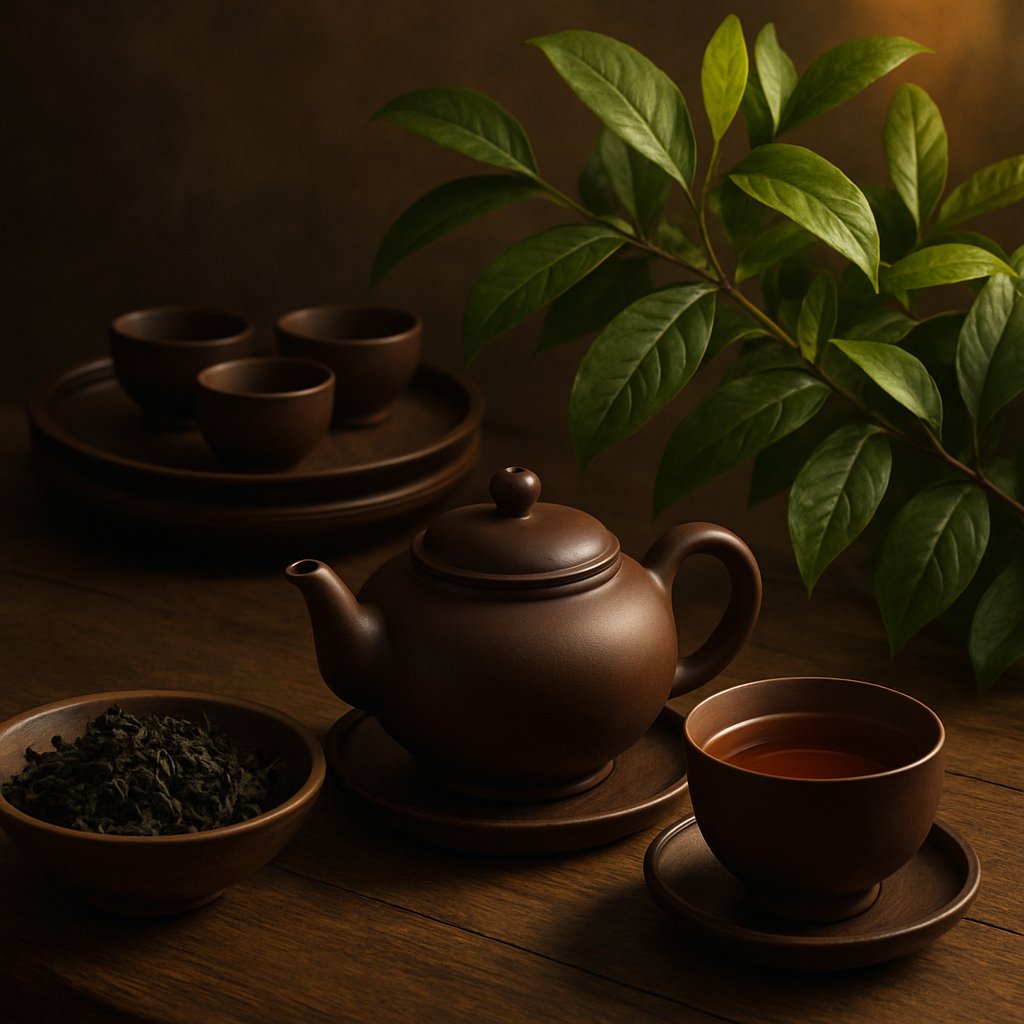
Mastering Chinese tea is more than brewing leaves—it's an art that balances precision, patience, and cultural depth. Whether you're chasing the floral notes of Tieguanyin or the earthy embrace of pu-erh, understanding the six major tea types, the nuances of gongfu brewing, and the etiquette of tea culture will transform every cup into a mindful, sensory ritual. This guide takes you from the basics of leaf selection to the artistry of the tea ceremony, with practical tables, tips, and cultural context drawn from centuries of tradition and the latest research (source).
Key Takeaways:
- Understand the six main categories of Chinese tea (绿茶 lǜchá, 白茶 báichá, 黄茶 huángchá, 乌龙茶 wūlóngchá, 红茶 hóngchá, 黑茶 hēichá/普洱茶 pǔ’ěrchá) and their flavor profiles.
- Learn the core steps and philosophy behind the gongfu (工夫 gōngfu) tea ceremony, including proper sequence and etiquette.
- Get quick-reference tables for optimal brewing temperatures and steeping times for each tea type.
- Explore the importance of teaware, water quality, and cultural etiquette in authentic Chinese tea preparation.
- Consider practical limitations and real-world trade-offs for home or international enthusiasts.
The Six Main Types of Chinese Tea
China’s tea culture is rooted in six primary tea families, each defined by its unique oxidation, processing, and regional traditions (source).
1. Green Tea (绿茶 lǜchá)
Green tea is unoxidized, capturing the freshness of young leaves. The most famous include Longjing 龙井 (Dragon Well) from Hangzhou—flat, chestnut-scented leaves—and Biluochun 碧螺春, with its delicate spirals and floral aroma. Green teas are often pan-fired or steamed to halt oxidation, resulting in bright, grassy, or vegetal flavors. Jiangnan and Zhejiang regions are especially renowned for their subtle, poetic brews.
2. Black Tea (红茶 hóngchá, “red tea” in Chinese)
Known as “red tea” for its amber liquor, black tea is fully oxidized and offers malty, sweet, or fruity notes. Keemun 祁门红茶 (Qímén hóngchá) from Anhui is prized for its floral-honey aroma. Dianhong 滇红 from Yunnan is robust, with honeyed undertones. Black tea in China is often enjoyed straight, though some regions take it with milk.
3. Oolong Tea (乌龙茶 wūlóngchá)
Oolong is partially oxidized, sitting between green and black tea in both flavor and process. Wuyi Rock Tea 武夷岩茶 from Fujian delivers a mineral “rock rhyme” (岩韵 yányùn), while Tieguanyin 铁观音 is legendary for its orchid fragrance and creamy mouthfeel. Oolongs are favored for gongfu brewing and their ability to reveal new notes with each infusion.
4. White Tea (白茶 báichá)
White tea undergoes minimal processing—just withering and gentle drying. Silver Needle (银针 yínzhēn) uses only young buds covered in silvery down, prized for its subtle aroma and clean, sweet taste. White Peony (白牡丹 bái mǔdān) includes one or two leaves and is more mellow and floral. Most white tea comes from Fujian.
5. Yellow Tea (黄茶 huángchá)
Yellow tea is rare and gently fermented. The leaves are lightly oxidized, then wrapped to “smother” and mellow their flavors. Junshan Yinzhen 君山银针 from Hunan is the most famous, known for its elegant, sweet, and slightly grassy profile. Yellow teas are subtle and highly prized by connoisseurs.
6. Dark Tea (黑茶 hēichá), including Pu-erh Tea (普洱茶 pǔ’ěrchá)
Dark teas are post-fermented, with flavors deepening as they age. Pu-erh from Yunnan is the best-known, available in sheng (raw) or shou (ripe) forms. Raw pu-erh is bold and complex, while ripe pu-erh is earthy and smooth. Other dark teas, like Anhua 黑茶 and Liubao 六堡茶, are favored in southern China for their rich, sometimes smoky notes.
| Tea Type | Chinese Name | Region(s) | Classic Flavor Notes | Iconic Varieties |
|---|---|---|---|---|
| Green | 绿茶 lǜchá | Jiangnan, Zhejiang, Anhui | Grassy, chestnut, bean, spring greens | Longjing, Biluochun, Huangshan Maofeng |
| Black | 红茶 hóngchá | Yunnan, Anhui, Fujian | Malt, caramel, floral, honey | Keemun, Dianhong, Zhengshan Xiaozhong |
| Oolong | 乌龙茶 wūlóngchá | Fujian, Guangdong, Taiwan | Orchid, rock, cream, roasted nut | Tieguanyin, Da Hong Pao, Phoenix Dan Cong |
| White | 白茶 báichá | Fujian | Hay, honey, melon, floral | Silver Needle, White Peony |
| Yellow | 黄茶 huángchá | Hunan, Anhui | Mellow, sweet, light grass | Junshan Yinzhen, Huoshan Huangya |
| Dark (including Pu-erh) | 黑茶 hēichá / 普洱茶 pǔ’ěrchá | Yunnan, Hunan, Guangxi | Earthy, woody, mushroom, camphor | Pu-erh, Anhua Dark Tea, Liubao |
To see how tea is woven into Chinese festivals, explore mooncakes and festival pastries and their classic tea pairings.
Gongfu Tea Ceremony: Steps and Philosophy
The gongfu tea ceremony (工夫茶 gōngfu chá) is the heart of Chinese tea artistry. It means “making tea with skill,” focusing on extracting the full character of the leaves through multiple, short infusions in small vessels. Rooted in the Chaoshan region of Guangdong and the literati traditions of the Song and Ming dynasties, it embodies harmony, respect, and mindfulness (source).
Core Steps of Gongfu Cha
- Prepare Mind and Space (静心 jìng xīn): Create a quiet, tidy, and peaceful environment to focus attention on the tea.
- Warm Tools (温器 wēn qì): Rinse the gaiwan (盖碗), teapot, and cups with hot water to disinfect and preheat, ensuring the tea steeps evenly.
- Present the Tea (赏茶 shǎng chá): Admire the dry leaves for color, shape, and aroma.
- Awaken the Tea (醒茶 xǐng chá): Rinse the leaves with hot water and pour out the first infusion—this “wakes up” the leaves and removes dust.
- First True Infusion (第一泡 dì yī pào): Add water at the correct temperature, steep briefly, then pour into a fairness pitcher (公道杯 gōng dào bēi) for even flavor.
- Appreciate Aroma and Taste (品茗 pǐn míng): Pour tea into small cups, inhale the fragrance, sip slowly, and savor the evolving notes.
- Subsequent Infusions (续泡 xù pào): Repeat short steeps; high-quality leaves yield new flavors over many rounds.
Throughout the ceremony, pour tea with a gentle, circular motion (“Guan Gong patrols city” 关公巡城) and serve guests or elders first, using both hands as a sign of respect. After receiving tea, tap two fingers on the table to quietly say thank you—a tradition rooted in imperial China (source).
Philosophy and Mindfulness
Gongfu tea is deeply influenced by Daoist, Confucian, and Buddhist thought. Each gesture—heating water, measuring leaves, timing steepings—becomes a moving meditation. The ceremony is about more than flavor: it cultivates harmony among people, and between people and nature (source).
For a look at tea’s role in broader banquets and gatherings, see dim sum etiquette and hot pot traditions.
Brewing Temperatures and Times
Matching the right water temperature and steep time to your tea is crucial. Overheating green or white tea scorches the leaves, while under-brewing pu-erh yields a flat cup. Use the table below as a quick reference for optimal results (source):
| Tea Type | Temperature Range | Steep Time (Initial) | Infusions |
|---|---|---|---|
| Green Tea 绿茶 | 75–80°C (167–176°F) | 1–3 min | 2–4 |
| White Tea 白茶 | 75–80°C (167–176°F) | 2–4 min | 3–5 |
| Light Oolong 乌龙茶 (light) | 85–90°C (185–194°F) | 30–60 sec | 5–8 |
| Dark Oolong 乌龙茶 (dark) | 95–100°C (203–212°F) | 20–40 sec | 5–10 |
| Black Tea 红茶 | 90–100°C (194–212°F) | 2–3 min | 4–5 |
| Pu-erh (Ripe) 熟普洱 | 100°C (212°F) | 10–20 sec (gongfu), 2–4 min (western) | 8–12 |
| Pu-erh (Raw) 生普洱 | 91–96°C (195–205°F) | 10–20 sec (gongfu), 2–3 min (western) | 8–12 |
| Yellow Tea 黄茶 | 80–85°C (176–185°F) | 2–3 min | 3–5 |
Pro tip: Use a thermometer or an electric kettle with temperature control for precision. For more brewing techniques, consult this guide.
Teaware, Water Quality, and Tea Culture Etiquette
From the feel of unglazed clay to the clarity of glass, the choice of vessel shapes both flavor and experience. The right water and etiquette are equally important for honoring the full depth of Chinese tea culture (source).
Essential Teaware
- Gaiwan (盖碗): A lidded bowl (usually porcelain) used for brewing and drinking; versatile for nearly all tea types.
- Yixing Teapot (宜兴紫砂壶 yíxīng zǐshā hú): Made from porous clay, it absorbs tea oils and is highly valued for oolong and pu-erh. A seasoned pot releases fragrance even empty.
- Fairness Pitcher (公道杯 gōng dào bēi): Ensures each guest receives tea of equal strength.
- Tea Cups (茶杯 chá bēi): Small, handleless cups enhance aroma and encourage mindful tasting.
- Tea Tray (茶盘 chá pán): Catches spills and holds tools, essential for gongfu brewing.
- Specialty Tools: Tea tongs, strainer, tea needle (for compressed tea), and tea pets (for good luck).
Water Quality
- Use fresh, soft water—ideally spring or filtered. Hard or chlorinated water mutes delicate flavors.
- Bring water to the correct temperature for each tea type (see brewing table).
- If possible, avoid reboiling water, as it loses oxygen and “flattens” flavor.
Tea Culture Etiquette
- Serve guests and elders first, always using both hands.
- Fill each cup only 70%—“full tea is rude, full wine is respect.”
- Never criticize the tea; if you must, say “this tea is interesting.”
- Tap two fingers after receiving tea to thank the host.
- Don’t stir or press leaves; let them settle and unfurl naturally.
- In business and family settings, offering tea is the first gesture of welcome and respect.
Want to see how these customs connect to other traditions? Read about Chinese New Year food symbolism and the role of tea in reunion dinners.
Considerations and Trade-offs in Chinese Tea Practice
While Chinese tea offers a pathway to deeper cultural and sensory appreciation, a few practical considerations can affect your journey:
- Quality and Authenticity: Tea quality varies greatly—freshness, origin, and storage all impact flavor. Counterfeit or stale teas are common outside China, so sourcing from reputable vendors is essential (source).
- Water and Equipment: Soft, clean water is not always available in every region. Likewise, Yixing teapots and authentic gaiwans may be costly or hard to find abroad. In such cases, a glass teapot and filtered water are practical substitutes.
- Time and Learning Curve: Gongfu ceremony requires patience and practice to master. Rushing steps or using improper temperatures can produce bitter or bland tea. Beginners may wish to start with simpler brewing methods and gradually build up skill.
- Cultural Context: Not all traditions translate seamlessly across cultures. For example, in Western tea culture, adding milk or sugar is the norm for black tea, while in China, purity and multiple infusions are prized (source).
| Aspect | Chinese Tea Ceremony | Western Tea Traditions |
|---|---|---|
| Primary Focus | Tea appreciation, harmony, mindfulness | Social comfort, refreshment, formality |
| Teaware | Yixing clay, porcelain, glass; small cups | Large pots, mugs, often with milk/sugar |
| Ceremony | Multiple infusions, precise pouring | One long steep, less ritualized |
| Serving Etiquette | Serve elders/guests first, both hands | Host pours for all, less focus on order |
Alternatives such as Japanese tea (抹茶 matcha, sencha) and Korean darye offer their own unique approaches, focusing on powdered tea or different ceremonial values (source).
Conclusion
Chinese tea is a living art—one cup, one moment, connecting history, landscape, and human spirit. By learning the six tea families, practicing mindful brewing, and honoring etiquette, you can bring the heart of Chinese tea culture into your daily life. To deepen your understanding, explore tea’s role in festivals or discover how tea accompanies dumplings and dim sum. The journey of tea is lifelong—taste, learn, and share each cup with care.
Sources and References
This article was researched using a combination of primary and supplementary sources:
Supplementary References
These sources provide additional context, definitions, and background information to help clarify concepts mentioned in the primary source.
- Chinese Tea Culture: Origins, Types & Traditions 2026
- Chinese Tea Ceremony Guide 2026: Master Gongfu Cha Brewing | Traditional Tea Ritual – Tealibere
- Chinese Tea Ceremony: History, Art & Culture, Characteristic
- Chinese Tea Culture: Varieties, Ceremonies, and Brewing Mastery - Amazing Food & Drink
- The Art of Chinese Tea Ceremony: Traditions, Rituals, and Modern Inter – The Chinese Teapot shop
- DeviantArt - Discover The Largest Online Art Gallery and Community
- Learn Tea Culture – Tagged "authentic tea ceremony" – Tealibere
- Learn Tea Culture – Tagged "ceremonial tea brewing" – Tealibere
- Learn Tea Culture – Tagged "chinese tea ceremony" – Tealibere
Critical Analysis
Sources providing balanced perspectives, limitations, and alternative viewpoints.

