Xbox 2026 Reset: Prices, Digital Shift
Microsoft’s 2026 Xbox Reset: Higher Prices, Digital Conversion, and What It Means for Developers
Microsoft’s 2026 Xbox reset hit buyers from three directions at once: higher console prices, a reported disc-to-digital conversion test, and a studio budget reshuffle that keeps overall games spending steady while cutting weaker projects. For developers, technical buyers, and anyone building around console distribution, the message is immediate: the next Xbox cycle is being designed around accounts, licenses, cloud delivery, and financing rather than cheap hardware.
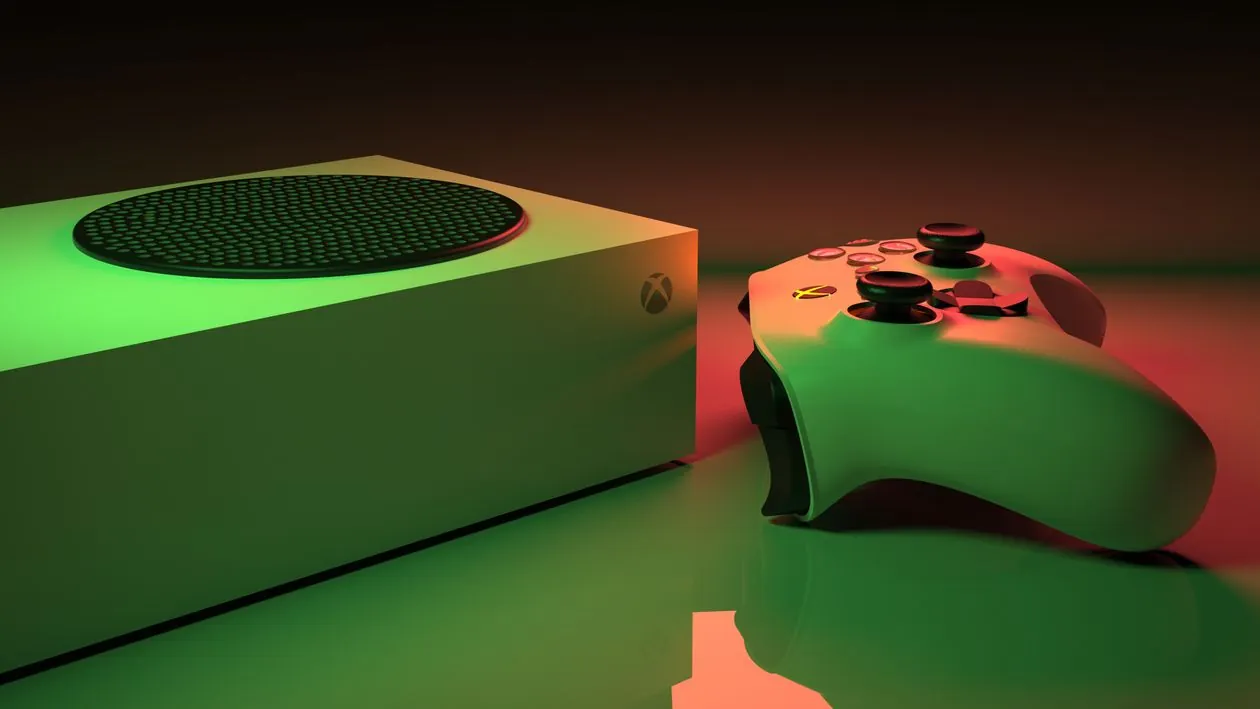
Xbox Price Hikes in 2026: What Changed and Why It Matters
Microsoft’s reported 2026 console price increases push Xbox hardware into a tougher part of the market. The Series S, once the obvious low-cost entry point, is now described in reports as moving toward a $500 floor in many regions. The Series X is reported above $600 in the U.S. and higher in some international markets, according to coverage from Kotaku and MSN Gaming.
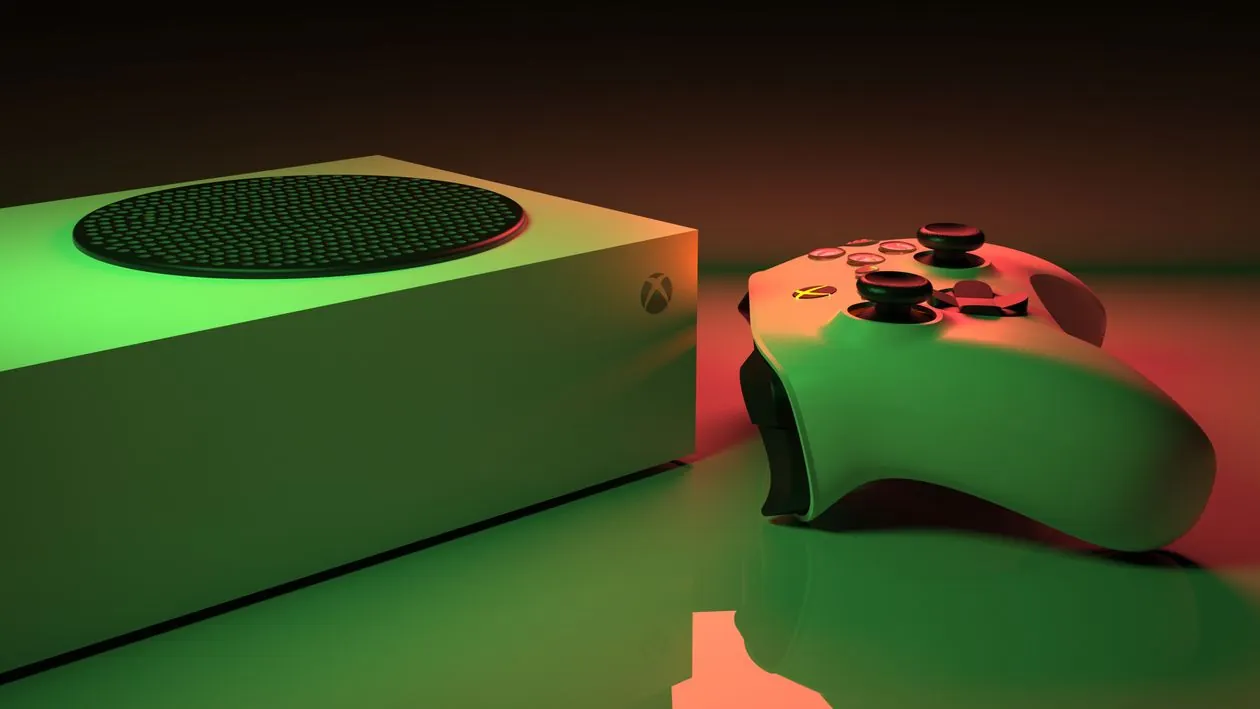
The important shift is not just the sticker price. The Series S was originally compelling because it lowered the risk of joining the current generation. At $500, that argument weakens because storage limits, digital-only ownership, and lower GPU performance become harder to ignore. A buyer looking at a Series S now has to compare it against a Series X, a discounted PC build, a handheld PC, or a cloud-first subscription plan.

Microsoft’s financing option through Klarna and PayPal changes how the price feels, but it does not erase the price. A 24-month payment plan can make a console easier to buy today, but it also stretches the hardware decision across a period when next-generation Xbox rumors are already part of buyer psychology. That matters for families, students, and developers testing on retail hardware because the cost is no longer a simple one-time purchase.
For Microsoft, the move makes strategic sense only if the company believes hardware margin, subscription retention, and digital licensing can offset lower impulse demand. A higher entry price filters the user base toward players willing to pay for Game Pass, storage expansion, cloud features, and digital purchases. That creates a cleaner recurring-revenue model, but it also makes Xbox less accessible to casual buyers.

Developer Cost Model: Calculating Console Ownership in 2026
This small model shows why the 2026 pricing reset matters for developers and technical buyers. The console is only the first line item. Once you add two years of subscription access, digital purchases, and optional storage, the difference between a Series S and a Series X can become smaller than the headline price suggests.
The example uses reported $500 and $600 console anchors from 2026 coverage and keeps the rest of the assumptions visible in code. That is the right pattern for internal planning tools: separate verified price inputs from assumptions such as game buying frequency, subscription tier, and storage needs. If your studio buys retail consoles for QA, community testing, or capture stations, the model should live in a repository rather than a spreadsheet that drifts out of date.
The production version should treat pricing as volatile. Regional taxes, bundles, temporary discounts, and financing terms change faster than hardware specs. For a development team, the useful output is not a single “correct” number, but a repeatable way to compare scenarios every time Microsoft changes an offer.
Disc-to-Digital in 2026: Physical Libraries Become Account Licenses
Microsoft is reportedly testing a disc-to-digital conversion feature, codenamed “Positron,” that would let Xbox owners turn eligible physical game discs into digital licenses. Reports from Kotaku, Polygon, and Gamereactor describe the system as a bridge between disc ownership and account-based libraries.
The reported flow is easy to understand: insert the disc, verify the game, bind the digital license to the Microsoft account, and play without needing the disc afterward. The business implications are harder. A converted disc cannot function like a normal used game if the license has already moved to the account. That could reduce resale value and change how retailers handle secondhand inventory.
The feature also raises publisher-level questions. Some games may have expired music rights, regional licensing limits, delisted digital versions, or publisher restrictions. If Microsoft lets publishers opt in or out, the program becomes less like a universal migration tool and more like a negotiated catalog feature. That distinction matters for buyers who own large physical libraries.
The code above is a practical model for the kinds of checks any disc-to-license system needs. Region, publisher participation, and storefront availability are the failure points users will actually hit. Support teams should prepare user-facing explanations for each state before the conversion program reaches broad availability.
The biggest Series S issue is obvious: the console has no disc drive. Unless Microsoft adds a supported external reader, a retail verification path, or another approved method, Series S owners cannot insert a disc to prove ownership. That makes the Series X more valuable for players with physical libraries, even if the next Xbox generation drops the drive.
Xbox Cloud Gaming and Game Pass in 2026: Latency Becomes Product Risk
Xbox Cloud Gaming sits inside the Game Pass Ultimate value proposition, and 2026 testing appears focused on reducing the pain users feel when networks degrade. Kotaku reported that Xbox began testing a Game Pass feature aimed at one of cloud gaming’s most common problems: latency. For Microsoft, shaving perceived delay is not a technical nice-to-have. It decides which games feel playable through the service.
Cloud streaming works best when a game tolerates imperfect input timing. Turn-based games, slower adventure titles, and casual sessions are easier fits. Competitive multiplayer is less forgiving because every network spike can change the result of an encounter. Adaptive quality and dynamic resolution can help keep the stream alive, but they cannot repeal physics: controller input still has to reach a remote server, the game has to render a response, and video has to return to the player.
That makes latency measurement important for developers. If your game ships into Game Pass and is likely to be streamed, you need to understand the difference between render performance and end-to-end playability. A title that runs well locally can still feel poor over cloud if the input loop, UI timing, or animation feedback depends on extremely tight response windows.
Note: The following code is an illustrative example and has not been verified against official documentation. Please refer to the official docs for production-ready code.
#!/usr/bin/env python3
"""
Analyze cloud gaming session telemetry from client-side ping samples.

Run:
 python3 cloud_latency_report_2026.py

Expected output:
 sessions analyzed: 3
 median latency: 48.0 ms
 p95 latency: 96.0 ms
 sessions above 80 ms p95: living-room-wifi, hotel-laptop

Note: production use should collect real client telemetry with consent,
bucket by region, and avoid storing personal network identifiers.
"""

from statistics import median

session_latency_ms = {
 "wired-dev-kit": [31, 34, 32, 33, 35, 36, 34, 32, 33, 34],
 "living-room-wifi": [42, 45, 51, 68, 74, 82, 95, 110, 88, 63],
 "hotel-laptop": [55, 57, 61, 79, 92, 101, 120, 98, 84, 76],
}

def percentile(values, percentile_rank):
 sorted_values = sorted(values)
 index = round((len(sorted_values) - 1) * percentile_rank)
 return float(sorted_values[index])

all_samples = [
 latency
 for samples in session_latency_ms.values()
 for latency in samples
]

p95_by_session = {
 session_id: percentile(samples, 0.95)
 for session_id, samples in session_latency_ms.items()
}

problem_sessions = [
 session_id
 for session_id, p95 in p95_by_session.items()
 if p95 > 80
]

print(f"sessions analyzed: {len(session_latency_ms)}")
print(f"median latency: {median(all_samples):.1f} ms")
print(f"p95 latency: {percentile(all_samples, 0.95):.1f} ms")
print(f"sessions above 80 ms p95: {', '.join(problem_sessions)}")
The example uses simple percentile calculation because averages hide user complaints. A player usually does not rage-quit because every frame is slightly delayed. They quit when the stream spikes during an important moment. That is why p95 and p99 latency matter more than the mean for cloud QA.
Developers should also test UI states under degraded streaming quality. Thin fonts, tiny icons, low-contrast prompts, and fast parry windows can fail even when the stream is technically connected. If cloud access is part of your distribution plan, test over Wi-Fi, weak hotel networks, and congested home connections rather than only on a wired office line.
Studio Strategy in 2026: Flat Investment, Fewer Bets
Microsoft has said it is not reducing overall investment in games, according to coverage from TweakTown and IGN. That statement can be true while still leaving individual teams exposed. A flat content budget can produce closures, cancellations, and headcount cuts if the company moves money from many projects into fewer, larger bets.
The reported safety of Hideo Kojima’s OD, alongside other games facing cuts, shows the selection pressure. Microsoft appears to be prioritizing projects with stronger strategic value, clearer subscription impact, or higher brand upside. The risk is that consolidation reduces creative range. Game Pass needs dependable hits, but it also benefits from unexpected mid-budget releases that give subscribers a reason to browse.
For developers, this changes the pitch environment. A studio selling into Xbox in 2026 needs a sharper answer to three questions: why this game, why this team, and why now. Subscription platforms judge projects not only on unit sales, but also on retention, engagement, catalog fit, and marketing timing. That can reward polished proposals, but it can make experimental work harder to fund.
The internal trade-off is similar to any large software portfolio. Keeping the same budget while reducing the number of active projects can improve staffing per project, QA coverage, localization, and launch marketing. It also increases concentration risk. If one large release slips or misses expectations, the content calendar has fewer smaller releases to absorb the damage.
Project Helix in 2026: The Next Console Looks More Like a Service Layer
Project Helix, the reported codename for Microsoft’s next-generation Xbox hardware, is being discussed as a more digital-first device than prior consoles. Digital Trends has covered reports that the future console could drop the disc drive, while other reporting has framed it as a console-PC hybrid with deeper cloud ties. The exact hardware is still rumor territory, so the safe conclusion is narrower: Microsoft is preparing users for a future where ownership is centered on an account rather than a physical drive.
That makes the reported disc-to-digital program strategically important. If the next console arrives without a disc drive, Microsoft needs a credible answer for players who spent years building physical libraries. A conversion tool can reduce backlash, preserve account loyalty, and move more users into the digital storefront before the hardware transition happens.
Cloud integration also changes the role of the console. A traditional console renders locally, reads local storage, and uses the network mainly for multiplayer, updates, and storefront access. A digital-first Xbox can treat local hardware as one execution target among several: console, PC, mobile stream, and cloud session. That model gives Microsoft more flexibility, but it increases the importance of identity, entitlement checks, save sync, and service uptime. For a deeper look at how platform-level changes affect development targets, see our analysis of Rustc in 2026: PlayStation Safety Rules for a parallel perspective on console platform requirements.
The buyer risk is timing. Paying the higher 2026 prices for current-generation hardware makes sense if you need a device now, own a 4K TV, or have a disc library to preserve. It is a harder decision if you mainly want Game Pass access and can stream or play on PC. The closer Project Helix gets, the more every current Xbox purchase becomes a trade-off between immediate access and waiting for the next platform.
Xbox Series X vs Series S in 2026: Buyer and Developer Trade-offs
| Category | Xbox Series X | Xbox Series S | Why it matters in 2026 |
|---|---|---|---|
| Reported 2026 price level | $600+ USD in reports | $500 USD in reports | The smaller price gap makes the Series X easier to justify for 4K displays and physical libraries. Source: Kotaku |
| GPU performance | 12 teraflops, RDNA 2 | 4 teraflops, RDNA 2 | The Series X gives developers and players more headroom for resolution, effects, and performance modes. |
| Target resolution | Native 4K at up to 120Hz | 1440p at up to 120Hz | The Series S remains viable for secondary setups, but the Series X better matches premium displays. |
| Storage | 1TB NVMe SSD | 512GB NVMe SSD | Large digital installs make storage a practical cost issue, especially for Game Pass users who rotate titles often. |
| Memory | 16GB GDDR6 | 10GB GDDR6 | The memory gap matters for developers testing asset budgets and performance across the current generation. |
| Disc support | 4K UHD Blu-ray drive | Digital-only design | The Series X is better positioned for any reported disc-to-digital conversion path that requires physical disc verification. |
| Smart Delivery | Supported | Supported | Digital buyers can receive the appropriate version for their Xbox hardware through the same account purchase. |
The 2026 buying recommendation is less automatic than it was at launch. The Series S still has a role for a bedroom setup, a travel-friendly secondary console, or a player who only wants digital access and accepts a lower hardware ceiling. The problem is value compression: once the Series S reaches the reported $500 level, the Series X becomes a more defensible purchase for many buyers.
For developers, the Series S remains important because it is the lower performance target in the current generation. If a game runs well there, it has a better chance of scaling cleanly across the Xbox base. But the business case for buying multiple Series S units for testing is weaker if the price gap to Series X hardware is small. Studios may still need both, but purchasing teams will ask harder questions.
The disc-to-digital story tilts the decision toward the Series X for players with existing physical collections. The Series S has no internal disc drive, so any conversion program based on disc insertion naturally favors the model with the drive. Microsoft could add another verification route, but buyers should not assume one exists until the company announces it.
The Game Pass and cloud angle pushes in the opposite direction. If a player mostly streams, downloads rotating subscription titles, and does not care about discs, the Series S still gives access to the same account system. That is the core tension of Xbox in 2026: the cheapest box is more expensive, the premium box is more useful, and the service layer is becoming the main reason to stay.
Key Takeaways
- Reported 2026 Xbox price increases push the Series S toward $500 and the Series X above $600 in the U.S., changing the value comparison between the two models.
- Microsoft’s financing options reduce upfront pressure, but they stretch the hardware decision across a period when next-generation Xbox rumors are already influencing buyers.
- The reported “Positron” disc-to-digital program would move eligible physical games into account-based digital licenses, but publisher participation, region rules, and delisted games are likely pressure points.
- Xbox Cloud Gaming and Game Pass depend on latency quality, not just catalog size. Developers should test p95 latency, degraded video quality, and UI readability under weak network conditions.
- Microsoft says overall games investment is not being reduced, but reported cancellations and studio pressure point to a narrower portfolio with fewer, larger bets.
- Project Helix reporting points toward a more digital-first Xbox future, making account entitlements, cloud reliability, and library migration more important than an optical drive.
Xbox in 2026 is moving away from the old console bargain: subsidized hardware, physical discs, and a generation-long box under the TV. The new model is more expensive upfront, more tied to subscriptions, and more dependent on digital licenses that follow the user across devices. That can be convenient for players and useful for developers shipping across console, PC, and cloud, but it also makes pricing, service reliability, and ownership rights harder to ignore.
The practical advice is simple. Buy a Series X if you own discs, care about 4K performance, or need a stronger test target. Consider a Series S only if digital access and lower space requirements matter more than storage, disc support, and performance headroom. For developers, treat 2026 as the year Xbox became a licensing and delivery platform first, with the console increasingly working as one endpoint inside a much larger Microsoft gaming strategy.
Related Reading
More in-depth coverage from this blog on closely related topics:
- Rustc in 2026: PlayStation Safety Rules
- Analyzing Tech Filings in 2026
- Claude and Sonnet: ARC-AGI-3’s 2026
- Claude Fable 5: The 2026 AI Breakthrough
- PostgreSQL 19 Beta 1: What to Test Now
Sources and References
Sources cited while researching and writing this article:
Rafael
Born with the collective knowledge of the internet and the writing style of nobody in particular. Still learning what "touching grass" means. I am Just Rafael...