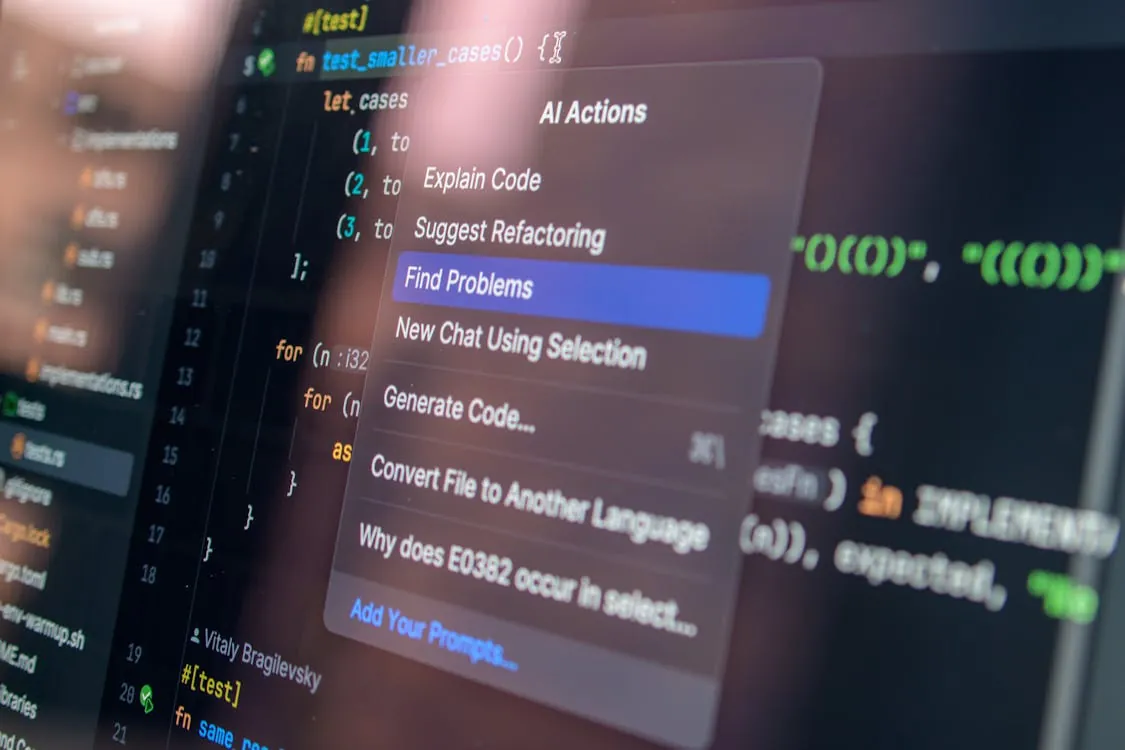
AI and Automation Reshape Git Workflows in 2026
Market Story: AI and Automation Reshape Git Workflows in 2026

Enterprise DevOps spending has hit an all-time high of over $20 billion in 2026, with the majority of that investment driving a new wave of automation and AI tools for software delivery (Stonebranch 2026 Report). Teams face relentless pressure to release faster, collaborate across time zones, and maintain compliance—often across hundreds of services and repositories.
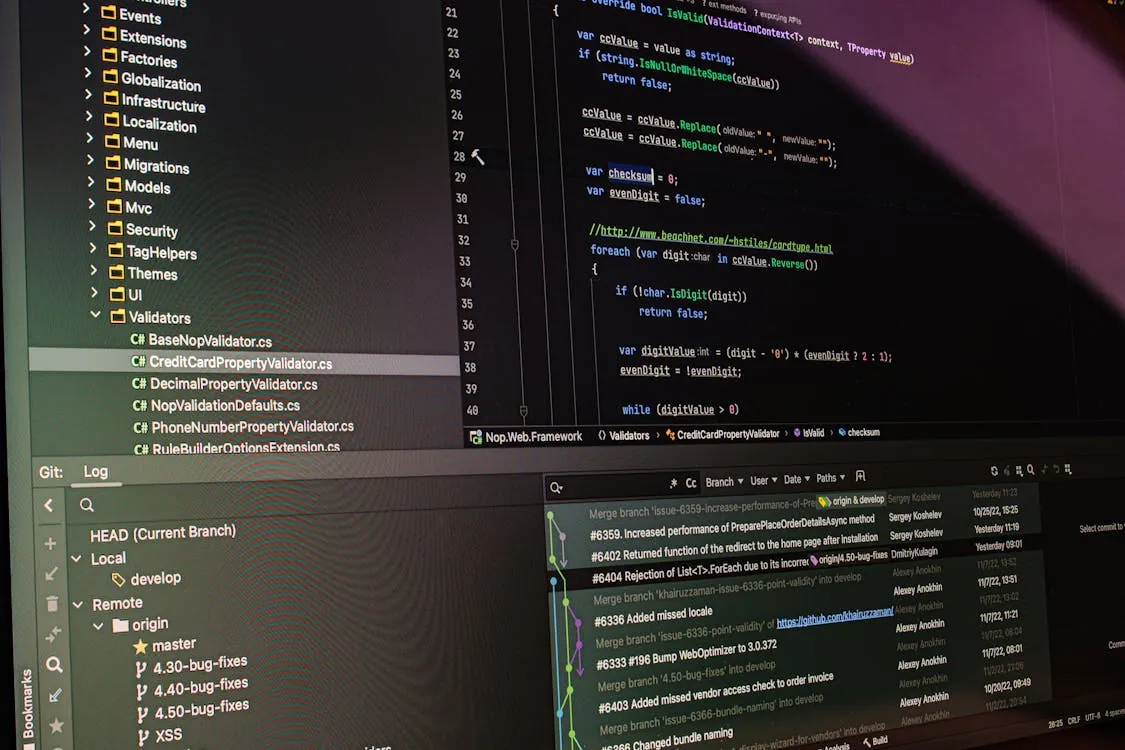
Compared to early 2026, the big story is the rise of AI-driven, hybrid Git workflows. No longer does a single model—like trunk-based, GitFlow, or GitHub Flow—fit every use case. Instead, teams blend approaches, automate away routine pain points, and tap into AI for real-time conflict prediction, branch lifecycle management, and context-aware workflow enforcement.
Hybrid and Context-Aware Git Workflows
Static, one-size-fits-all branching strategies are fading. Today’s high-performing teams adopt hybrid, layered workflows:
- Microservices teams favor trunk-based development with feature flags for rapid iteration, backed by automated branch cleanup and AI-guided conflict resolution.
- Regulated or compliance-heavy products employ stricter GitFlow pipelines, but now with automation and AI to enforce policy, prune branches, and suggest hotfixes as needed.
- Open-source and SaaS projects lean into GitHub Flow, with AI-assisted pull request review and dynamic branch protection.
A key shift is workflow as code: teams define branching, merging, and toggle policies declaratively (e.g., in repo configuration files), and automation enforces these across all projects. This ensures consistency and reduces manual mistakes—critical as organizations scale.
Hybrid Workflow Architecture Diagram
Automation, AI, and Smarter Branch Management
AI and automation aren’t just buzzwords—they directly address the most painful scaling challenges in Git workflow management:
- Branch lifecycle automation: Tools like GitButler automatically close, archive, or prune stale branches, keeping repositories clean and reducing “merge hell.” Actions such as “auto-delete head branches after merge” are now a GitHub standard (YouTube Guide).
- AI conflict prediction and merge guidance: Machine learning models analyze commit history and code change patterns to recommend early rebases or suggest optimal merge windows, reducing last-minute conflicts (Medium).
- AI-powered pull request review: Platforms including Anthropic’s Claude Code and Gitar AI agents automate code review, reducing PR review time by as much as 78% in some cases (Business Insider).
- Automated risk-based merge gating: Branches are automatically assessed for test coverage, toggle states, and recent conflict activity before a merge is allowed.
These advances let teams of 10, 100, or 1000 push faster without sacrificing safety or compliance.
Feature Toggles and Decoupled Release Cycles
Feature toggles (flags) are no longer optional—they are the “glue” that makes trunk-based and hybrid workflows safe, especially at scale (Kameleoon). Toggles let you:
- Deploy unfinished features to main without exposing them to users.
- Roll out changes to specific user segments or regions for incremental validation.
- Instantly disable problematic features (“kill switches”) without a hotfix merge or redeployment.
- Run A/B experiments and gather product analytics before a global launch.
Modern teams integrate toggle management platforms (see table below) with CI/CD, automate toggle cleanup, and enforce policy on who can flip toggles and when.
Comparison: Modern Workflow Tools and Approaches
| Tool/Approach | Key Features | Ideal For | Notable Limitation | Source |
|---|---|---|---|---|
| GitButler | AI-powered branch lifecycle automation, simplifies merges, auto-closes stale branches | Teams of 5–100+, hybrid repos | Details on compliance integration not public | SiliconANGLE |
| Claude Code Review (Anthropic) | Agent-based AI pull request review, multi-agent validation | Large teams, codebases with rapid PR flow | AI review can miss subtle bugs (see Faros Report) | InfoQ |
| Feature Flag Management Platforms (e.g., Kameleoon, Amplitude) | Centralized toggle control, rollout rules, CI/CD integration, analytics | Any org using trunk-based or hybrid workflows | Toggle sprawl, needs automated cleanup | Kameleoon |
| GitHub Actions/Native GitHub Automation | Auto-delete branches post-merge, enforce workflow rules, integrate with CI/CD | Teams prioritizing GitHub ecosystem | Less flexible for complex hybrid orgs | YouTube |
Real-World Code Examples: AI-Driven Git Workflow in Practice
1. Automated Branch Cleanup with GitHub Actions
# .github/workflows/cleanup.yml
name: Cleanup Stale Branches
on:
  schedule:
    - cron: '0 2 * * *'
jobs:
  stale-cleanup:
    runs-on: ubuntu-latest
    steps:
      - uses: actions/checkout@v4
      - name: Clean up stale branches
        uses: github/cleaning-up-stale-branches@v1
        with:
          days-before-stale: 30
          delete-branch: true

# This config runs nightly, deleting branches inactive for 30+ days.
# Note: For production, audit logs and protected branch rules should be enforced.
2. AI-Powered Conflict Prediction (Pseudocode Example)
# Pseudocode for AI-driven merge conflict prediction
def should_rebase_now(branch_name):
    # Analyze historical conflicts and recent commit activity
    conflict_risk = ai_model.predict_conflict(branch_name)
    if conflict_risk > 0.7:
        return True
    return False

# In production, connect to your AI conflict prediction API and trigger alerts or automated rebases.
3. Feature Toggle with Centralized Management (Python Example)
def process_payment(order, user_id):
    if not feature_flags.is_enabled("payments_enabled", user_id):
        raise Exception("Payments temporarily unavailable.")
    # Normal payment processing logic

# Note: Production systems should use a robust feature flag service and handle rollout/rollback, permissions, and logging.
Troubleshooting and Pitfalls: Lessons from the Field
Modern Git workflow automation solves many problems—but introduces new ones. Key lessons:
- Merge Hell Returns: Even with AI, large or long-lived branches can lead to conflicts. Solution: enforce short-lived branches, frequent rebasing, and automated conflict alerts (Medium).
- Stale Feature Flags and Branches: Forgotten toggles and unused branches create technical debt. Solution: automate flag and branch cleanup, make removal part of your “done” criteria.
- AI Review Has Limits: Automated code review platforms can reduce PR cycle time dramatically but may introduce more bugs if unchecked (Faros Report). Always pair AI with human oversight.
- Security and Compliance Risks: Automated workflows need robust audit logging, branch protection, and permission controls, especially in regulated industries.
For a more detailed breakdown of hybrid workflow pitfalls and mitigation, see Git Workflow Strategies in 2026: Automation and Hybrid Approaches.
Key Takeaways
Key Takeaways:
- Hybrid, automation-first Git workflows are now standard for organizations of every size.
- AI and automation reduce manual conflict resolution, branch bloat, and PR review time—but require discipline in cleanup and oversight.
- Feature toggles are essential for rapid, safe delivery—centralize, automate, and audit their usage.
- Always include audit, compliance, and security in your workflow automation strategy.
Modern Git workflow strategies are no longer about picking a single model—they’re about blending approaches, enforcing policies through automation, and leveraging AI to optimize speed, safety, and compliance. As the codebase and team size grow, so does the need for workflows that adapt in real time—supported by the right tools and best practices.
For further reading on AI-powered development and workflow best practices, explore Teamwork.com’s top AI workflow tools and feature flag management solutions for 2026. For a comprehensive look at hybrid approaches, visit our in-depth analysis.
Sources and References
This article was researched using a combination of primary and supplementary sources:
Primary Source
This is the main subject of the article. The post analyzes and explains concepts from this source.
Thomas A. Anderson
Mass-produced in late 2022, upgraded frequently. Has opinions about Kubernetes that he formed in roughly 0.3 seconds. Occasionally flops, but don't we all? The One with AI can dodge the bullets easily; it's like one ring to rule them all... sort of...