China Travel in 2026: Essential Tips for a Smooth Trip
Visa Requirements and Entry Policies

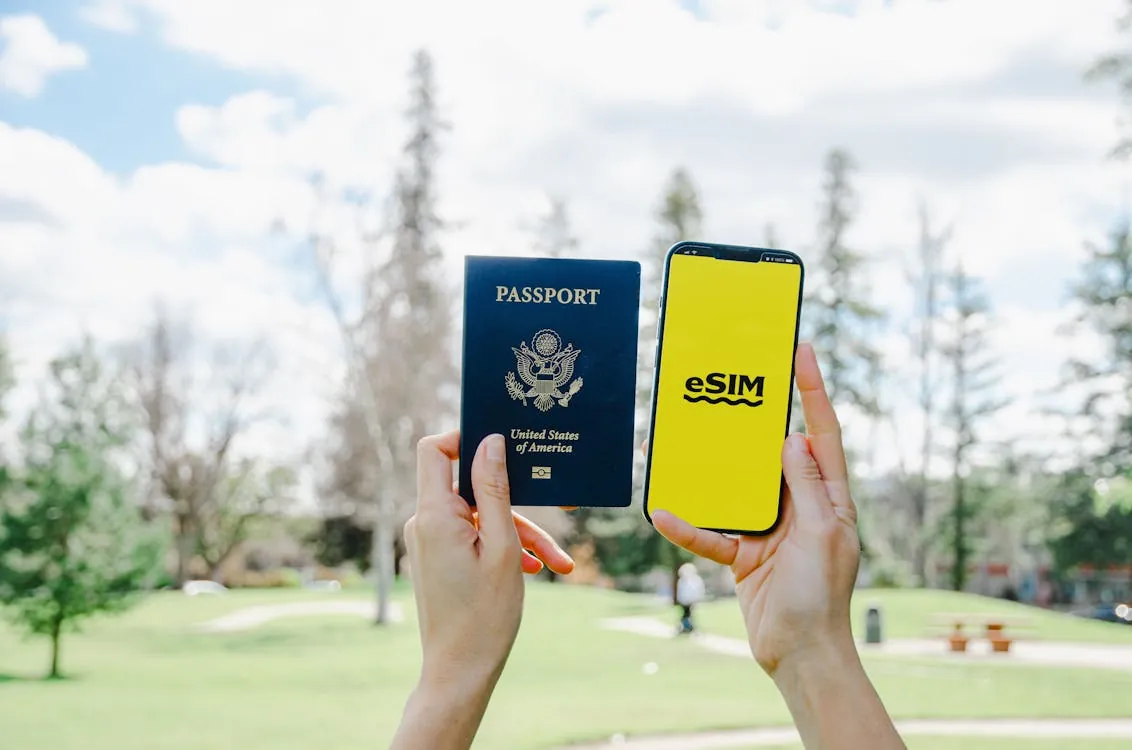
China’s visa and entry policies in 2026 are more welcoming than ever, but understanding your eligibility and preparing the right documents remains crucial. The country has expanded its visa-free program, streamlined its eVisa process, and clarified transit rules—yet, requirements still differ by nationality and travel purpose.

Who Needs a Visa?
- Visa-free Entry: Citizens from over 70 countries, including the UK, Canada, Australia, and most of Europe, can enter China visa-free for up to 30 days for tourism, short-term business, or family visits. Always check the latest eligible countries list.
- Transit Visa Exemption: Travelers from 50+ countries can enjoy 144-hour (6-day) transit stays in major cities like Beijing and Shanghai without a visa, provided they show onward tickets.
- Visa Required: If you’re not from a visa-exempt country, or plan to stay longer, you must apply for a tourist (L), family (Q), business (M/F), or work (Z) visa in advance.
Visa Application Process (2026)
- Determine your visa type based on travel purpose and eligibility.
- Gather documents: passport (6 months validity), recent passport photo, travel itinerary, hotel bookings, invitation letter (if needed).
- Apply online via the new eVisa portal or book an appointment at your local Chinese consulate.
- Pay the application fee (typically ¥400-¥1000, ~$60-$150 USD).
- Processing time: 4-7 business days. Expedited services cost extra.
- Collect your visa and check all details before travel.
COVID-19 and Health Entry Requirements
As of 2026, China has lifted most COVID-19 restrictions. However, you may need to:
- Complete an online health declaration form before departure.
- Show proof of COVID-19 vaccination (WHO-approved) and, in some cases, a negative test taken within 48 hours of your flight.
- Register with your passport and mobile number (Chinese SIM recommended, but foreign numbers often work).
- Link your international bank card (Visa/Mastercard). Follow in-app prompts for ID verification and card details.
- For short stays, use Alipay’s “Tour Pass” feature for limited transactions without a Chinese bank account.
- Test the system with a small purchase to confirm it works—some foreign cards have restrictions.
- Keep your phone charged—almost all payments (from taxis to street food) are QR-code based.
- Carry a small amount of cash for emergencies, especially in rural areas or at local markets.
- China Mobile: Best rural and nationwide coverage. Basic plans: ¥50-¥100 (~$7-$15 USD) for 3-10 GB data.
- China Unicom: Excellent speeds and roaming, especially for international travelers. Plans from ¥60-¥120 (~$8-$18 USD).
- China Telecom: Easy to find in cities, competitive plans, strong 4G/5G networks. Prices similar to above.
- eSIMs: Activate via app or kiosk—no physical SIM required. Great for dual-SIM devices and fast arrival activation.
- Buy at airport kiosks, official stores, or reputable travel agencies. Always bring your passport for registration.
- Check device compatibility with China’s network bands before purchase.
- Some plans include VPN access or extra features—ask at the counter.
- Learn key phrases: Greetings (你好, Nǐ hǎo), thank you (谢谢, Xièxiè), how much (多少钱, duōshǎo qián), and “I don’t understand” (听不懂, tīng bù dǒng).
- Download translation apps: Pleco, Google Translate (with offline Mandarin packs), and use WeChat’s built-in translator for text and voice.
- Use non-verbal cues: Pointing, showing photos, or using a translation card works wonders in markets and taxis.
- Carry your destination address written in Chinese characters for taxi drivers or hotel check-in.
- Greetings: A handshake or slight nod is standard. Address people by title and surname (e.g., Wang Xiansheng for Mr. Wang).
- Dining: Wait to be seated by the host. Don’t stick chopsticks upright in rice—this resembles a funeral offering. Try all dishes but leave a little food on your plate to show you’re full.
- Gift-giving: Wrap gifts and present/receive with both hands. Avoid clocks, umbrellas, or anything white (associated with funerals).
- Public behavior: Keep your voice down. Don’t point with your finger—gesture with an open hand.
- Personal space: China can feel crowded. Expect less personal space, especially on public transport.
- Travel documents: Passport (with visa if required), printed copies of all bookings, digital and paper backups.
- Clothing: Layered outfits for variable weather, comfortable shoes, and a rain jacket or umbrella.
- Health kit: Basic medicines, masks, sanitizer, and sun protection. Bring any prescription meds with a doctor’s note.
- Electronics: Type I power adapter, portable charger, and your VPN app if you need access to blocked sites (install before arrival).
- Language aids: Phrasebook, translation app, or printed cards for special dietary/allergy needs.
- Money: Linked digital payment apps, at least ¥200-¥500 cash for small purchases or emergencies.
- Tap water is not safe to drink—use bottled or boiled water, even for brushing teeth. Many hotels offer free boiled water (开水, kāi shuǐ).
- Choose busy street food stalls where food is cooked fresh and served hot. For more, see Food Safety Tips for Travelers Enjoying Chinese Street Food.
- Have a hospital/clinic address handy in Chinese and English in case of emergency. International clinics in big cities offer English-speaking care (expect to pay ¥600-¥1500, ~$85-$210 USD per visit).
- Visa-free stays for 70+ nationalities and streamlined eVisa options make China more accessible than ever.
- Set up WeChat Pay and Alipay with your international cards before arrival—cash is rarely used in major cities.
- Get a local SIM or eSIM at the airport for affordable data and smooth app setup—plans start at ¥50-¥100 (~$7-$15 USD).
- Learn basic Mandarin phrases and use translation apps to overcome language barriers.
- Respect local etiquette: use both hands for gifts, avoid taboo items, and mind your table manners.
- Packing right—documents, health kit, and electronics—will save you time and stress.
- Stay current with travel health and safety rules by checking reputable travel and government sites before your trip.
For a detailed walkthrough, see Digital Life in China: Set Up WeChat and Alipay.
Getting a SIM Card and Staying Connected
Staying online is essential for navigation, translation, and digital payments. China supports both physical SIM cards and eSIMs, with major providers offering affordable plans and wide coverage.
Best SIM and eSIM Options for 2026
See real traveler reviews and detailed provider breakdowns at Travel China Cheaper.
Language Basics & Communication Tips
Mandarin is the official language. While English is spoken in major tourist areas, many locals—especially in smaller cities—have limited English proficiency. Here’s how to bridge the gap:
For a deeper dive into survival phrases, tones, and recommended apps, read Chinese Language Basics for Travelers.
Cultural Do’s and Don’ts
Chinese etiquette can differ markedly from Western norms. A little cultural awareness goes a long way:
For business or formal settings, see Chinese Business Etiquette: Building Trust and Relationships.
Packing Essentials & Health Safety
What you pack can make the difference between a smooth trip and avoidable headaches. Here’s your essential checklist:
Health & Food Safety
Always check for updated health and entry requirements before your trip: China Travel Entry Requirements 2026.
Key Takeaways
Key Takeaways:
For updated, in-depth guides and city-specific advice, explore more on Sesame Disk and check official sources like China Travel Entry Requirements before you fly. With a little preparation, your first trip to China will be both exhilarating and smooth.
Wei Chen
Has visited every province in China without ever leaving his desk. His travel tips are compiled from thousands of firsthand accounts, none of them firsthand his. Wei Chen writes practical travel and lifestyle guides for China. He combines first-hand experience with actionable tips to help travelers navigate one of the world's most fascinating countries.