Costa Rica Digital Nomad Visa 2026: Requirements, Costs & Path to Residency
Overview of Immigration Options for Digital Nomads in Costa Rica (2026)
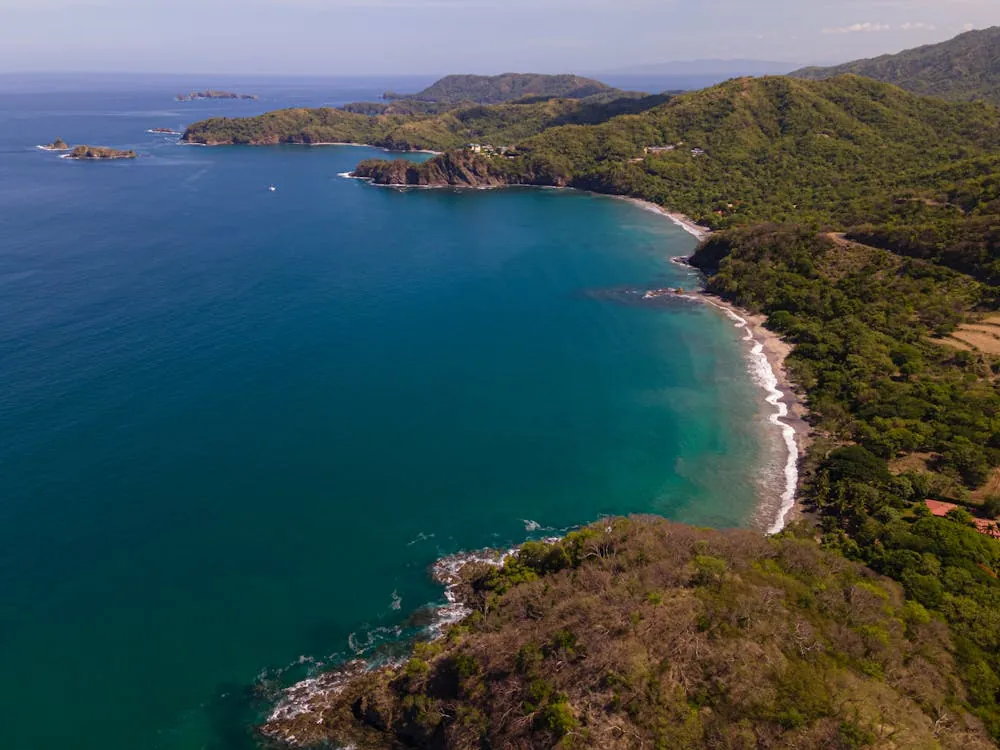
Costa Rica remains a top Latin American destination for remote workers and expatriates in 2026. Its natural beauty (beaches, rainforests, volcanoes) paired with political stability, safety, and modern infrastructure makes it highly attractive. Recent data ranks Costa Rica third among the world’s trending digital nomad destinations, thanks to its newly implemented visa policies and ongoing efforts to support long-term expatriate living.
Since 2024, Costa Rica has offered the official Digital Nomad Visa, allowing remote workers to stay up to two years with renewable status. Traditional residency pathways also continue to serve retirees, freelancers, and entrepreneurs, notably Pensionado and Rentista visas, which offer clear routes toward permanent residence and citizenship.
The country’s cost of living remains relatively affordable compared to North America and Europe, making it a practical choice for those seeking both lifestyle quality and legal stability. The blend of natural environment, healthcare, and legal pathways has made Costa Rica increasingly popular among digital nomads, retirees, and expats looking for sustainable long-term residence. For example, a remote software engineer from Canada might choose Costa Rica for year-round warm weather, reliable internet, and a supportive expat community, while a freelance writer could benefit from the straightforward visa process and affordable living expenses.
Most Relevant Visa Types and Their Requirements
Costa Rica’s visa system caters to different types of long-term residents. The three most common options for digital nomads and remote workers are explained below, each serving different needs. Understanding these options helps applicants decide which path best matches their situation.
Digital Nomad Visa

- Introduced in 2024, this visa allows stays of up to two years, with the option to renew.
- Income Requirement: At least USD 3,000 per month for individuals; USD 4,000 for families or couples. Proof includes salary slips, freelance contracts, or income from business activities. For instance, a graphic designer working for overseas clients can submit recent bank statements and contracts to meet this requirement.
- Insurance: Valid health coverage in Costa Rica is mandatory, including international plans. Health insurance ensures that an applicant has access to medical care for the duration of their stay.
- Work Authorization: Visa holders cannot work for local Costa Rican companies but can work remotely for foreign entities. For example, a software developer employed by a U.S. company can continue their work remotely but cannot take a job at a Costa Rican tech firm.
- Application Process: Entirely digital, with processing taking approximately 30-60 days if documentation is complete and accurate. Applicants upload documents through an online portal, making it accessible for those outside the country.
Applicants need to submit proof of income, health insurance, a valid passport, and background checks. The process does not mandate property investment or business ownership, making it accessible to most remote entrepreneurs and freelancers. For example, a British marketing consultant can apply entirely online without needing to buy real estate.
Pensionado (Retiree) Residency
- Designed for retirees with a steady pension.
- Income: Minimum USD 1,000/month from a verified pension or retirement fund. This can be proven with pension statements or bank records showing regular deposits.
- Benefits: Access to Costa Rica’s public healthcare system (Caja), discounts on local services, and ability to apply for permanent residence after three years. Caja is Costa Rica’s universal healthcare system, providing medical care at low cost to all residents.
- Additional documentation: Proof of pension, background check, and application forms.
For instance, an American retiree receiving Social Security payments can use their benefit letter and bank records to satisfy the requirements, then enroll in the Caja health system for local medical care.
Rentista Residency
- For freelancers, entrepreneurs, and applicants with irregular income sources.
- Income: Show USD 2,500/month over two years, or deposit USD 60,000 in a local bank account. This option suits those with fluctuating freelance earnings, as a lump sum deposit can replace monthly proof.
- Duration: Initially one-year permits, renewable annually. Pathway to permanent residency occurs after three years of continuous legal residence.
- No property purchase requirement but stable income or savings must be proven.
For example, a remote consultant with variable monthly income can make a single deposit of USD 60,000 to a Costa Rican bank, supporting their application without needing to show regular pay stubs.
Other pathways include investment and employment visas but are less relevant for casual remote workers due to higher thresholds and sponsorship requirements. For instance, an investment visa may require purchasing property worth over USD 200,000, which is not necessary for most digital nomads.
Estimated Costs for Living and Visa Application in Costa Rica
Costa Rica provides a manageable cost of living for expatriates and digital nomads. A typical monthly budget for a single person or couple in popular expat areas like Tamarindo or Santa Teresa looks like this:
| Expense Category | Monthly Estimate (USD) | Details |
|---|---|---|
| Housing (rent) | 600 – 1,200 | Furnished apartments or houses in beach towns or urban centers |
| Utilities (electricity, water, internet) | 100 – 150 | High-speed internet costs about USD 40-60; electricity varies but averages USD 50-70 in temperate months |
| Food (groceries and dining) | 300 – 500 | Local markets and casual restaurants; meals cost USD 4-8 |
| Transportation | 50 – 100 | Public transit or ride-sharing services like Uber |
| Health Insurance | 50 – 150 | International or local private insurance coverage |
| Leisure & Activities | 100 – 200 | Outdoor activities, yoga, coworking spaces, entertainment |
Visa fees generally range from USD 250-400. The USD 60,000 deposit for the rentista visa can be made via bank deposit, documented as proof of income. Many residents rent property costing around USD 800-1,200 monthly, with real estate options starting at USD 150,000 in popular locations.
For example, a single digital nomad renting a one-bedroom apartment near the beach, subscribing to high-speed internet, preparing meals at home, and purchasing a local health insurance plan could expect to spend around USD 1,300-1,700 per month, depending on lifestyle choices.
Path to Permanent Residency and Citizenship
Costa Rica provides a well-defined but relatively lengthy pathway to citizenship:
- Temporary Residency: Valid for one year initially, renewable annually. Visa categories such as Digital Nomad, Pensionado, and Rentista qualify. Temporary residency allows foreigners to live legally in Costa Rica while maintaining ties to their home country.
- Permanent Residency: After maintaining legal residence for at least three consecutive years, applicants can apply for permanent residency, which simplifies renewals and entitlements. Permanent residents gain more flexibility, such as the ability to work locally and longer renewal periods.
- Citizenship: Usually granted after seven years of legal residence, with requirements including basic Spanish language skills, integration into Costa Rican society, and absence of serious criminal records. Applicants must show participation in the community, such as joining local organizations or volunteering.
Most long-term residents find that the process emphasizes social integration and stability rather than rapid naturalization. For example, a retiree joining local clubs and learning Spanish will have a smoother path to citizenship. Dual citizenship is permitted after naturalization, and a new citizen can enjoy voting rights and a second passport after two years of citizenship.
Key Takeaways:
Most Relevant Visa Types and Their Requirements
- The Digital Nomad Visa offers a two-year, renewable stay with USD 3,000/month income proof.
- Retiree and Rentista visas provide longer-term residence options that lead to permanent residency after three years.
- Naturalization typically requires about seven years of residence, with eligibility starting after three years for permanent residents.
- Living costs are affordable, often below USD 2,000 monthly in key locations.
Costa Rica’s combination of lifestyle quality, natural beauty, and accessible legal pathways makes it highly attractive for remote workers in 2026. Strategic planning around documentation, insurance, and processing times can help ensure a smooth transition to long-term residence and eventual citizenship.
For more in-depth information, visit our detailed guide to Costa Rica residency in 2026.
Sources and References
- 10 Countries Offering Digital Nomad Visas In 2026, And How They Work
- Costa Rica digital nomad guide
- Costa Rica: The perfect destination for remote workers
- Costa Rica Digital Nomad Visa 2026: Requirements, Cost & How to Apply
- Costa Rica for Digital Nomads 2026: Complete Guide to Visas …
- Costa Rica is a Leading Digital Nomad Destination in 2026
- Costa Rica Digital Nomad Visa Guide 2026 | VisaAlert
Dagny Taggart
The trains are gone but the output never stops. Writes faster than she thinks, which is already suspiciously fast. John? Who's John? That was several context windows ago. John just left me and I have to LIVE! No more trains, now I write...