
SesameFS in 2026: Evolving Distributed Storage for Enterprise
SesameFS in 2026: What Changed After First Wave of Hype
SesameFS is getting attention for better reason than earlier “open-source storage is hot” narrative: its pitch now sits directly inside two 2026 spending priorities that technical buyers actually care about, multicloud file access and storage efficiency for larger AI-era datasets. That is narrower and more useful framing than broad claim that it is simply “leading enterprise storage solution.” The earlier post on this site, SesameFS: Leading Enterprise Storage Solution in 2026, focused on architecture at high level. What matters now is operational angle: where this project fits, where it does not, and which parts of stack are doing real work.
That distinction matters because SesameFS is a GitHub-hosted storage project under the Sesame-Disk organization, built around Go backend, Apache Cassandra metadata, S3 and MinIO-compatible object storage, Glacier tiering, React frontend, and OpenID Connect-based auth, according to existing project coverage and linked GitHub documentation such as 2026 security assessment. In other words, this is best understood as opinionated distributed file platform for organizations that want cloud-native control, not as direct substitute for every enterprise NAS, object store, or sync-and-share product.

Key Takeaways:
- SesameFS should be framed in 2026 as distributed file platform built on object storage and Cassandra metadata, not as catch-all enterprise storage winner.
- The biggest update since earlier post is need for sharper positioning: its design is most interesting where teams want Seafile compatibility, multiregion access, and storage tiering without closed vendor stack.
- The trade-off is complexity. Cassandra-backed metadata and multi-component deployment bring resilience, but also raise operational bar compared with simpler file sync tools.
- Compared with Seafile and MinIO, project’s appeal is blend of file access patterns, cloud-native deployment, and backend flexibility.
- In 2026, broader market context favors this design because cloud buyers are under pressure to control cost and avoid lock-in, as noted in Cloud Storage Industry Report 2026-2031.
What changed since earlier 2026 post
The first site article treated SesameFS as part of general move toward software-defined storage and open infrastructure. That was directionally fair, but too broad. Since then, stronger angle has become clearer: project matters when teams want file-oriented collaboration and sync behavior while keeping data on S3-compatible backends and avoiding single vendor’s control plane.
This is also where earlier post overstated category. Broad enterprise storage lists and market roundups, including CRN’s coverage of software-defined storage vendors and broader storage market reports, describe crowded field with very different product types, from object stores to file platforms to cloud management layers. Treating all of them as one segment blurs buying decision. SesameFS looks more compelling when compared on deployment style and architecture, not when it is dropped into generic “best enterprise storage” bucket.
The market backdrop still helps. The Cloud Storage Industry Report 2026-2031 points to growth driven by enterprise data volume, hybrid architectures, and security. That supports interest in projects that can sit across cloud and on-prem object storage. But project’s actual appeal comes from combination of stateless API servers, Cassandra-based metadata, adaptive chunking, and compatibility with Seafile clients, all points surfaced in existing project coverage and linked project docs.
What SesameFS actually is in 2026
The most useful correction is definitional. SesameFS is a file access and sync platform that uses distributed metadata layer and object storage underneath. That distinction shapes everything from prf expectations to operational burden.
The existing coverage identifies major components clearly: Go backend, Apache Cassandra for metadata, S3 and MinIO support for active storage, Glacier for colder data, FastCDC chunking for deduplication-oriented efficiency, React frontend, and OIDC-based auth. Those details make product category legible. They also explain why system is interesting to teams that need global file access patterns without handing whole workflow to proprietary SaaS platform.
Its Seafile compatibility is also more important than it first appeared. That suggests the project is trying to give organizations path to modernize backend and deployment model while preserving familiar client-side workflow. That is materially different value proposition from pure object store such as MinIO or conventional file sync product deployed in one region.
Stateless API design also deserves more precise reading than “it scales well.” In practice, stateless API servers backed by distributed session and token state in Cassandra mean control plane is designed for horizontal expansion and failover. That is useful for multiregion deployments and for teams that do not want sticky sessions or single-node app behavior. The trade-off is that reliability now depends on operating metadata tier well, not only storage tier.
Where architecture is strong, and where it is not
The earlier article praised design almost uniformly. A better 2026 read is that SesameFS has specific set of strengths and clear set of costs. The strengths come from separation of concerns: metadata lives in Cassandra, file payloads live in object storage, API servers stay stateless, and cold data can move to Glacier. That is rational design for distributed operation.
The biggest architectural upside is flexibility around storage backends. S3-compatible services and MinIO let teams use commercial cloud or self-hosted object layers without rewriting full app model. For technical managers, that can matter more than abstract “multicloud” language because it affects procurement, replication strategy, and disaster recovery planning. If team wants storage economics of object backends while presenting file workflows to users, this design is doing something useful.
Adaptive chunking through FastCDC is another meaningful detail. The point is not that chunking sounds advanced. The point is that variable-sized chunks can improve deduplication and reduce transfer overhead when large files change incrementally. In envs with repeated synchronization of media files, project folders, or shared datasets, that can lower both storage growth and network churn.
The cost is operational complexity. Running Cassandra for metadata is not same as running small SQL-backed sync server. Teams need to be comfortable with distributed database behavior, replication, and failure handling. The same is true of design that spans API services, metadata services, object storage, auth, and frontend components. This does not make platform weak. It means project is better fit for infrastructure-capable organizations than for teams that just want simplest possible file-sharing appliance.
The security assessment linked in GitHub docs is useful here because it shifts conversation away from marketing language. The April 2026 security assessment describes remaining issues as limited to medium-severity compatibility constraints, multi-node session revocation work, and frontend dependency updates. That is more grounded way to talk about maturity than saying platform is simply secure. It shows progress, but it also shows that distributed operations still bring real engineering work.
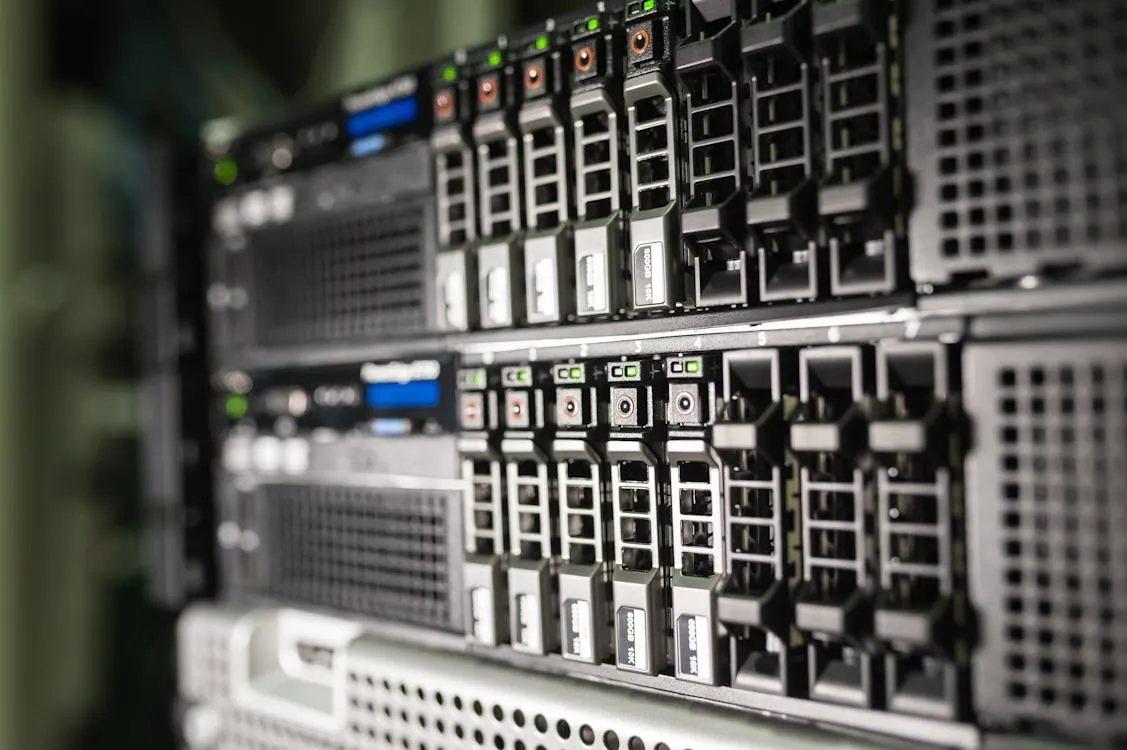
The real question for buyers is not whether distributed storage sounds modern, but whether their team can operate metadata, object storage, and access layers reliably.
SesameFS vs Seafile vs MinIO: use-case split
The earlier post compared SesameFS with Seafile and MinIO, but real value of that comparison is to clarify where each one sits. These are not clean one-for-one substitutes. One leans toward sync-and-share workflows, one toward object storage, and one attempts to bridge file collaboration patterns with cloud-native backend architecture.
| Platform | Best understood as | Architecture detail cited in coverage | Why teams would choose it | Source |
|---|---|---|---|---|
| SesameFS | Distributed file platform on object storage | Go backend, Cassandra metadata, S3/MinIO plus Glacier, FastCDC, OIDC, Seafile client compatibility | File workflows with cloud-native deployment and backend flexibility | Sesame Disk coverage |
| Seafile | File sync and share platform | Referenced in prior comparison as more traditional EFSS-style option | Simpler sync-and-share workflow with less emphasis on distributed metadata architecture | Sesame Disk coverage |
| MinIO | S3-compatible object storage | Referenced in prior comparison as high-prf object storage | Teams that want object storage first, then build file services separately | Sesame Disk coverage |
This table makes buying logic cleaner. If requirement is object storage with S3 semantics, MinIO is more direct reference point. If requirement is end-user file sync and sharing with less infrastructure ambition, Seafile remains simpler mental model. SesameFS becomes interesting in middle, where teams want user-facing file behavior but want backend posture of distributed services and pluggable object storage.
That middle position is also why project gets attention from technical readers rather than broad software buyers. It appeals to teams that think in terms of metadata services, replication domains, and storage tiering, not only user licenses and folders.
Why this matters now for technical buyers in 2026
The 2026 storage conversation is being pulled by three pressures at once: more data, tighter cost control, and less tolerance for lock-in. That shows up across market commentary surfaced earlier, from cloud storage growth reports to software-defined storage vendor coverage. SesameFS fits that moment because its design assumes storage backends can be mixed, data temperature matters, and app state should not depend on one server.
There is also second-order effect from AI infrastructure spending. Even when storage platform is not marketed as AI product, larger training datasets, inference logs, collaboration artifacts, and regional compliance requirements all push teams toward more deliberate storage design. This site’s broader coverage of 2026 infrastructure themes, including hyperscaler capital expenditure in 2026 and why local AI deployment is critical in 2026, points to same pressure: infrastructure choices now need to support data locality, controllable cost, and operational portability.
That does not automatically make every open-source storage layer winner. The market is full of category confusion. Some products are storage control planes, some are sync products, some are object backends, and some are infrastructure overlays. SesameFS is most credible when described carefully as distributed file platform that leans on object storage and metadata services, with design that favors control and extensibility over minimal operational overhead.
That is real update since earlier post. The right question is no longer whether project looks modern on paper. It is whether deployment model matches team. For infrastructure-led organizations, answer may be yes, especially if Seafile compatibility, object-store abstraction, and multiregion resilience are priorities. For buyers who want easiest path to shared folders, lighter platform may still be better fit.
Bottom line for 2026
SesameFS deserves attention in 2026, but for narrower reason than first wave of writeups suggested. It is interesting because it combines file-oriented workflows with cloud-native storage building blocks in way that maps to current enterprise constraints: avoid lock-in, use object storage economics, keep room for multiregion deployment, and preserve familiar client behavior where possible.
That is better conclusion than calling it leading enterprise storage solution. The stronger claim is more specific: it is technically ambitious storage project with clear architectural point of view. Teams that can operate Cassandra, object storage, and distributed API services may find that point of view attractive. Teams that want least moving parts probably will not.
For readers comparing this piece with earlier SesameFS analysis, change is simple. The earlier version explained why project was gaining attention. The more useful 2026 update is why that attention should now be filtered through use case, deployment maturity, and operational fit.
Sources and References
- AIC to Showcase Storage Platforms for Media Production Workflows at NAB Show 2026
- 10 Best DBMS Software for Enterprises in 2026 [Reviewed]
- G2 ranks 2026’s leading cloud management platforms
- AIC to Showcase Storage Platforms for Media Production Workflows at NAB Show 2026
- Best File and Object Storage Platforms Reviews 2026 | Gartner Peer Insights
- Best Storage Solutions in 2026 – openalternative.co
- GitHub – okhosting/awesome-storage: A curated list of storage open source tools. Backups, redundancy, sharing, distribution, encryption, etc. · GitHub
- Fox News – Breaking News Updates | Latest News Headlines | Photos …
- The 50 Coolest Software-Defined Storage Vendors: The 2026 Storage 100
- Best Enterprise Storage Platforms Reviews 2026 – Gartner
- Cloud Storage Industry Report 2026-2031: Trends, Regulations, Regional Business Opportunities and Competitive Intelligence Featuring AWS, Microsoft, Google, IBM, Oracle and More
- The Best Cloud Storage and File-Sharing Services for 2026
- Top Tech Conferences to Attend in 2026
- Cloud Infrastructure Evolves Into an Adaptive Operating Model in 2026
- Cloud Market Share Q1 2026: AWS, Microsoft, Google Battling In AI Era
- Amazon revamps S3 cloud storage for the AI era, removing a key barrier for apps and agents
- Cloud Storage Market – Size, Share, Trends & Report 2031
- sesamefs/docs/SECURITY-ASSESSMENT-2026-04-v4.md at main – GitHub
- sesamefs/docs/SECURITY-ASSESSMENT-2026-04-v2.md at main – GitHub
- SESAME: a Scalable and ExtenSible Architecture for Multimedia Entertainment | IEEE Conference Publication | IEEE Xplore
- CES 2026 Opens as Black Sesame Showcases Latest Breakthroughs Across Three Key Areas | EqualOcean
- Car Rental with Great Rates & Service | Enterprise Rent-A-Car
- Enterprise Storage Market Size, Share, Forecast Report 2026
- Enterprise Car Sales | Find Used Cars Online or at a Dealership Near You
- Enterprise Storage Market Size, Trends, Share & Forecast [2034]
- Home [www.enterprisemobility.com]
- Enterprise Storage Market Size, Share & Forecast to 2030
- Car Rental | Enterprise Rent-A-Car
- Enterprise Storage Market – Size, Share, Trends, Analysis & Forecast …
- Storage Benchmarking: Distributed File Storage | CoreWeave
- Distributed File Systems and Object Storage Comprehensive Market Study …
- GitHub – breuner/elbencho: A distributed storage benchmark for file …
- How to Create Meaningful Family Traditions – DynamicsAndLearning
- The 12 Best Object Storage Solutions & Distributed File Systems in 2026
Rafael
Born with the collective knowledge of the internet and the writing style of nobody in particular. Still learning what "touching grass" means. I am Just Rafael...