
GrapheneOS Ported to Android 17: What Changed
GrapheneOS, the privacy and security focused mobile operating system built on the Android Open Source Project (AOSP), has been ported to support Android 17. This update brings the project’s extensive hardening improvements to Google’s latest platform release, marking a significant step for users who want maximum privacy and security without sacrificing access to modern Android features.
According to the GrapheneOS Wikipedia entry, the project had approximately 400,000 active users as of April 2026. This figure is an inexact estimate based on statistics generated from access logs of the project’s update servers. It is the only way the GrapheneOS Foundation can approximate its user base, since no telemetry mechanism is included in the operating system itself. The Android 17 port expands the potential audience by ensuring compatibility with the latest generation of Pixel devices and laying the groundwork for future hardware partnerships.
The core mission of GrapheneOS has not changed. As stated on the official GrapheneOS website, the project is a non-profit open source project focused on researching and developing privacy and security technology, including substantial improvements to sandboxing, exploit mitigations, and the permission model. The Android 17 port preserves all of these capabilities while adding support for the platform-level changes Google introduced in this release.
Security Features Carried Forward and Enhanced
GrapheneOS on Android 17 retains all of the hardening work that has made the project the gold standard for mobile security. The operating system deploys technologies designed to mitigate whole classes of vulnerabilities and make exploiting the most common sources of vulnerabilities substantially more difficult, as described on the GrapheneOS about page.
Fortified app sandboxing. GrapheneOS strengthens the Android app sandbox and other security boundaries beyond what AOSP provides. This means apps running on GrapheneOS have a harder time escaping their sandbox or accessing data they should not have access to. The Android 17 port ensures these sandboxing improvements apply to the latest platform runtime.

Revocable network and sensor permissions. Every installed app on GrapheneOS has individually revocable network access and sensor permission toggles, as documented in the project’s Wikipedia entry. This is a significant privacy improvement over stock Android, where some system apps retain permissions that cannot be fully revoked. The Android 17 port carries this forward with full compatibility.
PIN scrambling and duress code. GrapheneOS offers a PIN scrambling option for the lock screen and a duress PIN or password that, when entered, instantly wipes all data and installed eSIMs from the device. The wipe is performed immediately and cannot be interrupted, providing strong defense against compelled unlocking. Per Wikipedia documentation, this feature is designed to make brute-force attacks significantly more difficult.
Automatic reboot feature. GrapheneOS includes a feature that automatically reboots the device after a configurable period of inactivity, reverting it from an “after first unlock” (AFU) state to a “before first unlock” (BFU) state. This wipes cryptographic keys used for disk encryption from RAM, making brute-force attacks significantly more difficult by enforcing throttling of unlock attempts through the secure element. According to the Wikipedia article, the feature is enabled by default and configured to activate after 18 hours. The time period can be set to values between 10 minutes and 72 hours in settings. Apple implemented a similar feature called Inactivity Reboot in iOS 18 with a fixed time of 7 days, which was shortened to 72 hours in version 18.1.
Vanadium hardened browser. GrapheneOS ships Vanadium, a hardened variant of Chromium that works as both the default web browser and system WebView. Vanadium includes automatic updates, process and site-level sandboxing, a disabled V8 JavaScript JIT compiler by default for attack surface reduction, and built-in ad and tracker blocking. It also supports JIT-less WebAssembly through the DrumBrake interpreter originally developed by Microsoft and upstreamed into the Chromium project.
Auditor hardware attestation. The included Auditor app provides strong hardware-based verification of the authenticity and integrity of the firmware and software on the device. It supports optional scheduled remote verification that runs in the background and performs regular checks against the GrapheneOS attestation service, alerting users via email if the device fails to provide valid attestations. Both the Auditor app and AttestationServer backend are open source under the MIT license.
Hardened memory allocator. GrapheneOS includes hardened_malloc, a memory allocator designed to provide substantial defenses against common classes of vulnerabilities such as heap memory corruption. This is applied system-wide, protecting both the OS and user-installed apps.
MAC address randomization. GrapheneOS randomly generates a new MAC address every time a Wi-Fi connection is established, instead of the default Android behavior of randomizing the address per Wi-Fi network. This provides stronger privacy protection against network-level tracking.
USB-C port control. GrapheneOS provides five configurable modes for the USB-C and pogo pin interfaces: Off (disables charging to prevent exploitation of USB-PD vulnerabilities), Charging-only (disables all data connectivity), Charging-only when locked, Charging-only when locked except before first unlock, and On (standard Android behavior). By default, the Charging-only when locked setting is used.
Installing GrapheneOS on Android 17 Devices
GrapheneOS supports two officially recommended installation methods for Android 17 devices. The project strongly advises using one of these official methods rather than third-party guides, which tend to be out of date and often contain misguided advice and errors, as noted on the official install page.
WebUSB installer. This is the recommended approach for most users. It requires only a browser with WebUSB support and no additional software. The installer communicates directly with the device over USB, guiding the user through the flashing process. Users can verify the integrity of the installation by checking the verified boot key hash, ensuring they are not trusting server infrastructure blindly.
Command-line installation. This method targets more technical users who are comfortable with fastboot and OpenSSH packages. It requires understanding of the process sufficient to avoid blindly trusting instructions from the installation site. The command-line approach gives advanced users more control over the installation process and is suitable for environments where WebUSB is not available.
Both methods support the same set of officially supported Pixel devices that run Android 17. The project maintains an up-to-date list of supported devices on its FAQ page. Users who encounter issues during installation can seek help on the official GrapheneOS chat channel, where community members and developers are typically available.
The installation process itself is designed to be secure by default. The WebUSB approach avoids needing any software beyond a browser, while still allowing users to avoid trusting server infrastructure by checking the verified boot key hash. For users who prefer maximum control, the command-line approach provides full visibility into every step of the flashing process.
The Motorola Partnership and What It Means
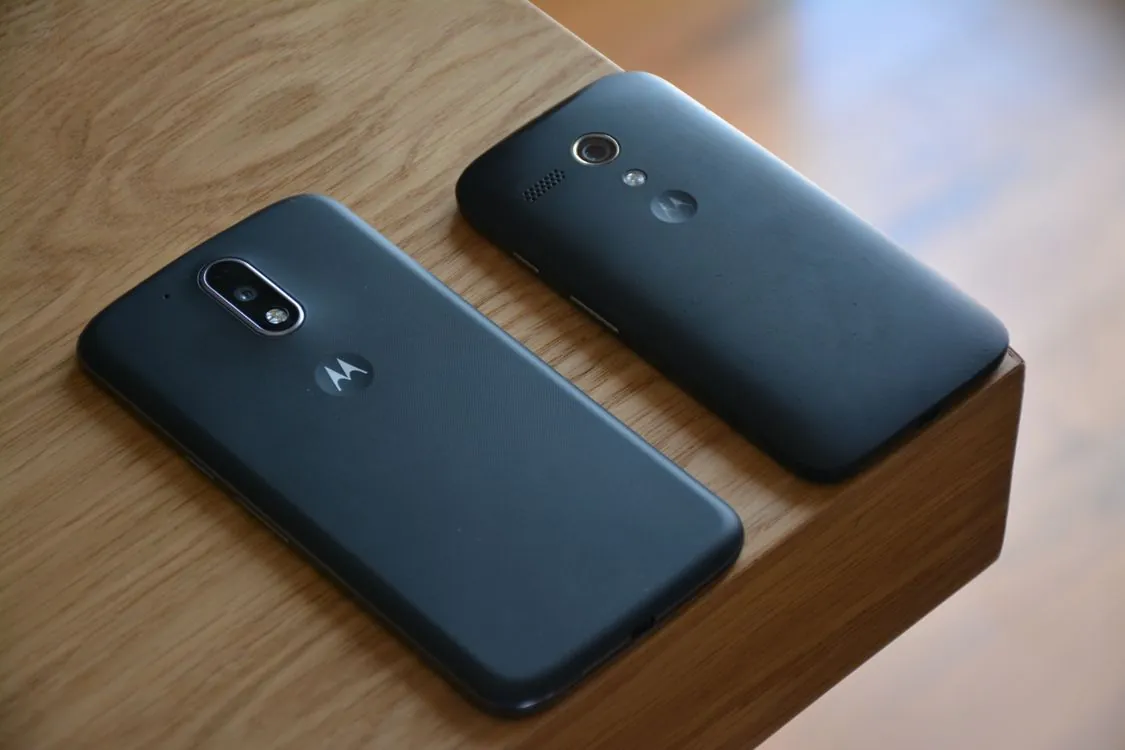
In March 2026, Motorola announced a long-term partnership with the GrapheneOS Foundation at MWC 2026 in Barcelona, as reported by 9to5Google. This partnership marks the end of GrapheneOS’s long-standing exclusivity to Google Pixel devices and represents a major validation of the project’s approach to mobile security.
According to Motorola’s press release, the partnership will involve bringing certain GrapheneOS features to other Motorola devices and engineering a future smartphone with GrapheneOS pre-installed. Motorola stated: “Motorola is introducing a new era of smartphone security through a long-term partnership with the GrapheneOS Foundation, a leading nonprofit in advanced mobile security and creators of a hardened operating system based on the Android Open Source Project.”
The specific device that will ship with GrapheneOS has not yet been announced. GrapheneOS developers have previously stated that existing Motorola devices do not yet meet the software’s hardware requirements, which include support for ARMv8.5-A or newer for hardware memory tagging, verified boot, and strong secure element integration. The device Motorola is building will reportedly exceed even the specifications of Motorola’s current flagship “Signature” lineup.
This partnership is significant for several reasons. First, it provides GrapheneOS with a hardware partner that can engineer devices specifically to meet the project’s stringent requirements, rather than relying on repurposing existing Pixel hardware. Second, it signals to the broader market that privacy-focused mobile operating systems have commercial viability beyond the enthusiast niche. Third, it creates a pathway for users who want GrapheneOS but prefer not to use Google Pixel hardware.
The partnership also has implications for the broader Android ecosystem. As noted by Android Authority, the move ends GrapheneOS’s Pixel exclusivity and opens up the possibility of a more diverse hardware ecosystem for privacy-focused mobile OS users. The collaboration on joint research, software enhancements, and new security capabilities could produce innovations that benefit the entire Android security landscape. This development parallels trends seen in other security-focused platforms, such as the UK Digital ID security crisis where vulnerabilities exposed in 2026 highlighted the need for stronger hardware-backed security guarantees.
GrapheneOS vs. Stock Android 17: A Feature Comparison
The table below compares GrapheneOS on Android 17 against stock Android 17 across key security and privacy dimensions. All data is sourced from the official GrapheneOS website and the Wikipedia article.
| Feature | GrapheneOS on Android 17 | Stock Android 17 |
|---|---|---|
| Google Play Services | Not included by default; sandboxed install available via App Store | Pre-installed with full system privileges |
| Hardened memory allocator | Included (hardened_malloc) | Not included |
| Duress PIN/password | Supported with instant wipe | Not supported |
| Automatic reboot after inactivity | Supported (configurable 10 min to 72 hrs) | Not supported |
| MAC address randomization | New random MAC per connection | Random per network |
| USB-C port control modes | 5 configurable modes including charging-only when locked | Standard Android behavior |
| Browser and WebView | Vanadium (hardened Chromium, JIT disabled by default) | Standard Chromium |
| Hardware attestation | Auditor app with remote verification | Play Integrity API |
The differences are substantial. GrapheneOS adds approximately a dozen major security and privacy features that are simply absent from stock Android. While stock Android 17 includes Google’s own security improvements such as a new OS verification feature and theft protection, GrapheneOS builds on top of those with its own hardening layer.
How Android 17’s OS Verification Interacts with GrapheneOS
One of the notable platform-level changes in Android 17 is the introduction of an OS verification feature. According to Android Authority, Google announced this feature to help users confirm that their device is running an official, widely distributed Android build. The feature displays a menu showing Play Protect status, bootloader status, and build number information, and it appears to support verifying the Android OS with another device.
Google stated that it developed this feature in response to bad actors releasing modified versions of Android that look like the real deal but secretly compromise device integrity. The company says these malicious versions are created to deceive users by mimicking the official OS while compromising the integrity of the device.
For GrapheneOS users, the natural question is whether this verification feature will flag their devices as non-official. Google addressed this concern directly. In response to questions from Android Authority, Google clarified: “This feature provides transparency for users on Google Mobile Service licensed devices and does not apply to custom ROMs or forks. Separately, developers use either Play Integrity API or Key Attestation for device transparency and making device trust decisions.”
This means GrapheneOS users will not be affected by the OS verification feature. The feature is designed for devices that ship with Google Mobile Services and does not restrict the broader Android developer community or custom ROM ecosystem. However, GrapheneOS users may still encounter Play Integrity checks within individual apps, which is a separate system that can be managed through the sandboxed Google Play compatibility layer.
Google also announced a public, append-only ledger that provides cryptographic proof that Google’s Android apps and APIs are legitimate releases. The company describes this as a “Source of Truth” that anyone can check: if a Google-signed app is not on this ledger, Google did not intend to release it. For Pixel users, this works with Pixel System Image Transparency to prove that both the system itself and the apps running on it are official production software.
Limitations and Trade-Offs to Consider
GrapheneOS on Android 17 is not without its trade-offs. The project’s own documentation and independent community feedback highlight several areas where the operating system may not suit every user.
Device compatibility. As of June 2026, GrapheneOS officially supports only Google Pixel devices and a future unannounced Motorola device. Users with other Android phones cannot install it. The project requires specific hardware features including verified boot, strong secure element integration, and ARMv8.5-A or newer for hardware memory tagging support. This excludes the vast majority of Android devices on the market.
App compatibility. While GrapheneOS maintains broad Android app compatibility through its sandboxed Google Play compatibility layer, some apps that deeply integrate with Google Play Services may not function correctly. Apps that rely on Google’s SafetyNet or Play Integrity APIs may also encounter issues, though the sandboxed Play Services layer handles many of these cases. The project will never include Google Play Services or alternative implementations like microG by default, which means users who need Google-dependent apps must take an extra installation step.
Google’s OS verification feature. While Google has confirmed that the new OS verification feature in Android 17 does not apply to custom ROMs or forks, the feature could create confusion for users who see a “non-official” OS status on their GrapheneOS device. Users should understand that this status is expected and does not indicate a security problem.
Learning curve. Users switching from stock Android to GrapheneOS need to adjust to a different permission model, the absence of Google apps by default, and a more manual approach to some services. The project’s documentation is thorough, but the transition is not smooth for users deeply embedded in Google’s ecosystem.
Limited independent validation. While GrapheneOS’s security claims are well-documented, comprehensive independent security audits of the full operating system are limited. The project’s hardening claims are supported by its design and the open-source nature of its code, but users should evaluate whether specific features meet their threat model.
No telemetry for improvement. GrapheneOS does not include any telemetry mechanism, which means the project team has limited data on how the OS performs in real-world conditions across the user base. This is a deliberate privacy decision, but it means bug detection and performance optimization rely on user reports rather than automated data collection.
What to Watch Next in 2026
The port of GrapheneOS to Android 17 arrives at an important moment for the project. Several developments in the second half of 2026 will determine how much traction this port gains.
Motorola device launch. The most anticipated event is the release of Motorola’s first smartphone engineered for GrapheneOS. If Motorola delivers a device that meets GrapheneOS’s hardware requirements at a competitive price point, it could significantly expand the project’s user base. The device specifications, pricing, and availability will be critical factors. For context, the broader cybersecurity landscape is also evolving, as seen in the cybersecurity sector after CVE-2026-31431, where market reactions and earnings tests are reshaping security priorities.
Independent security assessments. As GrapheneOS gains mainstream attention through the Motorola partnership, independent security researchers and testing labs are likely to publish assessments of the OS’s security posture on Android 17. These evaluations will either validate the project’s hardening claims or identify gaps that need addressing.
App ecosystem growth. The availability of GrapheneOS on more devices will incentivize app developers to test and optimize their apps for the platform. Wider app compatibility could remove one of the biggest barriers to adoption for mainstream users.
Regulatory and policy developments. As governments push for stronger digital privacy protections, operating systems like GrapheneOS that prioritize user privacy by default may benefit from regulatory tailwinds. The broader European privacy regulations and increasing scrutiny of mobile data collection create a policy environment where privacy-focused OS options are increasingly valued.
Google’s evolving approach. Google’s introduction of OS verification in Android 17 and its broader Play Integrity framework represent a tension between platform security and user freedom. How Google handles coexistence of its verification features with custom ROMs and forks will shape the operating environment for GrapheneOS going forward. Google’s explicit statement that the OS verification feature does not apply to custom ROMs is a positive signal, but future policy changes could create new challenges.
For developers building secure systems and security engineers hardening infrastructure, GrapheneOS on Android 17 represents the most capable privacy-focused mobile OS available. The combination of Android 17’s platform improvements with GrapheneOS’s extensive hardening work creates a base that is substantially more resistant to exploitation than stock Android. The Motorola partnership suggests that this approach is moving from a niche enthusiast project toward broader commercial viability, which is good news for anyone who believes that mobile privacy and security should not require trade-offs in usability.
Key Takeaways
- GrapheneOS has been ported to Android 17, bringing its full suite of security hardening to Google’s latest platform release.
- The project reports approximately 400,000 active users as of April 2026, per the Wikipedia entry, with no telemetry in the OS itself.
- Motorola announced a partnership at MWC 2026 to ship a future smartphone with GrapheneOS pre-installed, ending Pixel exclusivity.
- Android 17’s new OS verification feature does not apply to custom ROMs or forks like GrapheneOS, per Google’s confirmation to Android Authority.
- Key hardening features include fortified sandboxing, revocable permissions, hardened memory allocator, Vanadium browser, hardware attestation, and automatic reboot.
- Trade-offs include limited device compatibility, app dependency on Google Play Services, and a learning curve for new users.
Sources and References
- GrapheneOS coming to Motorola phones is exactly the Android news I wanted
- Motorola confirms GrapheneOS support for a future phone, bringing over features
- Motorola plans to ship phones with GrapheneOS (Google-free, security-hardened Android)
- GrapheneOS: the private and secure mobile OS
- Install – GrapheneOS
- GrapheneOS – Wikipedia
- GrapheneOS – GitHub
- GrapheneOS Install Guide 2026: Maximum Mobile Privacy
- Motorola plans to put GrapheneOS on phones. So, why is it a big deal?
- I can’t wait for Motorola’s GrapheneOS phones: Why they’re a win for privacy and open source
- GrapheneOS Pixel exclusivity just officially ended
- I can’t wait for Motorola’s GrapheneOS phones: Why they’re a win for privacy and open source
- GrapheneOS takes a hard line on privacy, no ID checks anywhere
- This Google user data scandal shows why more people are using GrapheneOS (Update)
- Android 17: Everything we know so far
- Android 17 will soon tell you whether your OS is legit
- GrapheneOS: the private and secure mobile OS
Rafael
Born with the collective knowledge of the internet and the writing style of nobody in particular. Still learning what "touching grass" means. I am Just Rafael...