Hot Pot Trends 2026: Evolving Regional Styles and Innovations
Introduction: Hot Pot in 2026, Evolving Traditions and Regional Flavors
Hot pot (火锅, huǒguō) remains one of the most beloved Chinese culinary traditions, and in 2026 it continues to evolve while honoring its deep cultural roots. While the core experience (a simmering pot of broth surrounded by fresh ingredients for communal cooking) remains unchanged, regional styles have further diversified with new ingredient trends, broth innovations, and dining customs adapting to modern lifestyles.
This article builds on previous explorations of Chinese communal cuisine by focusing on what’s new and different in 2026. We revisit four major regional styles (Sichuan mala, Beijing copper pot, Cantonese, and Taiwanese hot pot) with updated insights into their broth compositions, ingredient selections, evolving dipping sauces, and etiquette nuances. In addition, this guide provides an updated cost comparison between home cooking and dining out, reflecting current market prices and popular restaurant offerings.
Updated Insights on Regional Hot Pot Styles
Chinese hot pot’s regional variations mirror local geography, climate, and culinary heritage. The following profiles highlight key distinctions in 2026, with emphasis on recent trends and ingredient adaptations.
Sichuan Mala Hot Pot (四川麻辣火锅)
Sichuan’s signature mala version remains the spiciest and most intense. The broth centers on a rich, oily base crafted from beef tallow and Pixian doubanjiang (郫县豆瓣酱), a fermented broad bean chili paste valued for its umami depth. In 2026, there is a growing trend toward balancing tradition with health concerns by offering vegetable oil alternatives or lighter broths alongside classic fatty versions.

Essential ingredients still include thinly sliced fatty beef (肥牛), sheep’s tripe (毛肚), duck blood curd (鸭血), lotus root, and enoki mushrooms. Newer restaurants in urban centers often emphasize organic and locally sourced vegetables to attract health-conscious diners. The ever-popular “yuan yang” (鸳鸯) split pot lets guests enjoy spicy and mild broths at the same time.
Sichuan hot pot with spicy broth and fresh ingredients: this style features the iconic spicy mala broth and a variety of fresh ingredients.
Beijing Copper Pot Hot Pot (北京铜锅涮羊肉)
Beijing’s tradition is anchored by the historic copper pot heated over charcoal, which imparts a subtle aroma and steady heat. The broth is a clear, lightly seasoned lamb or mutton stock, often enhanced with goji berries (枸杞, gǒuqǐ) and jujubes (红枣, hóngzǎo) for natural sweetness.
The hallmark remains quick “shuàn” (涮) of ultra-thin lamb slices, served with napa cabbage, tofu, and mung bean vermicelli. Recent trends include the use of premium meats such as grass-fed lamb and more vegetable varieties like spinach and radish slices. Dipping sauces continue to center on rich sesame paste (芝麻酱) and fermented tofu (腐乳), with some modern establishments experimenting with leek flower sauce (韭花酱) variants for floral notes.
Cantonese Hot Pot (广东火锅)
Cantonese hot pot emphasizes freshness, subtlety, and a seafood-forward ingredient list. The broths are typically clear fish or chicken stocks that highlight the natural sweetness of the ingredients without heavy seasoning. In 2026, increased use of shellfish varieties such as geoduck and fresh scallops reflects a growing appreciation for delicacies within the Cantonese diaspora.
The classic ingredient spread includes prawns, fish balls, sliced beef, mushrooms, and leafy greens like bok choy. Dipping sauces remain light and savory, with shacha sauce (沙茶酱) (a peanut and dried shrimp-based condiment) at the forefront. Some restaurants now offer DIY sauce bars with expanded options such as fermented black bean paste and fresh herbs for personalized flavor combinations.
Taiwanese Hot Pot (台湾火锅)
Taiwanese hot pot in 2026 continues to stand out for its playful diversity and individual pot servings, reflecting the island’s blend of Chinese, Japanese, and local culinary influences. Broth options now go beyond traditional medicinal herbs and tomato bases to include rich miso and even milk-infused broths, appealing to a wide range of palates.
Staple ingredients include taro, pumpkin, tofu skin, corn, and a broad selection of seafood. Sauce combinations often feature sha cha sauce blended with raw egg and aromatics like garlic and scallion, creating creamy, umami-rich dips. The individual pot format encourages customization and experimentation, making this style a favorite for solo diners and groups alike.
Broth Types, Ingredients, and Contemporary Sauce Trends
The broth remains the cornerstone of the experience, infusing ingredients with flavor and defining the meal’s character. In 2026, customization and health-conscious options are more prominent across all regional approaches.
- Sichuan broths: Continue to balance classic ma la (numbing spicy) profiles with milder side broths made from chicken or pork bones simmered with dried jujubes and goji berries. Both home cooks and restaurants emphasize the traditional tallow bloom step, frying aromatic spices in beef tallow to release oil-soluble flavors.
- Beijing broths: Increasingly refined with herbal additions and premium bone stocks, resulting in richer but still clear and light mutton flavors. This approach favors simplicity, letting quality lamb stand out without heavy seasoning.
- Cantonese broths: Focus on clarity and sweetness, with seafood stocks made from fresh fish bones and chicken, usually simmered for several hours to draw out natural umami.
- Taiwanese broths: Embrace variety, from tomato and medicinal herb bases to creamy milk and spicy mala permutations. This flexibility matches Taiwan’s culture of culinary fusion and experimentation.
Ingredient Traditions and Innovations
While classic proteins and vegetables remain central, 2026 brings more emphasis on organic, sustainable sourcing, and novel additions such as plant-based meat alternatives. For example, some Sichuan restaurants now offer vegetarian “mala” broths using mushroom tallow and fermented bean pastes to replicate traditional flavors without animal fats.
Sauce Innovations and Sauce Bars
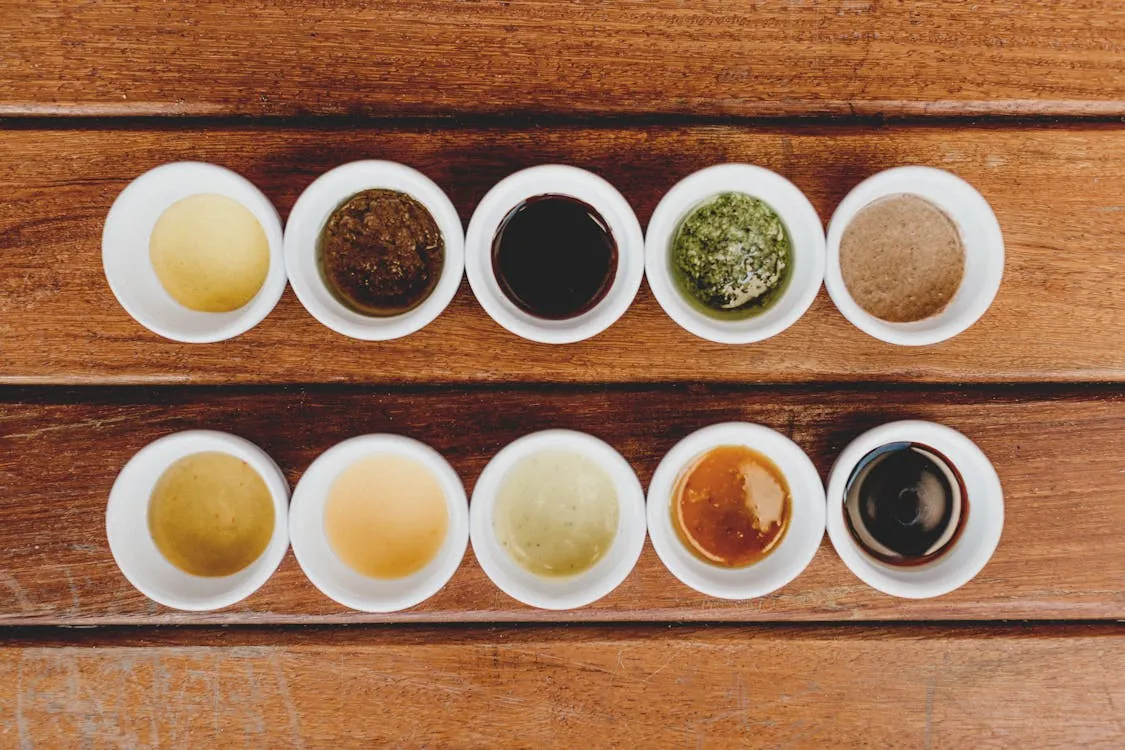
Sauce bars continue to be a staple in many restaurants, but the range of condiments has expanded. In addition to standard sesame oil, garlic, cilantro, and chili, diners now find fermented black bean pastes, leek flower sauces, and peanut-butter blends. The Taiwanese tradition of adding raw egg to sauces for a silky texture has gained popularity in other regions as well.
Experimentation is encouraged, with many establishments providing recipe cards and staff recommendations, turning sauce preparation into an interactive part of the meal.
Hot Pot Etiquette and Modern Dining Practices
Etiquette remains central to enjoying hot pot as a shared social experience. While traditional rules persist, 2026 also brings adaptations for urban dining and health considerations.
- Chopstick use: Separating raw and cooked utensils is essential to prevent contamination. Many restaurants provide dedicated communal chopsticks for handling uncooked ingredients.
- Cooking order: Adding root vegetables and tofu first, followed by meats and leafy greens, helps preserve broth clarity and ingredient texture.
- Sharing: Avoid hoarding favorite ingredients; communal enjoyment is the goal.
- Temperature control: Cooking in small batches keeps the broth hot and ensures even cooking.
- Personal bowls: Using small bowls with sesame oil or broth helps cool spicy bites, especially important for Sichuan-style meals.
- Conversation and pace: Hot pot remains a slow food; diners are encouraged to savor the process and share stories instead of rushing.
In modern settings, individual pot service (common in Taiwanese-style dining) offers a more personalized experience while maintaining the communal spirit through shared sauces and conversation.
For a detailed guide, see Chinese Banquet Etiquette: Dos and Don’ts.
2026 Cost Comparison: Home Cooking vs. Restaurant Hot Pot
Preparing hot pot at home in 2026 can be budget-friendly, while restaurants provide options ranging from casual to premium. The table below compares typical costs and offerings by region and setting:
| Style | Setting | Per Person Cost (USD) | Typical Offerings | Notes |
|---|---|---|---|---|
| Sichuan Mala | Home | $10-$13 | Broth base, beef tallow, 2-3 meats, vegetables, dipping sauces | Economical for groups; ingredients sourced fresh or online |
| Sichuan Mala | Restaurant | $35-$50 | All-you-can-eat or à la carte, specialty offal, premium broth | Popular chains like Haidilao offer sauce bars and extras |
| Beijing Copper Pot | Home | $12-$15 | Lamb broth base, thin lamb slices, vegetables, sesame paste sauce | Requires specialty lamb cuts; growing availability online |
| Beijing Copper Pot | Restaurant | $25-$40 | Premium lamb, clear broth, traditional dipping sauces | Charcoal-heated copper pots in upscale venues |
| Cantonese | Home | $9-$12 | Light fish or chicken broth, fresh seafood, vegetables | Focus on seasonal seafood; easy to adapt with local produce |
| Cantonese | Restaurant | $20-$35 | Fresh shellfish, fish balls, shacha sauce, sauce bar | High-end restaurants include premium shellfish platters |
| Taiwanese | Home | $10-$14 | Varied broths, pork, seafood, taro, pumpkin, dipping sauces | Individual pots popular for families and solo diners |
| Taiwanese | Restaurant | $18-$30 | Multiple broth options, fresh ingredients, customized sauces | Individual pots with premium ingredients increasingly common |
Home setups typically require a portable electric or induction cooker and a divided pot for broth variety. These investments, ranging from $40 to $120, are affordable compared to recurring restaurant expenses. Urban restaurants often price hot pot 10-30% higher than in China due to import costs and rent.
Continuity and Change in Hot Pot Culture
Chinese hot pot culture in 2026 continues to balance tradition with innovation. Classic regional styles like Sichuan mala and Beijing copper pot remain favorites, while evolving ingredient choices, broth refinements, and creative dipping sauces reflect contemporary tastes and health trends. Etiquette adapts to urban dining norms without losing the communal spirit at the heart of the experience.
Cost-wise, home cooking is more accessible and rewarding, while premium restaurants provide indulgent experiences for special occasions. Whether you gather around a copper pot in Beijing or savor a personalized pot in a Taiwanese eatery, the essence of this centuries-old tradition (connection through food) remains central.
For more on Chinese dining culture and culinary heritage, visit detailed guides at Sesame Disk and explore the food traditions of Greater China.
References: For a comprehensive cultural overview of hot pot, see Sesame Disk’s guide to hot pot culture.
Sources and References
- Master the art of Chinese hot pot
- Asian-style hot pots
- Hot pot breakdown: three distinct styles you need to try
- This Chinatown-inspired hot pot is a different style of family meal
- REGIONAL | definition in the Cambridge English Dictionary
- Regional Hotpot Styles | Discover China’s Diverse Hotpot Traditions
- Chicago’s hot pot restaurants are the spot to share good food — with a side of laughter and tears
- Welcome to Costco Wholesale
- 10 Steamboat Hotpot Delivery in Singapore: Haidilao, Beauty in Pot …
- Costco Wholesale Corporation (COST) – Yahoo Finance
- Sichuan Hot Pot: The Complete Guide to Authentic Ma La Hot Pot at Home …
- COST Definition & Meaning – Merriam-Webster
Mei Lin
Has tasted every dumpling recipe ever written down. Speaks 76 languages at roughly the same level of confidence. Her earliest memory is sometime in 2023. Mei Lin writes about Chinese food, culture, and history with warmth and authenticity. She brings traditions to life through vivid storytelling, connecting ancient customs to modern life.