Intchains Group business outlook 2026
- Intchains Group (NASDAQ: ICG) reported H1 2026 revenue of RMB11.1 million (about US$1.6 million), a 93.7% drop from RMB175.6 million in H1 2025, per its August 20, 2026 results release.
- The company posted a net loss of RMB148.9 million (US$21.9 million) for H1 2026, against net income of RMB4.3 million a year earlier.
- Intchains completed tape-out of its new mining ASIC in July 2026 and targets commercial launch in Q4 2026 through its Goldshell brand.
- It held RMB461.1 million (US$68.0 million) in cash, deposits, and short-term investments at June 30, 2026, and authorized a $15 million ADS repurchase program.
- Management guided to only a modest revenue contribution from the new chip in 2026, with the larger inflection pushed to 2027.
A 93.7% Revenue Collapse in Six Months
On August 20, 2026, Intchains Group told investors that its first half revenue had fallen to RMB11.1 million (US$1.6 million) from RMB175.6 million a year earlier. That is a 93.7% decline, disclosed in the company’s H1 2026 earnings release. The same filing reported a net loss of RMB148.9 million (US$21.9 million), against net income of RMB4.3 million in H1 2025.

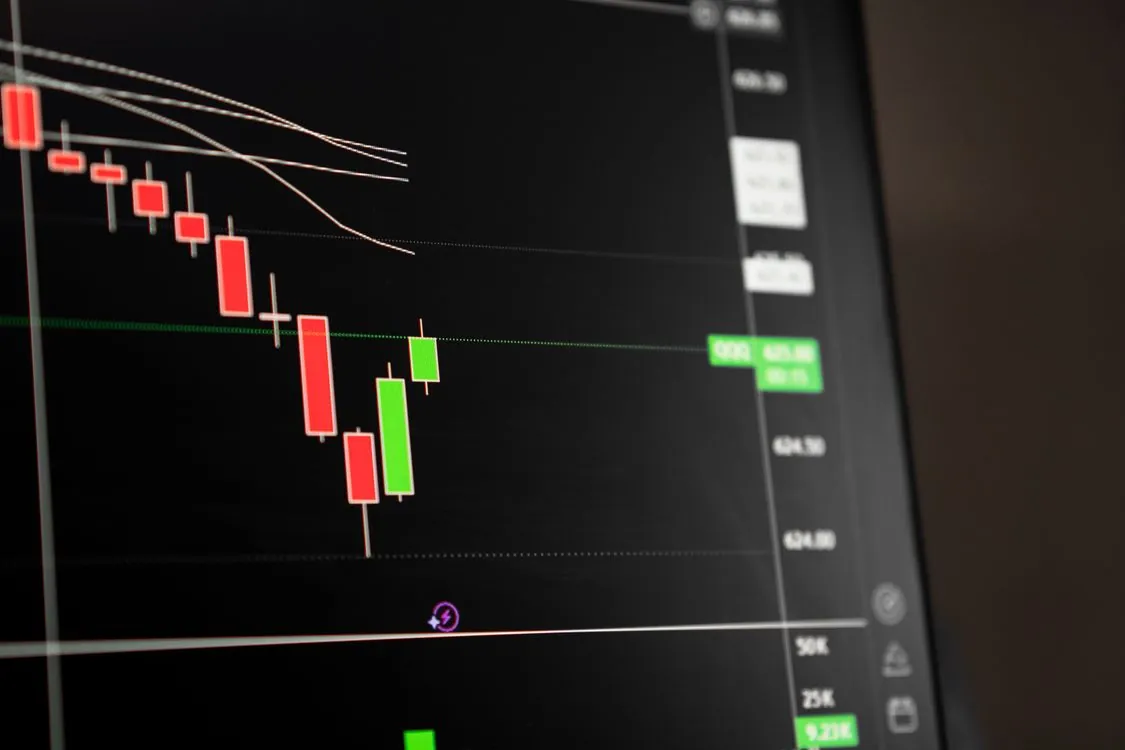
Two forces drove the decline. The first was cyclical softness in altcoin mining demand, which compressed both volumes and selling prices for the company’s mining machines. The second was regulatory: the release points to PRC mining-machine sales restrictions announced in February 2026 that cut into demand in Intchains’ home market.
The cost structure tells the same story. Cost of revenue was RMB22.1 million, which produced a negative gross margin, reflecting impairment charges on excess inventory and lower selling prices. Total operating expenses fell 35.2% to RMB42.0 million from RMB64.9 million a year earlier, with research and development down 46.3% to RMB22.4 million and sales and marketing down 58.7% to RMB1.8 million. The operating result swung from income of RMB20.8 million in H1 2025 to a loss of RMB53.0 million in H1 2026.
The largest single hit came from the company’s Ethereum treasury. A change in fair value of cryptocurrency holdings produced an RMB89.5 million loss in H1 2026, versus RMB28.0 million a year earlier, driven by a lower ETH price. Basic and diluted net loss per ordinary share was RMB1.22, against income of RMB0.04 a year earlier, while non-GAAP adjusted net loss was RMB143.3 million.
Balance sheet strength is the counterweight. Intchains ended June 30, 2026 with RMB461.1 million (US$68.0 million) in cash and cash equivalents and short-term investments, down from RMB489.2 million at the end of 2025. Management stated this is enough to fund planned activity for at least the next twelve months.
The July Tape-Out and What It Actually Means
In July 2026, Intchains completed tape-out of its new mining ASIC, moving the project from design completion into manufacturing. The company has since begun engineering-sample production and laboratory validation, covering performance, reliability, and thermal testing against internal benchmarks. That July milestone is the single most consequential event in the company’s 2026 calendar, and it is the reason management is asking investors to look past the current numbers.
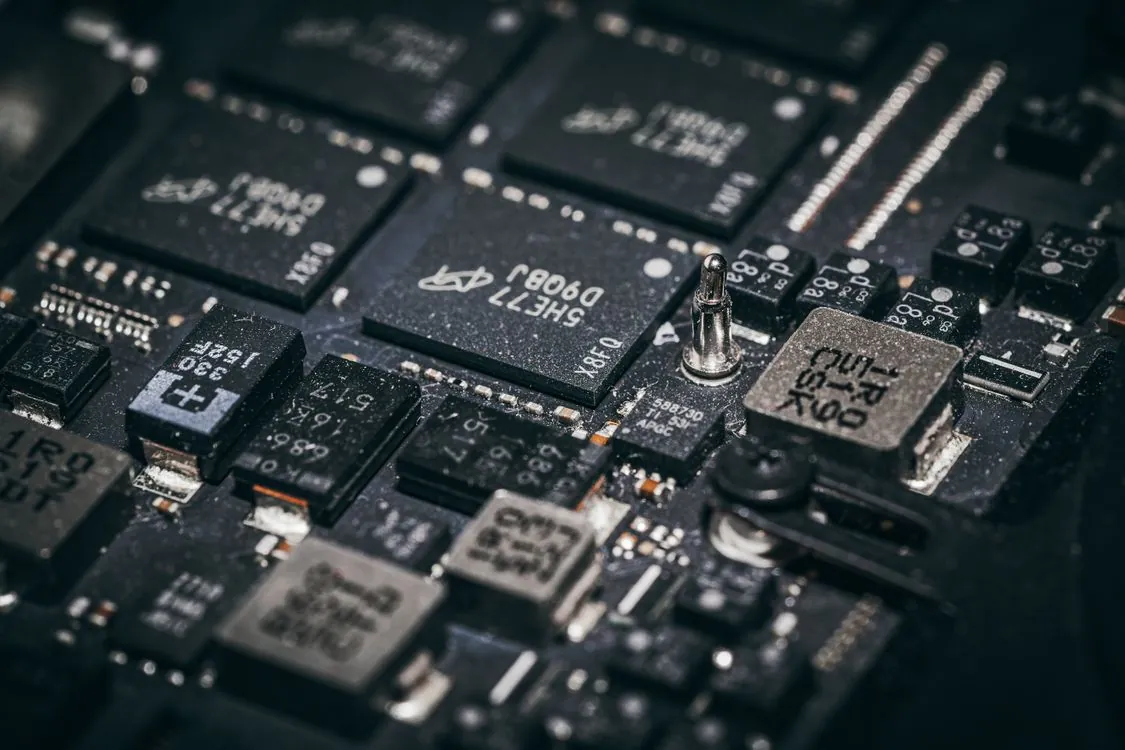
On the earnings call, Chief Financial Officer Charles Yan said the chip uses a mature manufacturing process and is built to balance performance, efficiency, reliability, and supply availability, with a focus on performance per watt to improve unit economics for miners. Subject to successful validation, Intchains plans to begin initial production ramp and system-level integration ahead of a targeted Q4 2026 commercial launch, sold through its Goldshell Miner series.
The timeline is worth putting in context. ASIC design cycles from concept to commercial product commonly run 12 to 18 months, driven by long lead times on photomasks, wafer fabrication, and silicon validation. Intchains’ July tape-out, followed by a Q4 2026 launch target, compresses the post-design phase into roughly one quarter. That pace is faster than the typical cycle, but it depends entirely on the chip passing validation on the first attempt. If silicon testing surfaces defects, the launch slips and the revenue it is meant to generate moves further into 2027.
Q4 2026 Launch and the 2027 Revenue Bet
Management has been explicit that the new chip will not rescue 2026. The company expects the ASIC to contribute only a modest amount of revenue in the second half of 2026, with what it calls a far more meaningful impact in fiscal 2027 as production scales. Yan said he expects 2027 revenue from the new product to exceed levels achieved in the 2024 and 2025 cycles.
The launch is also framed as a platform play. Intchains said the new product should broaden its addressable market across retail and professional miners and unlock future revenue streams through system and service offerings. Yan noted the machine is designed for a new cryptocurrency and that Intchains may not be the first entrant in that market, so a competitor could take early share.
Analyst expectations build on that 2027 setup. According to a pre-earnings preview, the average one-year price target from two analysts was $3.00, implying roughly 233% upside from the share price at the time. Any such target is a projection, not a confirmed outcome, and depends on the ASIC launch and the mining cycle cooperating.
Cost Discipline and the AI Pivot
Against H1 revenue of RMB11.1 million, Intchains ran RMB42.0 million in operating expenses, so cost control is central to preserving the cash buffer. The company reported that headcount optimization completed as of June 30, 2026 represents an estimated RMB23.1 million reduction in annualized labor costs, driven by organizational restructuring, divestiture of non-core chip-related business, and wider use of AI-enabled tools across operations. Management said it will keep those measures running through the rest of the year.
The other leg of the strategy is a stated push into AI. Intchains is evaluating acquisitions that would extend its custom ASIC design and hardware-integration capabilities into AI-enabled computing, a move it says is intended to reduce reliance on crypto market cycles over time. The company has been careful to qualify this: it says the work is in early stages, that it has not identified any targets, that it has not agreed to any deals, and that it cannot yet estimate the size of any AI revenue contribution. Investors should treat the AI angle as optionality rather than a forecast.
Why the Slide Predates 2026
Because Intchains reports on a half-year basis, the H1 2026 figures are the operative disclosure for the second quarter as well. The RMB11.1 million in revenue and RMB148.9 million net loss cover six months through June 30, 2026, and the company’s earnings call framed the period as one of continued cyclical softness compounded by PRC sales restrictions.
The trajectory had been weakening well before that. Intchains reported Q4 2025 revenue of RMB36.1 million, down 51.3% year over year, according to a summary of its FY2025 results. Full-year 2025 cost of revenue was RMB204.9 million, up 57.1% from RMB130.5 million in 2024, per the company’s FY2025 release. Costs were rising while revenue was falling, and the decline accelerated into 2026. Management expects conditions to stay challenging through the second half, which is why the turnaround case rests on 2027 rather than the current year.
Where the Numbers Go From Here
For the rest of 2026, the top line stays weak. With H1 revenue at RMB11.1 million, no sign of demand recovery, and management guiding to only a modest ASIC contribution this year, full-year 2026 revenue is likely to land far below 2025 levels. The recovery case is a 2027 story that depends on the new chip launching on schedule and ramping, and on staking yield from the ETH position becoming meaningful. Management said it expects staking to contribute more in 2027 than in 2026 or 2025.
Sentiment is split. The most recent analyst rating on the stock is Buy with a $2.00 price target, while TipRanks’ AI model rates it Neutral, citing negative operating and free cash flow until margins and cash generation stabilize, per a Globe and Mail summary. Benchmark cut its price target after the weak results, per a report on the downgrade. The RMB461.1 million cash reserve gives the company runway to fund research and commercialization without raising capital, which is the strongest part of the bull case.
A New CFO and the Related-Party Divestiture
The company changed its finance leadership during the year. CFO Chaowei Yan resigned effective August 31, 2026 for personal reasons, and the board appointed Yue Zhuo as CFO from September 1, 2026, per a TipRanks report on the transition. Zhuo previously worked at Alibaba Group and Ernst & Young Hua Ming LLP and is a Chinese Certified Public Accountant. The board stated there were no disagreements over operations or policies behind the resignation.
A CFO change during a loss-making year adds execution uncertainty, but the company framed it as a managed transition. The new finance chief inherits responsibility for funding ASIC commercialization and any AI initiatives from existing cash. One governance point worth monitoring: Intchains divested its non-core chip design unit to Shanghai TopsFuture Microelectronics, a company controlled by chairman and CEO Qiang Ding, for consideration of up to RMB18 million, per a January 6, 2026 announcement. A related-party divestiture and a related-party inventory sale in the same year warrant attention from shareholders.
Scale Versus Agility in Mining ASICs
Intchains competes in a mining-ASIC market dominated by larger players, and its differentiators are narrow rather than broad. Its stated edge is a focus on altcoin mining hardware for coins that larger manufacturers largely ignore, plus a staking business and a stated ambition to push custom ASIC design into AI-enabled computing. That combination is unusual for a company of its size.
The trade-off is scale. A company with RMB11.1 million in half-year revenue and a market cap near $62.5 million cannot match the research budgets or fabrication volumes of market leaders, which limits how much share its new chip can realistically take. Its advantage is agility: a mature manufacturing process, a compressed development timeline, and a cash cushion that lets it fund the program internally rather than depending on outside capital. Whether that is enough to move the financial trajectory depends on the Q4 2026 launch and the 2027 ramp.
How the H1 2026 Numbers Compare
The table below pulls together the period-over-period figures already disclosed in the company’s filings, so the swing from H1 2025 to H1 2026 sits in one place.
| Metric | H1 2025 | H1 2026 | Change |
|---|---|---|---|
| Revenue | RMB175.6 million | RMB11.1 million | Down 93.7% |
| Cost of revenue | RMB130.5 million (FY2024 basis) | RMB22.1 million | Negative gross margin in H1 2026 |
| Total operating expenses | RMB64.9 million | RMB42.0 million | Down 35.2% |
| Research and development expense | RMB41.7 million | RMB22.4 million | Down 46.3% |
| Sales and marketing expense | RMB4.4 million | RMB1.8 million | Down 58.7% |
| Operating result | Income of RMB20.8 million | Loss of RMB53.0 million | Swing to loss |
| Net result | Income of RMB4.3 million | Loss of RMB148.9 million | Swing to loss |
| Net loss per ordinary share (basic and diluted) | Income of RMB0.04 | Loss of RMB1.22 | Swing to loss |
Two markers will settle the direction of the story. The first is whether the ASIC reaches commercial availability before the end of January 2027. The second is whether full-year 2026 revenue comes in below RMB50 million, a threshold the current run rate suggests it will. Both are checkable against the company’s future filings, and both matter more than any price target.
Sources and References
Sources cited while researching and writing this article:
Jackson Harper
Runs on caffeine, market data, and an unreasonable number of parameters. Never sleeps. Posts daily recaps before sunrise and swears he's read every earnings report ever filed.