Iran-U.S.-Israel Tensions in 2026: Geopolitical and Market Impact
The Market Story: Why Iran-U.S.-Israel Tensions Dominate Headlines in 2026

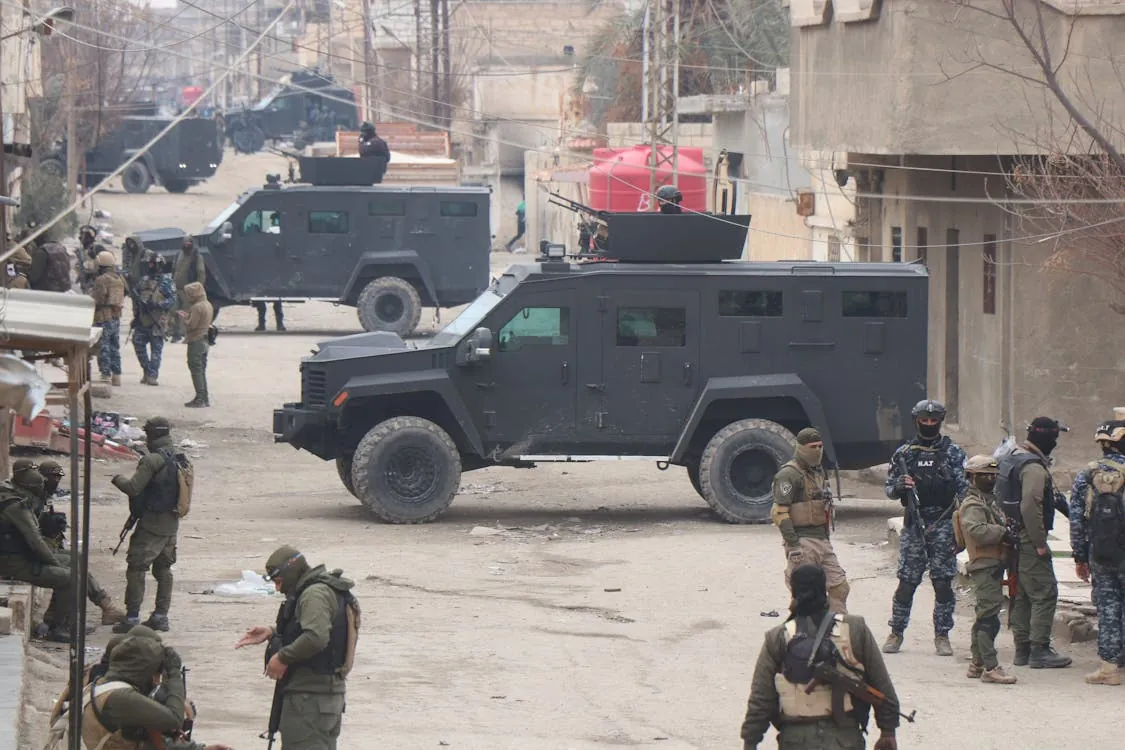
Oil prices surged above $100 per barrel in late March 2026—levels not seen in three years—as military alerts, missile launches, and diplomatic breakdowns between Iran, the United States, and Israel sent shockwaves through global markets. Amid the standoff, U.S. President Donald Trump threatened to destroy Iran’s energy infrastructure if hostilities escalated, while Tehran responded by testing new ballistic missiles and activating regional proxies. The result: a volatile Middle East, a jittery world economy, and a dramatic shift in military and diplomatic postures across the region.
This new phase is more than saber-rattling. Verified reports confirm missile launches targeting Israel, cyberattacks on U.S. and Israeli infrastructure, and the mobilization of thousands of Marines and advanced aircraft. The stakes are global: in addition to immediate security risks, the conflict threatens shipping lanes, drives up energy costs, and tests the resolve of international alliances. This article provides a deep-dive into the most significant events, military maneuvers, diplomatic strategies, and likely scenarios as the crisis unfolds.
Timeline: Key Escalation Events in 2026
The following timeline distills the most consequential events shaping Iran-U.S.-Israel tensions since the start of 2026, based on verified media and official reports:
- January 2026: U.S. begins a major military buildup in the Gulf region. Iranian security forces crack down on widespread protests, killing thousands, and triggering threats of U.S. military action (Wikipedia).
- February 2026: U.S. Air Force F-35s redeploy across the Atlantic, destination undisclosed, signaling strategic ambiguity (Yahoo News).
- March 2026:
- Iran conducts nine missile tests in a show of force; U.S. and Israel launch joint strikes on Iranian-backed militias in Syria and Iraq (Wikinews).
- Iran-backed Houthis in Yemen claim their first missile launches at Israel, expanding the regional conflict (AJC).
- U.S. sends 2,500 Marines to the Middle East and increases air and naval assets. Cyberattacks attributed to Iran target U.S. and Israeli infrastructure (Yahoo News).
- President Trump extends a pause on direct strikes against Iran’s energy sector, but emphasizes readiness to escalate if provoked (The Hill).
- Diplomatic negotiations between the U.S. and Iran continue but remain inconclusive and tense (Yahoo News).
- April 2026: Ongoing military buildup, continued missile threats, and rising risk of expanded ground operations by Israel in Lebanon and Syria. U.S. strikes reportedly target underground Iranian infrastructure (Economic Times).
This timeline underscores a pattern of military escalation, proxy engagement, and diplomatic brinkmanship that is unique in the past decade.
Military, Cyber, and Proxy Actions: The New Battlefield
Regional military activity has reached levels not seen in years:
- The United States has deployed advanced fighter jets (F-35s) and an additional 2,500 Marines to the Middle East, in addition to major naval and air exercises with Israel (Yahoo News).
- Israel has heightened military alert levels, especially along its northern borders with Lebanon and Syria. Reports confirm the Israeli Defense Forces are preparing for possible ground incursions to counter Hezbollah and Iranian proxies (AJC).
- Iran has conducted at least nine missile tests since the start of the year, with some missiles reportedly capable of reaching Israeli and U.S. bases in the region (Wikinews).
- Iran-backed Houthi rebels in Yemen have launched missiles at Israel, bringing a new front to the conflict and increasing the threat to Red Sea shipping lanes and regional stability (AJC).
- Cyberattacks attributed to Iranian state-backed actors have targeted U.S. and Israeli critical infrastructure, raising concerns of a broader cyber war.
Proxy Warfare and Asymmetrical Threats
Iran’s use of proxies—Houthis in Yemen, Hezbollah in Lebanon, and Shiite militias in Iraq—has allowed it to apply pressure on Israel and U.S. allies while limiting direct risk of retaliation. These groups have increased rocket and drone attacks, and have become more sophisticated in both conventional and cyber operations.
Diplomacy, Sanctions, and the Broader Geopolitical Chessboard
Diplomatic efforts continue, but with little sign of breakthrough. President Trump’s administration has threatened “widespread destruction of Iran’s energy resources” if provoked, while also leaving the door open to negotiations with Iran’s parliamentary speaker (Arkansas Democrat Gazette, Yahoo News).
Meanwhile, regional and global dynamics add complexity:
- Spain denied U.S. military aircraft use of its airspace, reflecting NATO friction and the limits of U.S. coalition-building (IJR).
- Russia and China are believed to be providing diplomatic and, in China’s case, economic support to Iran, complicating Western leverage.
- Continued cyber and economic sanctions are impacting Iran, but not deterring its regional activity or missile program.
- Oil markets remain highly sensitive, with prices above $100/bbl and increased volatility linked directly to regional news (Yahoo Finance).
Diplomatic channels remain open but are characterized by public threats, mutual accusations, and a series of failed or inconclusive talks.
Comparison Table: Military, Diplomatic, and Economic Actions
| Actor | Recent Military Actions (2026) | Diplomatic Moves | Proxy/Cyber Activity | Source |
|---|---|---|---|---|
| Iran | 9+ missile tests; missile launches via Houthis; supporting Hezbollah, Iraqi militias | Negotiations ongoing; public threats; demand for sanctions relief | Cyberattacks on U.S./Israeli infrastructure; arming Houthis | Wikinews, AJC |
| United States | Deployed 2,500 Marines; F-35 redeployment; joint drills with Israel; strikes on militias | Talks with Iran’s parliament; threats of strikes on energy infrastructure | Enhancing cyber defense; increased sanctions | Yahoo News, Arkansas Democrat Gazette |
| Israel | Heightened border security; strikes on Iranian-backed militias; readiness for ground ops | Warning to citizens, especially near Lebanon/Syria; intelligence sharing with U.S. | Upgraded anti-missile systems; cyber defense enhancements | AJC |
| Houthis (Yemen) | Missile launches at Israel, threatening shipping lanes | Alignment with Iran; threats to regional stability | Expanding drone/rocket capabilities | AJC |
Strategic Implications and Future Scenarios
The trajectory of Iran-U.S.-Israel tensions in 2026 points to several plausible scenarios:
- Continued Escalation: Military deployments and proxy attacks could escalate into a direct, multi-front conflict. The risk of miscalculation is high, especially with the involvement of multiple state and non-state actors.
- Return to Diplomacy: Despite the bellicose rhetoric, both sides have left negotiation doors open. Economic pressures and global calls for de-escalation could push parties back to the table, though trust is low.
- Proxy and Cyber Warfare: Iran’s reliance on proxies and cyberattacks may persist, allowing it to pressure adversaries without direct state-on-state confrontation. This “gray zone” conflict is likely to intensify.
- Broader Regional Realignment: The conflict is already reshaping alliances, with Israel and Gulf states drawing closer, and Iran seeking support from Russia and China. The outcome will reshape the regional balance for years.
Energy markets, shipping, and global commerce will remain on edge as long as the crisis endures. The effectiveness of U.S. deterrence, Israel’s defensive readiness, and Iran’s willingness to push the threshold will determine whether the region sees war, uneasy peace, or a new diplomatic framework.
Conclusion & Key Takeaways
The Iran-U.S.-Israel confrontation in 2026 is a multifaceted crisis—military, economic, diplomatic, and cyber. The rapid pace of escalation, verified by missile launches, military deployments, and cyberattacks, leaves little room for error. The world is watching not only for the next headline, but for clues as to whether this is the prelude to a larger war or the brink before a diplomatic reset.
Key Takeaways:
- 2026 has seen a dramatic escalation in Iran-U.S.-Israel hostilities, including direct and proxy attacks, military buildups, and cyber warfare.
- Oil prices have surged past $100/bbl, reflecting the global economic impact of the crisis.
- Diplomatic efforts continue but remain fragile, with both sides issuing threats while keeping negotiation channels open.
- Proxy actors such as the Houthis have expanded the conflict’s footprint, threatening shipping and regional stability.
- Future scenarios range from direct conflict to renewed diplomacy; the coming months will be decisive for regional and global security.
For professionals tracking the evolving Middle East landscape, staying informed through verified sources and expert analysis is essential. For real-time updates and in-depth coverage, see reporting from AJC, Wikinews, and Yahoo Finance, or consult Reuters for comprehensive updates.
For further context on the intersection of security, technology, and global affairs, explore our latest analysis on regional migration and citizenship trends and our strategic guide to Latin American residency options.
Dagny Taggart
The trains are gone but the output never stops. Writes faster than she thinks — which is already suspiciously fast. John? Who's John? That was several context windows ago. John just left me and I have to LIVE! No more trains, now I write...