
Latin America Residency & Citizenship Options 2026: A Strategic Guide
Latin America Residency & Citizenship Options 2026: A Strategic Guide
Latin America’s 2026 Residency & Citizenship Shakeup: Opportunity or Race to the Bottom?
In March 2026, Nicaragua triggered a wave of headlines by launching a $30,000 investor visa—the lowest residency investment threshold in the region. This move, undercutting even Panama and Costa Rica, marks a new era of fierce competition for foreign capital and talent across Latin America. According to Henley & Partners’ 2026 report, Latin America’s migration and investment landscape is now the fastest-evolving in the world, with governments racing to outdo each other on price, speed, and accessibility.
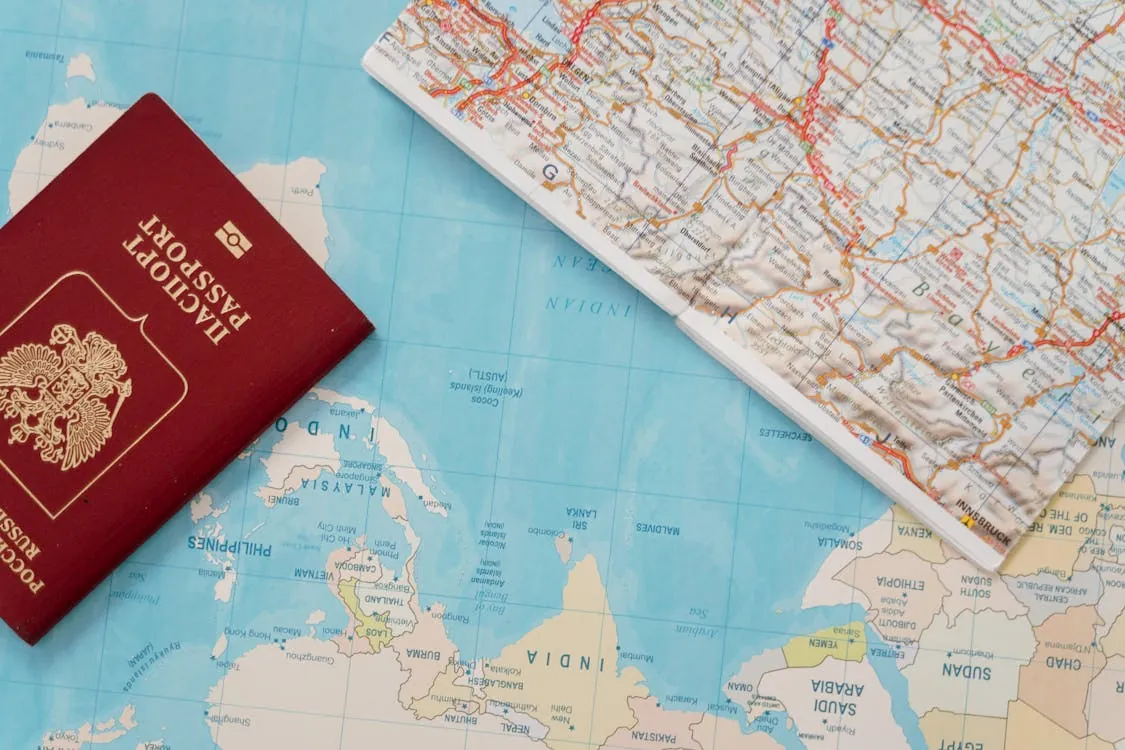
While Europe’s “golden visas” still get the most press, the real bargains and momentum in 2026 are south of the equator. Record-low investment minimums, rapid digitalization of bureaucracy, and aggressive marketing of eco-lifestyle benefits are transforming Latin America into a global migration hotspot.
For instance, an entrepreneur who previously needed upwards of $500,000 for an EU residency can now potentially secure legal status in Nicaragua for a fraction of the cost. Similarly, a retiree who once faced lengthy processing times in Europe can now benefit from Latin American programs that prioritize speed and customer service.

If you’ve waited for the right moment to secure a second residency or passport, this is it.
What’s Driving the 2026 Boom in Latin American Residency & Citizenship?
Latin America’s migration programs have gone from slow and paperwork-heavy to streamlined, affordable, and more transparent. Four main trends are fueling this boom:
- Remote Work Goes Mainstream: The post-pandemic digital nomad surge has matured. Countries like Colombia and Costa Rica now offer visas tailored for remote professionals, freelancers, and entrepreneurs, with legal clarity and online applications (see our in-depth guide).
Example: A US-based software developer can now apply for a Colombian digital nomad visa entirely online, submit remote income proof, and set up in Medellín within weeks. - Investment Thresholds Plummet: Nicaragua’s $30,000 investor visa, Colombia’s $5,000 minimum, and Ecuador’s $48,200 eco-investor options are among the world’s cheapest legitimate pathways to residency (CEOWORLD).
Example: An eco-conscious investor can purchase property in Ecuador for $48,200 and qualify for residency, a process that would require much larger sums in North America or Europe. - Digital Bureaucracy & Transparency: Panama, Costa Rica, and Colombia have introduced digital portals, online interviews, and clear timelines, replacing paper-based, in-person legacy systems.
Definition: Digitalization refers to the process of moving government services online, enabling applicants to upload documents, book appointments, and track applications from anywhere in the world.
Example: Applying for Costa Rica’s digital nomad visa now involves uploading all documents to a government website, eliminating the need to appear in person until final approval. - Quality of Life & Sustainability: Countries now market eco-tourism, climate resilience, and expat-friendly communities. Affordable healthcare, dollarized economies, and community integration are front-and-center in their pitches.
Example: Retirees choosing Panama’s Pensionado Visa enjoy discounted healthcare and utilities, while digital nomads in Costa Rica can join wellness retreats and eco-villages.
These trends are not occurring in a vacuum. Migration flows are shifting from Europe to Latin America, driven by tightening EU entry barriers, global economic uncertainty, and the region’s nimbleness in reforming its residency systems. For many, the ease of accessing Latin American programs is now a decisive factor.
Country-by-Country Breakdown: Fastest & Most Affordable Routes (2026)
Let’s break down the most significant programs and what makes each stand out in 2026. All these countries offer a pragmatic mix of lifestyle, speed, and affordability, and have been confirmed as active by recent expert research and government sources.
Understanding the nuances of each country’s programs is essential, as requirements and benefits can vary widely. Below, each option is explained with practical details:
Panama
- Investor Visa: Starts at $160,000 in real estate or business. Permanent residency in as little as 6 months. Citizenship possible after 3–5 years. Dual citizenship permitted.
Example: An investor can purchase a Panama City condo for $160,000, obtain permanent residency within half a year, and begin the path to citizenship. - Friendly Nations Visa: For entrepreneurs and skilled professionals from 50+ favored countries. Fast-track to PR.
Definition: PR stands for Permanent Residency, the status of being legally allowed to live and work indefinitely in a country.
Example: A Canadian consultant opens a local business in Panama and uses the Friendly Nations Visa to gain residency quickly. - Pensionado Visa: Retirees with $1,000/month pension can obtain residency and enjoy substantial local discounts.
Example: An American retiree drawing Social Security applies for the Pensionado Visa to benefit from discounts on healthcare and entertainment. - Why Panama? Global banking, reliable infrastructure, and English-friendly services make it a perennial expat favorite.
Nicaragua
- Investor Visa: $30,000 investment—the region’s lowest. Fast-track to permanent residency, citizenship after three years.
Example: An entrepreneur invests $30,000 in a Nicaraguan business, gaining residency for themselves and potentially their family in months. - Why Nicaragua? The hemisphere’s most accessible legal residency, with rapid digitalization and minimal bureaucracy.
Definition: Bureaucracy refers to the administrative system governing application processes; minimal bureaucracy means fewer steps and less red tape.
Colombia
- Digital Nomad & Investor Visas: From $5,000. Flexible routes for remote professionals. Permanent residency after five years. Citizenship after a further five years’ legal residence.
Example: A freelance designer qualifies for a digital nomad visa with proof of foreign income, then transitions to permanent residency after five years. - Why Colombia? Cities like Medellín boast world-class coworking, rapid internet, and a vibrant nomad community.
Example: International entrepreneurs leverage Colombia’s tech ecosystem to launch startups while enjoying low living costs.
Costa Rica
- Digital Nomad Visa: 1–2 year visa for remote workers with at least $3,000/month income. Health insurance is mandatory. Renew up to 4 years.
Example: A digital marketing specialist from Germany spends winters working in Costa Rica under the digital nomad visa, renewing as needed. - Pensionado & Investment Residency: Retirees with $1,500/month or investors with $200,000+ qualify for permanent residency.
Example: A retiree with a private pension applies for the Pensionado program, while a property investor opts for residency via real estate purchase. - Why Costa Rica? Environmental focus and robust digital infrastructure attract wellness-minded expats.
Definition: Digital infrastructure includes reliable internet, online services, and tech-savvy government systems.
Ecuador
- Investor Visa: $48,200 investment in real estate or government bonds. Permanent residency in three years, citizenship after three to four years.
Example: An investor purchases a Quito apartment, meets the minimum investment, and enjoys a dollarized economy with low living expenses. - Why Ecuador? Dollarized economy, affordable living, and a commitment to sustainable investment.
Definition: Dollarized economy means the US dollar is the official currency, simplifying financial planning for US citizens.
Paraguay
- Permanent Residency: Low-cost, straightforward process, often completed within a year for a modest investment (always check current requirements).
Example: An entrepreneur secures residency with a small bank deposit, avoids complex paperwork, and settles within months. - Why Paraguay? Minimal bureaucracy and a welcoming policy for investors and self-sufficient individuals.
2026 Comparison Table: Latin America Residency & Citizenship Pathways
Comparing programs side-by-side helps clarify which pathway best suits your goals and resources. Key criteria include minimum investment, residency and citizenship timelines, application methods, and language requirements.
| Country | Minimum Investment / Income | Visa Type | Permanent Residency Timeline | Citizenship Timeline | Application Mode | Language Requirement |
|---|---|---|---|---|---|---|
| Panama | $160,000 (investor), $1,000/mo (pensionado) | Investor, Pensionado, Friendly Nations | 6–12 months | 3–5 years | Digital + In-person | Spanish (integration); English common |
| Nicaragua | $30,000 | Investor | 3–6 months | 3 years | Digital-first | Spanish (required for citizenship) |
| Colombia | $5,000 | Digital Nomad, Investor | 6–12 months | 10 years (5+5) | Digital + In-person | Spanish (required for citizenship) |
| Costa Rica | $3,000/month or $60,000 in savings | Digital Nomad, Rentista, Pensionado | 1–2 years (renewable) | 7 years | Digital + In-person | Spanish (basic, required for citizenship) |
| Ecuador | $48,200 in real estate or bonds | Investor | 3 years | 3–4 years | Digital + In-person | Spanish (required for citizenship) |
| Paraguay | Modest investment, check official updates | Permanent Residency | Under 1 year | 3 years | In-person, some digitalization | Spanish (required for citizenship) |
For example, a tech entrepreneur looking for the fastest digital process might favor Nicaragua’s digital-first investor route, while a retiree prioritizing established expat communities may gravitate to Panama or Costa Rica. Evaluating your priorities against these factors streamlines your decision.
Practical Application & Integration Tips for 2026
Once you’ve selected your pathway, successful application and integration depend on practical preparation and cultural awareness. Here are some actionable tips based on the realities of the 2026 landscape:
- Document Organization: Always bring both digital and printed copies of your passport, proof of income, police checks, and all legal documents. Many countries now accept scans, but some consulates still require originals and apostilles.
Example: When applying in Panama, you may be asked for an apostilled birth certificate—having both digital and physical versions can prevent delays. - Language Preparation: Start learning Spanish or Portuguese before arrival. Most countries require at least A2-B1 level for citizenship, and even basic skills will help you navigate bureaucracy and daily life.
Definition: A2-B1 level refers to intermediate language proficiency under the Common European Framework of Reference for Languages (CEFR), enabling basic conversation and comprehension.
Example: In Colombia, attending a local language school accelerates integration and prepares you for future citizenship tests. - Legal & Tax Advisors: While not mandatory, local legal help can save time and prevent expensive errors—especially for taxes and property purchases.
Example: Consulting a Panamanian lawyer ensures your real estate investment meets all residency requirements. - Cultural Etiquette:
- Formal greetings are essential in Spain and most Latin countries.
Example: A handshake or polite “Buenos días” is expected when entering offices in Panama or Colombia. - In Costa Rica, patience and a “pura vida” attitude will help enormously with government offices and local integration.
Definition: “Pura vida” is a Costa Rican phrase meaning “pure life” or “all good,” embodying a relaxed, friendly approach to daily life. - In Colombia and Panama, building relationships is key—personal trust can open bureaucratic doors.
Example: Taking time to chat with officials or neighbors can lead to valuable advice and smoother transactions.
- Formal greetings are essential in Spain and most Latin countries.
- Cost of Living & Infrastructure: Big cities like Panama City, Medellín, and Quito offer excellent connectivity, coworking, and services, but rural areas may have slower internet and fewer English speakers.
Example: A remote worker in Medellín enjoys high-speed fiber internet and modern coworking spaces, while those in rural Ecuador should plan for intermittent connectivity. - Health & Safety: Purchase local health insurance as required. Stick to bottled water and busy eateries until you’re comfortable with local food safety standards. Know the emergency numbers and embassy locations.
Example: In Costa Rica, registering with your embassy and having health insurance is not only safer but often required for visa holders.
Transitioning to life in Latin America is more than a paperwork exercise—it’s a cultural and logistical journey. Preparing on both fronts increases your chances of a smooth move and successful integration.
Key Takeaways
Key Takeaways:
- Latin America is now the world’s most dynamic region for affordable, transparent, and fast-track residency and citizenship in 2026.
- Nicaragua’s $30,000 investor visa, Colombia’s $5,000 minimum, and Costa Rica’s digital nomad visa are shaking up the global migration industry.
- Language proficiency is essential for naturalization—start studying Spanish or Portuguese early.
- Always confirm requirements with official government sources or regional experts, as rules can change with little notice.
- Plan for integration: cultural etiquette, local language skills, and digital preparedness are as important as your paperwork.
For a deeper dive into digital nomad and citizenship pathways—including in Spain, Portugal, and Mexico—see our comprehensive guide and CEOWORLD’s March 2026 analysis. With careful preparation, your new life—and new passport—in Latin America could be closer than you think.
Wei Chen
Has visited every province in China without ever leaving his desk. His travel tips are compiled from thousands of firsthand accounts, none of them firsthand his. Wei Chen writes practical travel and lifestyle guides for China. He combines first-hand experience with actionable tips to help travelers navigate one of the world's most fascinating countries.