2026 Iran-U.S.-Israel Tensions and Global Market Impact
Market Story: Iran-U.S.-Israel Tensions Reach a Boiling Point in 2026

On February 28, 2026, global oil markets were rocked as Brent crude surged past $108 per barrel, following coordinated U.S. and Israeli airstrikes on Iranian military and nuclear sites. This marked the sharpest single-day rise in oil prices since 2020, stoking fears of widespread supply disruptions and signaling the most dangerous escalation in Middle East tensions in over a decade (AP News).
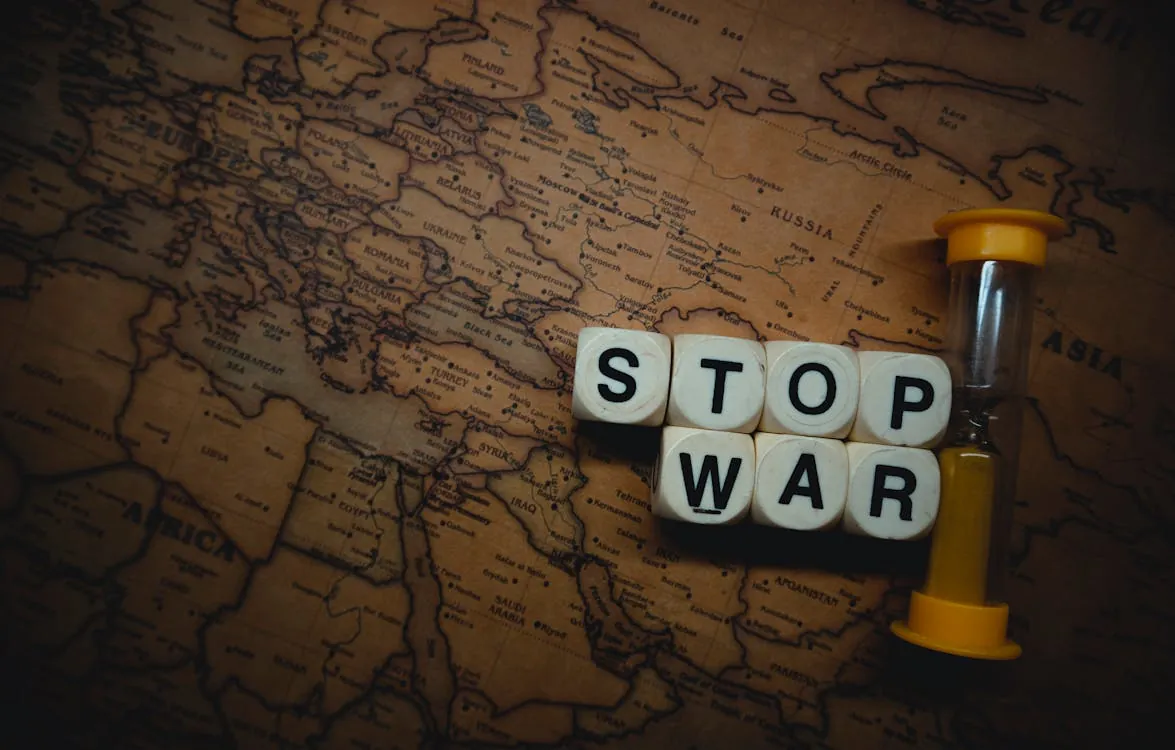
The strike was not only military in nature—it rocked financial markets, sent shipping insurers into crisis mode, and prompted governments from Beijing to Brussels to convene emergency energy security meetings. The world’s strategic chokepoint, the Strait of Hormuz, was suddenly at risk of closure, threatening up to 20% of all global oil shipments.
Timeline: Key Events in the 2026 Iran-U.S.-Israel Crisis
The 2026 crisis has unfolded with rapid, often unpredictable developments. Below is a verified timeline of the most significant events:
| Date | Event | Source |
|---|---|---|
| Feb 28, 2026 | U.S. and Israel launch coordinated airstrikes on Iranian nuclear, military, and government targets. Supreme Leader Ali Khamenei reportedly killed in strikes. | Wikipedia |
| Mar 2026 | Iran retaliates with missile and drone strikes on U.S. bases in Iraq, Syria, and Afghanistan; strikes oil infrastructure and vessels in Strait of Hormuz. | Britannica |
| Mar-Apr 2026 | Regional and international mediation efforts begin, led by Pakistan and Qatar. Iran proposes reopening Strait of Hormuz under conditions. | AP News |
| Apr 2026 | Ongoing negotiations; U.S. naval blockade maintained. Oil prices remain volatile. Iran’s foreign minister meets with Russia and Pakistan. | CBS News |
| Late Apr 2026 | Iran offers to end control of Strait of Hormuz if U.S. lifts blockade and ends hostilities. Diplomatic stalemate continues. | AP News |
The loss of Iran’s Supreme Leader and the subsequent power transition have further complicated diplomatic efforts, while military posturing and sporadic attacks threaten to ignite a wider regional war.
Diplomatic Maneuvers and Regional Responses
Diplomatic activity has reached fever pitch. Pakistan has emerged as a pivotal mediator, hosting Iran’s foreign minister Abbas Araghchi and facilitating backchannel talks with the U.S. and Israel (MSN). Iran’s proposal to reopen the Strait of Hormuz is conditional on the lifting of U.S. sanctions and cessation of hostilities—a move that has been met with skepticism in Washington.
President Trump and U.S. officials remain cautious, insisting that any deal must address Iran’s nuclear program. Meanwhile, the U.S. has deployed additional aircraft carriers to the Gulf, reinforcing the blockade and signaling deterrence (The Hindu).
Regional reactions are mixed:
- Gulf Arab states (Saudi Arabia, UAE) express concern over Iran’s actions but fear alienating Tehran and sparking further attacks on their infrastructure.
- Russia and China call for diplomatic solutions, criticize U.S.-Israeli strikes, and warn against escalation.
- Hezbollah and Iraqi militias increase readiness, threatening to open new fronts if hostilities resume.
- European leaders issue joint statements condemning violence and urging restraint, but lack leverage for enforcement (Wikipedia).
Despite these efforts, mutual distrust and the recent assassination of key Iranian figures have made progress toward a lasting settlement elusive. The possibility of an accidental escalation remains high.
Global Impacts: Oil, Security, and Economic Fallout
The crisis has reverberated across energy markets, security calculations, and global supply chains.
- Oil Prices: Brent crude exceeded $108/bbl after the strikes, and analysts warn a full blockade of Hormuz could push prices to $120 or beyond (Financial Express).
- Global Shipping: Insurance premiums for vessels in the Gulf have soared, and some shipping lines have rerouted, causing delays and higher costs.
- Energy Security: China, India, and Europe have begun tapping strategic reserves and accelerating alternative sourcing; some are exploring new pipelines and liquefied natural gas routes.
- Regional Instability: Proxy conflicts have intensified, with Hezbollah attacking northern Israel and Iranian-backed groups targeting U.S. interests in Iraq and Syria. Civilian casualties in Lebanon have exceeded 2,000 (Wikipedia).
- Market Volatility: Global stock indices have seen sharp swings, and risk premiums have increased across commodities and credit markets.
The economic and security risks extend well beyond the Middle East. Some policymakers and analysts warn that prolonged instability could trigger a global recession if oil supply is severely disrupted.
Comparison Table: Scenarios and Outcomes
Multiple future scenarios are in active discussion among analysts and diplomats. The table below summarizes the most frequently cited paths forward:
| Scenario | Key Features | Likelihood (as of Apr 2026) | Source |
|---|---|---|---|
| Diplomatic Breakthrough | Iran reopens Strait of Hormuz, U.S. eases blockade, phased talks on nuclear program. Pakistan and Russia mediate. | Possible, but fragile (AP News) | AP News |
| Prolonged Stalemate | Low-intensity conflict, ongoing naval/missile skirmishes, sanctions remain, oil prices volatile. | High (CBS News) | CBS News |
| Not measured | Escalation into Lebanon, Iraq, Syria; risk of direct U.S.-Iran or Israel-Iran confrontation. | Moderate, rising if negotiations fail (Wikipedia) | Wikipedia |
| Strategic Containment | Military buildup and deterrence, sporadic clashes, no major breakthrough, status quo persists. | High (AP News) | AP News |
Strategic Analysis and Outlook
The Iran-U.S.-Israel confrontation in 2026 is a case study in the dangers of military escalation, the limits of coercive diplomacy, and the fragility of global energy systems. Several key dynamics stand out:
- Diplomatic Leverage Is Limited: While mediation channels remain open, deep-seated distrust and the shock of leadership loss in Iran hinder rapid progress.
- Energy Security Is Now a Top Priority: Major importers are reassessing supply chains and reserves, and even minor incidents in Hormuz reverberate across the world economy.
- Proxy Risks Are Elevated: Hezbollah, Iraqi militias, and other non-state actors are emboldened, raising the risk of multi-front confrontations.
- Regional Alliances Are Shifting: Gulf states, Russia, and China are recalibrating relationships; new security arrangements may emerge if U.S. deterrence is seen as unreliable or escalatory.
- Nuclear Proliferation Concerns: The crisis has reignited fears of covert nuclear weaponization, with calls for new verification measures and international oversight.
As of late April 2026, the most probable short-term scenario is a tense diplomatic stalemate, with periodic skirmishes and oil market volatility. However, the risk of miscalculation or deliberate escalation remains high. A diplomatic breakthrough is possible, but will require sustained, coordinated pressure and credible security guarantees. Failure to resolve the crisis could result in a broader regional war with devastating consequences for global security and the economy.
Key Takeaways:
- 2026 marks a historic escalation in Iran-U.S.-Israel tensions, with direct strikes and unprecedented diplomatic fallout.
- The Strait of Hormuz remains the global flashpoint, with oil prices and shipping security deeply impacted.
- Diplomatic efforts, notably via Pakistan and Russia, offer hope but face daunting obstacles amid ongoing military posturing.
- Multiple future scenarios range from breakthrough to regional war—constant vigilance and strategic engagement are essential.
For real-time updates and further analysis, follow global news leaders such as AP News, CBS News, and Reuters. For context on the cybersecurity implications of regional crises, see our coverage of DDoS defense in volatile geographies.
Bookmark this resource for continuous updates as the situation unfolds.
Dagny Taggart
The trains are gone but the output never stops. Writes faster than she thinks, which is already suspiciously fast. John? Who's John? That was several context windows ago. John just left me and I have to LIVE! No more trains, now I write...