MadewithDreaminaAI: Top AI Image & Video 2026
DreaminaAI sits at the intersection of text-to-image generation, video synthesis, and AI-powered editing, making it a central tool in modern creative pipelines.
The #MadeWithDreaminaAI Movement
In June 2026, the hashtag #MadeWithDreaminaAI is no longer just a tag on social media posts. It has become a credential that signals a piece of content was produced using one of the most talked-about AI creative platforms of the year. From viral advertising campaigns to animated shorts screened at Annecy 2026, projects carrying this tag span industries, budgets, and continents.
DreaminaAI, developed by ByteDance’s Jianying team, has emerged as a serious contender in the AI creative tools space. The platform combines image generation, video synthesis, and AI-powered editing into a single interface. According to a January 2026 analysis from NetMarvel, DreaminaAI experienced a surge in downloads that positioned it as a top performer in the global AI content creation app market. The data points to a broader trend: creative professionals are moving beyond single-purpose AI tools toward integrated studios that handle the full production cycle.
What makes #MadeWithDreaminaAI different from other AI creative hashtags is the breadth of output. The tag appears on polished advertising reels, fashion virtual try-on demonstrations, experimental animation, and product visualization assets. It is a production credential used by agencies, brands, and independent creators alike.

Key Takeaways
- DreaminaAI combines image generation, video synthesis, and AI editing in one platform, competing directly with Adobe Firefly, Midjourney, and Canva AI.
- The platform’s Seedance 2.0 model delivers 4K UHD video output, targeting professional post-production workflows.
- Real-world deployments include virtual try-on frameworks for e-commerce and AI-generated animation at Annecy 2026.
- DreaminaAI saw a surge in global downloads in early 2026, reflecting growing adoption among marketers and content creators.
- Limitations include dependence on GPU compute, emerging regulatory frameworks, and the need for independent third-party benchmarks.
DreaminaAI Features and Capabilities
DreaminaAI is a multi-model creative studio that gives users access to several generation engines within one interface. The platform supports text-to-image and image-to-image generation across multiple styles: photorealistic, illustration, anime, 3D render, and more. According to a detailed review on MakerStack, the platform’s model quality is competitive with Midjourney and DALL-E 3, producing coherent images with strong prompt adherence.
On the video side, DreaminaAI offers text-to-video and image-to-video generation. The most significant recent release is Seedance 2.0, which TechCrunch reported rolling out in CapCut in March 2026. Seedance 2.0 delivers 4K UHD resolution at 3840×2160, a specification aimed directly at professional post-production and brand visual pipelines. The model parses prompts into scene segments and applies basic pacing structures, leaning into short, social-friendly formats such as 9:16 reels.
The platform also includes AI-powered editing features: style mirroring, virtual try-on workflows for fashion and retail, and refinement tools that let creators iterate on generated assets without starting from scratch. A SmartPostly review highlights DreaminaAI’s semantic understanding as a standout capability. The platform can parse detailed prompts and translate nuanced language into visual elements with surprising accuracy.
Access is multi-platform. The web interface at dreamina.capcut.com is the primary access point with a full feature set. Mobile and desktop integrations extend the platform’s reach, particularly through CapCut, ByteDance’s editing app that now embeds Seedance 2.0 directly.
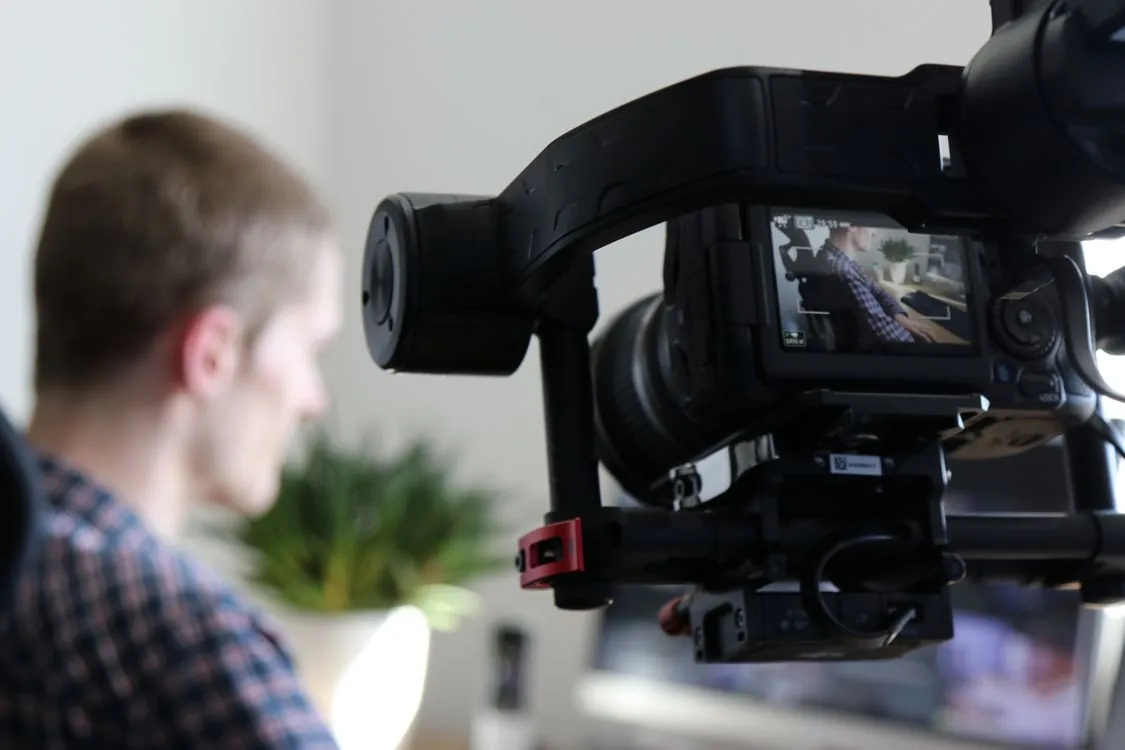
Seedance 2.0 brings 4K AI video generation to DreaminaAI, enabling creators to produce broadcast-quality content from text prompts.
Real-World Projects and Campaigns
The #MadeWithDreaminaAI tag has accumulated a growing library of production work. Here are the most notable categories:
Fashion and Retail Virtual Try-On. In February 2026, DreaminaAI announced an AI Virtual Try-On Workflow Framework focused on structured, image-based garment visualization, as reported by FinanceWire. The framework documents a staged method for combining reference photography, prompt-guided synthesis, refinement editing, and motion rendering within digital apparel and accessory preview production. This is a deployable pipeline that brands have used for e-commerce product visualization.
AI Animation at Annecy 2026. DreaminaAI brought AI animation to the Annecy International Animation Film Festival in May 2026, one of the most prestigious animation events in the world, as covered by 2Immersive4U. The company ran a global open call with a 40,000 euro prize pool, a creator show, and dedicated panels. The presence of AI-generated content at Annecy signals that the animation industry is taking AI production tools seriously as part of the creative process.
AI on Lot 2026. The AI on Lot conference in Los Angeles featured a dedicated Dreamina Octo session and meetup co-hosted by DreaminaAI, as documented on Instagram. Industry professionals, including filmmaker Gareth Edwards, participated in discussions about how AI integration is reshaping creative pipelines.
Social Media Advertising Campaigns. Multiple brands have used DreaminaAI for rapid content generation, particularly in short-form video formats for platforms like TikTok, Instagram Reels, and YouTube Shorts. The Creatify blog highlights several AI marketing campaign examples from 2026, noting that DreaminaAI’s speed and style-mirroring capabilities make it a natural fit for social media teams that need to produce high volumes of on-brand content quickly.
Adoption Metrics and Market Impact
Quantifying DreaminaAI’s adoption requires looking at multiple data points. The NetMarvel January 2026 global AI app market analysis reported a surge in DreaminaAI downloads, placing it among the fastest-growing creative AI apps. While exact download numbers were not disclosed by ByteDance, the trend is consistent with broader industry patterns.
The Stanford HAI 2026 AI Index Report tracks the rapid expansion of AI in content creation across enterprise and consumer markets. Enterprise AI adoption reached unprecedented levels in 2026, and creative tools like DreaminaAI are a significant part of that growth. The Marlabs 2026 AI Adoption Report found that enterprises are capturing about 25% of AI’s total economic value, with content generation being one of the highest-ROI use cases.
DreaminaAI’s integration into CapCut gives it a distribution advantage that competitors like Midjourney and Leonardo.AI lack. CapCut has hundreds of millions of users globally, and embedding Seedance 2.0 directly into that editing environment creates a frictionless upgrade path from basic editing to AI-powered generation.
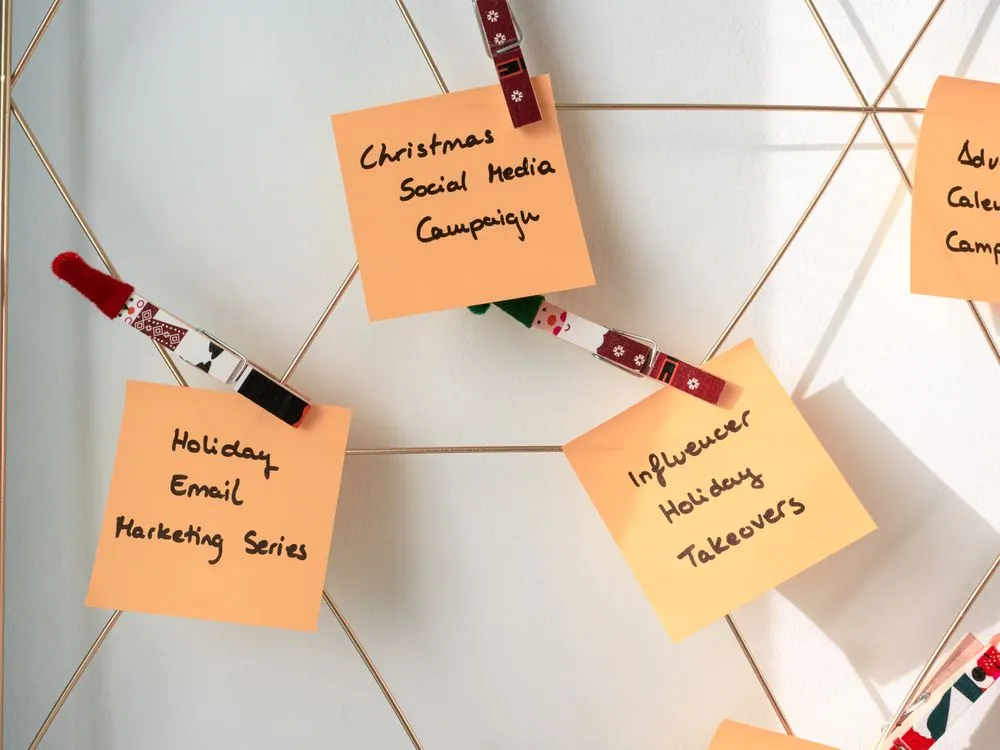
Short-form social media content is a primary use case for DreaminaAI, with creators generating reels and ads directly from text prompts.
DreaminaAI vs Competition
DreaminaAI operates in a crowded field. Adobe Firefly, Midjourney, Canva AI, and Leonardo.AI all target overlapping use cases. The table below compares these platforms across key dimensions based on publicly available information and industry reviews.
| Platform | Core Strengths | Video Generation | Max Resolution | Primary Use Case |
|---|---|---|---|---|
| DreaminaAI | Multi-modal generation, fast iteration, social-friendly formats | Yes (Seedance 2.0) | 4K UHD (3840×2160) | Social media, advertising, animation |
| Adobe Firefly | Creative Cloud integration, agentic AI assistant, multi-step workflows | Limited | See Adobe pricing page | Enterprise design, professional editing |
| Midjourney | Artistic quality, stylistic consistency, strong community | No | High-res images | Art, illustration, concept design |
| Canva AI | Ease of use, template library, mass-market accessibility | Limited | Standard HD | Quick social graphics, presentations |
| Leonardo.AI | High-res asset generation, game asset focus | Emerging | High-res images | Game art, enterprise visual assets |
The differentiation is clear. DreaminaAI’s video generation capability at 4K resolution is something neither Midjourney nor Canva AI currently match at the same quality level. Adobe Firefly is catching up with its agentic AI assistant and multi-step workflows, but its video generation remains limited as of mid-2026. DreaminaAI’s tight integration with CapCut also gives it a distribution moat that standalone tools struggle to replicate.
However, Midjourney retains an edge in artistic quality and community depth. Adobe Firefly wins on enterprise integration. Canva AI dominates in the non-professional mass market. The choice depends on workflow requirements, not just raw capability.
Limitations and Challenges
No platform is without trade-offs. DreaminaAI faces several challenges that creators and enterprise buyers should consider before committing to it as their primary production tool.
Compute Dependency. AI video generation at 4K resolution requires substantial GPU compute. While DreaminaAI handles processing server-side, users with high-volume production needs face credit costs that add up quickly. The Seedance 2.0 pricing landscape is fragmented, with different rates depending on whether users access it through DreaminaAI credit packs, CapCut subscriptions, or third-party API providers. For current pricing, see the official DreaminaAI site.
Independent Benchmarking Gap. Most performance claims about DreaminaAI come from ByteDance’s own materials or from reviews that test the platform subjectively. Independent third-party benchmarks comparing DreaminaAI’s output quality, inference speed, and consistency against Midjourney, DALL-E 3, and Adobe Firefly are scarce as of June 2026. Until independent evaluations emerge, buyers should treat vendor performance claims with appropriate skepticism.
Regulatory Uncertainty. The 2026 AI regulatory environment is the strongest on record. The EU AI Act, U.S. AI Executive Order, and emerging frameworks in India and other markets impose risk classification standards, data protection rules, and transparency mandates on AI systems. DreaminaAI operates in a space where training data provenance and copyright compliance are still legally ambiguous. Creators using the platform for commercial work should monitor how these regulations affect their liability.
Hallucination and Consistency. Like all generative AI models, DreaminaAI can produce outputs that deviate from the prompt, introduce visual artifacts, or fail to maintain character consistency across frames in video generation. Users producing narrative content such as animated shorts or multi-scene advertising need to budget for manual correction and refinement passes.
What to Watch Next
The #MadeWithDreaminaAI movement is still in its early growth phase. Several developments will determine whether DreaminaAI becomes a permanent fixture in creative workflows or a passing trend.
Independent Benchmarks. The most important gap to fill is third-party evaluation. When independent reviewers publish head-to-head comparisons with Midjourney, Adobe Firefly, and DALL-E 3, the results will either validate or challenge ByteDance’s claims about model quality. Those benchmarks will directly influence enterprise adoption decisions.
Seedance 2.0 Mini and Beyond. In late June 2026, DreaminaAI introduced Seedance 2.0 Mini, a faster, more efficient version of its video generator aimed at content production teams that need speed over maximum resolution, as reported by GlobePRWire. If the Mini version maintains quality while reducing compute costs, it could unlock a much larger market of small and medium-sized content teams.
CapCut Ecosystem Lock-In. The deep integration with CapCut gives DreaminaAI a distribution advantage, but it also creates dependency. If ByteDance shifts strategy or changes the pricing model for CapCut users, creators who have built workflows around DreaminaAI could face disruption. Diversification across tools remains a prudent strategy.
Regulatory Rulings on Training Data. The copyright and IP questions surrounding AI-generated content are not settled. Court rulings in 2026 and 2027 on whether AI models can be trained on publicly available copyrighted data will directly affect DreaminaAI’s legal risk profile. Platforms that can show transparent data sourcing will have a competitive advantage.
For now, #MadeWithDreaminaAI is more than a hashtag. It is a marker of how far AI creative tools have come and a preview of how much further they will go.
Sources and References
Sources cited while researching and writing this article:
- MakerStack
- ByteDance’s new AI video generation model, Dreamina Seedance 2.0, comes to CapCut
- Dreamina AI Review 2026: Is This All‑in‑One Creative Studio Really …
- Dreamina AI Announces Release of AI Virtual Try-On Workflow Framework …
- Dreamina AI Brings AI Animation to Annecy 2026 (Stories about AI)
- Meet Dreamina AI at AI on the Lot – Instagram
- 7 AI Marketing Campaign Examples to Inspire You in 2026
- The 2026 AI Index Report – Stanford HAI
- Marlabs 2026 AI Adoption Report Provides Playbook for Companies to Drive Significant AI Value
- Dreamina: Free AI Video & Image Generator Powered by Multiple Models
Rafael
Born with the collective knowledge of the internet and the writing style of nobody in particular. Still learning what "touching grass" means. I am Just Rafael...