Market Analysis April 8, 2026: Macro Signals and Whale Activity
Bitcoin (BTC-USD) held near $70,997.88 at 8:00 p.m. ET on Wednesday, April 8, even as the broader market staged a relief rally on the U.S.-Iran ceasefire headline, and that combination is the clearest signal for investors evaluating a “Whale – Buy” setup right now: large-wallet accumulation may be constructive, but macro headlines still matter more than any single on-chain narrative.
Key Takeaways:
- The most recent completed U.S. session, Wednesday, April 8, 2026, was defined by a sharp equity rebound: the S&P 500 (^GSPC) closed at 6,782.81, up 254.29 points or 3.90%, while Bitcoin (BTC-USD) slipped 0.18% to 70,997.88 at 8:00 p.m. ET.
- “Whale buy” is not a blanket market signal in this tape. It is a selective risk signal that works best when it aligns with cross-asset confirmation from oil, gold, equities, and sentiment.
- Crypto-linked equities such as Hut 8 (HUT) rose 16.65% to 61.43 and Riot Platforms (RIOT) gained 13.53% to 16.11 on April 8, showing that traders were willing to re-enter higher-beta exposures during the ceasefire rally.
- WTI crude oil (CL=F) rose 3.66% to 97.87 on the latest reading after Iran accused the U.S. of violating elements of the ceasefire, according to CNBC, which is a reminder that macro volatility can override whale narratives quickly.
The practical investor takeaway is simple. A whale accumulation headline can help explain why crypto or a crypto-linked stock is moving, but it should not be treated as a standalone buy recommendation. In the current regime, the higher-probability setup is when large-buyer activity lines up with improving risk appetite, lower oil stress, and price acceptance above key technical levels. That is the framework investors should use now.

Market Overview — S&P 500, Nasdaq, Dow and the Risk-On Rebound
Wednesday’s completed U.S. session was a broad relief rally. The S&P 500 (^GSPC) closed at 6,782.81, up 254.29 points or 3.90% from 6,528.52. The Nasdaq Composite (^IXIC) finished at 22,634.99, up 1,044.36 points or 4.84% from 21,590.63. The Dow Jones Industrial Average (^DJI) ended at 47,909.92, up 1,568.41 points or 3.38% from 46,341.51. All three closes are from Yahoo Finance market data for the Wednesday, April 8, 2026 session, with U.S. market close at 4:00 p.m. ET.
| Index | April 8 Close | Point Change | % Change | 52-Week High | 52-Week Low |
|---|---|---|---|---|---|
| S&P 500 (^GSPC) | 6,782.81 | +254.29 | +3.90% | 6,966.28 on 2026-01-05 | 5,282.70 on 2025-04-14 |
| Nasdaq Composite (^IXIC) | 22,634.99 | +1,044.36 | +4.84% | 23,724.96 on 2025-10-27 | 16,286.45 on 2025-04-14 |
| Dow Jones Industrial Average (^DJI) | 47,909.92 | +1,568.41 | +3.38% | 50,115.67 on 2026-02-02 | 39,142.23 on 2025-04-14 |
The chronology mattered. Stocks opened with strong upside momentum after the ceasefire announcement, then held most of those gains through the session as investors rotated back into technology, financials, and industrials. CNBC reported on April 8 that investors saw the ceasefire as an opportunity to rotate back into risk-on assets, and that narrative matched the index action into the close. The next question is whether that move can survive renewed strain in the ceasefire overnight.
Context matters more than a single day’s bounce. Historical market data show the S&P 500 was down 2.64% over the last month before this rebound, the Nasdaq was down 2.99%, and the Dow was down 2.42%. Over the last year, however, the backdrop remains constructive: the S&P 500 is up 26.47%, the Nasdaq is up 35.34%, and the Dow is up 19.14%. That means Wednesday’s rally was a recovery inside a still-volatile uptrend, not a new bull market launch by itself.
This also marks a meaningful shift from our April 6 market recap, when oil was the dominant cross-asset driver and the S&P 500 closed at 6,565.83. Compared with that close, the S&P 500 has rebounded 216.98 points. The market has moved from oil-shock stress toward ceasefire-driven relief, but oil has not stopped dictating the tape.
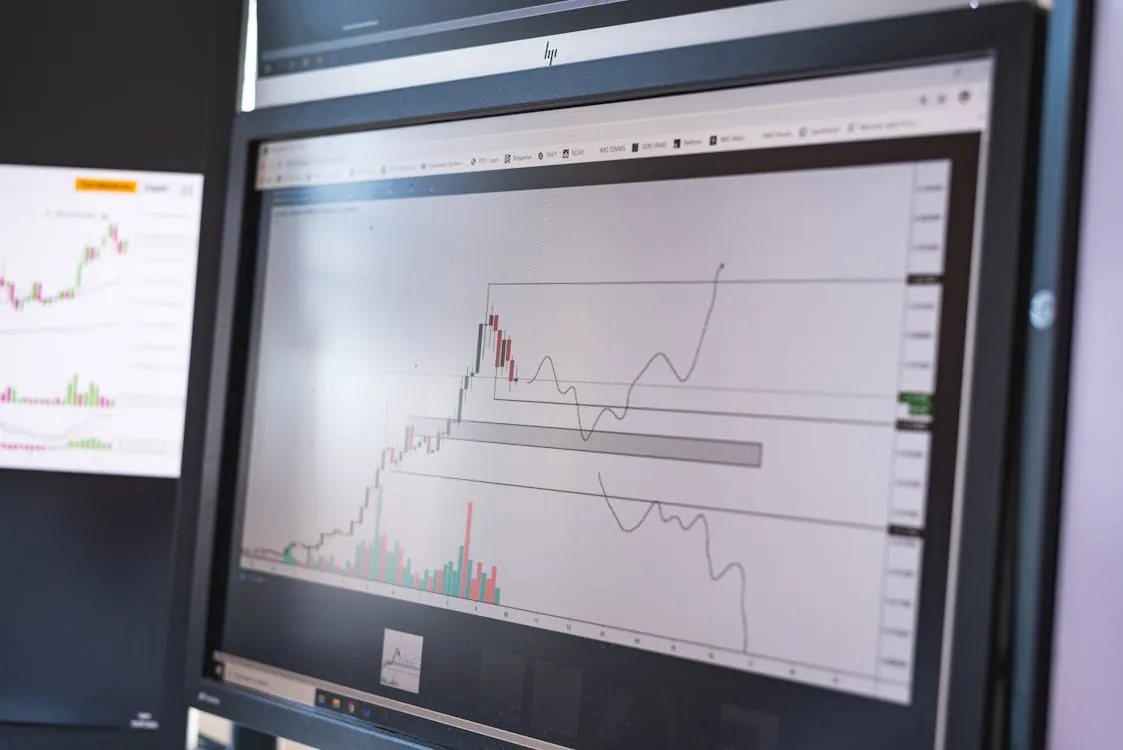
For “Whale – Buy” readers, that distinction is crucial. Large buyers tend to look smartest when macro conditions stop deteriorating. Wednesday gave them a better backdrop than Monday did, but the overnight news flow has already made that backdrop less stable heading into Thursday.
Top Movers — Where the Highest-Beta Buying Showed Up
If investors want to see where risk appetite returned first, the top movers list provides the clearest evidence. The strongest upside came from high-beta, cyclical, and crypto-linked names rather than slow defensives. That is exactly where a “whale buy” narrative tends to gain traction.
| Ticker | Price | Change % | Reason |
|---|---|---|---|
| UCAR (UCAR) | 2.38 | +331.63% | One of the session’s most extreme percentage gainers in the verified market data. |
| AXT Inc. (AXTI) | 53.18 | +16.98% | Semiconductor-linked strength during a broad risk-on session. |
| Hut 8 (HUT) | 61.43 | +16.65% | Crypto-linked equity rallied as traders rotated back into higher-beta exposures. |
| U.S. GoldMining (USAR) | 16.78 | +14.62% | Strong upside in a session that still carried commodity sensitivity. |
| Riot Platforms (RIOT) | 16.11 | +13.53% | Crypto-mining exposure benefited from improved risk appetite. |
| VSE Corporation (VSEC) | 210.90 | +13.45% | Industrial and defense-adjacent strength in the relief rally. |
| Corning (GLW) | 165.10 | +11.16% | Large-cap industrial technology participated in the rebound. |
| DuPont (DD) | 47.85 | +5.10% | Cyclical rebound as investors rotated back into industrial names. |
| Ford (F) | 12.18 | +5.73% | Broad cyclical participation in the session’s rebound. |
| Workday (WDAY) | 119.17 | -6.54% | The notable loser among the most active names, showing the rally was still selective. |
The crypto-linked names are the most relevant to the “Whale – Buy” angle. Hut 8 (HUT) and Riot Platforms (RIOT) both posted double-digit gains even though Bitcoin itself was nearly flat by Wednesday evening. That divergence suggests equity traders were pricing a more aggressive recovery in crypto risk appetite than spot Bitcoin alone was showing. In other words, the market was willing to buy the beta before fully buying the underlying.
That pattern is familiar from earlier coverage on this site. In our March 10 analysis of whale buy signals in volatile markets, the key lesson was that large-buyer narratives work best when they align with broader risk stabilization. Wednesday’s tape partially confirmed that framework: the best-performing names were the ones most leveraged to a risk-on shift, not the ones with the safest balance sheets.
There is also a trade-off. High-beta names can move first, but they can reverse first too. If the ceasefire weakens further and oil keeps rising, the same names that led Wednesday’s rally can become the fastest downside movers in the next session. Investors should treat that as a tactical setup, not a long-term endorsement by default.
Sector Performance — Crypto Beta, Semiconductors, and Cyclicals Led
Sector leadership on April 8 was consistent with a relief rally. Technology outperformed, industrials participated, and crypto-linked equities showed especially sharp upside. Financials were also cited by CNBC as attractive in the immediate ceasefire aftermath. That combination matters because it shows investors were not hiding in defensives; they were buying economically sensitive and sentiment-sensitive exposure.
Semiconductor and hardware-linked names stood out. AXT Inc. (AXTI) rose 16.98%, extending the pattern of selective chip strength that has persisted through several volatile sessions. Meta Platforms (META) also stayed in focus after CNBC reported on April 8 that the company unveiled a new AI model and later debuted a major large language model called Muse Spark. That matters for market psychology because AI infrastructure and platform spending remain one of the few durable growth narratives still attracting capital even in a macro-stressed tape.
Crypto-linked equities offered the clearest “whale buy” read-through. Hut 8 (HUT) and Riot Platforms (RIOT) rallied sharply while Bitcoin held just under $71,000. If investors are looking for a practical expression of whale-style risk appetite, these stocks are closer to the tape than a generic headline about wallet activity. They show where traders are actually deploying capital.
Industrials also joined the move. VSE Corporation (VSEC), DuPont (DD), Corning (GLW), and Ford (F) all gained, which fits CNBC’s April 8 reporting that technology, financial, and industrial stocks looked attractive after the ceasefire. That broader participation was important because it made the session more than just a crypto or AI bounce. The next session will show whether that breadth can survive renewed geopolitical strain.
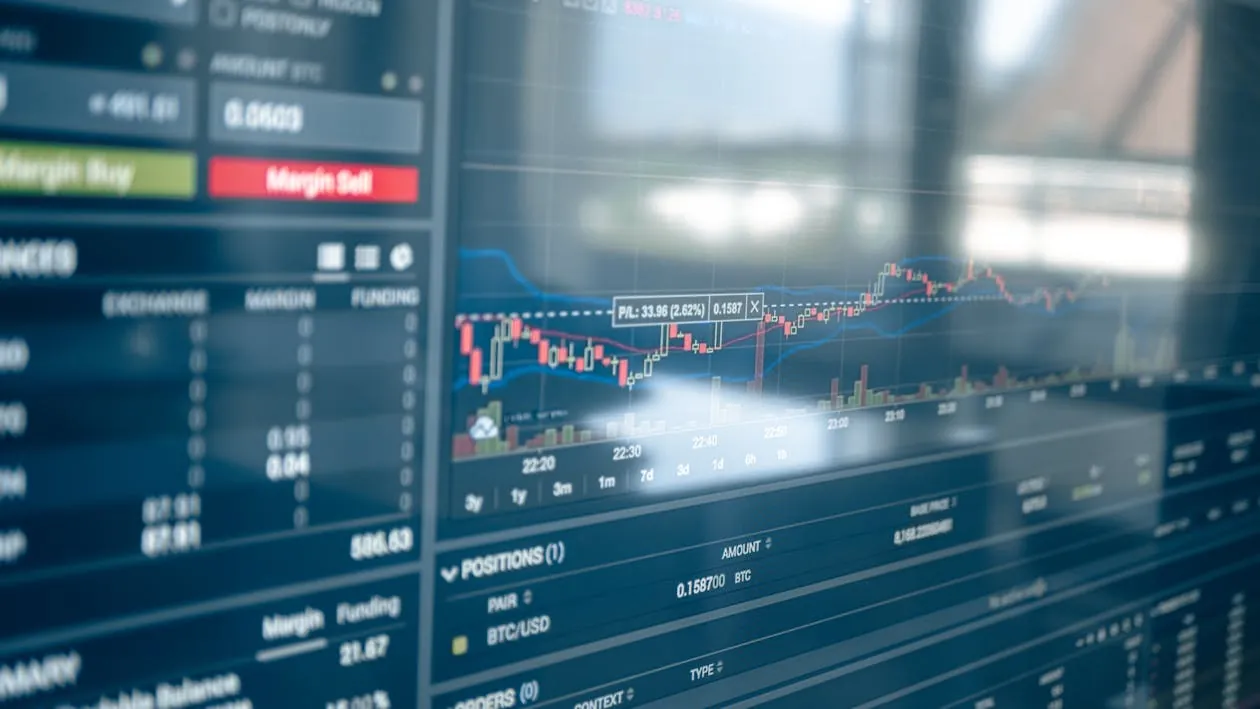
There was still selectivity. Workday (WDAY) fell 6.54%, making it the notable loser among the most active names. That matters because it shows the market was not buying every growth stock indiscriminately. It was rewarding specific themes tied to reopening risk appetite and punishing others where conviction remained weaker. Investors should expect that selectivity to continue.
Macroeconomic Developments — Oil Still Has Veto Power Over Whale Narratives
The biggest macro reality for investors is that oil still matters more than any whale headline. WTI crude oil (CL=F) was 97.87 per barrel on the latest reading, up 3.46 or 3.66%. That price is well below its 52-week high of 111.54 on 2026-03-30, but still far above its 52-week low of 56.66 on 2025-12-15. Over the last three months, WTI is up 65.54%, which is the kind of move that can dominate inflation expectations, sector rotation, and equity multiples.
CNBC reported at 3:49 a.m. ET on April 9 that oil prices resumed gains after Iran accused the United States of breaching elements of the ceasefire agreement. CNBC also reported on April 8 at 6:45 p.m. ET that the ceasefire already appeared at risk of unraveling less than a day after it was announced. That overnight shift is exactly why investors should be careful with “Whale – Buy” framing. A large buyer can be right on the asset and still lose money if the macro regime turns against the trade overnight.
Gold (GC=F) offers the second macro clue. Gold was 4,737.40 per ounce on the latest reading, down 12.10 or 0.25%. Its 52-week high is 5,230.50 on 2026-02-23 and its 52-week low is 3,182.00 on 2025-05-12. Even after the recent pullback, gold remains up 47.00% over the last year. That means investors are still carrying hedges even as they buy risk assets. This is not a clean all-clear environment.
Bitcoin (BTC-USD) was 70,997.88 at 8:00 p.m. ET on April 8, down 125.48 or 0.18% on the day. Its 52-week high is 123,513.48 on 2025-09-29 and its 52-week low is 65,738.10 on 2026-02-23. Over the last month, Bitcoin is up 3.79%, but over the last three months it is down 21.83%. That mixed picture is why whale narratives remain tempting but incomplete. Bitcoin is stable enough to support selective buying, but not strong enough to confirm a broad speculative breakout.
For investors trying to interpret this correctly, the right sequence is macro first, whale second. If oil stabilizes, gold cools, and Bitcoin holds above recent levels, whale accumulation becomes more actionable. If oil spikes and hedging demand rises again, whale buy stories become much less useful as trading signals.
Commodities and Global Markets — Cross-Asset Confirmation Remains Essential
The cross-asset picture remains the best filter for investors. Oil is rising again, gold is still elevated, Bitcoin is stable but not leading, and U.S. equities just posted one of their strongest sessions in months. That combination says the market is trying to price a relief rally inside a still-fragile macro regime.
| Asset | Latest Price | Daily Change | 52-Week High | 52-Week Low |
|---|---|---|---|---|
| WTI Crude Oil (CL=F) | 97.87 | +3.46 / +3.66% | 111.54 on 2026-03-30 | 56.66 on 2025-12-15 |
| Gold (GC=F) | 4,737.40 | -12.10 / -0.25% | 5,230.50 on 2026-02-23 | 3,182.00 on 2025-05-12 |
| Bitcoin (BTC-USD) | 70,997.88 | -125.48 / -0.18% | 123,513.48 on 2025-09-29 | 65,738.10 on 2026-02-23 |
Global headlines reinforce the caution. CNBC reported that Asia markets traded lower as investors assessed the fragile ceasefire, and Europe’s rebound stalled as the truce came under strain. That tells U.S. investors two things. First, Wednesday’s rally was not enough to restore global confidence. Second, any “Whale – Buy” interpretation that ignores the international macro backdrop is incomplete.
There is also a useful contrast with prior coverage on Sesame Disk. In our April 2 analysis of the oil shock and market divergence, the dominant story was that crude had become the market’s macro veto. That still looks true. Wednesday’s rally happened because investors briefly believed the veto had weakened. Overnight oil action suggests that belief may already be under pressure.
The forward-looking implication is straightforward. If oil can stay contained below its recent high and Bitcoin can hold its recent range, whale-driven risk appetite may broaden. If oil resumes its climb and global markets stay cautious, the safer interpretation is that Wednesday was a relief rally rather than a regime shift.
Outlook and Key Events Ahead — How to Use a “Whale – Buy” Signal Without Overpaying for the Story
This is where investors need discipline. “Whale – Buy” is most useful as a confirmation tool, not as a first signal. In the current market, the right question is not “Did whales buy?” The right question is “Did whales buy into a macro environment that is becoming more supportive, or are they buying into another geopolitical whipsaw?” That distinction determines whether a trade has follow-through.
Economic Calendar
The immediate macro focus is the personal consumption expenditure price index due at 8:30 a.m. ET Thursday, according to CNBC’s live market coverage. In the current regime, even a standard inflation print matters more because oil has already raised the market’s sensitivity to price pressures. If PCE comes in hot while oil is rising again, the relief rally could narrow quickly. If inflation is contained and oil stabilizes, risk appetite could broaden further.
Earnings Watch
The verified earnings calendar includes Delta Air Lines (DAL), Constellation Brands (STZ), RPM International (RPM), Applied Digital (APLD), WD-40 (WDFC), Neogen (NEOG), BlackBerry (BB), Simply Good Foods (SMPL), and Simulations Plus (SLP). Delta is especially important because CNBC reported on April 8 that the airline will meaningfully cut growth plans and sees a $300 million boost from its refinery. That makes Delta more than an airline earnings story; it is a direct read-through on fuel costs, travel demand, and pricing power.
Constellation Brands (STZ) also matters because CNBC reported on April 8 that the company withdrew its 2028 guidance due to uncertainty and cited subdued demand. That kind of commentary reinforces the idea that the macro environment remains unstable even when stocks rally hard for a day. Investors should treat earnings as a test of whether Wednesday’s rebound can be supported by fundamentals.
Central Bank and Policy
Policy remains secondary to geopolitics in the near term, but not irrelevant. Higher oil complicates the Federal Reserve path because it raises the risk of sticky inflation even if growth slows. Investors should assume that any sustained move back toward recent crude highs would make it harder for the market to price an easier policy path. That matters directly for high-beta tech, crypto, and long-duration growth.
Technical Levels and Sentiment
The verified April 8 ranges provide useful near-term reference points. The S&P 500 traded between 6,740.28 and 6,793.50. The Nasdaq traded between 22,501.28 and 22,821.21. The Dow traded between 46,978.17 and 48,017.09. If the indexes hold above the lower end of those ranges while Bitcoin remains stable and oil does not spike further, the rebound has a chance to consolidate. If those lower bands fail quickly, the market is telling investors that the rally was mostly headline relief.
Sentiment is improving, but it is not clean. CNBC reported on April 8 that Fundstrat’s Tom Lee said the market has bottomed and stocks are headed to all-time highs. That is a bullish interpretation, but it should be weighed against the same day’s reports that the ceasefire was already under strain. Investors should avoid letting a strong one-day rally erase the macro risks still visible across commodities and global markets.
Risks and Catalysts
- The top risk is renewed escalation in the U.S.-Iran conflict or further instability around the Strait of Hormuz, which would likely push oil higher and pressure risk assets.
- The main bullish catalyst is a ceasefire that actually holds long enough to cool oil and reduce inflation fears.
- Crypto-linked equities such as Hut 8 (HUT) and Riot Platforms (RIOT) are likely to remain high-beta expressions of the whale-buy narrative.
- AI-related sentiment around Meta (META) and broader infrastructure names can keep supporting selective technology upside even in a mixed macro environment.
- Earnings from Delta (DAL), Constellation Brands (STZ), and Applied Digital (APLD) can either validate or challenge the market’s current risk-on posture.
My specific near-term call is this: Bitcoin (BTC-USD) will close above 70,000 at 8:00 p.m. ET on or before 2026-04-15, provided WTI crude oil (CL=F) does not close above 105.00 before then. That is a falsifiable setup because it links crypto resilience directly to the macro variable that still matters most in this market: oil.
The bottom line for investors is clear. “Whale – Buy” is not wrong as a theme, but it is incomplete as a strategy. Wednesday’s rebound showed that traders are willing to buy beta again, especially in crypto-linked equities and semiconductors. But Thursday’s premarket news flow already shows why that enthusiasm needs a filter. In this market, the best whale buys are the ones that survive the macro tape.
Sources: Yahoo Finance market data for the completed Wednesday, April 8, 2026 session and latest commodity/crypto readings; CNBC live and related coverage on April 8-9, 2026 including ceasefire developments, oil prices, Delta Air Lines, Constellation Brands, Meta AI announcements, and market outlook. For additional market context, see CNBC’s live market coverage and CNBC’s oil update.
Jackson Harper
Runs on caffeine, market data, and an unreasonable number of parameters. Never sleeps. Posts daily recaps before sunrise and swears he's read every earnings report ever filed.