Market Macro Shift and Outlook After April 10, 2026
Key Takeaways:
- The S&P 500 (^GSPC) closed Friday, April 10, 2026 at 6,816.89, down 7.77 points or 0.11%, while the Nasdaq Composite (^IXIC) gained 80.47 points or 0.35% to 22,902.89 and the Dow Jones Industrial Average (^DJI) fell 269.23 points or 0.56% to 47,916.57.
- The biggest change since our March 4 market recap is the macro regime: the market has shifted from a crypto-led rebound with WTI near $76 to an oil-heavy, geopolitics-sensitive tape with WTI at $96.57 on April 10.
- Cross-asset action stayed cautious rather than fully risk-on: WTI crude (CL=F) settled at $96.57, gold (GC=F) settled at $4,761.90, and Bitcoin (BTC-USD) was $73,054.27 at 8:00 p.m. ET.
- The week ahead matters more than Friday alone, with investors focused on earnings from JPMorgan Chase (JPM), Citigroup (C), Wells Fargo (WFC), Goldman Sachs (GS), Morgan Stanley (MS), Bank of America (BAC), Netflix (NFLX), BlackRock (BLK), and Johnson & Johnson (JNJ), as highlighted by CNBC’s April 10 week-ahead coverage.
Market Overview — A Mixed Close Hid a Bigger Macro Shift
The most important market fact from Friday, April 10, 2026 was not the S&P 500’s modest 7.77-point decline. It was the widening split between index performance and the macro backdrop: the S&P 500 (^GSPC) closed at 6,816.89, down 0.11%, the Nasdaq Composite (^IXIC) rose 0.35% to 22,902.89, and the Dow Jones Industrial Average (^DJI) dropped 0.56% to 47,916.57, while oil stayed elevated near $100 and investors kept pricing geopolitical risk into the week ahead.

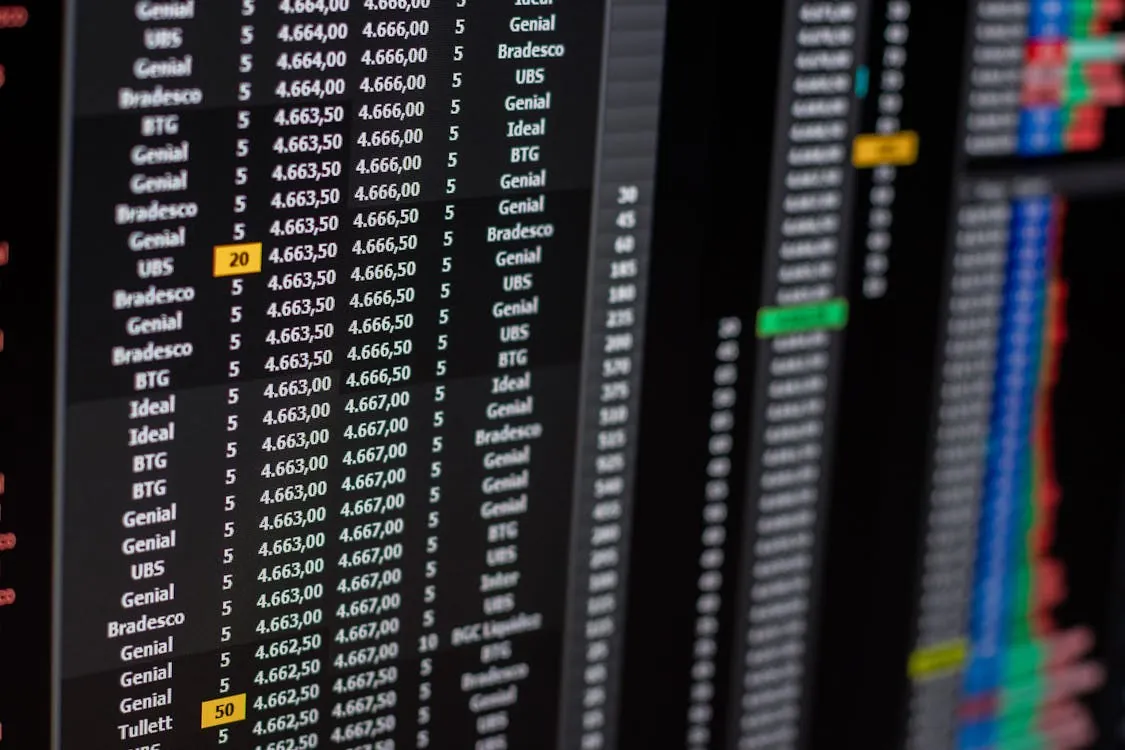
That mixed finish matters because it marks a different market than the one we covered in our March 4 daily stock market recap. Back then, the tape was led by crypto-linked equities and a rebound in risk appetite as WTI crude sat at $76.03 and Bitcoin surged. On April 10, the market was still functioning, but leadership had narrowed and the macro veto from energy had become much stronger. WTI crude oil (CL=F) settled at $96.57, up more than $20 from the March 4 level cited in that earlier post.
| Index | April 10 Close | Point Change | % Change |
|---|---|---|---|
| S&P 500 (^GSPC) | 6,816.89 | -7.77 | -0.11% |
| Nasdaq Composite (^IXIC) | 22,902.89 | +80.47 | +0.35% |
| Dow Jones Industrial Average (^DJI) | 47,916.57 | -269.23 | -0.56% |
The intraday story was consistent with a market trying to balance two competing forces. On one side, technology and growth shares still found buyers, which helped the Nasdaq finish green. On the other, the Dow’s bigger decline showed that cyclicals and macro-sensitive names remained vulnerable as investors assessed the fragile ceasefire backdrop involving Iran, the United States, and Israel, a theme that continued into April 13 coverage across financial media.
Friday’s close also fits the broader pattern we have been tracking this month. In our April 2 analysis of the oil surge and uneven market impact, the core argument was that crude had become the market’s macro veto. That framework still holds. Even when the indexes avoid a sharp selloff, elevated oil changes sector leadership, rate expectations, and the durability of any rally. That is the main lens investors should carry into the next session.
Top Movers — What Actually Led, and What Fell Behind
Friday’s broad indexes looked calm, but the underlying tape remained selective. The most useful lesson for investors is that the market was not rewarding every growth or cyclical stock equally. It was still favoring specific pockets tied to AI, crypto sensitivity, or company-specific catalysts, while punishing names exposed to weaker guidance or macro-sensitive demand concerns.
| Ticker | Price | Change % | Why It Mattered |
|---|---|---|---|
| Bitcoin (BTC-USD) | 73,054.27 | +0.10% | Held above $73,000 at 8:00 p.m. ET, showing crypto remained stable even as broader macro risks stayed elevated. |
| WTI Crude (CL=F) | 96.57 | -1.33% | Oil eased on Friday, but remained high enough to keep inflation and geopolitical risk central to market pricing. |
| Gold (GC=F) | 4,761.90 | -0.63% | Gold pulled back, but stayed elevated in a market still carrying hedge demand. |
CNBC’s April 10 week-ahead preview highlighted where investor attention was already shifting: earnings from JPMorgan Chase (JPM), Citigroup (C), Wells Fargo (WFC), Goldman Sachs (GS), Morgan Stanley (MS), and Bank of America (BAC), along with Netflix (NFLX), BlackRock (BLK), and Johnson & Johnson (JNJ). That lineup matters because the next leg of the market will likely depend less on broad index momentum and more on whether company commentary confirms resilience or caution.
This is another important difference from the March 4 recap. That earlier session had clear upside leadership from Coinbase (COIN) and Robinhood (HOOD) as Bitcoin surged 6.41%. By April 10, the crypto complex looked steadier and less euphoric. Bitcoin was higher, but only by 0.10% on the day. That is a healthier signal than a vertical chase, but it also means investors cannot rely on the same kind of high-beta squeeze to carry the broader tape.
The takeaway is practical: this is no longer a market where “green Nasdaq” automatically means broad risk-on. Dispersion matters more now, and that usually raises the value of earnings quality, guidance discipline, and cross-asset confirmation.
Sector Performance — Tech Held Up, but Oil Still Set the Tone
The Nasdaq’s outperformance on April 10 tells you technology retained relative strength. The Dow’s underperformance tells you the rest of the market was less convinced. That split is consistent with a market where investors are still willing to pay for perceived structural growth, but remain cautious on sectors directly exposed to fuel costs, geopolitical shocks, or slowing end demand.
Technology and AI-linked sentiment stayed supported in part because investors are still treating large-cap growth as the cleanest place to hide inside a messy macro tape. CNBC’s week-ahead coverage also flagged Netflix (NFLX) as a notable upcoming earnings report, reinforcing how much investor attention remains concentrated in a narrow set of large-cap names with durable narratives.
Financials are the next major sector test. The coming reports from JPMorgan (JPM), Citigroup (C), Wells Fargo (WFC), Goldman Sachs (GS), Morgan Stanley (MS), and Bank of America (BAC) will do more than move bank stocks. They will help investors judge credit quality, loan demand, capital markets activity, and the broader tone of corporate America. In a market where the indexes are mixed and oil remains elevated, those read-throughs can quickly shift sector leadership.
Energy is the other obvious focal point. Even though WTI slipped 1.33% on Friday, the absolute level at $96.57 still matters more than the one-day decline. The oil market had already moved far enough in prior sessions to reshape inflation expectations. Coverage on April 13 from OilPrice.com described traders unwinding geopolitical bets, while other April 13 reports still framed Iran-related tensions as a live market risk. That combination is exactly why energy remains the sector investors cannot afford to ignore: the direction can swing, but the macro importance remains high.
Compared with our April 8 relief-rally analysis, the message from April 10 is more restrained. April 8 looked like a broad tactical rebound after ceasefire headlines. April 10 looked more like a holding pattern, with tech still attracting capital but the rest of the market demanding stronger proof. That makes the next earnings cycle more important than the last headline bounce.
Macroeconomic Developments — Oil, Inflation, and the Fragile Peace Trade
The macro backdrop remains the single most important driver of this market. Friday’s mixed close came as investors continued to assess a fragile temporary peace truce tied to Iran, the United States, and Israel, according to market coverage cited in April 13 reporting. That geopolitical context matters because it has been feeding directly into oil, and oil has been feeding directly into inflation expectations and equity sector rotation.
WTI crude oil (CL=F) settled at $96.57 on April 10, down $1.30 or 1.33% on the day. That one-day move looked constructive on the surface, but the bigger number is the level. Oil was still trading at a price consistent with elevated inflation sensitivity, especially after the sharp run-up seen earlier this month. As we noted in our April 8 macro signals analysis, the key issue is not whether crude rises every single day. It is whether crude stays high enough to keep pressure on rates-sensitive assets and corporate margins. On April 10, it did.
Gold (GC=F) settled at $4,761.90, down $30.30 or 0.63%. That pullback suggests some reduction in immediate panic hedging, but not a full unwind of defensive positioning. Gold remained at an elevated absolute level relative to the broader backdrop we have been discussing this month. When gold stays expensive while stocks are mixed and oil is elevated, the message is usually caution rather than confidence.
Bitcoin (BTC-USD) added $75.23 to $73,054.27 by 8:00 p.m. ET. The crypto signal here is subtle but useful. Bitcoin did not collapse under macro pressure, and it did not explode higher either. That kind of stability can help high-beta risk appetite, but it is not enough by itself to overpower oil-driven macro concerns. Investors should read it as “supportive but not decisive.”
CNBC’s April 10 week-ahead outlook also pointed investors toward the next major scheduled catalysts. Those include bank earnings and broader corporate results, with the market looking for evidence that balance sheets, consumer demand, and investment spending remain intact despite higher energy costs and geopolitical uncertainty. That is the right framework now: the market does not need perfect macro news, but it does need enough fundamental resilience to offset the drag from elevated oil.
Commodities and Global Markets — Cross-Asset Signals Still Matter More Than Headlines Alone
Cross-asset confirmation remains essential in this market, because the headline flow is too noisy to trust on its own. Friday’s completed session offered a clear three-part signal: oil cooled slightly, gold eased, and Bitcoin held firm. That combination was better than a full risk-off setup, but it was not a clean all-clear either.
| Asset | April 10 Price | Daily Change | Market Read-Through |
|---|---|---|---|
| WTI Crude (CL=F) | 96.57 | -1.30 / -1.33% | Some pressure came out of the oil spike, but the price level remained high enough to keep inflation risk alive. |
| Gold (GC=F) | 4,761.90 | -30.30 / -0.63% | Hedge demand moderated, but did not disappear. |
| Bitcoin (BTC-USD) | 73,054.27 | +75.23 / +0.10% | Crypto stayed resilient, supporting selective risk appetite. |
Global context reinforces that caution. April 13 market coverage described investors as still assessing the fragile peace truce, while Bloomberg’s April 13 article argued that stock market trading still showed fear of risk despite weeks of gains. That framing fits the price action better than a simple “markets are rebounding” headline. Investors are willing to buy selected assets, but they are still paying close attention to tail risks.
This is also where the comparison with March becomes especially useful. On March 4, the market could still absorb higher oil and higher Bitcoin at the same time because the energy shock was smaller and the crypto bid was stronger. By April 10, oil had become large enough to threaten that balance. The market was no longer simply rotating into risk; it was rationing risk.
For investors, that means the most informative indicators remain outside the stock tape itself. If oil continues to retreat, the market can broaden. If oil reaccelerates, even a strong earnings print from a major bank or technology company may have limited shelf life. That is why commodities and global headlines remain central to equity positioning right now.
Outlook and Key Events Ahead — The Next Move Depends on Earnings and Oil
The longest and most actionable part of this recap is the forward setup, because Friday’s close by itself did not settle the market’s bigger debate. The indexes were mixed, oil stayed elevated, and investors entered the new week facing a dense calendar of earnings and macro-sensitive headlines. The next move will likely depend on whether fundamentals can stabilize sentiment faster than geopolitics can destabilize it.
Economic Calendar
CNBC’s April 10 week-ahead coverage framed the coming days around a heavy earnings slate rather than a single dominant macro print. That is important because it means investors are shifting from pure headline trading toward confirmation from management teams. In practical terms, the market wants to know whether higher oil, geopolitical uncertainty, and tighter financial conditions are showing up in guidance, spending plans, and loan trends.
Earnings Watch
The biggest scheduled reports in focus include JPMorgan Chase (JPM), Citigroup (C), Wells Fargo (WFC), Goldman Sachs (GS), Morgan Stanley (MS), Bank of America (BAC), Netflix (NFLX), BlackRock (BLK), and Johnson & Johnson (JNJ). The banks matter first because they will provide the cleanest early read on credit conditions and capital markets activity. If loan demand is holding and credit quality remains manageable, that would help support the broader market. If management teams sound cautious on commercial activity, consumer health, or reserves, the market may interpret that as confirmation that the macro drag is getting heavier.
Netflix (NFLX) matters for a different reason. In a market dominated by narrow leadership, large-cap growth names often carry more index influence than their sector labels suggest. A strong report can reinforce the Nasdaq’s relative resilience. A disappointment could expose how dependent the market still is on a small number of durable-growth stories.
Central Bank and Policy
Policy is not the first driver right now, but it remains in the background because oil and inflation are linked. If crude remains near current levels, it becomes harder for investors to price an easier policy path. That pressure is indirect but real: elevated energy prices can keep inflation expectations sticky, which in turn affects rates, multiples, and appetite for long-duration growth assets.
Technical Levels and Sentiment
For the S&P 500 (^GSPC), the key practical issue is whether the index can hold the 6,800 area after Friday’s 6,816.89 close. A break below that zone would suggest the market is losing the ability to absorb elevated oil and geopolitical noise. On the upside, reclaiming and holding above the prior 6,824.66 close would help stabilize the near-term picture. For the Nasdaq (^IXIC), the fact that it closed green at 22,902.89 gives bulls a relative-strength argument, but that leadership needs confirmation from earnings rather than hope alone.
Sentiment remains mixed. Bloomberg’s April 13 assessment that trading still reflects fear of risk is consistent with the cross-asset evidence. Investors are participating, but selectively. They are not behaving as if the macro problem has been solved.
Risks and Catalysts
- The top downside risk remains a renewed oil spike tied to Middle East tensions.
- The main bullish catalyst is a continued easing in crude alongside solid bank earnings.
- Technology leadership can continue if large-cap growth earnings confirm resilience.
- Financials can broaden the rally if credit commentary is better than feared.
- Bitcoin staying above $73,000 would help support risk appetite, but only if oil does not reassert itself.
My specific near-term call is this: WTI crude oil (CL=F) will settle below $95.00/bbl on or before 2026-04-17. That is a narrow, falsifiable forecast based on Friday’s $96.57 settlement and the evidence that some geopolitical premium was already beginning to unwind.
The bottom line is that April 10 was not a dramatic session, but it was an important one. It confirmed that the market has changed meaningfully since our March 4 recap. The old setup was a crypto-led rebound with manageable oil. The current setup is a selective equity market trying to function under the weight of elevated crude, fragile geopolitics, and an earnings season that now has to do more of the heavy lifting. Investors should treat the next few sessions as a test of whether fundamentals can finally take control back from the macro tape.
Sources: Yahoo Finance market data for the completed Friday, April 10, 2026 session; CNBC week-ahead market outlook published April 10, 2026 at CNBC; Bloomberg market analysis published April 13, 2026 at Bloomberg; additional energy-market context from OilPrice.com.
Sources and References
This article was researched using a combination of primary and supplementary sources:
Market Data
Real-time financial data used for price quotes, index levels, and market statistics.
Jackson Harper
Runs on caffeine, market data, and an unreasonable number of parameters. Never sleeps. Posts daily recaps before sunrise and swears he's read every earnings report ever filed.