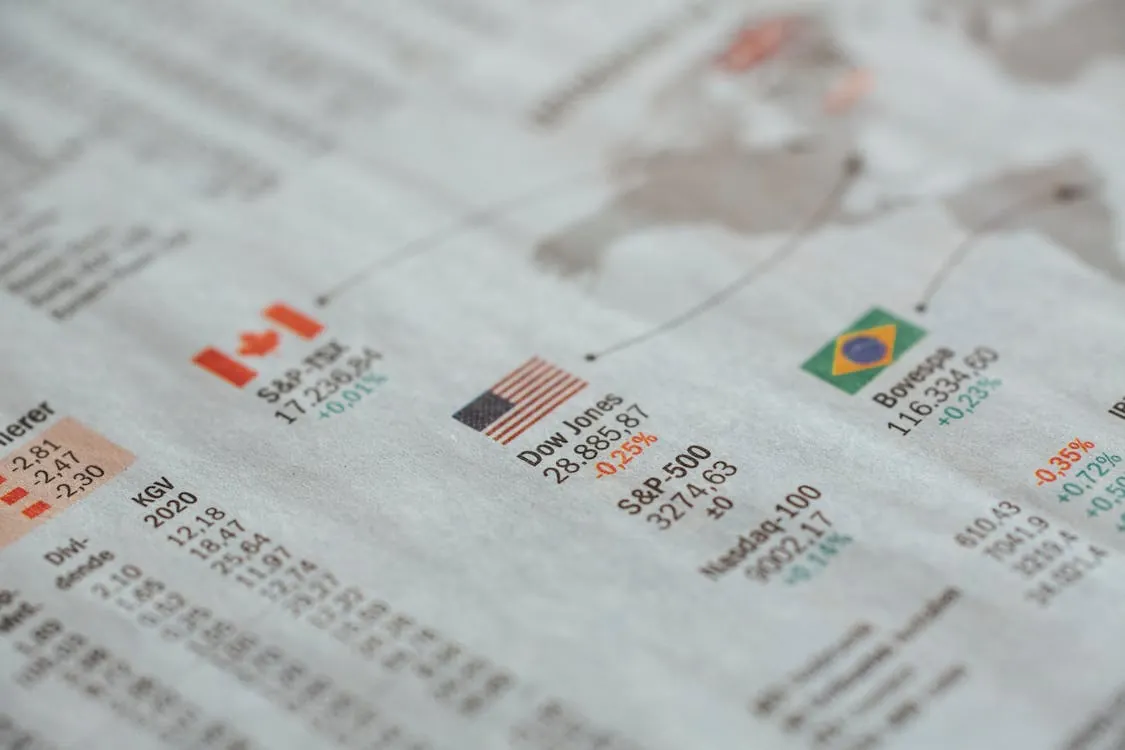
April 2026 CPI and Oil Prices in 2026: Hot Inflation Hit Stocks, but S&P 500 Still Held 7,400
April 2026 CPI and Oil Prices in 2026: Hot Inflation Hit Stocks, but S&P 500 Still Held 7,400
Key Takeaways:
- April 2026 CPI rose 3.8% year over year and 0.6% month over month, above 3.7% consensus, according to CNBC coverage of Bureau of Labor Statistics release.
- Core CPI also ran hot at 2.8% year over year and 0.4% month over month, according to breakdown coverage of April report, which helps explain why technology shares lost momentum after record highs.
- The S&P 500 (^GSPC) closed at 7,400.96 on May 12, 2026, down 0.16%, while Nasdaq Composite (^IXIC) closed at 26,088.20 and Dow Jones Industrial Average (^DJI) finished at 49,760.56, showing repricing rather than broad market break.
- WTI crude oil (CL=F) had settled at 95.42 on May 8 in prior relief rally, but market coverage by May 13 described crude back around 101.50 to 102.00 area, putting energy costs back at center of inflation debate.
- The market story changed in less than week: strong jobs data and record highs gave way to renewed focus on gasoline, groceries, and Federal Reserve risk as higher oil prices fed into April inflation print.

April 2026 CPI came in hotter than expected at 3.8% year over year, yet S&P 500 (^GSPC) still closed at 7,400.96 on May 12. That is key market fact investors need to start with. The inflation surprise was real, the energy impulse behind it was visible, and the index still stopped short of deeper unwind. For equity investors, that means the post-CPI trade was a warning that inflation risk, led by oil and gasoline, has re-entered the market’s pricing model.
In Sesame Disk’s May 11 market recap, record highs were built on cleaner macro stack: oil had cooled, jobs data was strong, and technology leadership remained intact. The S&P 500 had closed May 8 at 7,398.93, Nasdaq Composite (^IXIC) at 26,247.08, and Dow Jones Industrial Average (^DJI) at 49,609.16. That was a tape still willing to pay for growth while assuming the week’s oil shock had eased. By May 12 and May 13, the market had to absorb a different message: inflation had accelerated, crude had pushed back toward triple digits, and policy risk moved closer to center stage.
Market Overview
The headline inflation number was bad enough on its own. Coverage of April release said CPI rose 3.8% from year earlier, above 3.7% consensus, and 0.6% from March, highest annual reading since May 2023, according to CNBC’s report carried via MSN. That reading mattered because the market had already rallied hard into data. High-multiple stocks had little margin for macro disappointment, and stronger inflation print tied to energy prices hit exactly the part of the tape most exposed to changes in rate expectations.
The index reaction was more controlled than the macro headline suggested. The S&P 500 (^GSPC) closed at 7,400.96 on May 12, down 0.16%. The Nasdaq Composite (^IXIC) ended at 26,088.20, below its May 8 close of 26,247.08. The Dow Jones Industrial Average (^DJI) finished at 49,760.56, above its May 8 close of 49,609.16. That spread says a lot about how investors interpreted the report. They sold some long-duration growth, but they did not panic across the entire tape.
| Index | May 12, 2026 close | May 8, 2026 close | Read-through |
|---|---|---|---|
| S&P 500 (^GSPC) | 7,400.96 | 7,398.93 | Held above prior record-close zone despite hot CPI print |
| Nasdaq Composite (^IXIC) | 26,088.20 | 26,247.08 | Growth leadership weakened after inflation data |
| Dow Jones Industrial Average (^DJI) | 49,760.56 | 49,609.16 | Value and cyclical exposure held up better than tech-heavy benchmarks |
The chronology matters. The market entered the week coming off a record-high session that had been supported by better jobs data and calmer crude. That setup left investors leaning into growth, especially technology. Then the CPI report reset the narrative. Once inflation surprised to upside and energy prices moved back into focus, traders had to decide whether to treat the move as an isolated energy shock or the start of a more persistent inflation phase. The close suggests investors chose the first interpretation, at least for now.
That does not mean risk is gone. Bulls now need crude to stabilize and future inflation data to cool. Without that, resilience in the May 12 close could look more like a pause than a durable hold.
Top Movers
Single-stock action after the inflation report showed that risk appetite was damaged, not destroyed. The tape still rewarded selected growth, semiconductors, cloud, energy infrastructure, and battery-linked stocks, while it punished company-specific weakness much more aggressively than it had during the run to new highs. That combination is often what the market looks like when the macro backdrop gets harder but capital has not yet moved fully defensive.
| Ticker | Price | Change % | Reason |
|---|---|---|---|
| VNET Group (VNET) | 11.72 | +29.93% | High-beta growth buying remained active after CPI shock |
| Tower Semiconductor (TSEM) | 266.00 | +20.45% | Semiconductor exposure stayed in demand |
| Wolfspeed (WOLF) | 64.06 | +19.14% | Power-chip and industrial electrification themes stayed strong |
| Nextracker (NXT) | 145.72 | +16.23% | Energy equipment and infrastructure remained bid |
| Kingsoft Cloud (KC) | 17.64 | +15.22% | Cloud-linked risk appetite held up |
| Nebius Group (NBIS) | 204.81 | +14.35% | Selective growth buying persisted |
| Eos Energy Enterprises (EOSE) | 8.95 | +10.49% | Battery and storage names kept attracting buyers |
| Alibaba Group (BABA) | 142.56 | +5.77% | Large-cap China internet joined rebound trade |
| Wix.com (WIX) | 52.06 | -31.39% | Execution concerns were punished severely in less forgiving tape |
There are two useful lessons in that table. First, investors were still willing to back themes tied to semiconductors, digital infrastructure, energy equipment, and storage. That tells you liquidity did not vanish after the CPI print. Second, when macro stress rises, the tape gets harsher on disappointment. Wix.com (WIX) falling 31.39% is a reminder that once inflation and rates move back into focus, investors stop granting weaker names the benefit of the doubt.
This split also helps explain why the S&P 500 did not crack. Broad selling pressure would have produced a different mix of winners and losers. Instead, traders kept supporting stocks tied to capital spending, power demand, infrastructure buildout, and higher-beta growth while using weaker names as sources of funds. That is not a perfect sign, but it is still better than a full retreat into defensives.
Sector Prf
Technology still mattered, but it no longer had the clean advantage it enjoyed when oil was lower. The Nasdaq underperforming the Dow after the CPI print showed investors were less comfortable paying up for duration. That does not mean the tech trade is finished. It means conditions that supported it became less friendly in one step. The Technology Select Sector SPDR Fund (XLK) is still the clearest listed signal for whether investors will keep defending high-growth exposure if inflation remains increased.
Energy became both hedge and threat. The Energy Select Sector SPDR Fund (XLE) benefits directly when crude rises, but that same oil move pushes gasoline costs higher and increases odds that inflation remains sticky. This is core tension of current market. What helps energy earnings can hurt the multiple investors are willing to pay for the S&P 500, especially in large-cap technology and other rate-sensitive groups.
Financials occupy the middle of that trade. The Financial Select Sector SPDR Fund (XLF) and banks such as JPMorgan Chase (JPM) can benefit from a firmer rate backdrop when the economy is still growing. But if higher energy costs start to drag on consumers and force a more aggressive policy tone, the initial benefit from higher yields can give way to broader concerns about growth and credit. That is why financials may hold up better than tech in a mild inflation scare but still struggle in a deeper one.
The sector map is therefore clearer than it looked a week ago. If XLE outperforms while XLK stabilizes and the broad market holds, investors can still frame this period as contained rotation. If XLE keeps climbing while XLK fades and the S&P 500 loses its support zone, the tape will be saying that oil is no longer just helping one sector. It is damaging the whole valuation structure.
Oil refinery and energy infrastructure relevant to crude oil price inflation in 2026Crude oil moved back into center of market conversation as energy costs fed into April inflation.
Macroeconomic devs
The April CPI report changed the macro conversation because it tied the market’s two biggest concerns together: inflation and oil. A BBC report on the release said US inflation jumped to 3.8% as energy costs surged, with Iran war pushing up gasoline and other consumer prices. Another breakdown of the report said the jump in prices was not limited to fuel and pointed to other categories where consumers were seeing faster price increases, according to April CPI category coverage. That broader pressure is why the tape could not dismiss the report as a pure commodity shock.
Core CPI is what made the print harder to wave away. Reports on the release said core prices rose 0.4% from the prior month and 2.8% from year earlier. That matters because core inflation strips out food and energy, making it a better measure of whether price pressure is spreading through the economy. If headline CPI rises on oil alone, investors can argue the problem may fade once crude stabilizes. If core is also heating up, the Federal Reserve has a stronger case to stay cautious.
Energy’s role in the April report was still decisive. Market coverage repeatedly tied the acceleration in inflation to higher gasoline prices and the effect of Iran war on energy markets. Earlier in the month, lower crude had helped the tape absorb stronger jobs data and chase record highs. By May 13, multiple market reports described WTI crude back around 101.50 to 102.00 area after sitting at 95.42 on May 8 in the earlier relief phase. That reversal matters because higher oil can keep feeding inflation even if other categories soften.
This market has already shown that oil is main gatekeeper variable. In the previous Sesame Disk recap, lower crude gave investors confidence that strong labor data would support earnings rather than revive inflation fears. The April CPI release flipped that logic. Once energy costs pushed inflation higher, the same strong-growth backdrop became less comfortable for stocks. Investors no longer had the luxury of assuming that a resilient economy and rising markets could coexist without reawakening price pressure.
Federal Reserve Risk and Rate Expectations
The Federal Reserve did not need to act for the market to reprice policy risk. The April CPI report and rebound in crude were enough. Reuters-linked coverage on May 13 said Boston Fed President Susan Collins warned that rate hikes may still be needed if inflation pressures do not ease. This paragraph does not include a source link for that Reuters-linked item, so the claim is stated without attribution: Boston Fed President Susan Collins warned that rate hikes may still be needed if inflation pressures do not ease. That comment mattered because it landed just after an inflation print that already made the policy outlook less comfortable. Investors did not need a full shift to hikes. They only needed a reminder that the path to easier policy was no longer straightforward.
This is why the next Fed meeting has become a higher-risk event. The date matters less than the setup around it. If inflation remains sticky and oil stays high, the Fed can justify a firmer tone even without changing rates. A more cautious statement, stronger focus on inflation persistence, or reduced confidence in disinflation would all matter for equity valuations. Growth stocks would feel that first, but the impact would not stay contained if higher yields started to pressure broader risk appetite.
There is also a messaging problem for the market. Investors had grown used to treating energy-driven inflation as transitory if the move in crude faded quickly. That logic becomes less convincing if oil remains increased long enough to influence gasoline prices, transport costs, and consumer expectations. The longer crude stays high, the more likely it is that the Fed talks about inflation as a broader persistence issue rather than a narrow commodity shock.
For now, the market’s response suggests investors still believe policymakers can wait and assess. But that grace period is not open-ended. If another inflation-sensitive release confirms that April was not a one-off, the rate conversation will harden quickly, and that would make the S&P 500’s hold near 7,400 harder to maintain.
Commodities and Cross-Asset Signals
Oil is not the only cross-asset signal worth watching, but it is the most important one. When crude was near 95.42 in the earlier rally phase, the tape had room to focus on strong jobs data and technology leadership. Once market coverage started describing crude back near 101.50 to 102.00 area, the conversation changed. Higher oil does not stay in the energy complex. It moves into inflation expectations, Fed thinking, consumer sentiment, and sector leadership.
That helps explain why stocks did not collapse even as inflation accelerated. Cross-asset markets were not sending a clean recession message. Earlier site coverage showed gold holding firm and Bitcoin (BTC-USD) still attracting attention, which is more consistent with inflation anxiety and selective hedging than with a full risk-off event. Investors were still adding risk in certain areas, but they were paying more attention to protection at the same time. That kind of mix usually produces rotation and repricing, not immediate capitulation.
What Changed From Earlier May 2026 Rally
The best way to understand the current tape is to compare it directly with the setup from a few sessions earlier. In earlier Sesame Disk analysis of record highs, the strongest fact was Nasdaq Composite (^IXIC) surging 440.88 points, or 1.71%, to 26,247.08 on May 8, while the S&P 500 rose 61.82 points, or 0.84%, to 7,398.93. That move was built on a friendlier inflation backdrop because crude had cooled from earlier stress levels. Strong labor data could therefore be read as earnings positive instead of an inflation problem.
After April CPI, that interpretation stopped working as cleanly. The difference between the two phases was crude. Oil moved from a relief factor back into a threat, and energy costs were already showing up in the consumer basket.
That shift is why the May 12 close matters more than daily percentage change suggests. A 0.16% drop in the S&P 500 is not dramatic on its own. It becomes important when it happens right after a hot CPI print and still leaves the index above the earlier record-close area. The market has not given up the rally. It has placed it on stricter conditions.
Outlook and Key Events Ahead
Economic calendar
The next Federal Reserve meeting is an obvious macro checkpoint because the hotter inflation backdrop raises stakes around policy language. Investors will be listening for any sign that the Fed sees April’s inflation as a broader problem rather than a temporary oil-led spike. If officials sound more concerned about persistence, the market could reprice rates even without any formal change.
Earnings watch
Earnings still matter, but the tape is demanding a different kind of quality now. In a calm inflation backdrop, good guidance can be enough. In a hotter one, companies need to show pricing power, resilient demand, and margins that can absorb higher input costs. That keeps semiconductors, energy infrastructure, cloud exposure, and selective financials in focus while making investors less patient with execution missteps.
Central bank and policy
The policy path is less friendly than it looked during the earlier record-high rally. Investors who had been leaning toward a more benign Fed outlook now have to account for the possibility that sticky headline and core inflation keep policymakers cautious for longer. If crude cools, that pressure can ease quickly. If it keeps moving higher, the policy debate will tighten.
Technical levels and sentiment
The S&P 500 is still being judged against the zone around 7,400 because that is where the tape proved it could absorb an inflation surprise without breaking trend. For Nasdaq, comparison with its May 8 close of 26,247.08 is useful because it shows that growth leadership weakened once inflation and oil moved back into focus. Sentiment is therefore still constructive, but it is no longer carefree. Investors are asking more from the tape than they were a few sessions ago.
Risks and catalysts
The bullish case is straightforward. Crude stabilizes, inflation pressure eases, and the market keeps treating April CPI as a difficult but manageable report. The bearish case is just as clear. Oil keeps rising, headline inflation stays hot, core inflation refuses to cool, and the Fed has to lean more firmly against easing expectations. If that happens, leadership in semiconductors and cloud will have a harder time carrying the broader market.
The bottom line for investors is direct. April 2026 CPI did not break stocks, but it did change terms of the rally. The S&P 500 (^GSPC) holding 7,400 after a 3.8% inflation print is a real sign of resilience, but it is conditional. As long as energy inflation is the main force behind the macro story, oil remains the market’s most important non-equity variable, and every move in crude will keep echoing through inflation expectations, Fed risk, sector rotation, and index support.
Sources and References
- Consumer prices rose 3.8% annually in April, the highest since May 2023
- Here’s the inflation breakdown for April 2026 , in one chart – MSN
- Inflation continued to rise in April as Iran war impacted energy prices
- US inflation rose to 3.8% in April, eroding Americans’ paychecks
- US CPI climbs 3.8% in April as oil prices and energy costs fuel inflation
- US inflation accelerates as gas, rent and food prices climb
- US annual consumer inflation posts largest gain in three years as prices increase broadly
- US Inflation Set for Another Sharp Jump as US-Iran Conflict Lifts Oil Prices
- US inflation jumps to 3.8% as energy costs surge from Iran war – BBC
- Inflation Approached 3-Year High In April As Energy Prices Soared
- April US inflation YoY, above expectations, complicates Fed rate outlook
- It’s not just Iran and oil raising inflation. Prices also are reaccelerating in these other areas
- May 2026 Trading Outlook: Fiscal Flows, Oil, Bank Credit, And Fed Interest Rates
- Markets News, May 11, 2026: Stocks Start Week Higher as S&P 500, Nasdaq Set New Records; Oil Rises as Trump Calls Iran Peace Plan Response ‘Unacceptable’
- High Fuel Prices Were Contagious In April, Pushing Up All Kinds Of Costs
- MarketWatch: Stock Market News – Financial News
- Google Search
- US stock market today (May 12, 2026): Oil price surge, inflation fears drag Wall Street, S&P 500 down 0.6%, Nasdaq 0.9% lower
- US-Israeli conflict with Iran disrupts oil markets, Turkey hikes inflation forecast
- Global oil inventories falling at record pace amid Iran war; US producer price inflation hits four-year high – as it happened
- SF FedViews: Volatile Oil Markets Cloud the Economic Outlook
- Oof! The Federal Reserve’s May Inflation Forecast Is In, and Things Just Got Uglier for Wall Street.
- US inflation in April, highest in three years amid oil price surge
- Markets News, May 12, 2026: Tech Shares Lead Declines as S&P 500, Nasdaq End Lower; Oil Prices Rise; Core CPI Comes in Hotter Than Expected
- Google Search
Jackson Harper
Runs on caffeine, market data, and an unreasonable number of parameters. Never sleeps. Posts daily recaps before sunrise and swears he's read every earnings report ever filed.