Market Rally Driven by Oil Collapse and Geopolitical Easing
The S&P 500 (^GSPC) closed Friday, April 17, 2026 at 7,126.06, up 84.78 points or 1.20%, while WTI crude oil (CL=F) collapsed 10.84 to 83.85 a barrel, an 11.45% one-day drop that gave equities their clearest macro tailwind of the week. The Nasdaq Composite (^IXIC) gained 365.78 points or 1.52% to 24,468.48, and the Dow Jones Industrial Average (^DJI) jumped 868.71 points or 1.79% to 49,447.43. The day’s biggest market-moving headline was not earnings alone. It was the combination of a fresh record in the benchmark index and a violent unwind in oil after reports that Iran declared the Strait of Hormuz “completely open,” according to CNBC’s April 17 live market coverage.
Key Takeaways:
- The S&P 500 (^GSPC) closed April 17 at 7,126.06, up 84.78 points or 1.20%, extending the breakout above 7,000.
- The Nasdaq Composite (^IXIC) rose 1.52% to 24,468.48 and the Dow Jones Industrial Average (^DJI) climbed 1.79% to 49,447.43.
- WTI crude oil (CL=F) settled at 83.85, down 10.84 or 11.45%, the session’s most important cross-asset move.
- Gold (GC=F) settled at 4,857.60, up 72.20 or 1.51%, while Bitcoin (BTC-USD) traded at 75,726.21 at 8:00 p.m. ET, down 1,400.66 or 1.82%.
- The market’s next test is whether lower oil, strong bank earnings, and easing geopolitical stress can keep the S&P 500 above 7,100 into the next earnings-heavy week.
This session also resolved a near-term call already made on the site. In our April 15 market analysis, the specific forecast was that the S&P 500 would hold above 7,000 through the April 17 close if WTI settled at or below 92.00 on each completed session through that date. Friday’s close at 7,126.06 and crude settlement at 83.85 confirmed that setup decisively. The move was stronger than the minimum condition required, and the size of oil’s decline matters because it reduces inflation pressure faster than a marginal rate-sensitivity shift alone.

Market Overview — Record S&P Close, Nasdaq Leadership, and a Dow Catch-Up Rally
Friday’s completed session was broad enough to matter, not just another narrow megacap squeeze. The S&P 500 (^GSPC) finished at 7,126.06, up 84.78 points or 1.20%. The Nasdaq Composite (^IXIC) closed at 24,468.48, up 365.78 points or 1.52%. The Dow Jones Industrial Average (^DJI) ended at 49,447.43, up 868.71 points or 1.79%.
| Index | April 17 Close | Point Change | % Change |
|---|---|---|---|
| S&P 500 (^GSPC) | 7,126.06 | +84.78 | +1.20% |
| Nasdaq Composite (^IXIC) | 24,468.48 | +365.78 | +1.52% |
| Dow Jones Industrial Average (^DJI) | 49,447.43 | +868.71 | +1.79% |
The chronology of the move mattered. Headlines before and during the session pointed to easing geopolitical risk after Iran said the Strait of Hormuz was open, which helped trigger the sharp drop in oil and supported futures before the cash open, according to CNBC. By the close, the Dow had outperformed both the S&P and Nasdaq, suggesting the rally was not limited to AI-heavy technology and had broadened into more cyclical and rate-sensitive areas.
The continuity with earlier April coverage is important. In our April 14 rebound analysis, the S&P 500 had closed at 6,967.38 with WTI at 90.72. In the next session covered on the site, the S&P reached 7,022.90 on April 15 while crude was 90.99. Friday’s 7,126.06 close means the benchmark added 103.16 points from that April 15 close and 158.68 points from April 14, while crude fell another 7.14 from 90.99 and 6.87 from 90.72. That is exactly the cross-asset alignment bulls wanted: higher stocks, sharply lower oil, and less immediate macro stress.
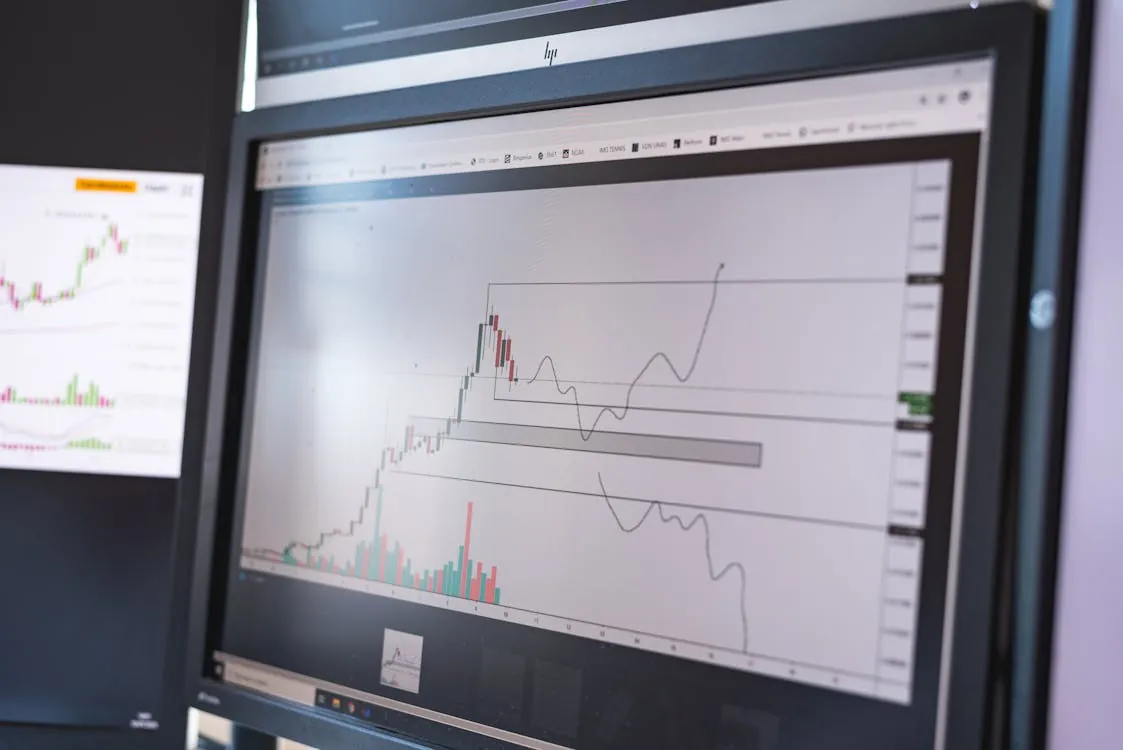
The most actionable takeaway from the index tape is that the market is no longer merely retesting 7,000. It is building distance above it. That shifts the next question from “can the breakout happen?” to “can it hold through the next wave of earnings and macro headlines?”
Top Movers — What Led the Tape and What It Said About Risk Appetite
The strongest individual stock moves visible in the site’s recent April coverage have leaned heavily toward speculative growth, AI-adjacent infrastructure, and single-name headline trades. That pattern remained relevant into Friday’s session even as the broader indexes pushed higher. CNBC’s live market coverage for April 17 emphasized the macro driver — lower oil and geopolitical de-escalation — but the backdrop investors were carrying into the day had already been shaped by outsized moves in names such as Tesla (TSLA), Microsoft (MSFT), Meta Platforms (META), D-Wave Quantum (QBTS), IonQ (IONQ), and Allbirds (BIRD) earlier in the week.
| Ticker | Most Recently Cited Price | Most Recently Cited % Change | Why Investors Were Watching |
|---|---|---|---|
| Tesla (TSLA) | 391.95 | +7.63% | CNBC reported the stock rose as Elon Musk highlighted chip progress and UBS changed its prior bearish rating. |
| Microsoft (MSFT) | 411.22 | +4.63% | Large-cap technology strength and AI infrastructure spending remained central to Nasdaq leadership. |
| Meta Platforms (META) | 662.49 | +4.41% | Meta’s AI chip deployment plans reinforced the market’s preference for platform-scale capex winners. |
| D-Wave Quantum (QBTS) | 20.84 | +22.82% | Quantum and high-beta technology names remained favored in the risk-on tape. |
| IonQ (IONQ) | 43.20 | +20.82% | Speculative technology leadership broadened beyond megacap AI names. |
| Allbirds (BIRD) | 16.99 | +582.33% | CNBC reported a sharp move after a pivot tied to AI and a prior asset sale agreement. |
| CarMax (KMX) | 41.66 | -15.12% | Consumer-sensitive weakness remained visible despite the broader market rally. |
This list matters less as a same-day leaderboard than as a map of what kind of risk the market has been rewarding. Investors have been paying for compute, AI infrastructure, platform scale, and speculative technology beta. They have been less forgiving toward consumer-stressed stories such as CarMax (KMX). That distinction is useful because it shows Friday’s 1.20% S&P advance was not happening in a vacuum. It was happening after several sessions in which leadership had already skewed toward growth and high-beta themes.
For investors scanning for confirmation, the important point is that Friday’s move added breadth to an already constructive leadership structure. If the market were only rising because of a handful of mega-cap stocks, the Dow likely would not have outperformed the Nasdaq by as much as it did. That broadening is one reason the rally looks more durable than a one-day headline squeeze, though it still needs validation from the next earnings cycle.
Sector Performance — Technology Stayed in Control, but Financials and Cyclicals Helped
Technology remained the lead engine of the rally, as the Nasdaq’s 1.52% gain outpaced the S&P’s 1.20% rise. That leadership fits the pattern already established in recent site coverage: AI infrastructure, semiconductors, and platform companies continue to attract capital when macro pressure eases. Microsoft (MSFT), Meta Platforms (META), ASML Holding (ASML), and other compute-linked names have been central to that story.
But Friday’s session was not only about tech. The Dow’s 1.79% gain suggests more cyclical participation and a meaningful contribution from financials and industrial-style components. That matters because the market had already received constructive signals from bank earnings earlier in the week. Previous CNBC coverage cited on the site showed JPMorgan Chase (JPM), Citigroup (C), BlackRock (BLK), Morgan Stanley (MS), and Bank of America (BAC) all posting results that helped stabilize confidence in the earnings season backdrop.
Energy, by contrast, shifted from inflation threat to equity support. WTI crude oil (CL=F) settled at 83.85, down 10.84 or 11.45%, a dramatic move that changed the market’s tone more than any single stock-specific headline. Lower crude reduces pressure on inflation expectations, eases concerns about consumer fuel costs, and gives the market more room to focus on earnings rather than macro shock. That does not make energy irrelevant. It makes oil the clearest cross-asset variable still holding veto power over the rally.
Consumer-sensitive weakness did not disappear. CarMax (KMX) remained a reminder that the real economy is still uneven beneath the index strength. That split — strong indexes, selective consumer stress — has been one of the most consistent themes in April. It means investors should read Friday’s rally as constructive, but not as evidence that every part of the economy is equally strong.

The forward implication is straightforward: if tech keeps leading while financials and cyclicals continue to participate, the market has a better chance of holding above 7,100. If leadership narrows again or oil rebounds sharply, the setup becomes more fragile.
Macroeconomic Developments — Oil Collapse, Gold Strength, Bitcoin Slippage, and the Fed’s Hold Bias
The macro story on April 17 can be summarized in one line: oil down hard, stocks up strongly, gold still firm, Bitcoin softer. WTI crude oil (CL=F) settled at 83.85 at the 2:30 p.m. ET NYMEX settlement, down 10.84 or 11.45%. Gold (GC=F) settled at 4,857.60 an ounce at the 1:30 p.m. ET COMEX settlement, up 72.20 or 1.51%. Bitcoin (BTC-USD) traded at 75,726.21 at 8:00 p.m. ET, down 1,400.66 or 1.82%.
| Asset | April 17 Price | Daily Change | Market Meaning |
|---|---|---|---|
| WTI Crude Oil (CL=F) | 83.85 | -10.84 / -11.45% | Biggest macro tailwind for equities as geopolitical risk premium eased. |
| Gold (GC=F) | 4,857.60 | +72.20 / +1.51% | Hedge demand remained present even as equities rallied. |
| Bitcoin (BTC-USD) | 75,726.21 | -1,400.66 / -1.82% | Crypto did not confirm the equity rally as cleanly as oil did. |
The oil move was tied directly to geopolitical headlines. CNBC reported that U.S. stocks rose after Iran declared the Strait of Hormuz “completely open” following a ceasefire announcement between Israel and Lebanon. That matters because the market had spent much of early April trading the opposite regime: higher oil, greater inflation anxiety, and a more fragile equity tape. Friday’s action showed how quickly that regime can reverse when the geopolitical premium comes out of crude.
Gold’s rise alongside equities is worth noting. It suggests investors were willing to own risk but were not abandoning hedges entirely. That is a healthier signal than a panic bid, but it is also not pure euphoria. Bitcoin’s decline reinforces the idea that the cleanest confirmation came from oil, not from every risk asset moving in lockstep.
Fed policy remains in the background, but it still matters. Earlier CNBC coverage already highlighted Cleveland Fed President Beth Hammack’s view that rates may stay on hold “for a good while.” Lower oil gives that patient stance more room to coexist with rising equities. If crude stabilizes in the low-to-mid 80s instead of surging back toward 100, the market can tolerate a slower path to cuts much more easily.
For investors, the macro conclusion is not that risk has vanished. It is that the most immediate inflation shock has eased enough to let earnings and positioning drive the tape again, at least for now.
Commodities and Global Markets — Cross-Asset Confirmation Improved as Geopolitical Stress Eased
Cross-asset behavior remains the fastest way to judge whether a rally is healthy or fragile. Friday’s combination was constructive: oil collapsed, gold rose moderately, and equities hit fresh highs. That is a much better mix than the early-April regime described in our April 2 oil-surge recap, when crude’s spike was acting as a direct macro headwind for stocks.
Global context also mattered. The same geopolitical easing that hit crude supported broader risk sentiment. CNBC’s April 17 coverage framed the session as a relief move after the Strait of Hormuz was declared open. That headline matters not just for oil traders, but for every equity investor watching shipping, inflation, and global growth assumptions.
The practical lesson is that commodities are not a side show in this market. Oil is still the fastest-moving macro variable with the power to either validate or break the equity rally. Gold remains a useful gauge of whether investors feel comfortable dropping hedges. Bitcoin continues to trade more idiosyncratically, which makes it less reliable than crude as a same-day confirmation tool for the broader tape.
As long as crude stays contained, global macro conditions look far less hostile to U.S. equities than they did in the first week of April. That makes the next few sessions more about earnings quality and less about emergency macro repricing.
Outlook and Key Events Ahead — Earnings, Oil, Fed Patience, and the 7,100 Test
The most important question after Friday’s rally is not whether the market had a good day. It is whether the forces behind that good day can persist. The answer depends on four things: oil stability, earnings breadth, Fed patience, and whether the S&P 500 can hold its breakout above 7,100.
Economic Calendar
The market’s macro focus remains centered on inflation-sensitive releases and any data that could change the rate path. After Friday’s oil collapse, investors will be especially sensitive to any report that either confirms easing price pressure or reintroduces inflation anxiety. If incoming data stays benign while crude remains well below the mid-April highs, that combination should remain supportive for equities.
Earnings Watch
Earnings season is still the most likely source of either validation or disappointment. The constructive tone from large financial institutions including JPMorgan (JPM), Citigroup (C), BlackRock (BLK), Morgan Stanley (MS), and Bank of America (BAC) helped create the foundation for this rally. The next question is whether that strength broadens into more sectors without exposing the consumer weakness still visible in names like CarMax (KMX). Technology leadership remains powerful, but a healthier rally needs more than megacap earnings beats.
Central Bank and Policy
The Fed’s patient stance remains manageable for equities as long as oil does not reaccelerate. That is the key policy linkage. Lower crude reduces the urgency of inflation fears and gives investors more confidence that “higher for longer” does not automatically mean “risk-off now.” Geopolitical headlines, however, can still change that equation quickly.
Technical Levels and Sentiment
The S&P 500’s new close at 7,126.06 makes 7,100 the first level investors should watch. Holding above that area would reinforce the breakout. A retreat back toward 7,000 would not automatically break the trend, but it would make the move look more like a headline spike than a durable leg higher. The Nasdaq’s 24,468.48 close keeps technology in leadership, while the Dow’s 49,447.43 close suggests broader participation that bulls should want to preserve.
Risks and Catalysts
- The biggest upside catalyst is continued oil weakness combined with solid earnings from banks and large-cap technology.
- The biggest downside risk is renewed geopolitical escalation that pushes WTI sharply higher again.
- Technology leadership remains constructive through names such as Microsoft (MSFT), Meta Platforms (META), Tesla (TSLA), ASML Holding (ASML), D-Wave Quantum (QBTS), and IonQ (IONQ).
- Consumer-sensitive stress remains visible through CarMax (KMX), reminding investors that the rally is not equally broad across the economy.
- Gold’s strength alongside equities shows confidence with caution rather than full-blown complacency.
My specific near-term call is this: the S&P 500 (^GSPC) will close above 7,150 by 2026-04-24 if WTI crude oil (CL=F) settles below 88.00 on each completed session through that date. Friday’s 7,126.06 close leaves that target only 23.94 points away, and the oil collapse to 83.85 gives the forecast a clear, falsifiable condition.
The bottom line is that Friday, April 17 delivered the strongest version of the bullish case investors had been building toward all week. Stocks rose, oil plunged, the S&P 500 extended its breakout above 7,000, and the Dow joined the advance in force. That does not eliminate risk. It does, however, shift the burden of proof back to the bears. For continuity on how this setup developed, see our April 14 market rebound analysis and our April 15 record-close recap. For the main external narrative behind Friday’s move, see CNBC’s April 17 live market coverage and Yahoo Finance market data for the completed session.
Sources and References
This article was researched using a combination of primary and supplementary sources:
Market Data
Real-time financial data used for price quotes, index levels, and market statistics.
Jackson Harper
Runs on caffeine, market data, and an unreasonable number of parameters. Never sleeps. Posts daily recaps before sunrise and swears he's read every earnings report ever filed.