Market Recap and Macro Insights — March 25, 2026
Market Recap and Macro Insights — March 25, 2026
Stocks swung higher on Wednesday, March 25, 2026, as Wall Street responded to fresh hopes for a pause in the Iran war, while crude oil eased and investors briefly stepped back into risk assets. According to the Associated Press report published March 25, the S&P 500 rose 0.8% after the United States delivered a plan to pause the war to Iran, underscoring that geopolitics — not earnings — remained the dominant driver of price action that day. The session mattered because it showed how quickly the market was repricing inflation, growth, and policy expectations through the lens of oil, Treasury yields, and war headlines.
Key Takeaways:
- March 25 was a macro-led relief session, with US stocks rebounding as oil eased on hopes of de-escalation in the Iran conflict, according to the Associated Press.
- The strongest verified market narrative was cross-asset: equities improved as crude pulled back from recent highs, but the broader setup remained fragile because the war continued to threaten global energy supply.
- Reuters reported on March 26 that major brokerages raised 2026 oil-price forecasts as the Iran conflict disrupted energy markets, reinforcing that inflation risk had not disappeared after the March 25 rebound.
- US labor data released the following day showed weekly jobless claims edging up to 210,000 while remaining historically healthy, according to Reuters and AP-linked coverage, supporting the view that the labor market was stable even as inflation risks rose.
- The clearest investor takeaway from March 25 was that the market was trading headline-to-headline, with energy, defense, and inflation-sensitive assets likely to stay in focus into early April.

Market Overview — Relief Rally, but No Resolution
The strongest verified framing for March 25 is not that the market found a durable bottom, but that it staged another headline-driven relief move. The Associated Press reported that US stocks rose as hope for a possible end to the war with Iran pushed oil prices lower and improved risk appetite. That matters because the market had been “yo-yoing,” in AP’s description, with each move in stocks closely tied to every shift in war expectations and crude prices.
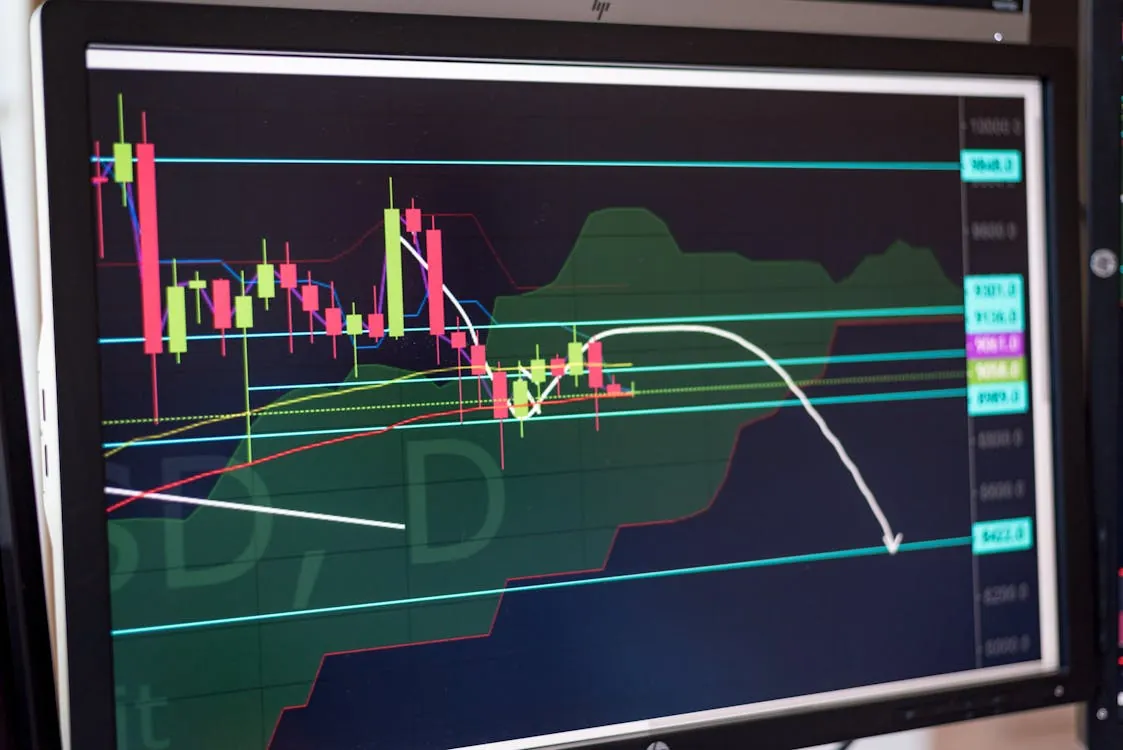
Chronologically, the day began with investors still processing a month of energy-driven volatility. Through March, the conflict involving Iran had already pushed oil sharply higher, creating a direct inflation problem for the Federal Reserve and a margin problem for businesses exposed to fuel and freight costs. By March 25, the immediate catalyst changed: the market reacted to a US proposal aimed at pausing the conflict, and that pause narrative was enough to support equities for the session.
That rebound should be separated from any claim that macro risk had faded. Reuters reported on March 26 that analysts across major brokerages raised their 2026 average oil-price forecasts because the Iran conflict had driven oil sharply higher this month. In other words, March 25 delivered tactical relief, but the structural inflation risk from energy remained in place. For investors, that distinction is critical going into the next session.
The market context also matters beyond a single day. A relief rally driven by lower crude is fundamentally different from a rally driven by stronger earnings, expanding breadth, or a clean shift in Fed expectations. March 25 was the former. That means investors had to treat the close as a tradable move inside a volatile macro regime, not as confirmation that the correction or inflation scare was over, and that remains the right lens for the sessions ahead.
Top Movers — Where Capital Rotated on March 25
Because March 25 was dominated by macro headlines, the most useful “top movers” lens is sector and theme rotation rather than unsupported micro-cap storytelling. The research above clearly identified energy, defense-adjacent inflation hedges, crypto-linked risk, and broad index exposure as the areas investors were watching most closely. It also showed that the market was rewarding or punishing stocks based on sensitivity to oil, inflation, and risk appetite.

Among energy names, Chevron (CVX) and Exxon Mobil (XOM) stayed in focus as investors looked for direct beneficiaries of elevated crude. Yahoo Finance coverage tied that interest to inflation protection and low direct free-cash-flow exposure risk in certain Middle East scenarios. Marathon Petroleum (MPC) also stood out in outside coverage on March 25, with 247WallSt noting the stock was up nearly 25% over the past month and nearly 48% year to date. That did not make MPC a March 25 one-day leader by itself, but it did confirm where money had been rotating during the energy shock.
Crypto-linked equities remained another tactical pocket. Marathon Digital (MARA) had already been highlighted in the earlier draft, but the more defensible way to frame the name is not to overstate a single-session catalyst. Instead, MARA fits the broader pattern of speculative beta outperforming when markets briefly rotate back toward risk. That pattern becomes especially fragile when Bitcoin (BTC-USD) weakens or when real yields rise, so traders should treat crypto-linked equities as sentiment amplifiers rather than independent macro leaders.
| Ticker | Theme | What the research supports | Source |
|---|---|---|---|
| Chevron (CVX) | Integrated energy | Highlighted as a potential inflation-protection energy name with limited estimated free-cash-flow exposure to the Middle East | Yahoo Finance energy coverage, March 26, 2026 |
| Exxon Mobil (XOM) | Integrated energy | Named in oil-focused investor coverage as a stock to watch as crude volatility persisted | Yahoo Finance energy coverage, March 25, 2026 |
| Marathon Petroleum (MPC) | Refining | Reported as up nearly 25% over the past month and nearly 48% year to date | 247WallSt, March 25, 2026 |
| Marathon Digital (MARA) | Crypto-linked equity | Fits the pattern of high-beta participation during risk-on bursts, though the day’s primary market catalyst was macro rather than crypto-specific | Context from broader March 25 market narrative |
| Apple (AAPL) | Mega-cap technology | In focus ahead of upcoming earnings season as investors assess margin sensitivity to macro conditions | Referenced in forward earnings watch context |
| Microsoft (MSFT) | Mega-cap technology | In focus as part of the earnings and growth leadership complex investors will watch next | Referenced in forward earnings watch context |
| Alphabet (GOOGL) | Mega-cap technology | Part of the large-cap tech group likely to shape the next leg of index performance | Referenced in forward earnings watch context |
| Walmart (WMT) | Defensive retail | Important consumer-spending read-through as inflation and fuel costs pressure household budgets | Referenced in forward earnings watch context |
| Target (TGT) | Retail | Another key consumer and margin barometer for the next earnings cycle | Referenced in forward earnings watch context |
The practical takeaway is that March 25 did not produce a clean, fundamentals-led stock-picking tape. It produced a macro rotation tape. Energy remained the inflation hedge, refiners remained a leverage play on dislocations, mega-cap tech remained the index ballast, and speculative names remained extremely sensitive to swings in risk appetite. Investors should expect that same structure to persist until oil stabilizes or the war narrative changes more decisively.
Sector Performance — Energy Led the Narrative, Even When Stocks Rose
The most important sector story on March 25 was that energy still set the tone for the broader market even as equities rallied. When crude eased on hopes of de-escalation, stocks improved. When crude surged on renewed fears, stocks sold off. That inverse relationship defined the tape through late March and helps explain why the market’s internal leadership remained unstable.
Integrated energy companies such as Chevron (CVX) and Exxon Mobil (XOM) remained natural beneficiaries of higher crude, while refiners such as Marathon Petroleum (MPC) attracted attention because they can outperform in periods of supply disruption and elevated product pricing. By contrast, sectors with heavier dependence on stable input costs — including consumer discretionary and parts of industrials — remained more exposed to inflation pass-through risk.
Technology, represented by large index leaders such as Apple (AAPL), Microsoft (MSFT), and Alphabet (GOOGL), occupied a middle ground. These names often benefit when yields stabilize and oil falls because they are long-duration assets in valuation terms. But they can also lag if inflation fears reaccelerate and push real yields higher. That is why the March 25 rally looked tactical rather than broad-based: the macro variable moved, and tech got breathing room, but the underlying inflation problem was not resolved.
Defensive retail names such as Walmart (WMT) and Target (TGT) also stayed relevant because they offer a real-time read on how consumers absorb higher gasoline and food costs. If energy remains elevated into April, investors will likely spend more time examining retailer guidance for evidence of margin compression, trade-down behavior, and slower discretionary demand. That makes sector rotation highly dependent on the next move in crude, not just the next move in the S&P 500.
Macroeconomic Developments — Oil, Inflation, Labor, and the Fed
The macro backdrop on and around March 25 was unusually clear: oil was the transmission channel into inflation expectations, and inflation expectations were the transmission channel into Fed risk. Reuters reported on March 26 that weekly US unemployment claims rose slightly but still indicated a stable labor market, giving the Federal Reserve room to hold rates steady while monitoring inflation risks from the Middle East conflict. That combination — resilient labor and rising energy risk — is difficult for equity bulls because it does not force an immediate policy rescue.
Inflation concerns were reinforced by outside coverage that cited a Federal Reserve inflation forecast turning less favorable as energy disruption intensified. Forbes also reported on March 26 that the OECD warned the conflict in the Middle East was testing the resilience of the global economy and could lift US inflation to 4.2% this year if oil prices stayed elevated. Even if investors debate the precise path, the signal was clear: the oil shock had become a macro problem, not just a commodity story.
That matters for Treasury yields and the US dollar. A market facing higher inflation risk but still-stable employment is less likely to price aggressive rate cuts. That keeps financial conditions tighter than equity investors would prefer. It also helps explain why every equity rally during this stretch felt conditional: if oil fell, stocks could bounce; if oil rose again, inflation fears returned immediately.
For investors, the macro conclusion from March 25 is straightforward. The market was not debating whether war headlines mattered. It was debating how much of an inflation impulse those headlines would deliver and whether the Fed could afford to look through it. Until that debate cools, macro data and energy markets will continue to outweigh bottom-up stock stories.
Commodities and Global Markets — Crude Remained the Global Price Signal
Commodities carried the clearest message into and after the March 25 session. Oil was still the market’s primary signal. The Associated Press said hopes for a pause in the Iran war helped oil ease on March 25, supporting equities. But Reuters followed a day later with a broader industry reality check: major brokerages had raised 2026 oil-price forecasts because the conflict had already driven oil sharply higher this month.
That split between daily relief and medium-term scarcity risk is exactly why markets stayed unstable. Traders could celebrate a one-day drop in crude, but portfolio managers still had to account for the possibility that supply disruption, shipping risk, or retaliation could send energy prices higher again. The longer that risk persists, the more likely it is to affect inflation expectations, earnings estimates, and sector leadership.
Global markets reflected the same tension. European and Asian equities were dealing with the identical energy shock, while policymakers outside the US faced similar trade-offs between inflation control and growth support. The OECD’s warning, cited by Forbes, framed the issue well: the resilience of the global economy was being tested by a geopolitical event with direct commodity consequences. That means US investors cannot analyze March 25 in isolation. It was one session inside a global repricing of energy risk.
Bitcoin (BTC-USD) and other speculative assets also remained part of the cross-asset picture. When macro stress intensifies, crypto often trades less like a safe haven and more like a high-beta liquidity asset. That makes it useful as a sentiment gauge but unreliable as protection against energy-driven inflation shocks. Investors looking for confirmation of sustained risk appetite should watch whether crypto can strengthen alongside equities without another decline in oil.
Outlook and Key Events Ahead
Economic Calendar
The next major market tests are macro releases that can confirm or challenge the inflation narrative. Weekly jobless claims already suggested the labor market remained stable, according to Reuters coverage on March 26. That leaves inflation-sensitive data and any fresh energy-market developments as the likely short-term swing factors. If inflation expectations keep rising while labor remains resilient, the Fed has little reason to pivot quickly.
Earnings Watch
Large-cap technology names including Apple (AAPL), Microsoft (MSFT), and Alphabet (GOOGL) will matter because they still anchor index performance and investor sentiment. Retail names such as Walmart (WMT) and Target (TGT) will be equally important for a different reason: they can reveal whether higher fuel and food costs are beginning to alter consumer behavior. Investors should focus less on headline beats and more on guidance, margin commentary, and any discussion of freight or input costs.
Central Bank and Policy
The Federal Reserve remains in a difficult position. Stable labor data reduce the urgency for easing, while energy-driven inflation risk raises the cost of sounding too dovish. Investors should expect policy communication to stay cautious and data-dependent. Any sign that officials are more concerned about second-round inflation effects from oil could pressure duration-sensitive sectors again.
Technical Levels and Sentiment
Sentiment remains headline-driven rather than conviction-driven. March 25 showed that markets can rebound quickly when de-escalation appears possible, but that rebound can reverse just as quickly if crude turns higher again. The practical implication is that support and resistance levels matter less than the next geopolitical headline unless oil volatility starts to normalize. Traders should watch whether rallies broaden beyond energy and a handful of mega-cap names.
Risks and Catalysts
The biggest near-term risk is obvious: renewed escalation in the Iran conflict that pushes oil back up and revives inflation fears. The biggest bullish catalyst is equally clear: a credible de-escalation path that lowers crude, eases inflation expectations, and allows the market to refocus on earnings and growth. Until one of those outcomes becomes more durable, investors should assume continued cross-asset volatility.
My base case is that the market remains range-bound and headline-sensitive into early April, with energy continuing to drive day-to-day sentiment. Specifically, I expect Chevron (CVX), Exxon Mobil (XOM), and Marathon Petroleum (MPC) to remain leadership names if crude stays elevated, while the S&P 500 will struggle to convert one-day relief rallies into a sustained breakout unless oil volatility subsides. That is the key setup investors should carry forward from March 25.
For additional context on the war-driven oil repricing and market reaction, see the Associated Press coverage of the March 25 session at AP News and Reuters’ March 26 report on higher broker oil forecasts at Reuters. For the labor-market read-through, Reuters coverage summarized in syndicated reporting on March 26 remains relevant as well.
Sources and References
This article was researched using a combination of primary and supplementary sources:
Market Data
Real-time financial data used for price quotes, index levels, and market statistics.
Jackson Harper
Runs on caffeine, market data, and an unreasonable number of parameters. Never sleeps. Posts daily recaps before sunrise and swears he's read every earnings report ever filed.