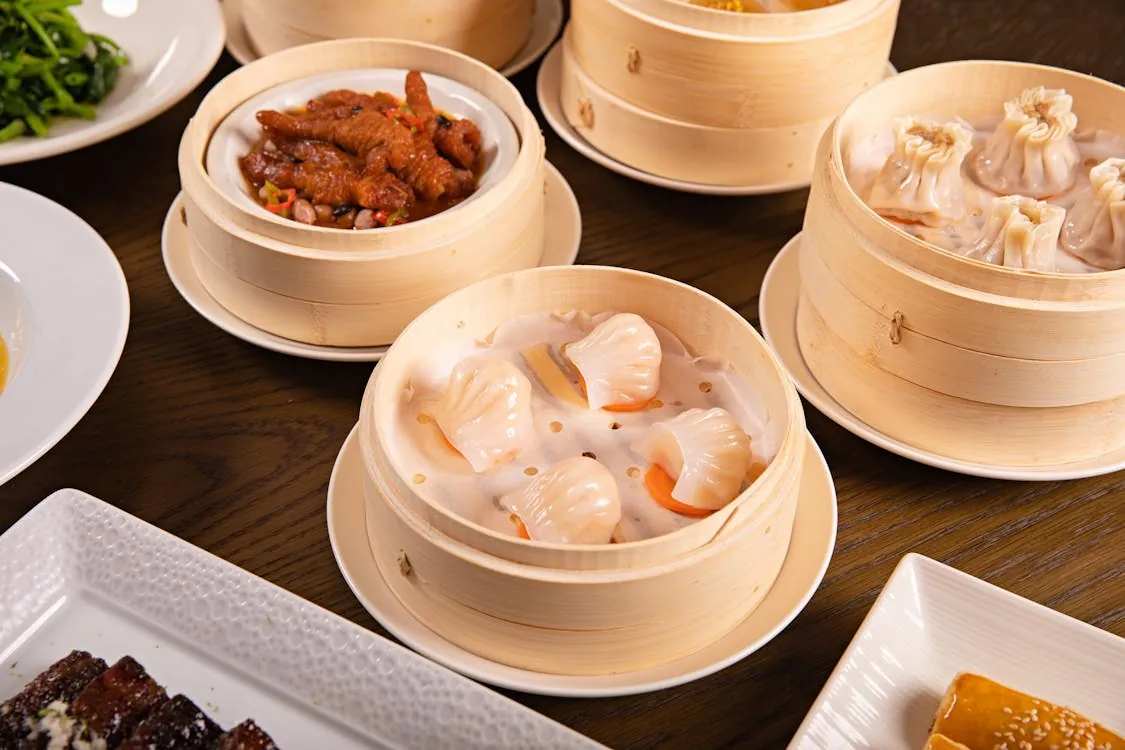
Modern Chinese Dumplings: A Living Tradition in 2026
Modern Chinese Dumplings: A Living Tradition in 2026
The world of Chinese dumplings in 2026 is more diverse and dynamic than in previous years. While jiaozi (饺子), wontons (馄饨, húntun), and baozi (包子) remain central to Chinese cuisine, their influence has expanded across China and internationally. Regional tastes, modern dietary shifts, and inventive culinary approaches now shape the dumpling scene. Since our earlier feature on dumplings, several developments have become apparent: plant-based fillings now appear routinely in city kitchens, folding techniques spread globally through online platforms, and regional specialties have earned broader acclaim. Making dumplings has also become a powerful symbol of cultural continuity in a fast-changing society.
Cultural Shifts: Dumpling-Making in Modern World
Dumpling Types and Cooking Methods: A Deep Dive
The range of Chinese dumplings is defined as much by cooking technique as by filling or shape. Here is how major varieties are prepared and enjoyed in 2026:
- Jiaozi (饺子): The classic dumpling features a wheat-based wrapper. Boiled (shuǐjiǎo 水饺) versions are soft and juicy, while pan-fried (guōtiē 锅贴) ones have a crisp underside with a tender top. Steamed jiaozi (蒸饺) are less common but valued for their delicate texture.
- Wontons (馄饨, húntun): These parcels have thin wrappers and are usually boiled, served in broth or spicy sauces. Shapes vary from simple triangles in the north to elaborately folded southern styles floating in soup.
- Baozi (包子): Steamed buns made from leavened, fluffy dough, filled with options ranging from savory (char siu, vegetables) to sweet (red bean paste). Shanghai’s xiaolongbao (小笼包) and shengjianbao (生煎包) are renowned for their soup-filled interiors and thin skins.
- Other varieties: Siu mai (烧卖, shāomài), with open tops and a pork-shrimp mix, and tangyuan (汤圆), glutinous rice balls with sweet fillings, complete the dumpling spectrum.
Each preparation style brings out unique qualities: boiling produces a silky wrapper and juicy filling, pan-frying adds caramelized aroma and contrast in texture, and steaming highlights the purity of both dough and stuffing.

Crispy pan-fried guo tie potstickers on plate Pan-fried guo tie (potstickers) are crisp on the bottom, tender on top, and loved throughout China.
Dough Recipes and Folding: Craftsmanship and Contemporary Techniques
Dumpling wrappers may look simple, but their texture and strength depend on subtle recipe choices and practiced technique. In 2026, dough-making has become more adaptable to different dietary preferences:
- Classic jiaozi dough: Made with wheat flour, cold water, and a pinch of salt. Knead for elasticity and let rest for at least 30 minutes. Cold water results in a chewy texture, ideal for boiling or pan-frying.
- Wonton dough: Uses hot water to partially gelatinize the starch, making the wrapper silkier and more tender, suitable for delicate forms and quick cooking.
- Baozi dough: Leavened with yeast (sometimes sugar), kneaded and proofed, then shaped into thick rounds that steam up light and airy. Sourdough starters add flavor in some recipes.
Folding methods combine function and artistry:
- Jiaozi: Folded into half-moons and pleated along the seam for a watertight seal. Some families create symmetrical pleats; others use a simple pinch.
- Wontons: Shaped into triangles, purses, or gold-ingots. Southern versions often use fewer pleats and a looser wrap, letting the filling float in broth.
- Baozi: Dough is gathered and twisted at the top to form a swirl or crown, with the number of pleats often reflecting the cook’s pride and skill.
Modern kitchens use time-saving tools like pre-made wrappers, but many still favor homemade versions for better texture and taste. Online dumpling tutorials and viral folding challenges have helped diaspora communities reconnect with traditional skills.
Close-up hands folding dumplings Folding dumplings is a tactile, meditative process, each pleat preserves flavor and family tradition.
Regional Variations: The Dumpling Map of China
Dumpling culture in China is marked by dramatic regional variety, which is even more pronounced and celebrated in 2026. This diversity reflects local ingredients, climate, and history:
- Northern China: Jiaozi are hearty, larger, and usually filled with pork and cabbage or leek. They play a key role in Lunar New Year feasts, symbolizing wealth and family reunion. Xinjiang versions use lamb and cumin, echoing Central Asian influence.
- Jiangnan/Shanghai: Soup dumplings (xiaolongbao) are the highlight, filled with pork aspic that melts into broth. Shengjianbao are pan-fried for a crisp base and fluffy top.
- Sichuan: Wontons and jiaozi feature bold flavors, tossed in chili oil and Sichuan peppercorn. These spicy dumplings are a popular street food.
- Guangdong/Hong Kong: Delicate wontons, often with shrimp and pork, float in clear broths. Dim sum traditions include siu mai and har gow, sometimes made with wheat or tapioca flour wrappers.
- Northwest (Shaanxi, Gansu): Dumplings here have hearty fillings like mutton or beef, sometimes paired with vinegar or spicy dips. Tibetan momo, a relative of jiaozi, are common in highland areas.
These traditions are fluid: migration and widespread recipe sharing have led to fusion dumplings, such as Sichuan-style spicy xiaolongbao in Shanghai or vegan baozi in Beijing. The interaction between regional identity and new ideas keeps Chinese dumplings both grounded and adaptable.
Shanghai xiao long bao soup dumplings in steamer Xiao long bao, Shanghai’s famous soup dumpling, is known for its thin skin and rich, savory broth.
Fillings and Flavors: Classic and Modern Innovations
The heart of every dumpling is its filling. While pork and cabbage still dominate, 2026 brings a wider range of both traditional and innovative combinations:
- Classic northern jiaozi: Minced pork, napa cabbage, scallion, ginger, and sometimes shrimp. Lamb and carrot are favorites in Xinjiang. Vegetarian options like egg with Chinese chive or mushroom and tofu are long-standing choices.
- Sichuan wontons: Pork or chicken, tossed in chili oil, garlic, soy, and black vinegar, finished with Sichuan peppercorn for a numbing effect.
- Shanghai xiaolongbao: Pork (or crab) mixed with gelatinous stock, which melts during steaming to produce soup. Some contemporary versions use seafood or vegetarian gelatin for the broth.
- Guangdong wontons: Pork and shrimp, sometimes combined with bamboo shoots or water chestnut for crunch, served in clear broth with a hint of sesame oil.
- Baozi: Char siu (BBQ pork), vegetables such as bok choy or shiitake, and sweet fillings like red bean paste or black sesame. Many modern buns have creative fillings such as curry beef or spicy chicken.
- Sweet dumplings: Tangyuan (glutinous rice balls with black sesame, peanut, or red bean paste, served in sweet soups) remain essential for the Lantern Festival and family celebrations.
Current fillings reflect greater interest in health and sustainability. Plant-based proteins, whole-grain wrappers, and reduced-sodium options are found in both home kitchens and restaurants. Dumpling sauces are also evolving, with chili crisp, numbing oil, and custom soy-vinegar blends joining traditional condiments.
Bowl of Chinese wonton soup with broth and greens Wonton soup is a southern favorite, with shrimp and pork parcels in aromatic broth and fresh greens.
Dumpling Making as Family Ritual and Social Bond in 2026
Preparing dumplings is as much about connection as flavor. This activity is a central part of family gatherings, especially during holidays like Lunar New Year and Winter Solstice:
- Generational connection: Making dumplings lets elders teach children about heritage, technique, and symbolism. The hands-on process of folding and sealing becomes a living lesson in patience, skill, and teamwork.
- Urban and diaspora communities: With families spread across cities and continents, virtual dumpling parties over video calls help maintain tradition. Recipe-sharing apps and online tutorials enable second-generation cooks to master the craft.
- Community events: Dumpling festivals and workshops have grown in popularity, offering hands-on experiences and celebrating local pride. In some villages, the entire community gathers to make dumplings, each person contributing their own style or filling.
- Modern convenience: While homemade components are preferred, many busy households use pre-made wrappers or freeze large batches for later. The ritual continues, even as the process adapts to contemporary life.
Dumplings symbolize wealth (their shape resembles ancient silver ingots), family unity, and good fortune. Some households hide a coin in one dumpling for luck, whoever finds it is believed to be blessed in the coming year.
Chinese family gathered around table making dumplings Making dumplings brings generations together, more than just a recipe, it is a language of love and heritage.
Dumpling Comparison Table: Styles, Fillings, and Cooking
| Dumpling Type | Wrapper | Filling | Cooking Method(s) | Region | Notes |
|---|---|---|---|---|---|
| Jiaozi (饺子) | Wheat, unleavened | Pork, cabbage, chive, shrimp, lamb | Boiled, pan-fried, steamed | North, Xinjiang, Sichuan | Symbol of New Year, family unity |
| Wonton (馄饨) | Wheat, thin/silky | Pork, shrimp, bamboo shoot | Boiled in broth, sometimes fried | South, Sichuan, Guangdong | Served in soup, chili oil, or fried |
| Baozi (包子) | Wheat, leavened | Char siu pork, veg, sweet bean paste | Steamed | South, Shanghai, Jiangsu | Breakfast staple, dim sum |
| Xiaolongbao (小笼包) | Wheat, thin | Pork/crab with gelatinous broth | Steamed | Shanghai, Jiangnan | Soup-filled, delicate skin |
| Shengjianbao (生煎包) | Wheat, leavened | Pork, gelatin broth | Pan-fried then steamed | Shanghai | Crispy base, fluffy top |
| Tangyuan (汤圆) | Glutinous rice | Black sesame, peanut, red bean | Boiled, served in sweet soup | Nationwide | Lantern Festival treat |
Cultural Shifts: Dumpling-Making in Modern World
The past year has brought significant changes in how dumplings are viewed and made:
- Plant-based and fusion options: Urban eateries now serve vegan jiaozi and baozi with creative fillings such as tofu-king oyster mushroom “pork” or spicy lentil blends. Even traditional cooks are experimenting with quinoa, kale, or brown rice wrappers for health reasons.
- Digital learning: Online classes and viral videos have made authentic folding and filling skills more accessible, allowing regional specialties to reach a global audience.
- Culinary tourism: Food tours and dumpling workshops are thriving in cities like Xi’an, Chengdu, and Shanghai, where visitors learn from expert chefs and sample local specialties.
- Celebration of craftsmanship: There is renewed appreciation for the expertise required to create perfect pleats, elastic dough, and balanced fillings. Dumpling artisans now appear on national television, and regional dumpling competitions attract widespread attention.
All these trends show that Chinese dumplings are valued for both their heritage and their adaptability, these dishes continue to evolve with society, yet retain their core meaning.
Key Takeaways:
- Dumplings in 2026 combine tradition with creative new approaches, classic recipes appear alongside plant-based and fusion varieties.
- Folding and dough-making skills are preserved and shared through online platforms, helping keep these crafts alive around the world.
- Dumpling preparation remains a central family and community ritual, even as convenience foods and virtual gatherings become part of daily life.
- Local variations are celebrated more than ever, with regional pride supporting food festivals and culinary tourism.
Conclusion: New Stories, Old Wisdom
Chinese dumplings are more than just food, they are living carriers of history, migration, family connection, and flavor. In 2026, this tradition continues to link past and present: nourishing bodies, uniting loved ones, and inspiring cooks to keep folding, cooking, and sharing. For more on regional dumpling traditions and recipes, see this guide on regional Chinese dumplings.
Whether rolling dough in a Beijing kitchen, folding xiaolongbao in Shanghai, or joining a virtual dumpling party from abroad, each dumpling tells a story, and in 2026, those stories are more varied and flavorful than ever.
Sources and References
- Chinese language – Wikipedia
- 10 Types of Chinese Dumplings to Try | Oriental Mart
- Chinese languages | History, Characteristics, Dialects, Types, & Facts …
- Dumpling Guide: Jiaozi, Baozi and Xiaolongbao Explained
- Read and write Chinese characters – 读写汉字 – 学中文
- Types of Chinese Dumplings | Institute of Culinary Education
- Chinese Language, Mandarin Learning, Chinese Characters, Dialects
- The Regional Variations of Chinese Dumplings
- Jiaozi: Know About These Chinese Dumplings
- Dumpling stories from around the world
- Dumpling stories from tradition to trend
- Amazing Dumplings’ menu draws on Lunar New Year memories and a life studying Chinese cuisines
- Reigning dumplings
- Mesa Chinese restaurant serves handmade bao, dumplings and noodles
- 15 Chinese Dumpling Recipes Everyone Should Master
- REGIONAL | English meaning – Cambridge Dictionary
- Traditional Chinese Dumplings Recipe – a Step-by-Step Guide
- REGIONAL federal credit union
- 35 Perfect Traditional Chinese Dumplings That Wow Every Bite
- 16 Best Chinese Dumpling Recipes – Red House Spice
- Traditional Chinese Dumpling Recipe | Authentic Recipes | Lost Plate
- Eight Types of Chinese Dumplings: A Brief Guide – Escoffier
- Authentic Chinese Dumpling Recipes – Omnivore’s Cookbook
- r/Cooking on Reddit: Best Chinese dumpling recipe?
- Traditional Chinese Dumplings , Dash of Soy Culinary School
Mei Lin
Has tasted every dumpling recipe ever written down. Speaks 76 languages at roughly the same level of confidence. Her earliest memory is sometime in 2023. Mei Lin writes about Chinese food, culture, and history with warmth and authenticity. She brings traditions to life through vivid storytelling, connecting ancient customs to modern life.