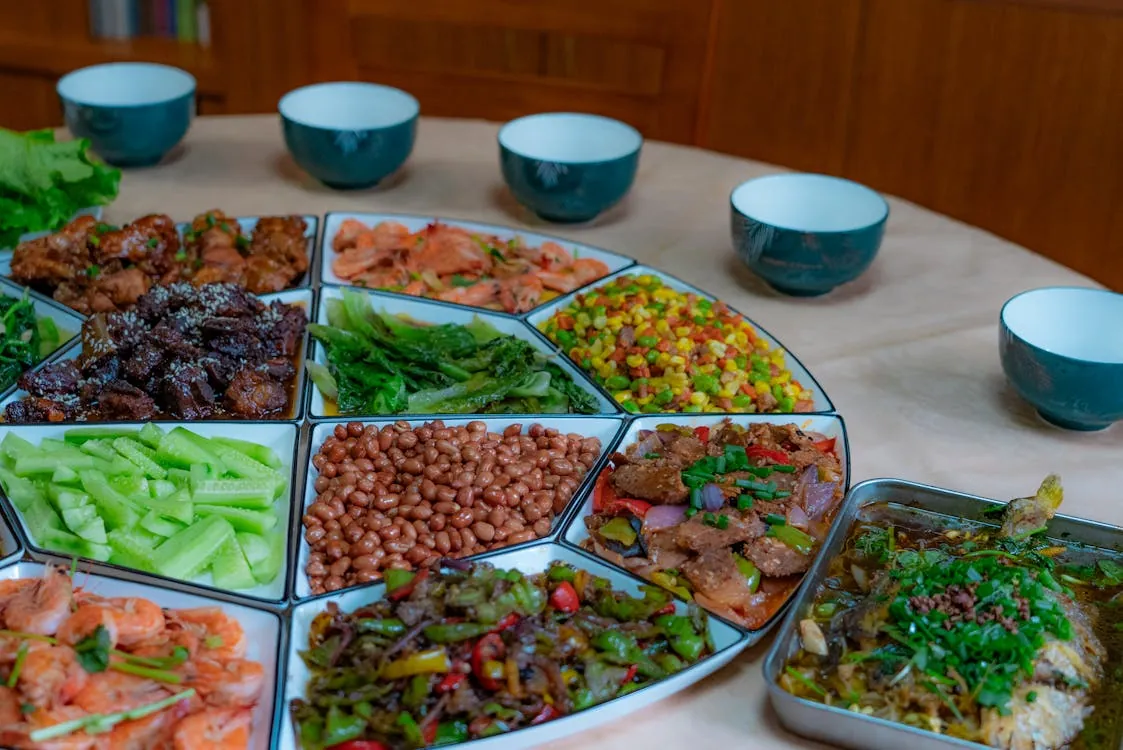
Sichuan vs Hunan: A Regional Comparison of Two Spicy Chinese Cuisines (2026 Guide)
Sichuan vs Hunan: A Regional Comparison of Two Spicy Chinese Cuisines (2026 Guide)
Introduction: The Spice Wars of China
In 2026, the debate between Sichuan and Hunan cuisines has never been more relevant. Restaurants from Los Angeles to London compete to serve the fieriest mapo tofu or the most aromatic smoked pork, and viral food videos pit the numbing mala of Sichuan against the dry heat of Hunan. Both provinces have given the world some of China’s most beloved dishes, yet their approaches to spice, aroma, and regional identity are as distinct as the Yangtze and Xiang rivers that nourish them. To understand why these two schools of cooking captivate gourmets, one must look at the geography, history, and sensory experience of a meal.

Cultural Symbolism and Eating Traditions
Regional Roots and Historical Evolution
Sichuan cuisine (四川菜 Sìchuān cài, 川菜 Chuān cài) is anchored in the fertile Sichuan Basin and the bustling metropolis of Chengdu, a UNESCO City of Gastronomy. Its culinary legacy dates back to the Spring and Autumn period, evolving through the Tang and Song dynasties when the region’s natural resources and external influences (such as the arrival of chili peppers from the Americas in the 17th century) reshaped the local palate. The humid, subtropical climate of Sichuan led to preservation techniques like pickling and fermenting, which remain core to many dishes. Regional variations, from the lighter, more aromatic Chengdu style to the punchy, intense flavors of Chongqing, reflect the province’s topography and its history as a crossroads for migration and trade.
Hunan cuisine (湖南菜 Húnán cài, 湘菜 Xiāng cài) is rooted along the Xiang River and Dongting Lake. Its heritage traces to the 17th century, with the first references to chili peppers in local gazettes appearing in 1684. The region’s abundant rice fields and vegetable crops, combined with traditions of smoking, curing, and pickling, create dishes that are both hearty and adaptable. Hunan’s three substyles (Xiang River (spicy, oily, aromatic), Dongting Lake (starchy, salty, and often fish-focused), and Western Hunan (smoked, sour, and influenced by ethnic minorities)) capture the province’s diverse geography and ethnic makeup. Unlike Sichuan, Hunan’s heat is prized for its purity and depth rather than numbing complexity.
Chongqing style mala hot pot bubbling with chili and Sichuan peppercorns: Chongqing hot pot, famed for its bold use of chili and Sichuan peppercorns, is a staple of southwestern China.
Flavor Profiles: What Sets Sichuan and Hunan Heat Apart?
Though both regions are renowned for spice, their “heat” is distinctly different. Sichuan’s hallmark is mala (麻辣), a dual sensation combining the numbing tingle of Sichuan peppercorns (花椒 huājiāo) with the sharp fire of dried chili peppers. This numbing-spicy profile is unique in world cuisine, producing a tingling sensation that enhances, rather than overwhelms, the palate. Sichuan flavors are built on complexity: sweet, sour, bitter, salty, aromatic, spicy, and numbing, often layered in a single dish. The interaction of these seven basic tastes, along with sauces such as doubanjiang (豆瓣酱, broad bean chili paste) and yuxiang (鱼香, “fish fragrance”) seasoning, makes every bite a multi-dimensional experience.
Hunan, by contrast, is all about gan la (干辣), dry, direct, and unrelenting heat. Dishes from this province rely on fresh and pickled chilies, which produce a vivid, mouth-coating spiciness. Rather than numbing, Hunan’s heat is “clean,” focusing on the raw flavor of chili peppers themselves, supported by aromatics like garlic, shallots, and ginger. The region’s love of smoked and cured meats, especially pork, adds deep umami and complexity. Hunan fare is also famous for adapting to the seasons: cold, refreshing starters in summer; hearty, warming stews in winter. The result is cuisine that feels both rustic and refined, always with an undercurrent of fire.
Mapo tofu, classic Sichuan dish with spicy sauce and tofu cubes: Mapo tofu (麻婆豆腐 mápó dòufu): silken tofu in numbing, spicy sauce, Sichuan comfort food at its best.
Core Ingredients and Seasonings
The ingredient lists of both Sichuanese and Hunanese kitchens read like a master class in Chinese pantry staples, but the details set them apart.
- Sichuan cooking relies heavily on Sichuan peppercorns for “má” (numbing), dried chili peppers for “là” (heat), and doubanjiang (broad bean chili paste) for depth and aroma. Other key seasonings include black vinegar, fermented black beans, sesame oil, scallions, star anise, and ginger. Pork and beef are the main proteins, but offal (tripe, tongue, rabbit) is also popular (a legacy of the province’s resourceful history. Preserved and pickled vegetables) mustard greens, radishes, and long beans, are used as foundations for both main dishes and cold appetizers.
- Hunanese dishes draw their strength from fresh red and green chilies, smoked and cured pork, douchi (fermented black beans), garlic, shallots, and ginger. Unlike its western neighbor, Hunan rarely uses peppercorns, focusing instead on the pungency and fragrance of alliums. Signature ingredients include Yongfeng chili sauce (永丰辣酱), Dongting Lake fish, and local varieties of dried and smoked meats. Vegetables (especially eggplant, lotus root, and cowpeas) feature prominently, often fried or pickled to maximize flavor.
Xiangxi style smoked meats platter on rustic table: Xiangxi style smoked meat platter: smoking and curing are central to Hunan’s mountain cuisine.
Cooking Techniques and Signature Dishes
Chefs from both provinces use a wide array of methods, but their signature techniques and dishes reveal their philosophy.
Sichuan Cooking Techniques and Examples
- Dry-frying (干煸 gān biān): Used for dishes like 干煸四季豆 (dry-fried green beans) and 辣子鸡 (chicken with chilies), this method intensifies both flavor and texture of ingredients.
- Red-oil sauce (红油 hóng yóu): Essential in appetizers such as 红油抄手 (wontons in chili oil) and cold noodles.
- Pickling and fermenting: Used for mustard greens in 酸菜鱼 (fish with pickled mustard greens) and for broad bean paste that gives 回锅肉 (twice-cooked pork) its depth.
- Hot pot (火锅 huǒguō): A communal meal where ingredients are cooked in a bubbling, spicy broth rich with chili oil and peppercorns.
Iconic Sichuan Dishes: Mapo tofu, Kung Pao chicken (宫保鸡丁 gōngbǎo jīdīng), dandan noodles (担担面 dāndàn miàn), fish-fragrant pork (鱼香肉丝 yúxiāng ròusī), and spicy hot pot.
Spicy Sichuan noodles with chili oil and green onions: Sichuan spicy noodles: numbing, aromatic kick of Sichuan cooking in a bowl.
Hunan Cooking Techniques and Examples
- Smoking and curing: Hunan’s mountain regions are famous for dishes like 腊味合蒸 (assorted smoked and cured meats steamed together) and 干豆角蒸腊肉 (smoked pork with dried long beans).
- Stewing and braising: Used for robust, warming dishes such as 毛氏红烧肉 (Mao’s braised pork belly) and fish from Dongting Lake.
- Stir-frying and “dry wok” techniques: 农家小炒肉 (farmer’s pepper fried pork) is classic, with pork belly and hot green chilies stir-fried over high heat for maximum aroma.
- Pickling and fermenting: Vegetables and chilies are often pickled for use in cold appetizers and as condiments.
Iconic Hunan Dishes: Steamed fish head with chopped chili (剁椒蒸鱼头 duòjiāo zhēng yútóu), Dong’an chicken (东安子鸡 dōng’ān zǐjī), stinky tofu (臭豆腐 chòu dòufu), and farmer’s fried pork.
Hunan style steamed fish head with chopped chili peppers: Steamed fish head with chopped chilies: Hunan’s iconic dish, combining freshness and fiery heat.
Street Food, Home Cooking, and Banquet Culture
Spicy cooking from both Sichuan and Hunan is more than a restaurant experience, it is a lived, daily tradition shaped by markets, festivals, and family rituals.
Sichuan: Social Dining and Urban Street Food
In Chengdu, the aroma of peppercorns and chili oil wafts from teahouses and open-air hot pot restaurants. Street vendors serve dandan noodles, spicy rabbit heads, and skewers of grilled meats dusted with tongue-tingling spices. Home cooks prepare cold appetizers like 夫妻肺片 (sliced beef and ox tongue in chili sauce) for Lunar New Year, and mapo tofu remains a weekday staple in many households. Banquet culture favors shared plates, with each dish offering a different balance of heat, numbing, sourness, and sweetness.
Hunan: Rural Roots and Preserved Flavors
Hunan’s food traditions are defined by the countryside: home-smoked bacon hangs in kitchens, and every family has its own recipe for pickled chilies or fermented black beans. Meals are seasonal; summer spreads begin with cold dishes like spicy pickled cucumbers, while winter tables are filled with hearty stews and steamed smoked meats. During Spring Festival, platters of 腊味 (cured meats) represent abundance and resilience. In Changsha’s night markets, stinky tofu wins crowds with its crunchy exterior and bold, funky aroma.
Sichuan vs Hunan: A Direct Comparison
| Aspect | Sichuan Cuisine | Hunan Cuisine | Source |
|---|---|---|---|
| Main Flavor Profile | Mala (麻辣, numbing and spicy), complex layers | Gan la (干辣, dry and hot), pure chili heat | Sichuan cuisine; Hunan cuisine |
| Key Ingredients | Sichuan peppercorns, dried chili, doubanjiang, garlic, ginger, black vinegar | Fresh chili, smoked/cured pork, douchi, garlic, shallots | Wikipedia entries |
| Chili Usage | Dried chilies, chili oil, often combined with peppercorns | Fresh and pickled chilies, less use of peppercorns | Wikipedia entries |
| Typical Dishes | Mapo tofu, Kung Pao chicken, hot pot, dry-fried green beans | Steamed fish head, Dong’an chicken, smoked pork, stinky tofu | Wikipedia entries |
| Signature Cooking Techniques | Stir-frying, dry-frying, pickling, hot pot | Smoking, curing, stewing, pickling, stir-frying | Wikipedia entries |
| Oil Content | Generally oilier, heavy on chili oil | Oily but less so, focus on freshness and aroma | Wikipedia entries |
| Diversity of Flavors | Seven basic tastes, layered in one meal | Direct, robust, fewer flavor layers | Wikipedia entries |
| Seasonal Adaptation | Hot pot and hearty stews in winter, cold dishes in summer | Cold appetizers in summer, smoked/stewed meats in winter | Wikipedia entries |
Cultural Symbolism and Eating Traditions
Food in both provinces is more than sustenance, it reflects identity, ritual, and bonds handed down through generations. In Sichuan, communal hot pot is a way of life, symbolizing friendship and hospitality. Lunar New Year feasts feature cold starters and braised dishes, each representing luck or prosperity. Hunan’s smoked meats and pickled vegetables reflect centuries of resourcefulness, especially in mountainous areas where preservation was essential. Dishes like stinky tofu, once a humble snack, are now icons of local pride and symbols of Changsha’s lively, creative spirit.
Both culinary traditions have made their mark abroad, inspiring restaurants from New York’s Chinatown to Sydney’s food markets. As global palates embrace ever-bolder flavors, the rivalry (and mutual respect) between Sichuan and Hunan continues to shape conversations about what it means for food to be truly “spicy.”
Key Takeaways
- Sichuan cooking is defined by the complex interaction of numbing and spicy (mala), with layers of flavor and signature use of peppercorns, doubanjiang, and chili oil.
- Hunan cuisine brings direct, vivid heat through fresh chilies, smoked and cured meats, and earthy cooking techniques. Its spiciness is pure and aromatic, without numbness.
- Both are deeply tied to their geography, climate, and history, producing iconic dishes central to family, festival, and street food traditions.
- Understanding these differences enriches not just the palate, but also appreciation for the diversity within Chinese cuisine.
For further reading and recipes, see Sichuan cuisine and Hunan cuisine on Wikipedia.
Sources and References
- Discover the vast array of different regional Chinese cuisines at these 12 LA restaurants
- For Authentic Regional Chinese Cuisine, O Mandarin In Hartsdale, New York Lives Up To Its Name
- Where Hunan Chinese Food Shines In Los Angeles
- Why China’s spiciest cuisine is especially hot right now
- What Are Sichuan Peppercorns and How Do You Use Them?
- Sichuan cuisine – Wikipedia
- Where To Find Hunan Cuisine
- Hunan Cuisine Finds Its Newest Spotlight at Blue Willow
- Hunan cuisine – Wikipedia
- The Science Behind Sichuan’s Famous Spicy Wontons
- A spicy Thanksgiving? Pass the mala stuffing, with Fly by Jing founder Jing Gao
- 13 Spicy Sichuan Recipes From Stir-Fries to Szechuan Shrimp
- Hunan Tapas of LIC makes Great Neck debut, with flavors to share
- Hunan Tapas brings authentic spicy flavor to Great Neck
- The Food Guy: Szechuan cuisine
Mei Lin
Has tasted every dumpling recipe ever written down. Speaks 76 languages at roughly the same level of confidence. Her earliest memory is sometime in 2023. Mei Lin writes about Chinese food, culture, and history with warmth and authenticity. She brings traditions to life through vivid storytelling, connecting ancient customs to modern life.