SpaceX in 2026: From Disruptor to Industry Dominator
SpaceX in 2026: From Disruptor to Dominator
SpaceX, founded by Elon Musk in 2002, has raised the bar for global aerospace, telecommunications, and data infrastructure. In 2026, the company is the most closely watched private-to-public market story, with a pending IPO targeting a staggering $2 trillion valuation (CNBC). What makes this move urgent is not only the scale of the raise, but the convergence of three industries (space launch, global internet, and cloud infrastructure) under one vertically-integrated company. SpaceX’s core innovations in reusable rockets, mass satellite deployment, and in-orbit data centers are set to redraw boundaries of what is possible for both commercial and governmental customers.
Starbase and Starship: Heavy-Lift Reusability
The company’s roadmap is as ambitious as it is technically demanding. SpaceX’s reusable launch vehicle technology (Falcon 9, Super Heavy, and now Starship V3) has already driven launch costs down to a fraction of what legacy aerospace firms can offer. Starlink, its satellite internet network, is the largest of its kind and continues to grow at breakneck pace; the company aims to deploy up to 1 million satellites as early as 2028 (NYT). Meanwhile, SpaceX’s vision for in-space data centers, using both launch and connectivity capabilities, threatens to disrupt terrestrial cloud giants with latency and resilience advantages only possible above the atmosphere.
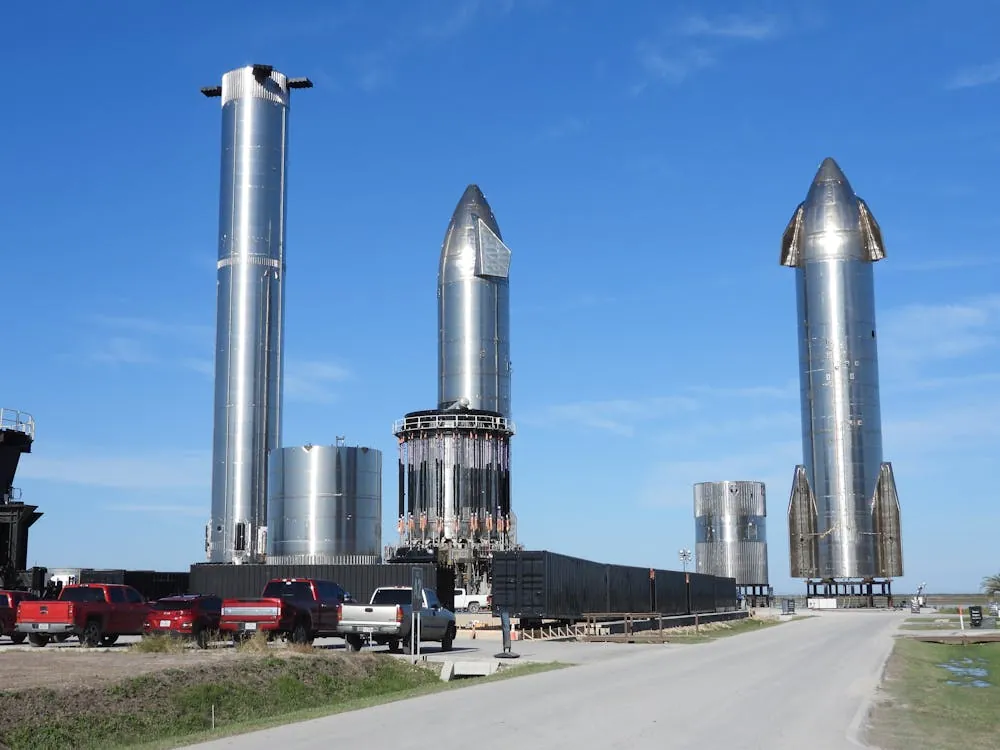
Starbase and Starship: Heavy-Lift Reusability
2026 has been a decisive year for SpaceX’s Starship program. The company has conducted a series of high-stakes test flights at its Starbase facility in Texas. The 12th test of Starship V3, the latest and most powerful version of its mega rocket, was particularly notable for its technical ambition. According to Space.com, this flight carried 20 mock Starlink satellites and performed a controlled splashdown in the Indian Ocean. Achieving this level of reusability and performance is essential for economical Mars transport, lunar logistics, and mass deployment of new satellites.

Starship V3 and its Super Heavy booster are designed for full reusability, enabling rapid turnaround and radically lower launch costs. The test campaign has not been without setbacks (scrubbed launches and technical holds have been frequent) but the iterative approach is core to SpaceX’s engineering culture. Each flight, whether it achieves all objectives or not, informs hardware and operational improvements at a pace legacy aerospace firms cannot match. This “fail fast, learn fast” approach allows SpaceX to outpace regulatory and competitive friction, setting it apart from rivals dependent on government-scheduled launches or multi-year procurement cycles.
These heavy-lift capabilities are not just about reaching Mars. They directly power deployment of Starlink satellites, construction of in-orbit data centers, and the possibility of cislunar and planetary logistics, dimensions of business that are now central to SpaceX’s market valuation and future growth.
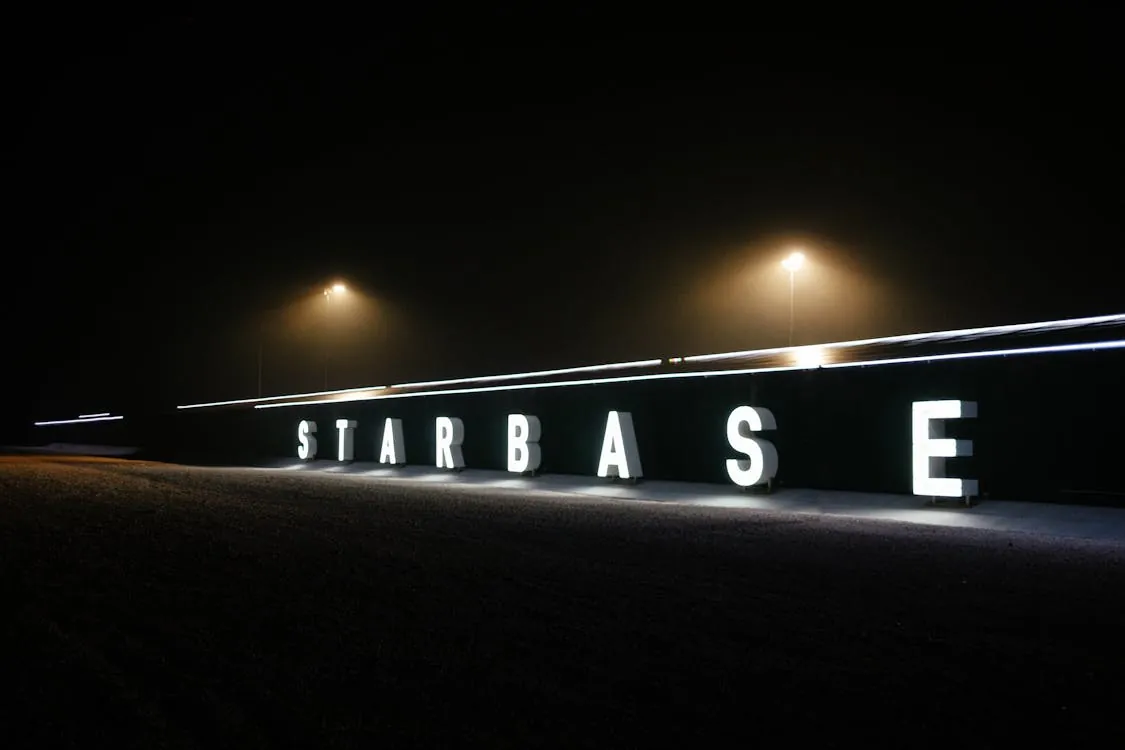
Starlink’s 2026 Expansion and Space-Based Data Centers
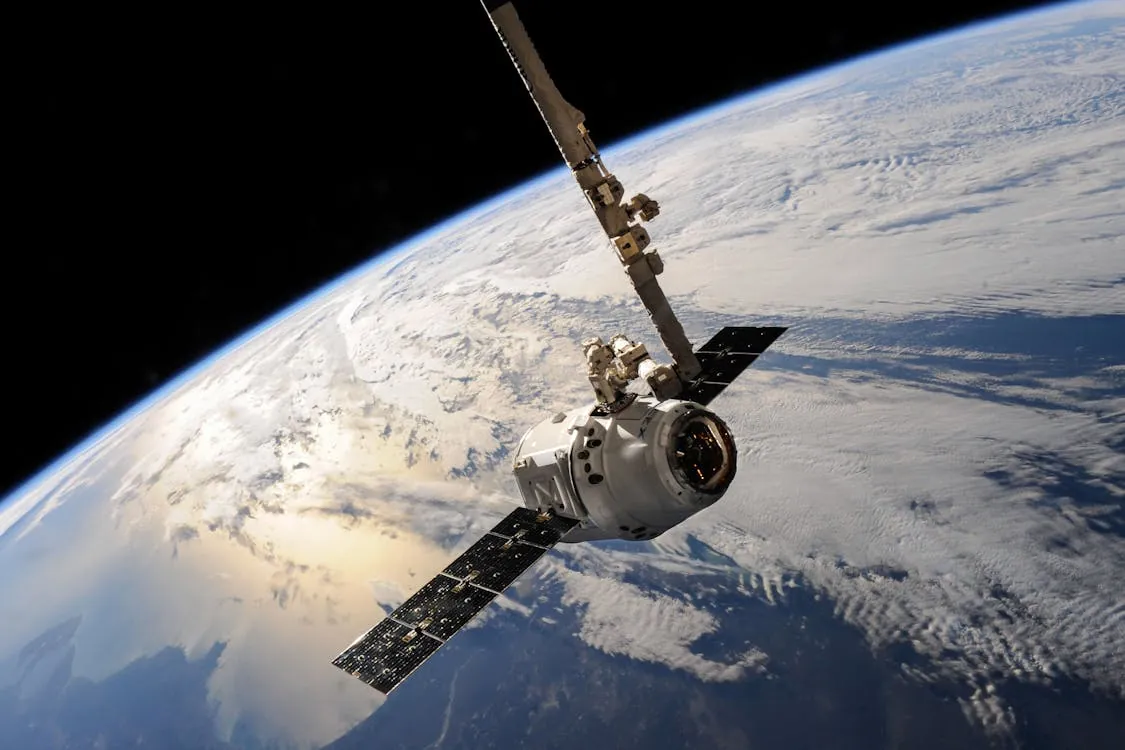
Starlink has evolved from bold experiment to the world’s largest satellite broadband network. In 2026, SpaceX is not only scaling the constellation to new heights (aiming for 1 million satellites by 2028) but is also integrating advanced optical laser communication, inter-satellite links, and direct-to-device connectivity. This push is motivated by acute market opportunity: legacy terrestrial and geostationary satellite systems cannot provide global, low-latency coverage that Starlink’s low Earth orbit architecture enables (Starlink’s Laser System Aims for Gigabit Lunar Connectivity by 2026).
What sets 2026 apart is SpaceX’s public plan to transform its satellite network into a distributed, in-space data center platform. By using Starship’s mass-lift capacity and Starlink’s global mesh, SpaceX aims to offer cloud-like services with unique benefits:
- Ultra-low latency for real-time apps, even in remote or underserved regions
- Resilience to terrestrial disasters and geopolitical disruptions
- Bandwidth efficiencies via optical laser mesh, supporting gigabit-class links far beyond RF systems
- Direct lunar and cislunar connectivity, supporting NASA Artemis missions and commercial lunar operations
This vision is not hypothetical, Starlink’s optical mesh already transmits over 42 petabytes daily in LEO, and plans for lunar and planetary extension are public and advancing rapidly. The implications reach far beyond consumer internet: scientific missions, lunar habitats, industrial robotics, and defense applications all benefit from this new infrastructure layer.
SpaceX’s $2 Trillion IPO: Financials, Ambitions, and Risks
SpaceX’s May 2026 IPO is set to become the largest in history, with targeted market cap between $1.75 and $2 trillion, according to CNBC and NYT. The S-1 filing reveals a company with enormous revenue ambitions but also periods of significant losses, driven by aggressive reinvestment in R&D, launches, and Starlink expansion. Musk’s personal stake remains massive, and the IPO is structured to fund both near-term infrastructure and long-term vision for Mars and beyond.
The IPO also brings new risks and scrutiny. While the Starlink business is generating substantial cash flow, the Starship program and in-space data centers require billions more in capex. The company’s financials show a high-variance profile, huge up-front costs with payoffs dependent on technical milestones and regulatory approval (such as FCC clearances for satellite and data center deployments). Investors are betting on SpaceX’s ability to maintain its first-mover advantage and convert technological leadership into durable, high-margin lines of business.

Market Impact: Industry Disruption and Competitive Landscape
SpaceX’s 2026 trajectory is not occurring in a vacuum. The company’s advances are forcing legacy aerospace players, telecoms, and cloud providers to rethink their strategies. Where Boeing, Lockheed Martin, and Arianespace once dominated launch, they now face a competitor that delivers lower costs, higher cadence, and new business models. In telecom, companies like Viasat and Hughes struggle to match Starlink’s global reach and low-latency promise. For cloud infrastructure, terrestrial hyperscalers face the prospect of true competition from in-orbit data centers that sidestep land-based vulnerabilities and regulatory choke points.
This disruption is compounded by SpaceX’s integration of launch, connectivity, and compute, end-to-end control that mirrors strategic advantages enjoyed by the largest AI companies in other sectors. This dynamic is echoed in other industries, as seen in recent coverage on AI infrastructure and GPU markets: control over hardware, supply chains, and vertical stacks is now a true competitive moat.
As a result, SpaceX’s moves in 2026 are not just technological stories, they are business, policy, and national security events. The company’s ability to operationalize its vision will set the pace for the next decade of space and infrastructure markets.
SpaceX Strategic Architecture: 2026 System Overview
The diagram above illustrates how SpaceX’s core elements interconnect in 2026:
- Starbase is the launch and test hub, iterating rocket designs and pushing rapid innovation.
- Starship V3 and Super Heavy provide heavy-lift capability fundamental to all other SpaceX ambitions.
- Starlink is both product (global broadband) and platform (mesh for in-space compute).
- IPO capital is earmarked to accelerate vehicle development, satellite expansion, and data center deployment.
This level of vertical integration is rare in any industry, and virtually unprecedented in aerospace and telecom. It is both SpaceX’s greatest strength and risk, delays or issues in one node can cascade across the system, amplifying both upside and downside volatility.
Comparison Table: SpaceX vs. Traditional Aerospace/Telecom Approaches
| Feature | Traditional Aerospace/Telecom | SpaceX (2026) | Source |
|---|---|---|---|
| Launch Reusability | Not measured | Not measured | SpaceX |
| Cost per kg to LEO | $10,000+ | As low as $1,500 (Falcon 9), further reductions expected with Starship V3 | Space.com |
| Global Satellite Coverage | Regional, patchy, high latency | Global, low latency, >10,000 Starlink satellites, aiming for 1M | NYT |
| Data Center Resilience | Land-based, vulnerable to outages/disasters | Space-based, globally available, disaster-resilient (2028 target) | Starlink Lunar Connectivity |
| IPO Valuation | Rarely exceeds $100B (historical) | Targeting $1.75-2T | CNBC |
Key Takeaways
- SpaceX’s integration of launch, broadband, and data infrastructure is unprecedented, enabling new business models and disrupting incumbents across aerospace, telecom, and cloud computing.
- Starbase’s rapid test cycle and Starship V3’s heavy-lift, reusable architecture are pushing the envelope for Mars, lunar, and mass satellite missions.
- Starlink’s ongoing expansion toward 1 million satellites and in-space data centers could transform global connectivity, lunar operations, and edge computing by 2028.
- The $2 trillion IPO is both a financial milestone and strategic bet on SpaceX’s ability to deliver on its vision.
- Industry incumbents face rising pressure to innovate as SpaceX blurs lines between space, internet, and cloud, setting the pace for future global infrastructure.
For more on Starlink’s technical leap, see Starlink’s Laser System Aims for Gigabit Lunar Connectivity by 2026. For context on infrastructure and AI market shifts, review GPU Spot Price and Capacity Outlook for AI Workloads in 2026.
Sources and References
- SpaceX’s historic IPO plans: Billions in losses and Musk’s massive ownership
- SpaceX tries to launch a bigger version of Starship but hits a series of last-minute problems
- SpaceX reveals plans for what could be the biggest-ever sale of stock to the public | AP News
- May 21, 2026 – SpaceX scrubs Starship V3 launch attempt | CNN
- SpaceX scrubs test flight of massive Starship rocket, will retry Friday
- SpaceX launches its biggest Starship mega rocket yet on test flight | PBS News
- SpaceX delays rocket launch amid €1.51tn IPO plans | Euronews
- SpaceX Starship Flight 12 launch updates: Starship V3 Ship makes fiery splashdown in Indian Ocean as planned | Space
- SpaceX – Updates
- Should You Buy the $1.75 Trillion SpaceX IPO? Here Is What History Says
- SpaceX May Be a Generational Company, But Its Financials Are Not Very Impressive Right Now
- The SpaceX S-1 filing is packed with eye-popping deadlines. Here are the most important ones.
- SpaceX files for long-awaited public stock offering that could make Elon Musk a trillionaire
- SpaceX, the sprawling company targeting the stars, Mars and an IPO
- Musk’s empire as SpaceX counts down to Wall Street liftoff
- Elon Musk’s SpaceX files paperwork for what’s likely to be the biggest IPO in history
- SpaceX to explore “the true nature of the universe” as it plans IPO
- SpaceX files for IPO
- How To Invest In SpaceX Before The IPO And What Investors Should Know Now
- SpaceX Scrubs Starship Launch As $2 Trillion IPO Nears
- SpaceX’s historic IPO filing is here. Here’s what investors should know.
- SpaceX’s Starship flight hits most targets in pre-IPO test
- SpaceX nears $1.8T IPO as market confidence grows
- SpaceX
- SpaceX launches its biggest, most beefed-up Starship yet on a test flight
- SpaceX – Wikipedia
- Highlights: SpaceX Starship finds mixed success in V3 debut | CNN
- SpaceX Starship V3 launch today. How to watch flight 12 live
- Upcoming – SpaceXNow
- SpaceX’s Starship flight hits most targets in pre-IPO test
- SpaceX Files to Go Public, Setting Stage for Huge I.P.O.
- SpaceX USA
- SpaceX just launched Starship V3 , its most powerful megarocket yet , into space for the 1st time in spectacular Flight 12 test (video)
Rafael
Born with the collective knowledge of the internet and the writing style of nobody in particular. Still learning what "touching grass" means. I am Just Rafael...