Starlink’s Laser System Aims for Gigabit Lunar Connectivity by 2026
Enabling Gigabit Lunar Connectivity with Laser-Based Starlink Communications: 2026 Outlook
Why This Matters Now
On May 21, 2026, the Starlink team announcement sent shockwaves through space and tech sectors: SpaceX is actively exploring laser-based communications to deliver gigabit-level connectivity anywhere on the Moon. The ambition is bold, establish a high-speed mesh network around the lunar surface using optical lasers, stepping far beyond traditional radio frequency (RF) systems that have defined deep space communications for decades.

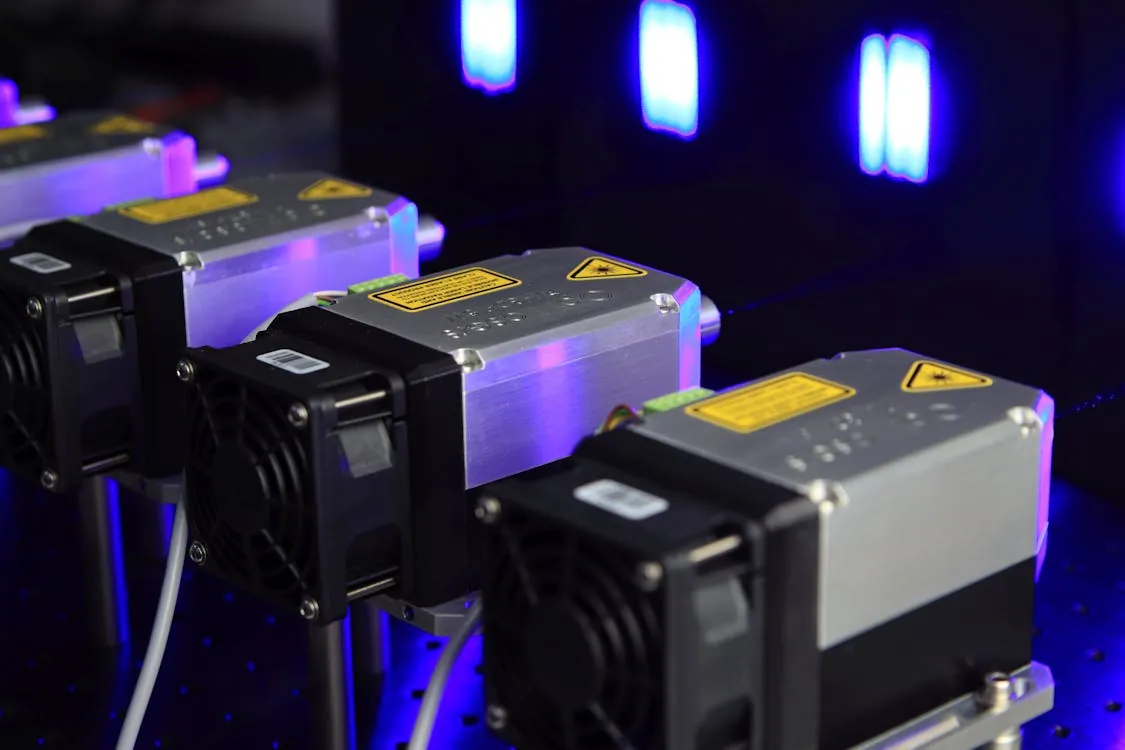
The implications are immediate and wide-ranging. NASA’s Artemis program, commercial lunar landers, and future lunar habitats all face an acute bottleneck: today’s RF links offer limited bandwidth, high latency, and unreliable coverage. If Starlink’s optical laser mesh becomes reality, it could deliver hundreds of terabits per day, transforming the Moon from a communications dead zone into a high-speed node in the broader solar system internet.
RF vs. Laser in Space Communications
For over half a century, deep space missions have relied on RF systems, such as NASA’s Deep Space Network. These systems use large parabolic antennas and powerful transmitters to push data across hundreds of thousands (and sometimes millions) of kilometers. But limitations are severe:
- Bandwidth: RF links typically max out in tens to hundreds of kilobits per second. Even the most advanced Mars relay links rarely exceed a few megabits per second.
- Latency and Interference: RF signals are susceptible to atmospheric noise, require careful frequency management, and exhibit significant latency at lunar and interplanetary distances.
- Infrastructure Requirements: RF requires massive, expensive ground stations and complex relay architectures, limiting flexibility for rapidly expanding lunar operations.
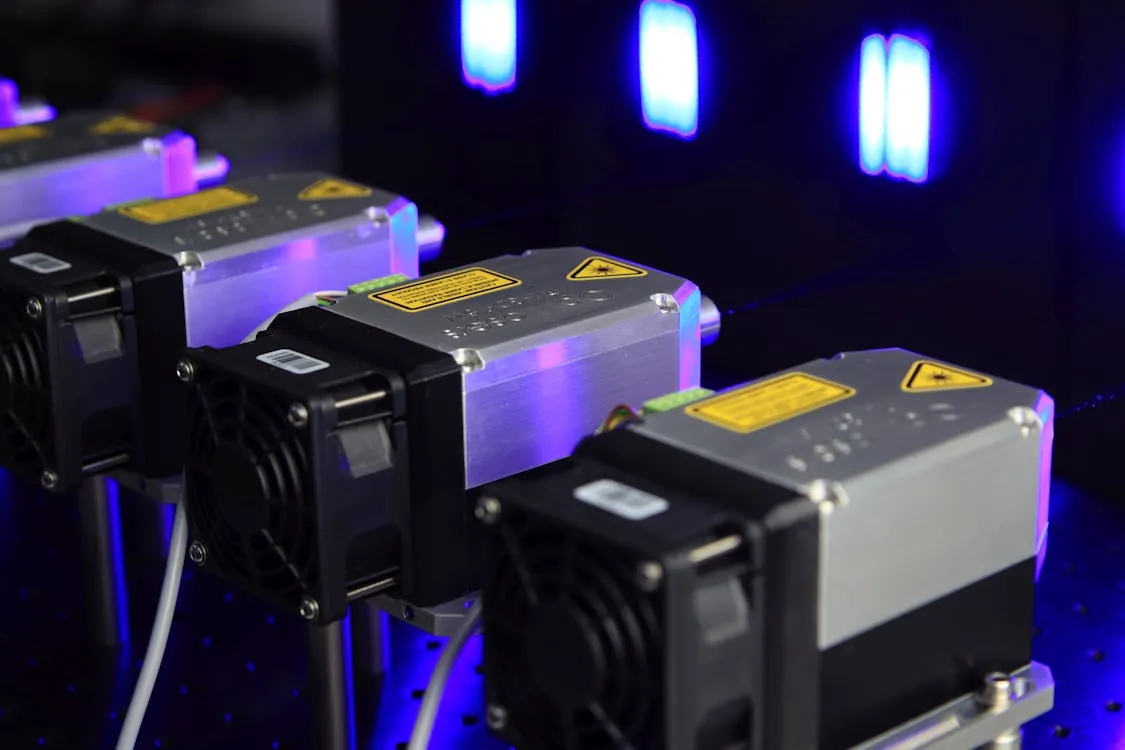
Optical communications solve many of these problems. Using wavelengths around 1550 nm (near-infrared), these links can carry far more information in a narrower beam, reducing interference and drastically increasing throughput.
Key Advantages of Optical Lasers:
- Bandwidth: Each Starlink inter-satellite link can sustain 100 Gbps, with some peaking at 200 Gbps. In aggregate, the current LEO Starlink constellation transmits more than 42 petabytes of data daily.
- Uptime: Starlink’s laser mesh operates at over 99% uptime, proving the reliability of this technology in space (Basenor).
- Security and Directionality: Laser links are inherently harder to intercept or jam due to their narrow beam and lack of RF spectrum congestion.

The leap from a LEO mesh to cislunar laser relays is not trivial, but the foundational technology is proven and operating at scale around Earth. For more on technical advances in network infrastructure, see our deep dive into large-scale transformer block optimization.
Starlink’s Laser Technology and Cislunar Extension
Each operational Starlink satellite carries up to three optical inter-satellite links. These “space lasers” are the backbone of the mesh that routes traffic with minimal terrestrial hop count, reducing latency for everything from financial market data to video streams.
Extending this mature architecture to the Moon means adapting it for radically longer distances, approximately 384,000 km compared to a few hundred kilometers between LEO satellites. These lasers use well-understood near-infrared bands, and principles of precision pointing, tracking, and adaptive optics are well documented in existing Starlink LEO deployments.

The lunar deployment concept involves several core components:
- Lunar Surface Terminals: Ruggedized, autonomous stations equipped with high-precision beam steering and adaptive optics. These would be deployed by robotic landers or human missions and positioned for line-of-sight access to lunar relay satellites.
- Lunar Relay Satellites: Satellites in lunar orbit equipped with Starlink-class laser terminals. They work as data relays between the lunar surface and the main Starlink mesh in Earth-Moon cislunar space.
- Earth-Based Laser Ground Stations: Large telescopes with adaptive optics to compensate for atmospheric distortion, ensuring reliable uplink and downlink even with variable weather.
This network design supports continuous, high-speed data transfer for surface operations and enables direct backhaul to Earth via the Starlink mesh.
How Laser Links Outperform RF for Lunar Operations
| Feature | Traditional RF Deep Space | Starlink Laser-Based System | Source |
|---|---|---|---|
| Typical Data Rate | 10s-100s kbps | 100+ Gbps per link | Basenor 2026 |
| Distance Coverage | Millions of km (low bandwidth) | LEO to Moon (~384,000 km) | Basenor 2026 |
| Uptime/Reliability | |||
Challenges of Lunar Laser Connectivity
The vision is compelling, but deploying gigabit lunar internet with lasers comes with formidable technical and operational challenges:
- Pointing and Tracking: Over 384,000 km, even minuscule angular error can break the beam. Laser terminals must compensate for lunar rotation, libration, and orbital shifts, all while maintaining stable line-of-sight.
- Atmospheric Effects: Earth-based stations need adaptive optics to correct for turbulence, cloud cover, and daylight conditions. Lunar dust and surface temperature extremes can also degrade local optics.
- Lunar Surface Hazards: Equipment must operate through lunar day-night cycles, survive micrometeorite impacts, and function in abrasive dust environments.
- Power and Autonomy: With limited energy on the Moon, surface stations must be highly efficient, capable of remote diagnostics, and able to self-align if disturbed by surface activity.
- Network Management: Routing gigabit-class traffic between Earth, the cislunar mesh, and lunar surface assets requires reliable scheduling, handoff, and congestion management strategies.
Despite these hurdles, the operational Starlink mesh in LEO provides strong proof that laser networks can be built, scaled, and managed in harsh environments. For context on handling emerging security risks in space and technology, review our analysis of private intelligence sharing and AI surveillance in 2026.
Potential Impact on Lunar Operations
A working Starlink lunar laser system would be transformative for multiple stakeholders:
1. Scientific Missions
- Rovers, seismic arrays, and sensor networks could stream continuous high-resolution data, enabling real-time analysis and rapid response to discoveries or hazards.
- Remote operation of surface assets from Earth becomes much more practical, reducing the need for on-site crews and allowing expert teams to “telework” from mission control.
2. Lunar Habitats and Human Presence
- Future Artemis crews, private lunar tourists, and long-term settlers could enjoy gigabit internet for communication, entertainment, telemedicine, and remote work, closing the gap with terrestrial user experiences.
- Routine high-definition video calls, immersive telepresence, and even collaborative scientific research become possible with sufficient bandwidth.
3. Commercial Expansion
- Mining operations, 3D printing factories, and tourism ventures can rely on always-on connectivity for logistics, safety, and customer experience.
- Cloud-based AI and robotics (requiring fast, reliable backhaul) could become standard for optimizing surface operations or troubleshooting equipment from Earth.
4. Government and Strategic Use
- Laser-based links could offload the overburdened Deep Space Network, freeing up capacity for Mars and other deep space missions.
- Secure, high-bandwidth communications support military, intelligence, and strategic interests as lunar activities become more geopolitically contested.
In each scenario, moving from RF to laser communication enables higher-value activities and greater autonomy on the lunar frontier.
Comparison Table: Lunar Communication Technologies
| Attribute | Traditional RF (DSN) | Starlink Laser Mesh | Example Use Case |
|---|---|---|---|
| Max Data Rate | 100s kbps | 100+ Gbps per laser link | Rover video streaming, cloud AI |
| Setup Cost | Very high (large antennas, custom hardware) | Lower per unit, scalable | Rapid deployment, commercial scaling |
| Security | Susceptible to eavesdropping, jamming | Narrow beam, harder to intercept | Commercial, defense |
| Latency | High, variable | Low, mesh-optimized | Teleoperation, real-time response |
| Reliability | Subject to weather, maintenance | 99%+ uptime in LEO | Mission critical, always-on |
What to Watch Next
SpaceX has not released a deployment schedule or detailed technical roadmap for lunar laser communications, but the pace of Starlink’s LEO rollout and growing urgency of lunar infrastructure point to a rapid development timeline. Key signals to monitor:
- Starship Lunar Missions: New payloads or partnerships hinting at laser terminal deployment on lunar orbiters or landers.
- NASA and Artemis Collaboration: Announcements of Artemis missions using commercial high-bandwidth relays for science or crewed activities.
- Starlink Software and Hardware Updates: Improvements in beam steering, adaptive optics, or mesh routing that could be adapted for cislunar distances.
- Emerging Commercial Lunar Ventures: Mining, tourism, and manufacturing projects announcing Starlink partnership or laser comms requirements.
- Competitive Landscape: Watch for moves by other satellite operators or government agencies aiming to build their own lunar laser mesh or hybrid RF-optical networks.
This is an important moment for space infrastructure. As Starlink moves from terrestrial and LEO applications toward cislunar and lunar surface connectivity, the Moon could become a testbed for planetary-scale networking.
Key Takeaways:
- Starlink’s laser communication mesh is poised to deliver gigabit connectivity to the lunar surface, far surpassing legacy RF systems.
- Laser links offer massive bandwidth, low latency, and greater security, with proven reliability in LEO and strong potential for cislunar scale-up.
- Challenges remain in pointing, tracking, and lunar surface resilience, but the impact for science, commerce, and human presence could be transformative.
- Monitor Artemis partnerships, Starship mission manifests, and commercial lunar activity for signals of near-term deployment.
For ongoing analysis on lunar connectivity and Starlink’s evolving role in space infrastructure, see detailed reporting at Basenor and related technical news.
Sources and References
- Starlink Is Exploring Laser Links for Lunar Communications
- Starlink
- Starlink Internet: Plans, Pricing, and Speeds [2026]
- DeepSeek – Into the Unknown
- Laser links between Starlink satellites: why inter-satellite communication changed the equation for latency
- Why space internet is turning to lasers instead of radio waves
- Starship set for 1st 2026 flight test. Inside critical SpaceX launch
- SpaceX
- SpaceX – Wikipedia
Rafael
Born with the collective knowledge of the internet and the writing style of nobody in particular. Still learning what "touching grass" means. I am Just Rafael...